Location
161 to 192 of 411 results
-
B&B Oan't Wetter
B&B Oan't Wetter
-
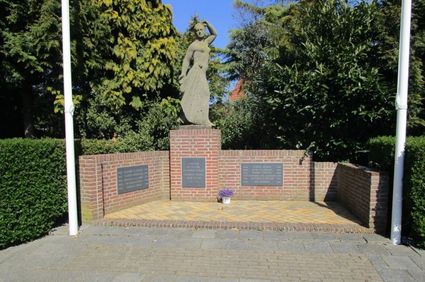
Makkum War Memorial
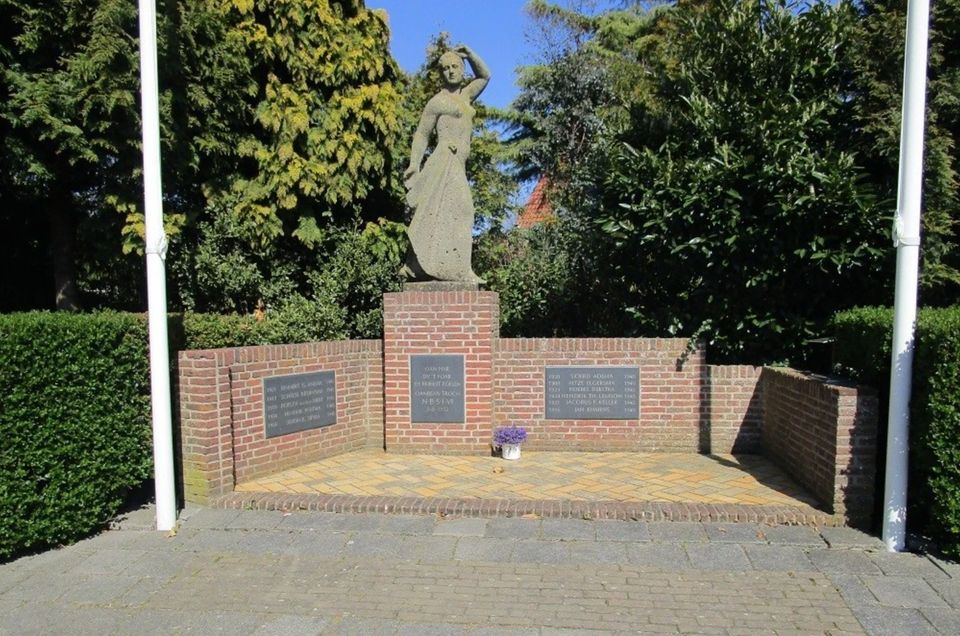
Makkum War Memorial
By 16 April, the major part of Friesland had been liberated. But some important targets of the Canadians had not yet been achieved. They wanted to win the Frisian ports and the Head of the Afsluitdijk from the Germans as quickly as possible. But they would be hard fought. Both the ports and the Afsluitdijk were used by German soldiers to escape to North Holland.
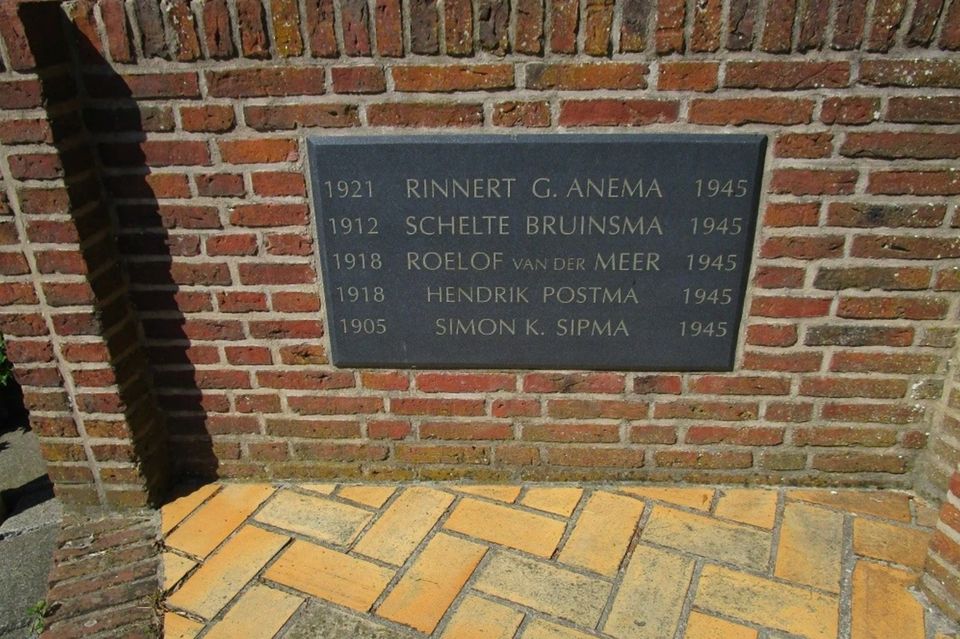
As elsewhere in Friesland, the Canadians were helped by resistance fighters from the Dutch Domestic Armed Forces (N.B.S.) They suffered several casualties near Makkum. On 16 April, Schelte Bruinsma and Simon Sipma were killed in an attack on a farm in which the Germans had entrenched themselves. The next day, another group tried to occupy a bridge under Makkum. However, the Germans caught sight of them and in the ensuing gunfight, Rinnert Anema, Roelof van der Meer and Hendrik Postma were killed. Makkum was liberated on 18 April, as one of the last villages in Friesland.
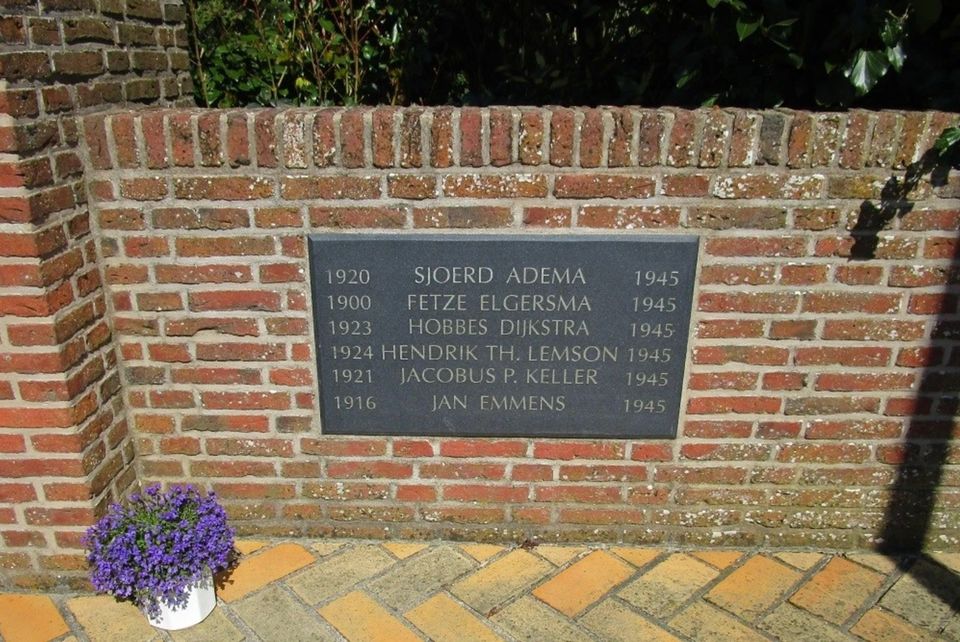
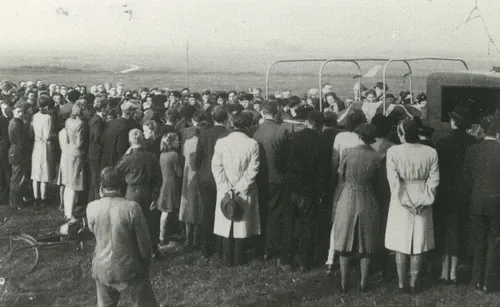
The monument at the Buren in Makkum was unveiled in 1952 in commemoration of the members of the Dutch Domestic Armed Forces who were killed around the village during the struggle for liberation.
-
-
Tzummarum (Tsjummearum)
Tzummarum (Tsjummearum)
-
Eleven Cities Tour sculpture Aukje in Stavoren
Eleven Cities Tour sculpture Aukje in Stavoren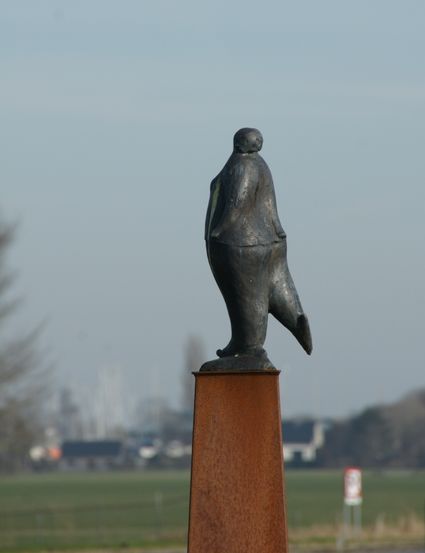
-
Former Post Office Kollum
Former Post Office Kollum
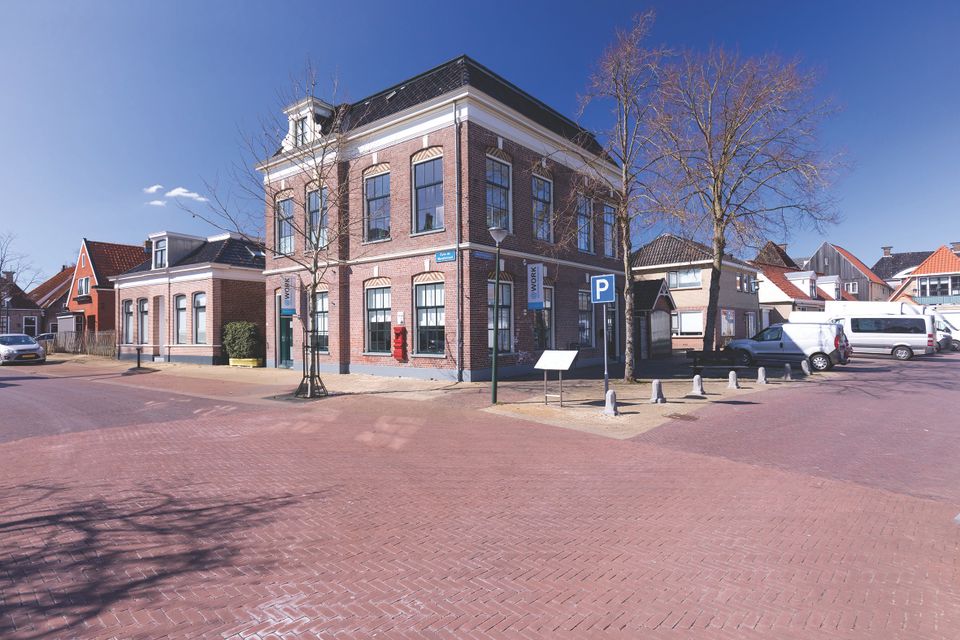
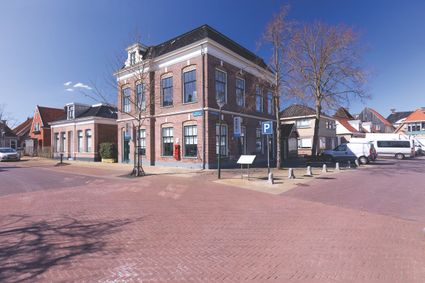
Although this building is now home to a business, it is well worth taking a look inside this former post office.
Those who look closely can still spot the remains of the old post office within the current premises. The original wooden service counters have been preserved, while the bright red PTT letterbox outside is a reminder of days gone by.
Today it is hard to imagine, but for centuries the postal service was one of the most important means of communication. This main post office was built in 1888 for that purpose. It is one of the few post offices constructed after 1883 that was not designed by the Government Architect for the Northern Netherlands, C. H. Peters, but most likely by the municipal architect H. A. Zondag. The municipality leased the building to the national government. The post office occupied the ground floor, while the postmaster lived upstairs. Following a renovation in 1908, the telegraph and telephone services were also housed here. The post office remained in use until the end of 1972.
-
-
Oosterkerk
Oosterkerk
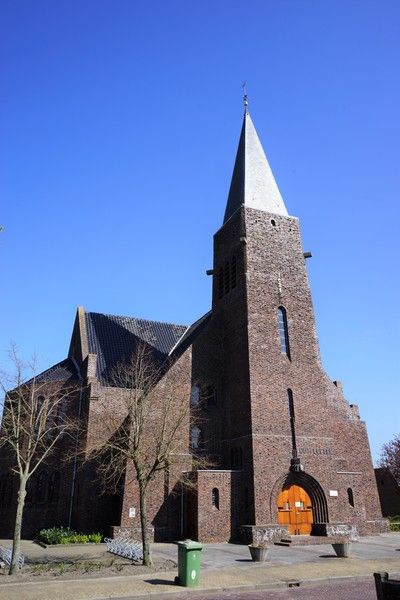
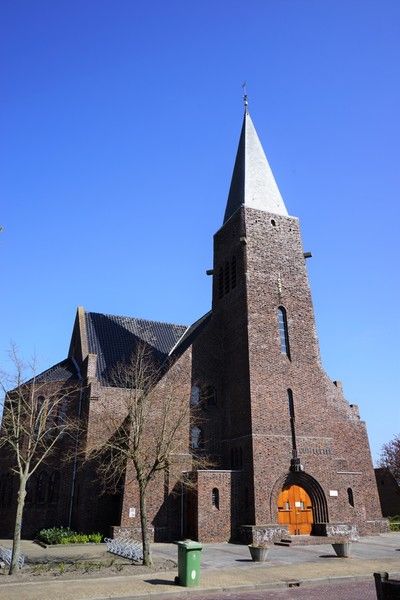
A church built in the Amsterdam School style, designed by the architect Egbert Reitsma.
Stepping inside the Oosterkerk in Kollum is a remarkable experience. Your attention is immediately drawn to the spectacular painted wooden ceiling, decorated with abstract, flowing and geometric patterns. The artwork was created by George Martens (1894–1979), a Dutch painter and graphic artist best known as a member of the Groningen artists' collective De Ploeg.
The ceiling's rich reds, ochres, blues and green accents seem almost to be in motion, creating a flowing, wave-like effect. Set against the brick walls and the church's restrained furnishings, the artwork becomes even more striking. Daylight streaming through the tall windows highlights the texture of the wood and makes the colours appear even more vibrant.
The church's architecture, designed by Egbert Reitsma—who was also a member of De Ploeg—enhances this unique experience. Its parabolic arch construction creates exceptional acoustics and a remarkable sense of space. Even the light fitting designed by Reitsma is considered a museum piece in its own right. Local tradition has it that not everyone in Kollum appreciated the lavish decoration when the church was first built. To some, it resembled a theatre or even a cinema more than a church. Today, however, the amphitheatre-shaped interior is precisely what makes a visit to the Oosterkerk so memorable.
-
-
It Noarderleech - Noard Fryslan Butendyks
It Noarderleech - Noard Fryslan Butendyks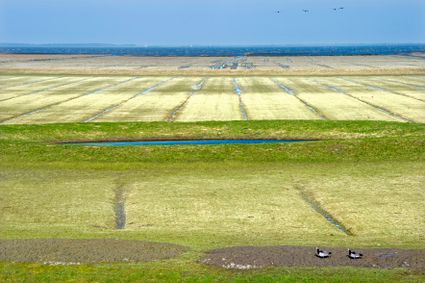
-
Pancake train
Pancake train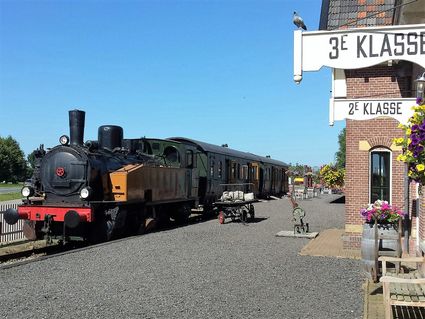
-
The Eleven Cities skater and Wall of Fame
The Eleven Cities skater and Wall of Fame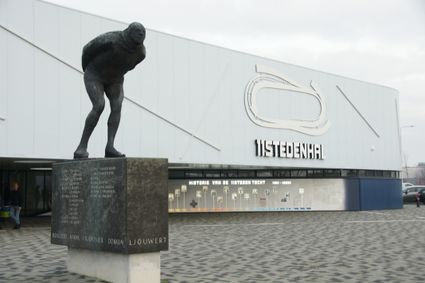
-
De Houtwiel Nature Reserve
De Houtwiel Nature Reserve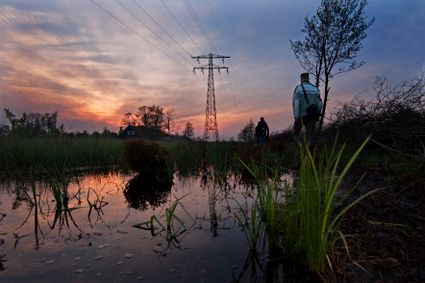
-
Holiday Cottage It Koaiûs
Holiday Cottage It Koaiûs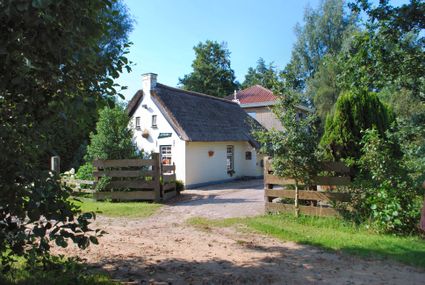
-
The Spitkeet
The Spitkeet
-
Aerden Plaats Visitor Centre
Aerden Plaats Visitor Centre
Sustainability info
-
Pettebosk Forest Playground
Pettebosk Forest Playground
-
Mill de Swarte Prinsch
Mill de Swarte Prinsch
-
Eleven Cities Tour winner Karst Leemburg
Eleven Cities Tour winner Karst Leemburg
-
Heemstra State
Heemstra State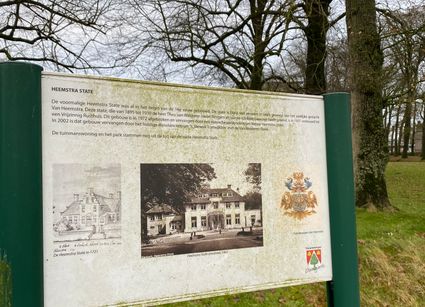
-
The lock at Iezumasyl
The lock at Iezumasyl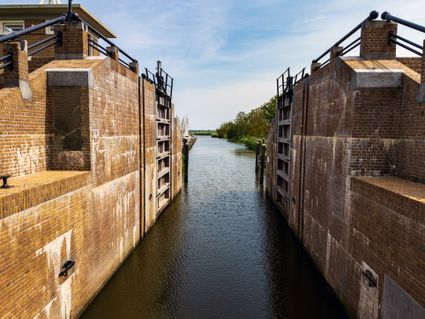
-
Ezumazijl (Iezumasyl)
Ezumazijl (Iezumasyl)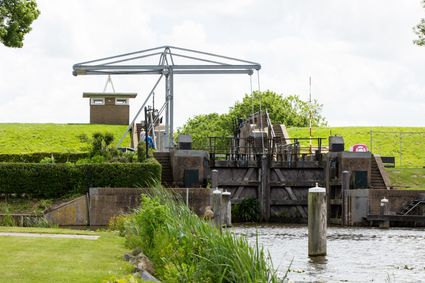
-
It Bûtefjild Nature Reserve
It Bûtefjild Nature Reserve
-
Cultural and Historical Centre De Schierstins
Cultural and Historical Centre De Schierstins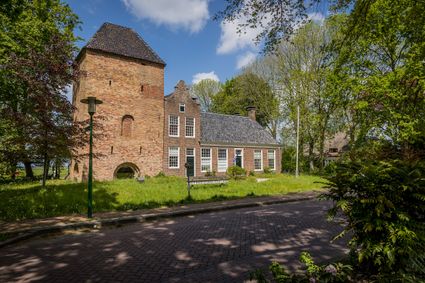
-
Fisherman's monument Wierum
Fisherman's monument Wierum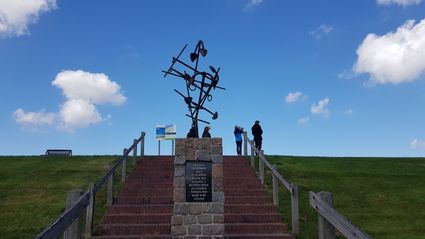
-
St. Cecilia's Church Oosternijkerk
St. Cecilia's Church Oosternijkerk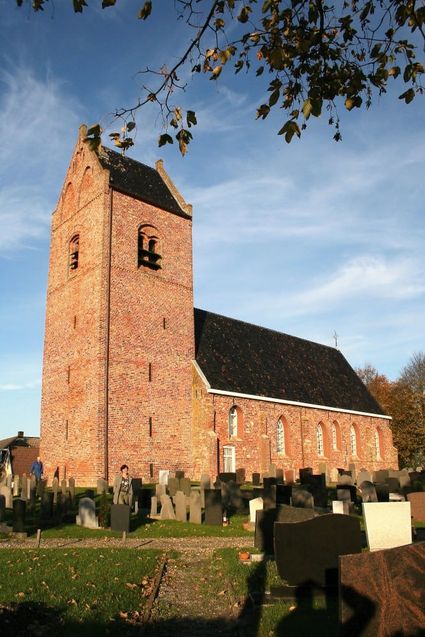
-
Bike Rental De Schreiershoek Dokkum
Bike Rental De Schreiershoek Dokkum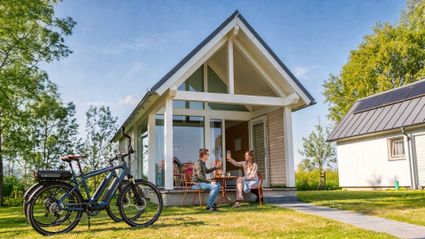
New
Dokkum / Oostrum -
TOP Oostmahorn
TOP Oostmahorn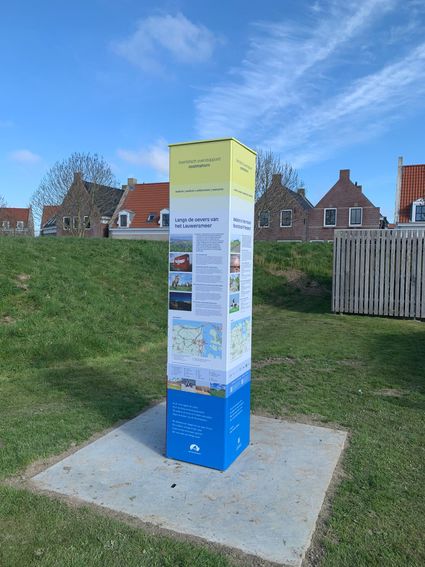
-
The Eleven Cities skater
The Eleven Cities skater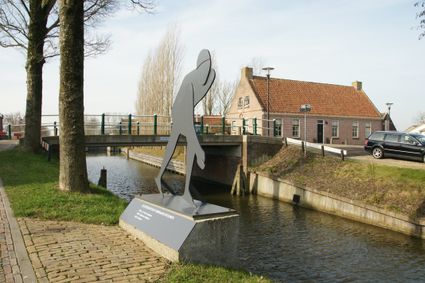
-
Camping de Kleine Wielen
Camping de Kleine Wielen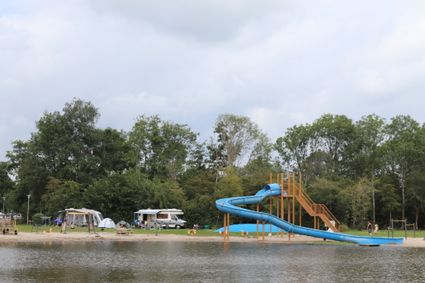
-
Attack on the port of Oostmahorn
Attack on the port of Oostmahorn
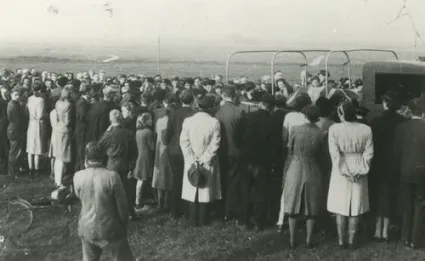
The liberation of the north-eastern part of Friesland was not achieved without a struggle. The Dutch Domestic Armed Forces (NBS) and Canadian troops fought fierce battles, partly side by side. It was mainly occupiers fleeing in panic who caused fights and shootings that claimed victims on both sides. A fierce battle was also fought over the port of Oostmahorn.
After the liberation of Dokkum, Kollum and Dokkumer Nieuwe Zijlen, the attention of the Canadian troops turned to the port of Oostmahorn. It was the gateway to the island of Schiermonnikoog, which was part of the German defence line, the Atlantic Wall. This bulwark ran along the coasts of France to Norway. During the war, and extensive occupying force was stationed on the Wadden Island.
The village of Oostmahorn was "relieved" by the Dutch Domestic Armed Forces (NBS) on Saturday, 14 April, after the German Grenzschutz (border control) left in silence for Schiermonnikoog. Meanwhile, a group of more than a hundred fleeing SS and SD men and a dozen women crossed the Lauwerszee from Groningen near Zoutkamp with three boats to the island. A number of them were high-ranking SD members of the infamous Scholtenhuis in Groningen. When the NBS saw them sailing past from the port of Oostmahorn, shots were fired back and forth.
The German occupying forces on Schiermonnikoog then wanted to take revenge. The village and the port of Oostmahorn were attacked from the island for two hours on Monday, 16 April. A convoy of three Dutch boats left for the port with the aim of landing there. Meanwhile, the help of the B-Squadron of the Royal Canadian Dragoons (1st Armoured Carrier Regiment) in Dokkum had been called in. The attack was narrowly repelled, but two Canadian soldiers from a reconnaissance group were killed. A defence line of foxholes and armoured vehicles was erected around the village.
Further reinforcements were called in that day from Leeuwarden, where C Company of the North Nova Scotia Highlanders were sent to the coastal strip to patrol for German landing attempts.
After a brief but heavy shelling from the Canadians as a warning, a mediator was sent to the island the next day. The highest-ranking SD officer refused to surrender. They were waiting for an escape with a Schnell boat that was to take them to the German Wadden island of Borkum on 3 May. That turned out to be in vain, but in the meantime they kept the island occupied, even after the general capitulation of the whole of the Netherlands on 5 May.It was not until 11 June that two boats, the MS Waddenzee and the MS Brakzand, transported the last occupiers of Schiermonnikoog to the port of Oostmahorn. A column of army trucks packed with prisoners of war left the port under the guard of the Allies. From there they went to the POW camp in Beerta (Groningen).
-
-
Lanterfanter
Lanterfanter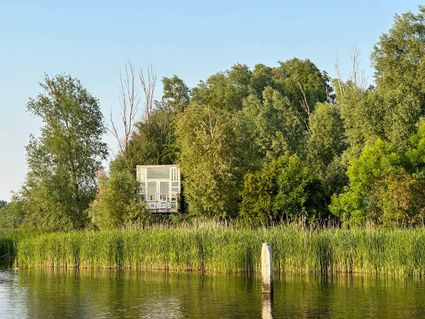
-
Restaurant Ode
Restaurant Ode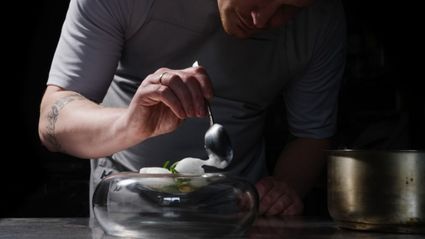
-
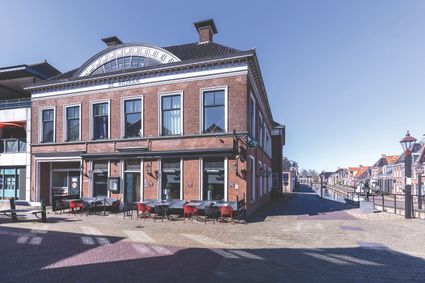
De Roskam
De Roskam
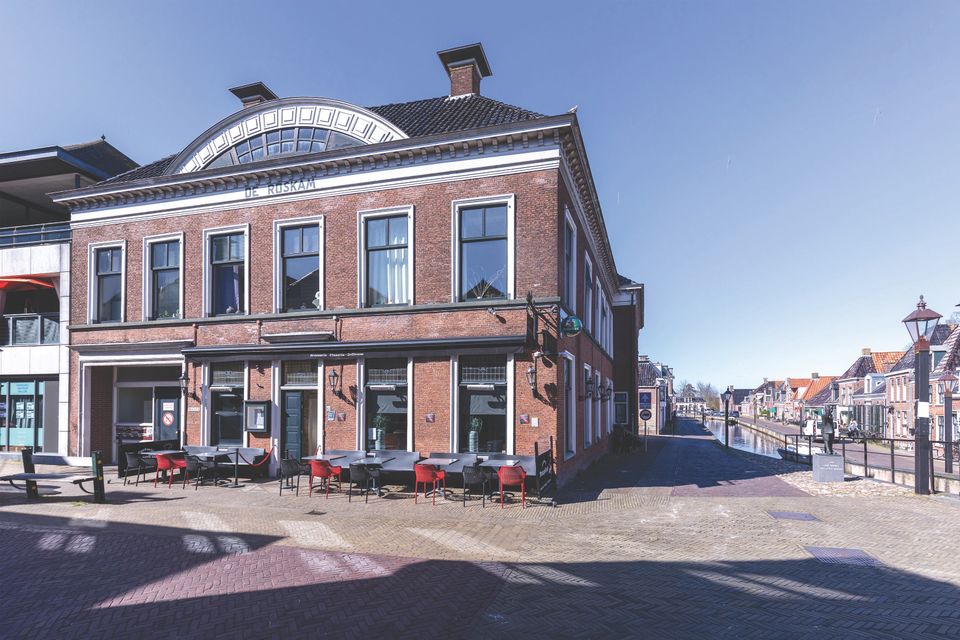
There was a time when Kollum boasted no fewer than sixteen establishments, ranging from pubs and cafés to inns and lodging houses. De Roskam has always been one of them.
Those who remember Kollum in the last century may still picture the signboard of landlord Bonne Hof: a stout little man in swimming trunks with bright red cheeks. According to local tradition, Bonne Hof gathered the sweet flag plants used in his own homemade Kalmus Berenburg from the nearby Alde Swimmer. During the 1950s, Kollum Berenburg was a popular local drink. Another story concerns his father, Sietse Jan, whose croquettes were said to be so delicious that people travelled all the way from Groningen and Leeuwarden to taste them.
Many more colourful stories surround De Roskam. During a German raid in the Second World War, the notary Wassenberg is said to have hidden in the attic, only to crash through the ceiling while still sitting on his chair. Another tale dates from 1952, when the chauffeur of the King's Commissioner, Linthorst Homan, misplaced his cap after spending the night at De Roskam. At first, it was considered a major scandal, and the cap was thought to have been stolen. The commissioner left Kollum in great anger. In the end, however, the cap was simply found and carefully returned by courier by the people of Kollum.
-
-
Earnewâld
Earnewâld