Sea dike
Blije
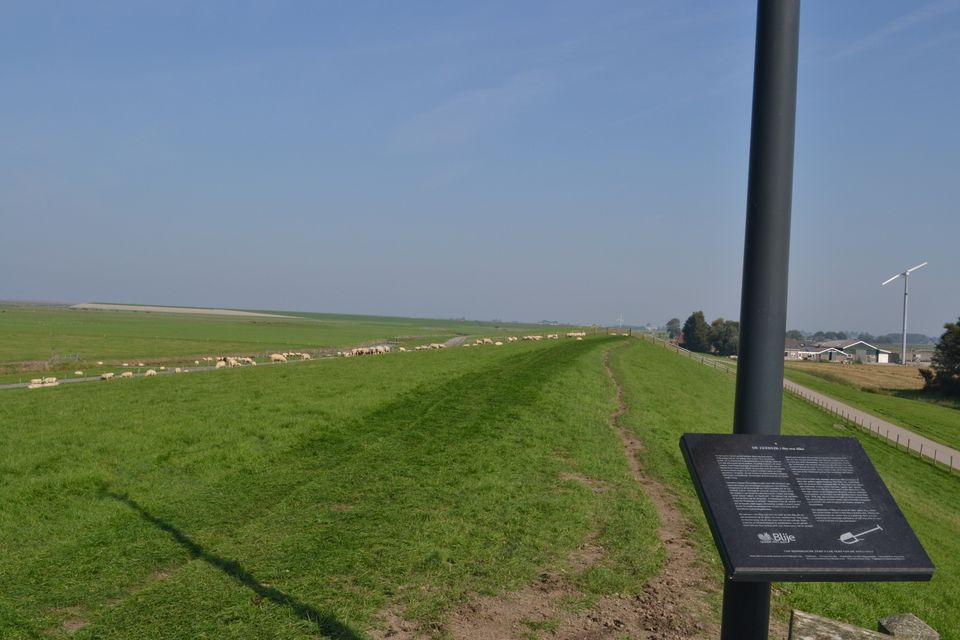
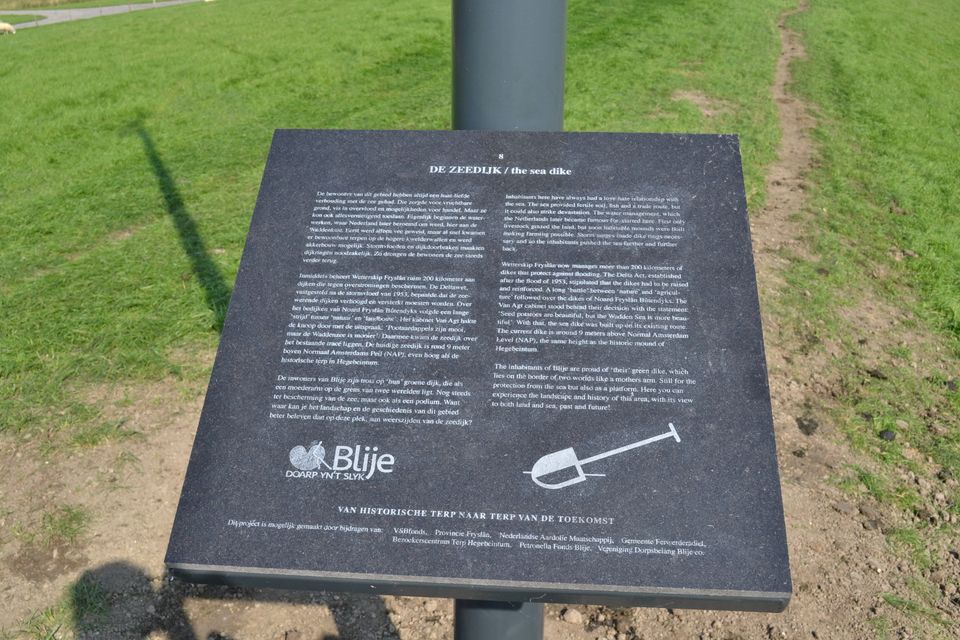
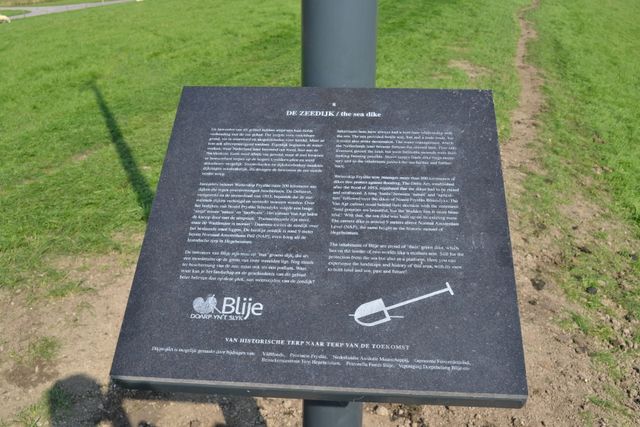
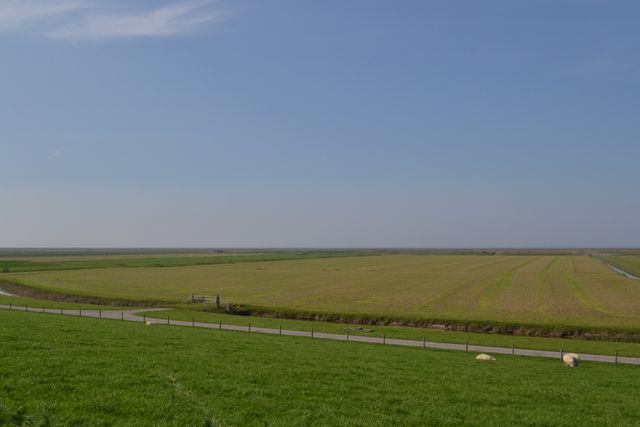
The people living in this area have always had a love-hate relationship with the sea. It provided fertile soil, an abundance of fish and opportunities for trade. But it could also strike with devastating force.
Take a look
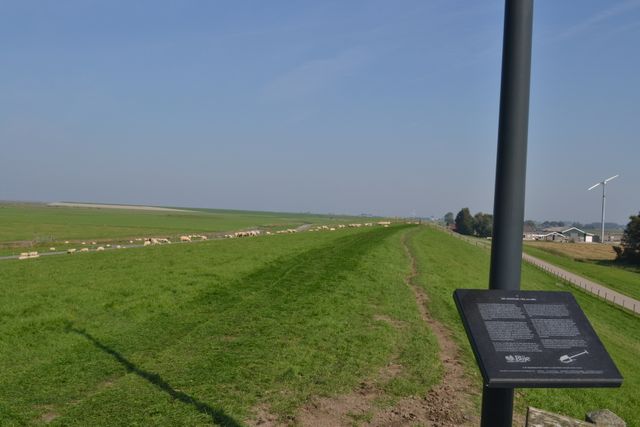
The people living in this area have always had a love-hate relationship with the sea. It provided fertile soil, an abundance of fish and opportunities for trade. But it could also strike with devastating force.
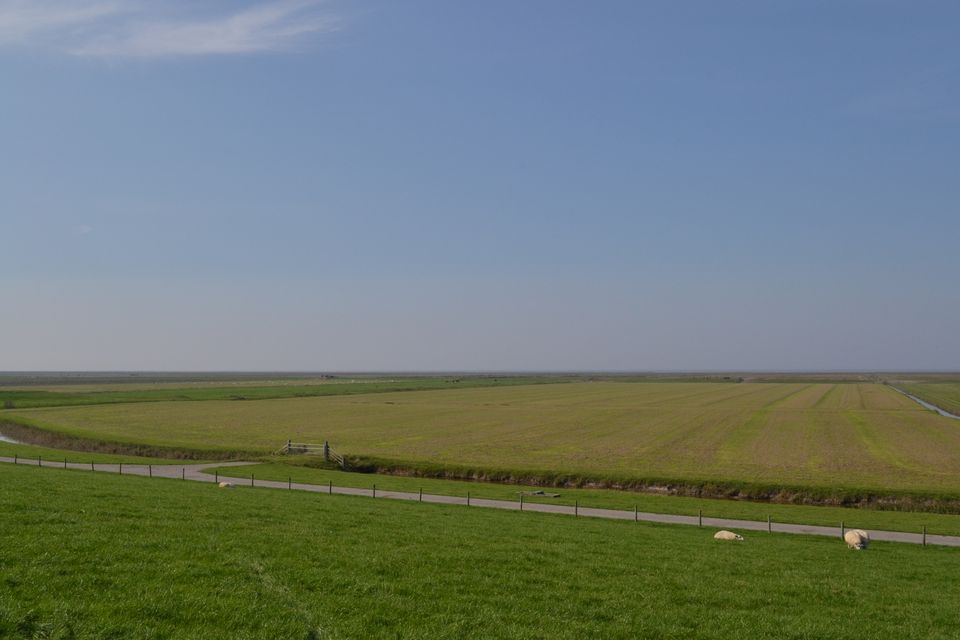
In fact, the water-management works for which the Netherlands would later become famous began here along the Wadden coast. At first, the land was used mainly for grazing livestock, but soon raised dwelling mounds, known as terps, were built on the higher salt-marsh ridges, making arable farming possible. Storm surges and breaches in the dikes made enclosed dike systems necessary. In this way, the inhabitants gradually pushed the sea farther back.
Today, Wetterskip Fryslân manages more than 200 kilometres of dikes that protect against flooding. The Delta Act, introduced after the 1953 North Sea flood, required sea-defence dikes to be raised and strengthened. The decision over whether to embank Noard-Fryslân Bûtendyks led to a long-running ‘battle’ between ‘nature’ and ‘agriculture’. The Van Agt government finally settled the matter with the statement: ‘Seed potatoes are beautiful, but the Wadden Sea is more beautiful.’ As a result, the sea dike was built along the existing route. Today’s sea dike stands around 9 metres above Amsterdam Ordnance Datum (NAP), the same height as the historic terp at Hegebeintum.