National landscape Noardlike Fryske Wâlden
Noardlike Fryske Wâlden: Where Farming Meets Nature
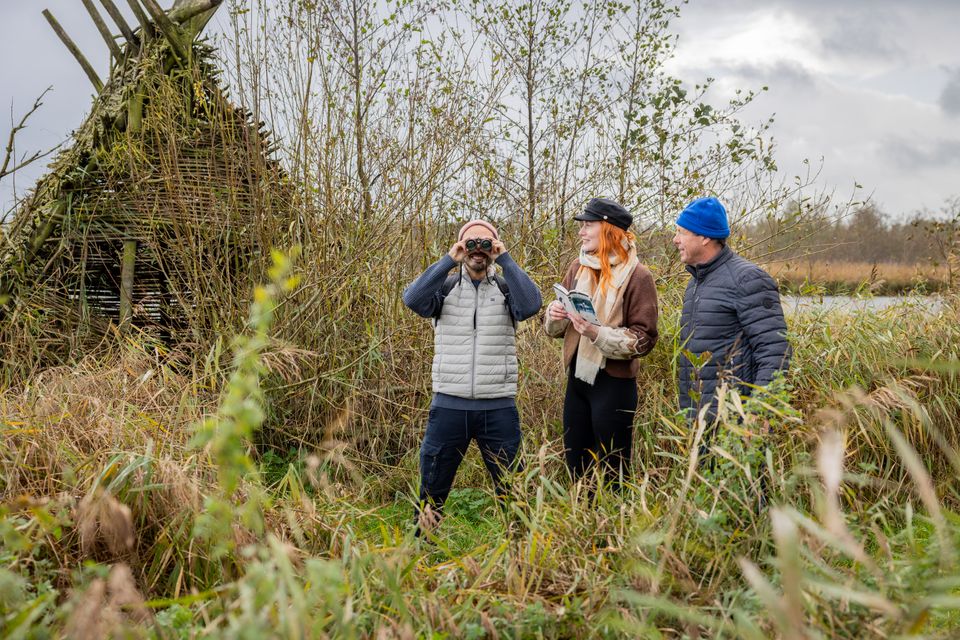
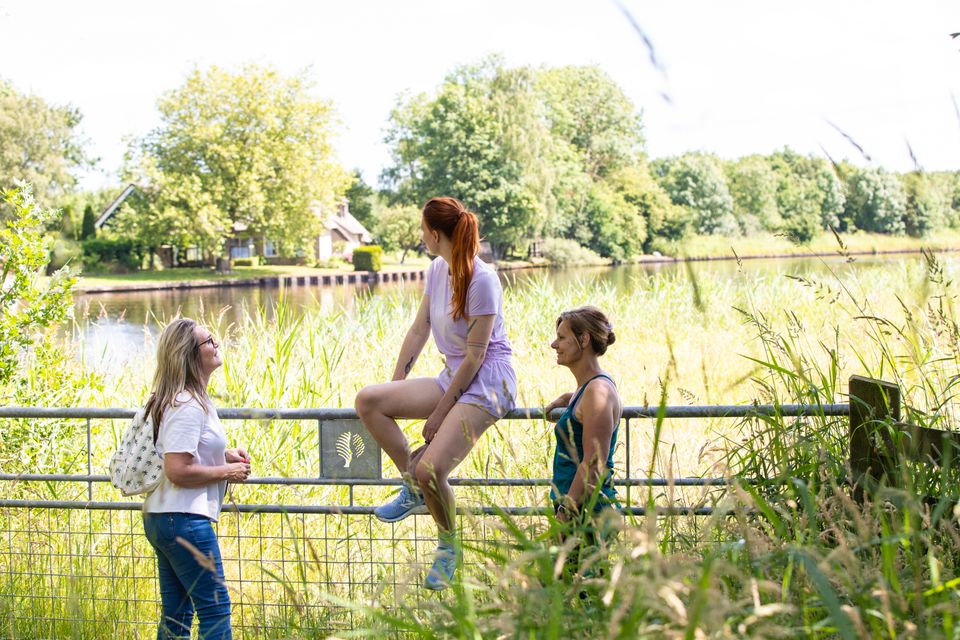
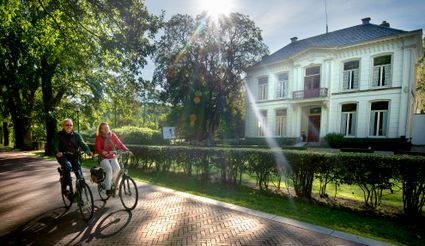
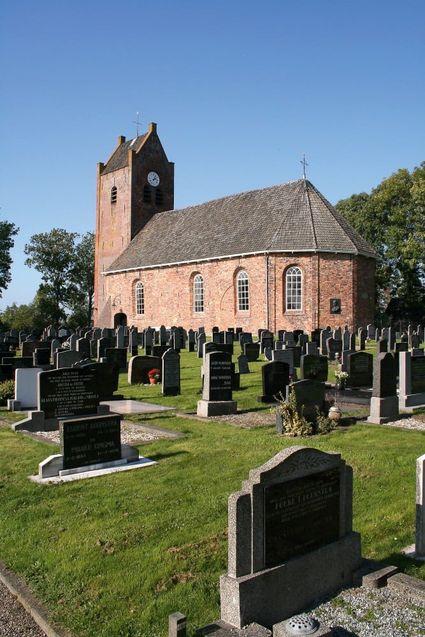
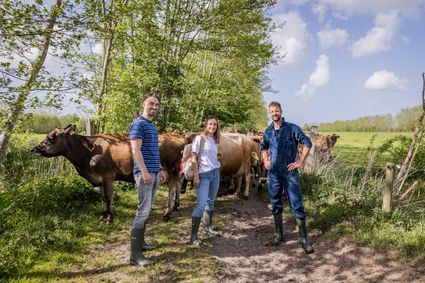
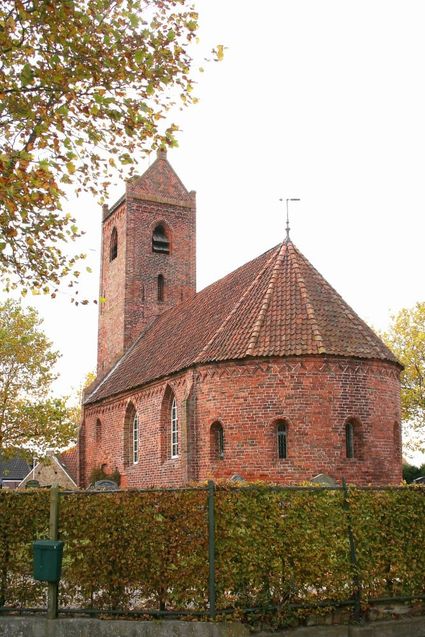
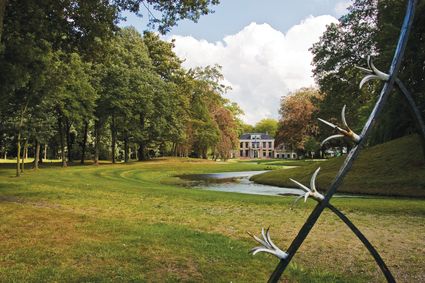
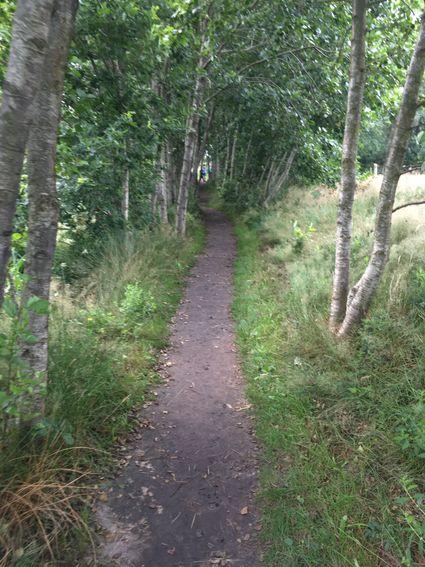
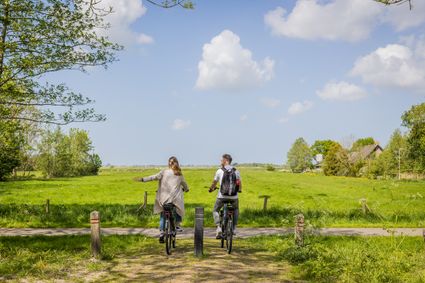
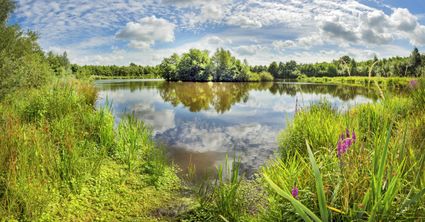
If you think of farming as mainly livestock and arable land, with flat fields stretching as far as the eye can see, then you're in for a surprise in the Noardlike Fryske Wâlden National Landscape. Sustainable and nature-inclusive farming before it was even a term! Here, farmers care for the landscape, and you can feel and see that harmony in everything: the rich tapestry of alder hedges and wooded banks, beautiful sandy paths, rolling meadows, and pingoes from the Ice Age. It's no wonder that many nobles chose to build their country houses in these woods.
Take your binoculairs with you; over more than 250 species of birds can be spotted here!
Activities
-
Regional Walkway Noardlike Fryske Wâlden
Regional Walkway Noardlike Fryske Wâlden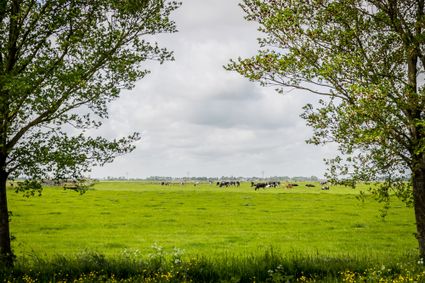
-
The Former Weigh House
The Former Weigh House
A look at old photographs reveals that the building looks even more attractive today than its predecessor. The people of Kollum have taken good care of this historic landmark. The weigh house was a public building where goods could be officially weighed. Its presence was particularly important for trade in butter and cheese.
A public weigh house in Kollum is first mentioned in the 16th century. That original building stood next to the Rechthuis (courthouse). In 1779, a new weigh house was built here on the Westerdiepswal, at the heart of the bustling waterfront. The wide entrance to the former weighing hall, where two weighing scales were once installed, can still be clearly recognised in the façade.
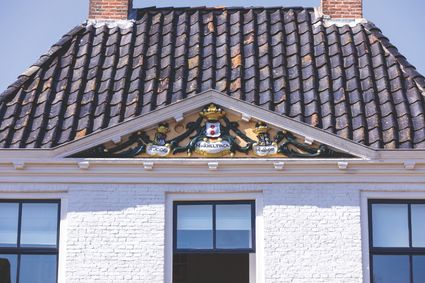
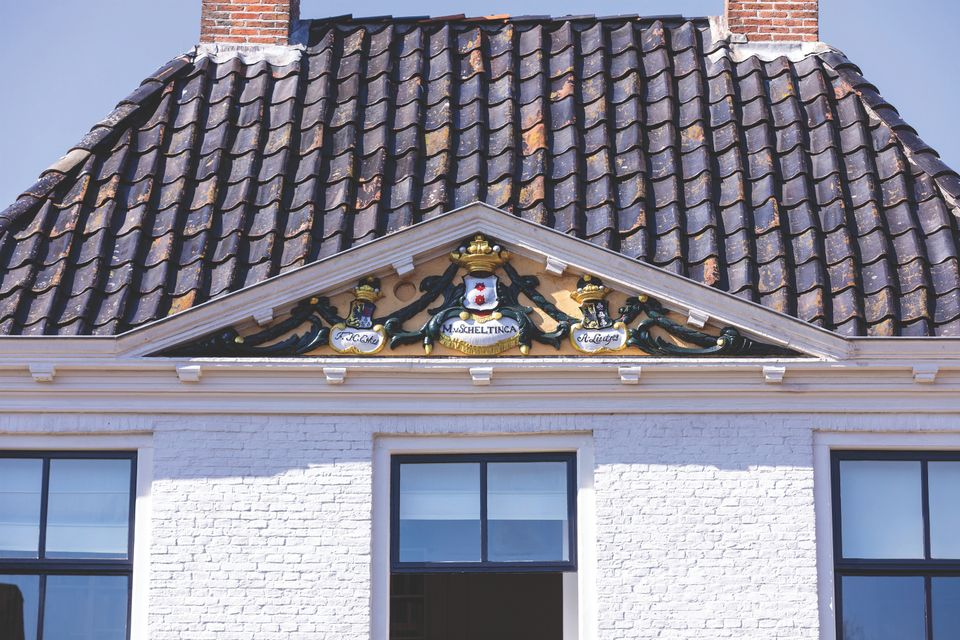
The pediment above the façade bears the coats of arms and names, added in 1779, of grietman (district magistrate) Martinus van Scheltinga, his deputy Focke Hijlckes Eskes, and Albert Luitjens, who served together with Eskes as church warden. The building was owned by the Dutch Reformed Church, which leased out the weigh house. In 1871 it was sold to a private owner, after which an official weighmaster appointed by the municipality supervised its operation. With the rise of the dairy industry in Friesland, the weigh house gradually lost its function. In 1895, the building was converted into a private residence.
-
-
Sytzama House
Sytzama House
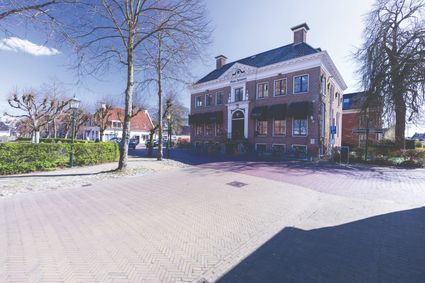
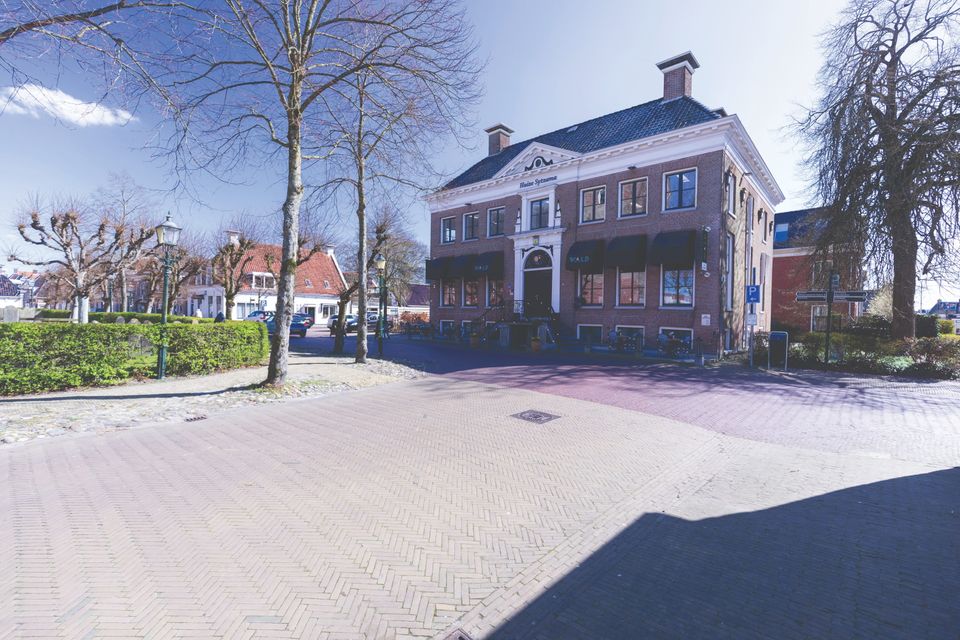
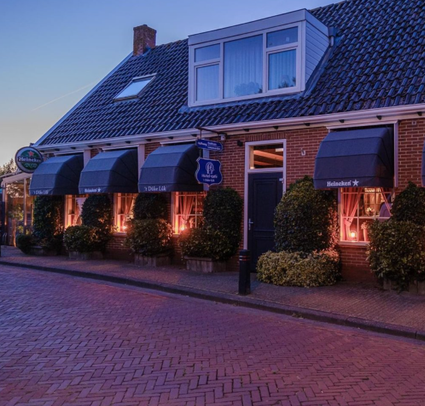
What is now a grand café has a history closely connected with local government, the Second World War, and Baron Willem van Sytzama, the building's first owner, after whom it is named.
In Van Sytzama's time, there were very few buildings nearby. Instead, a large landscaped garden with extensive ponds stretched out behind the house. Baron Willem van Sytzama believed he was happily married to Cecilia van Heemskerk, but she left him for another man. Although the baron took legal action in an attempt to prevent the separation, he was unsuccessful. She never returned, and he never remarried. In later years, however, the building served as Kollum's town hall, where hundreds of marriages were celebrated.
During the Second World War, Mayor Gerben Feitsma was sworn into office in this building. The ceremony took place with prominent displays of flags and the Nazi salute. For that reason, Feitsma is often described as an NSB (Dutch National Socialist Movement) mayor. At the same time, there is evidence that he occasionally helped prevent residents of Kollum from being sent to Germany for forced labour by employing them on his farm. Because of his wartime record, his name is not always included in historical accounts.
His brother, Jan Feitsma, became notorious for a different reason. As Prosecutor General, he ordered signs reading "Jews Forbidden" to be displayed throughout the occupied Netherlands. The policy caused considerable controversy in Kollum during the war. The local tennis club preferred to close its courts rather than display such a sign. In early 1945, Jan Feitsma was shot dead by members of the Dutch Resistance. His funeral in Kollum was attended by numerous members of the SS.
-





Food and beverage
-
Regional Walkway Noardlike Fryske Wâlden
Regional Walkway Noardlike Fryske Wâlden -
The Former Weigh House
The Former Weigh House
A look at old photographs reveals that the building looks even more attractive today than its predecessor. The people of Kollum have taken good care of this historic landmark. The weigh house was a public building where goods could be officially weighed. Its presence was particularly important for trade in butter and cheese.
A public weigh house in Kollum is first mentioned in the 16th century. That original building stood next to the Rechthuis (courthouse). In 1779, a new weigh house was built here on the Westerdiepswal, at the heart of the bustling waterfront. The wide entrance to the former weighing hall, where two weighing scales were once installed, can still be clearly recognised in the façade.
The pediment above the façade bears the coats of arms and names, added in 1779, of grietman (district magistrate) Martinus van Scheltinga, his deputy Focke Hijlckes Eskes, and Albert Luitjens, who served together with Eskes as church warden. The building was owned by the Dutch Reformed Church, which leased out the weigh house. In 1871 it was sold to a private owner, after which an official weighmaster appointed by the municipality supervised its operation. With the rise of the dairy industry in Friesland, the weigh house gradually lost its function. In 1895, the building was converted into a private residence.
-
-
Sytzama House
Sytzama House
What is now a grand café has a history closely connected with local government, the Second World War, and Baron Willem van Sytzama, the building's first owner, after whom it is named.
In Van Sytzama's time, there were very few buildings nearby. Instead, a large landscaped garden with extensive ponds stretched out behind the house. Baron Willem van Sytzama believed he was happily married to Cecilia van Heemskerk, but she left him for another man. Although the baron took legal action in an attempt to prevent the separation, he was unsuccessful. She never returned, and he never remarried. In later years, however, the building served as Kollum's town hall, where hundreds of marriages were celebrated.
During the Second World War, Mayor Gerben Feitsma was sworn into office in this building. The ceremony took place with prominent displays of flags and the Nazi salute. For that reason, Feitsma is often described as an NSB (Dutch National Socialist Movement) mayor. At the same time, there is evidence that he occasionally helped prevent residents of Kollum from being sent to Germany for forced labour by employing them on his farm. Because of his wartime record, his name is not always included in historical accounts.
His brother, Jan Feitsma, became notorious for a different reason. As Prosecutor General, he ordered signs reading "Jews Forbidden" to be displayed throughout the occupied Netherlands. The policy caused considerable controversy in Kollum during the war. The local tennis club preferred to close its courts rather than display such a sign. In early 1945, Jan Feitsma was shot dead by members of the Dutch Resistance. His funeral in Kollum was attended by numerous members of the SS.
-
Stay
-
Regional Walkway Noardlike Fryske Wâlden
Regional Walkway Noardlike Fryske Wâlden -
The Former Weigh House
The Former Weigh House
A look at old photographs reveals that the building looks even more attractive today than its predecessor. The people of Kollum have taken good care of this historic landmark. The weigh house was a public building where goods could be officially weighed. Its presence was particularly important for trade in butter and cheese.
A public weigh house in Kollum is first mentioned in the 16th century. That original building stood next to the Rechthuis (courthouse). In 1779, a new weigh house was built here on the Westerdiepswal, at the heart of the bustling waterfront. The wide entrance to the former weighing hall, where two weighing scales were once installed, can still be clearly recognised in the façade.
The pediment above the façade bears the coats of arms and names, added in 1779, of grietman (district magistrate) Martinus van Scheltinga, his deputy Focke Hijlckes Eskes, and Albert Luitjens, who served together with Eskes as church warden. The building was owned by the Dutch Reformed Church, which leased out the weigh house. In 1871 it was sold to a private owner, after which an official weighmaster appointed by the municipality supervised its operation. With the rise of the dairy industry in Friesland, the weigh house gradually lost its function. In 1895, the building was converted into a private residence.
-
-
Sytzama House
Sytzama House
What is now a grand café has a history closely connected with local government, the Second World War, and Baron Willem van Sytzama, the building's first owner, after whom it is named.
In Van Sytzama's time, there were very few buildings nearby. Instead, a large landscaped garden with extensive ponds stretched out behind the house. Baron Willem van Sytzama believed he was happily married to Cecilia van Heemskerk, but she left him for another man. Although the baron took legal action in an attempt to prevent the separation, he was unsuccessful. She never returned, and he never remarried. In later years, however, the building served as Kollum's town hall, where hundreds of marriages were celebrated.
During the Second World War, Mayor Gerben Feitsma was sworn into office in this building. The ceremony took place with prominent displays of flags and the Nazi salute. For that reason, Feitsma is often described as an NSB (Dutch National Socialist Movement) mayor. At the same time, there is evidence that he occasionally helped prevent residents of Kollum from being sent to Germany for forced labour by employing them on his farm. Because of his wartime record, his name is not always included in historical accounts.
His brother, Jan Feitsma, became notorious for a different reason. As Prosecutor General, he ordered signs reading "Jews Forbidden" to be displayed throughout the occupied Netherlands. The policy caused considerable controversy in Kollum during the war. The local tennis club preferred to close its courts rather than display such a sign. In early 1945, Jan Feitsma was shot dead by members of the Dutch Resistance. His funeral in Kollum was attended by numerous members of the SS.
-