Location
161 to 192 of 267 results
-
Campsite Tjaerda State
Campsite Tjaerda State
-
Huize Moddergat
Huize Moddergat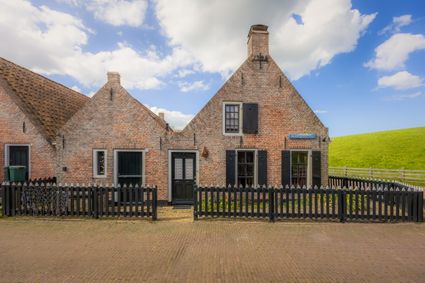
-
National Park 'De Alde Feanen'
National Park 'De Alde Feanen'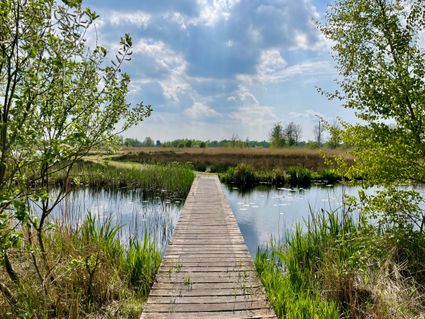
-
Lanterfanter
Lanterfanter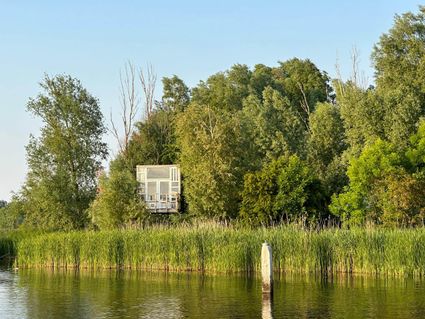
-
Inn Hantum
Inn Hantum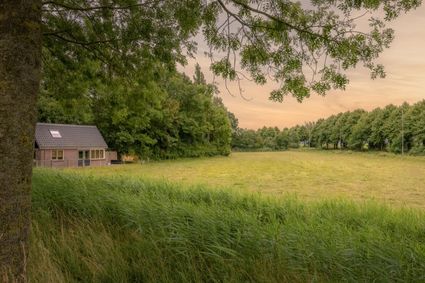
-
Restaurant Ode
Restaurant Ode
-
Copini Buitensport
Copini Buitensport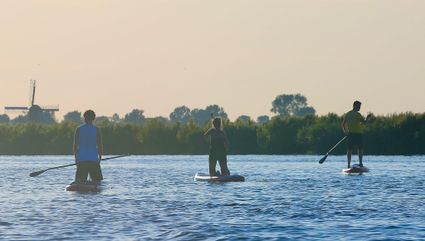
-
Museum 't Fiskershuske
Museum 't Fiskershuske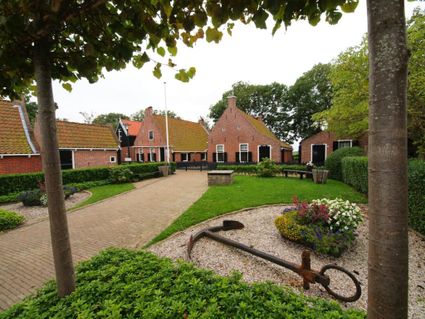
-
Gasthuis Dokkum
Gasthuis Dokkum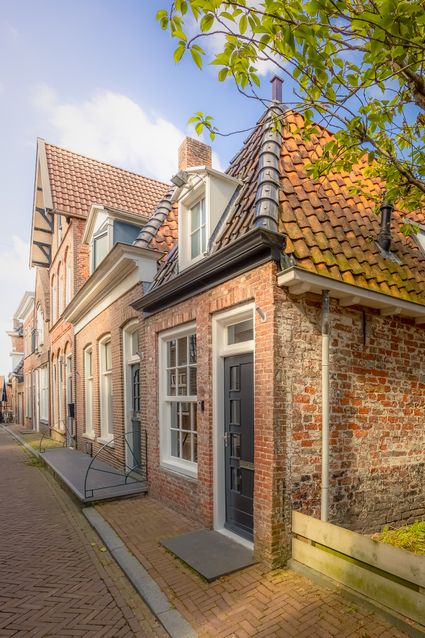
-
In De Wij
In De Wij
-
Kollumerwaard Hiking Trail
Kollumerwaard Hiking Trail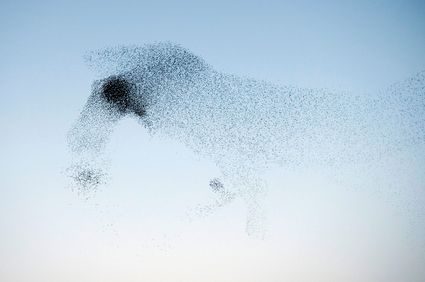
-
Wadlopen Friese Wad - mudflat hiking
Wadlopen Friese Wad - mudflat hiking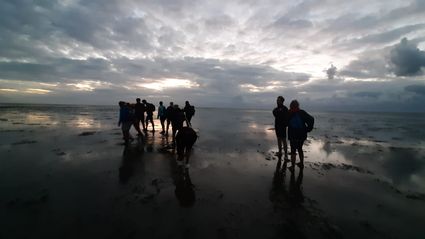
-
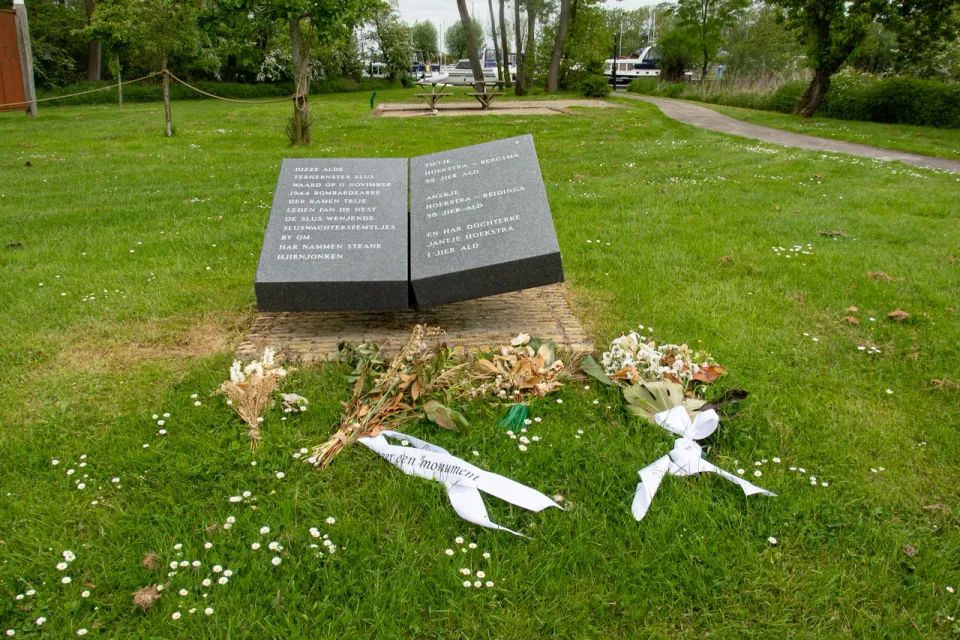
The bombing of Terherne lock
The bombing of Terherne lock
On 11 November 1944, pilots of the Royal Canadian Air Force, based at Welschap airfield near Eindhoven, were ordered to bomb the lock at Terherne in two groups. The reason for the bombardment of Terherne lock was to restrict (German) transport movements. The lock complex was situated on the main shipping route from Germany via Groningen to the Randstad, along which the Germans transported goods and military equipment.
After the railway strike in September had already disrupted rail transport considerably, actions against shipping traffic followed in the months thereafter. The southern part of the country may have been liberated, but fierce battles were still to be fought in the other parts.
Such was the case on that 11th November just after nine o'clock in the morning when the two groups of Hawker Typhoon fighter-bombers took off shortly after each other from Eindhoven for their mission. Around 10:00, the lock at Terherne was bombed from the north for the first time and then again around 10:30.
The consequences were huge for the people living on the lock. The wives of both lock keepers, a one-year-old baby and a German soldier were killed. Also, pilot John Gordon Fraser's aircraft was damaged to such extent that he had to make an emergency landing at St. Johannesga. Although the bombing resulted in the northern passageway being deactivated and no longer usable, the southern passageway remained open and could still be used.
Today, a boathouse for the State yacht of the province of Friesland has been built over the southern passage. A new building, that serves as a guest house for the province, was put up on the site of the lock keeper's house on the south side.
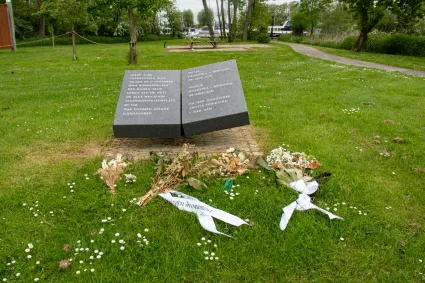
A monument has been erected on the northern pier in memory of those who perished at the lock. This monument was unveiled on 10 November 1985 by Hattum Hoekstra, son of 1st lock keeper Wiemer and Tietje Hoekstra. Since then, the commemoration of the dead in Terherne has always taken place at the old lock, and the children of primary school 'It Kampke' have adopted the monument.
-
-
St. Nicholas Church Blije
St. Nicholas Church Blije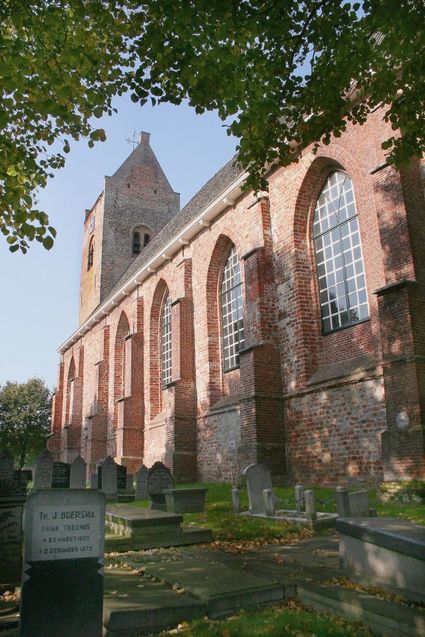
-
The liberation of Friesland
The liberation of Friesland
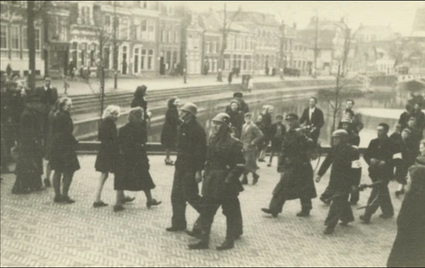
By 18 April, the whole province of Friesland had been liberated, except for the Wadden Islands. Compared to other provinces, there was little fighting in Friesland. Overall, the few thousand German troops who had been unable to escape from Friesland were defeated by the Canadians relatively quickly.
The commander of the Royal Canadian Dragoons, Lieutenant Colonel Landell, praised the actions of the resistance by stating that "Friesland liberated herself". While that may be a bit of an exaggeration, the actions of the Frisian resistance undoubtedly accelerated the liberation. And reduced the number of casualties on the Allied side.
At least 31 resistance fighters lost their lives in confrontations with German troops and their Dutch accomplices. At least eleven Canadians and one Frenchman were killed on the Allied side. Dozens of civilian victims were also killed in the fighting and shelling. The number of casualties on the German side is not known, but it is believed that the number ran into hundreds. With 320 destroyed and 4000 damaged homes and 80 destroyed bridges, Friesland was materially the least damaged province of the Netherlands.
Many German soldiers fled towards the western part of the country. The retreating German troops gathered mostly in Harlingen, Makkum and Lemmer. From there, they tried to get away by boat across the IJsselmeer or via the Afsluitdijk to North Holland. The Wadden Islands also became a refuge for collaborators and German soldiers. Here, liberation was longer in coming.
On the island of Terschelling, the last German troops were disarmed by a British artillery regiment on 29 May. Two days later, the British crossed from Terschelling to Vlieland, and the liberation of that island was also a fact. Ameland was liberated on 3 June.
Personnel from the infamous Scholtenhuis, the SD headquarters in Groningen, had entrenched themselves on Schiermonnikoog. After their departure on 31 May, there was a celebration on the island, in spite of the six hundred members of the occupying troops who still were there. Only on 11 June did the last German soldiers leave Schiermonnikoog, and then the whole province of Friesland was free.
Most Canadian units that had liberated Friesland continued the battle in Groningen and North Germany after 18 April. Their war ended on 8 May 1945, when the surrender of all German armed forces became effective.
-
-
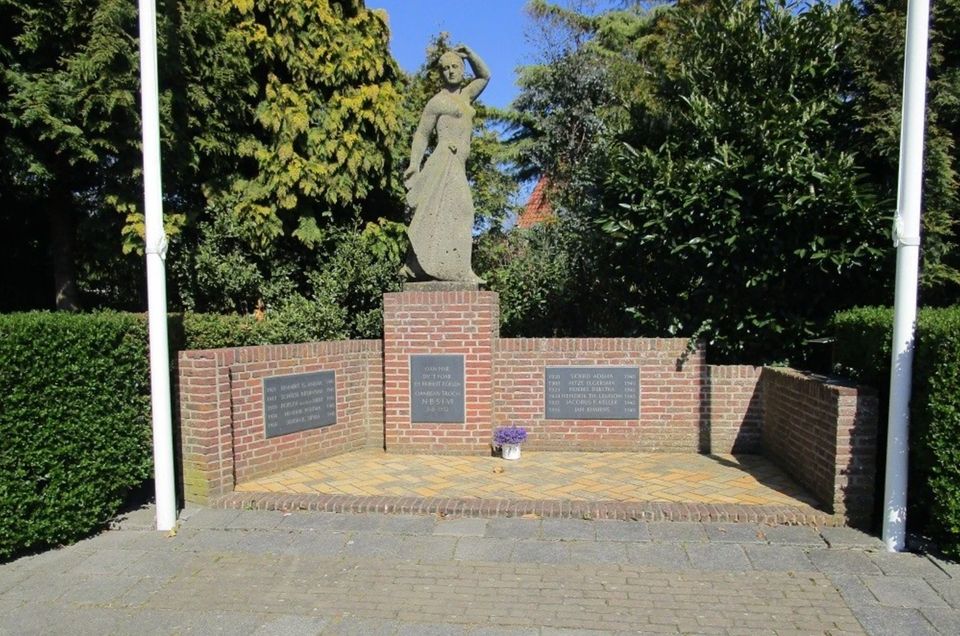
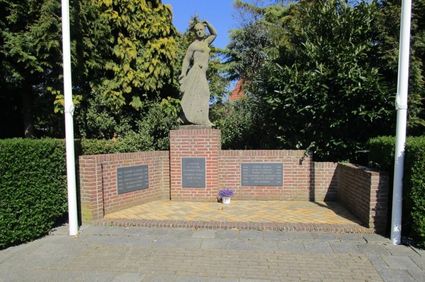
Makkum War Memorial
Makkum War Memorial
By 16 April, the major part of Friesland had been liberated. But some important targets of the Canadians had not yet been achieved. They wanted to win the Frisian ports and the Head of the Afsluitdijk from the Germans as quickly as possible. But they would be hard fought. Both the ports and the Afsluitdijk were used by German soldiers to escape to North Holland.
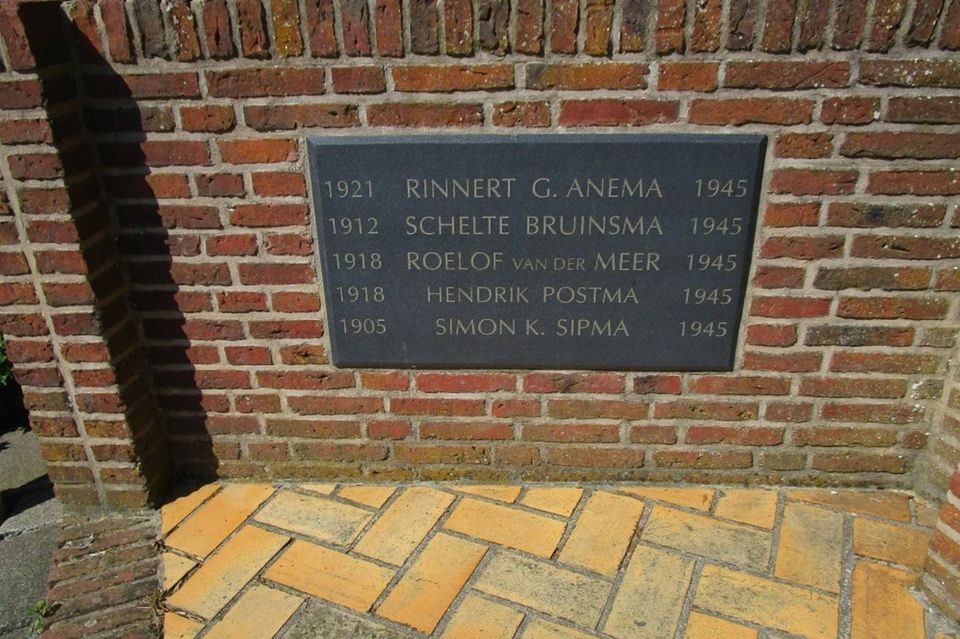
As elsewhere in Friesland, the Canadians were helped by resistance fighters from the Dutch Domestic Armed Forces (N.B.S.) They suffered several casualties near Makkum. On 16 April, Schelte Bruinsma and Simon Sipma were killed in an attack on a farm in which the Germans had entrenched themselves. The next day, another group tried to occupy a bridge under Makkum. However, the Germans caught sight of them and in the ensuing gunfight, Rinnert Anema, Roelof van der Meer and Hendrik Postma were killed. Makkum was liberated on 18 April, as one of the last villages in Friesland.
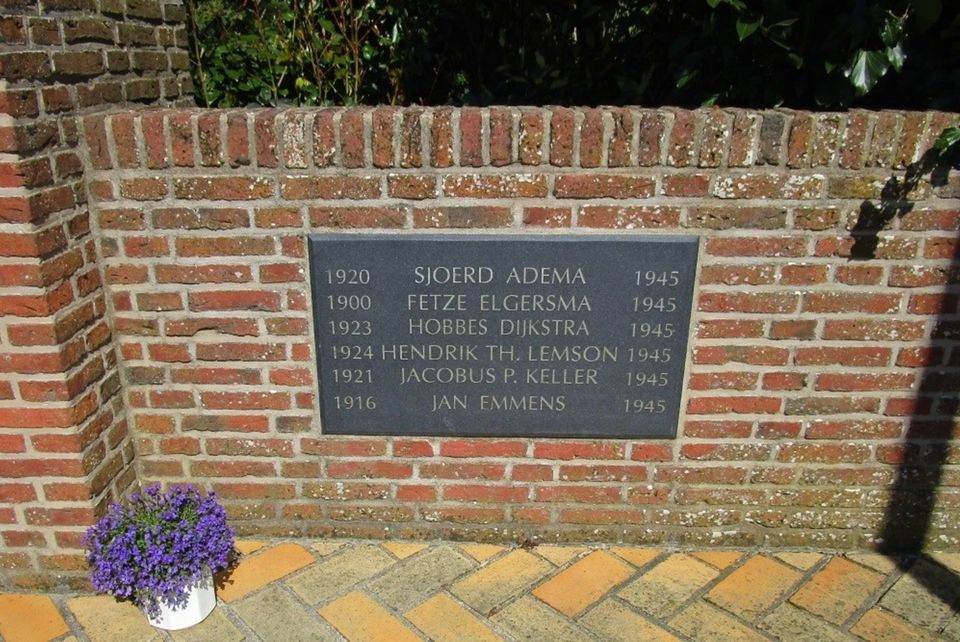
The monument at the Buren in Makkum was unveiled in 1952 in commemoration of the members of the Dutch Domestic Armed Forces who were killed around the village during the struggle for liberation.
-
-
Twijzelermieden Nature Reserve
Twijzelermieden Nature Reserve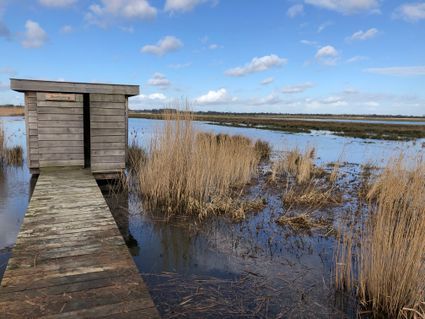
-
It Lytse Slot Manor
It Lytse Slot Manor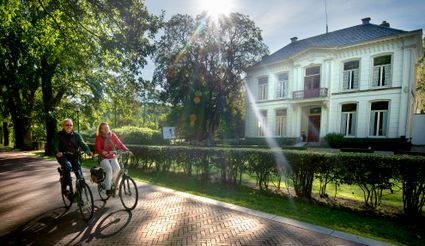
-
Shipwreck at Wierum (visible at low tide)
Shipwreck at Wierum (visible at low tide)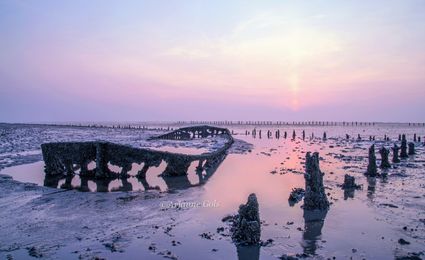
-
Holiday Park Bergumermeer
Holiday Park Bergumermeer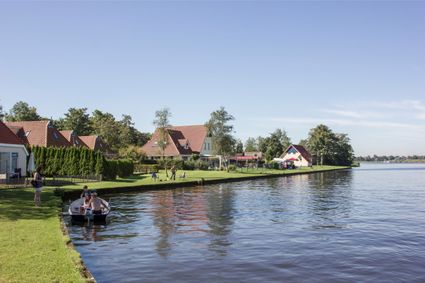
Direct boekbaar
-
Wad'n Hûs
Wad'n Hûs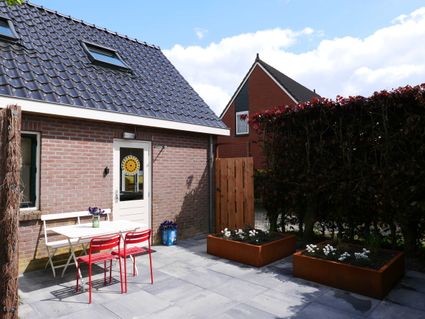
-
Electrosloop Fryslân (Aldtsjerk)
Electrosloop Fryslân (Aldtsjerk)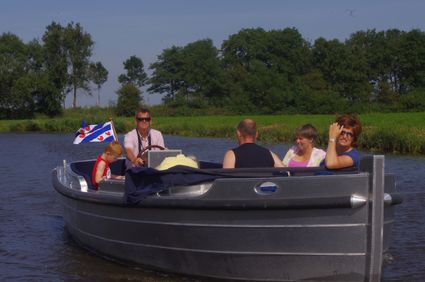
-
De Naturij
De Naturij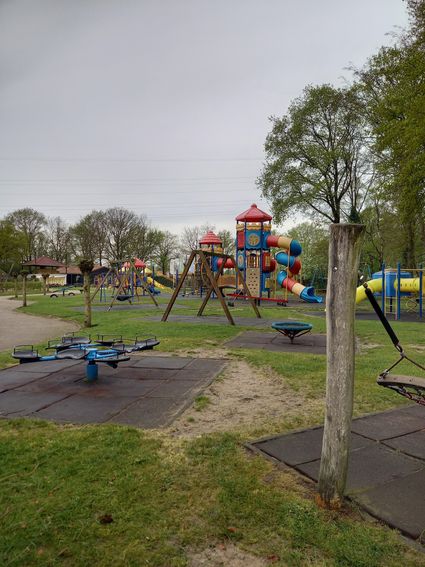
-
Wadloopcentrum Fryslân
Wadloopcentrum Fryslân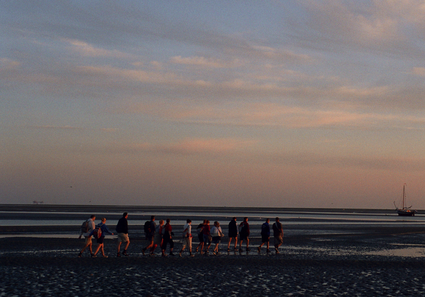

-
Greenjoy Gytsjerk
Greenjoy Gytsjerk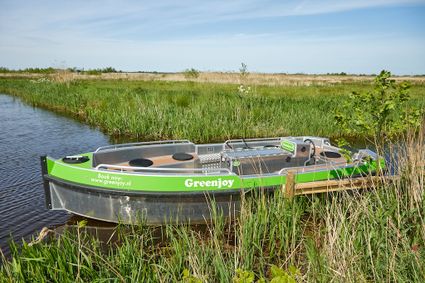
-
B&B Hippe Schuur
B&B Hippe Schuur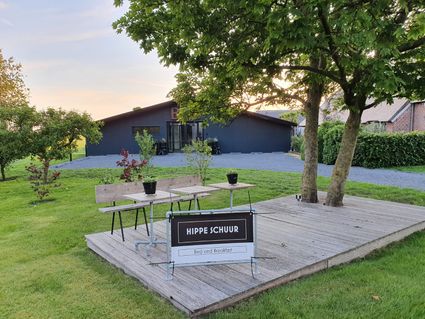
-
Mearkas
Mearkas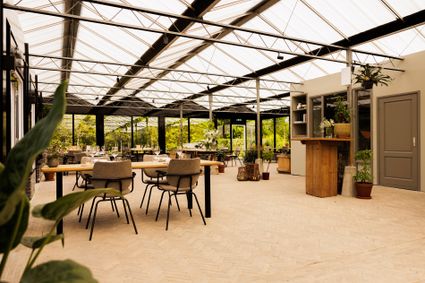
-
BinnenInn 24-Person Group Stay
BinnenInn 24-Person Group Stay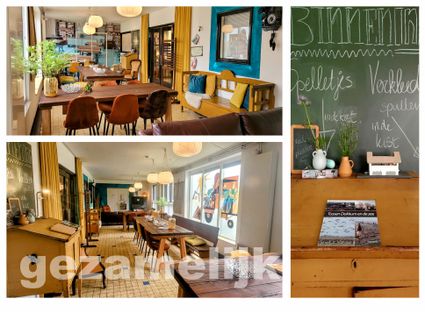
-
Farm next to the church
Farm next to the church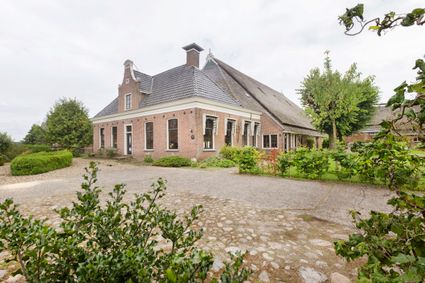
-
Terp fan de Takomst
Terp fan de Takomst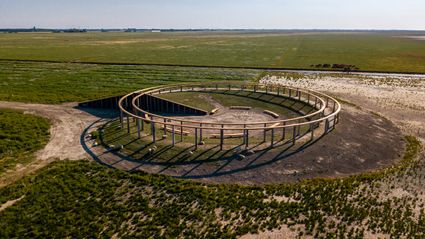
-
Marina Gytsjerk
Marina Gytsjerk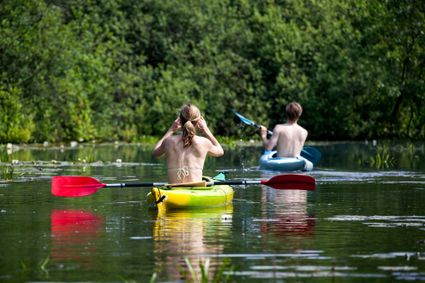
-
Aventoer
Aventoer