Location
129 to 160 of 264 results
-
it Dreamlân nature campsite
it Dreamlân nature campsite Kollumerpomp
-
Surhuisterveen (Surhústerfean)
Surhuisterveen (Surhústerfean) Surhuisterveen
-
Hotel It Posthûs
Hotel It Posthûs Burdaard
-
Visitor's Center 'Terp Hegebeintum'
Visitor's Center 'Terp Hegebeintum' Hegebeintum
-
It Wikelslân Nature Reserve at De Alde Feanen National Park
It Wikelslân Nature Reserve at De Alde Feanen National Park Earnewald
-
In De Wij
In De Wij Engwierum
-
VIJFHUIZEN AIRMAIL
VIJFHUIZEN AIRMAIL Hallum
-
Noarderleech Bunker and Training Base
Noarderleech Bunker and Training Base Hallum
-
Hotel Restaurant Princenhof
Hotel Restaurant Princenhof Earnewâld
-
Koffiebar Knus
Koffiebar Knus Dokkum
-
Regional Walkway Noardlike Fryske Wâlden
Regional Walkway Noardlike Fryske Wâlden Noordoost Friesland
-
BinnenInn 24-Person Group Stay
BinnenInn 24-Person Group Stay Metslawier
-
Schwarzenbergerbos Forest
Schwarzenbergerbos Forest Noardburgum
-
Beaches at Nieuwe Robbengat
Beaches at Nieuwe Robbengat Lauwersoog
-
Glamping Mearkas
Glamping Mearkas Eastermar
-
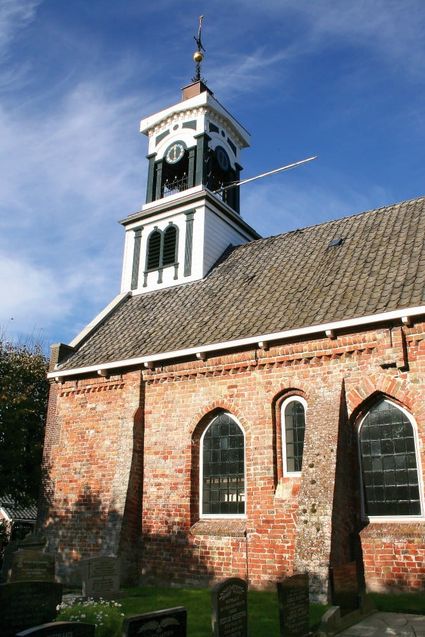
Reformed Church Gerkesklooster
Reformed Church Gerkesklooster Gerkesklooster
-
Dekema State
Dekema State Jelsum
-
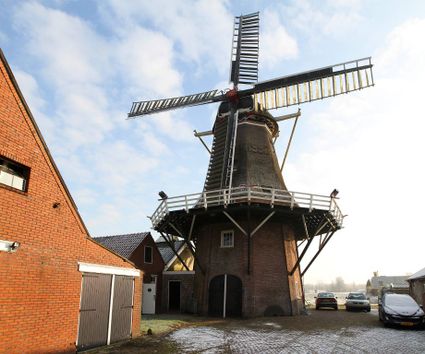
Ypeymolen
Ypeymolen Ryptsjerk
-
Opeindervaart Canal
Opeindervaart Canal Opeinde
-
The liberation of Leeuwarden
On 11 April 1945, it became clear that German resistance in the north of the Netherlands was limited. On 12 April, the Allies seized this opportunity to advance on Friesland as quickly as possible. One of the main goals was to liberate Leeuwarden. The 9th Canadian Infantry Brigade was designated for this purpose. But things would turn out differently.
On 12 April, the Royal Canadian Dragoons entered Friesland at Noordwolde. They were to conduct reconnaissance with their armoured vehicles and reach the Wadden Sea as quickly as possible. As a result, the German troops in Friesland and Groningen would be separated.
On the night of 14 to 15 April, three Squadrons of the Dragoons were at Suameer. Burgum could not be reached earlier that day, because the bridge at Burgummerdam had been blown up by the Germans.
Meanwhile, all sorts of things were happening in nearby Leeuwarden. On 12 April, the airfield had been blown up by the Germans. And they left the city on 14 April. Leeuwarden would not be defended. The Burgerweeshuis (Civil Orphanage) that had housed several German agencies was set on fire. An attempt to blow up the telephone exchange failed due to an ingenious intervention by the resistance. In the early morning of 15 April, the resistance also took to the streets en masse to occupy important points and to capture Germans who had remained behind.
The Dragoons in Suameer were in contact with the resistance in Leeuwarden. Due to various reports, it was unclear whether there was now heavy fighting in Leeuwarden or whether the Germans had left the city completely. Because the Germans had blown up important bridges on the route from Heerenveen to Leeuwarden, the infantry could not quickly provide assistance.
So, the Dragoons went to take a look for themselves. Initially, a patrol of four vehicles was sent via the Groningerstraatweg into the city around half past eleven. One of the Canadians in those vehicles recorded the following:
"As we entered the city, passing through the concrete barrier by the narrow passageway left for normal traffic, we were met by an almost hysterical patrol of Resistance men [...] In a few moments the news of our arrival had spread through the city, and we were given a fantastic welcome as we rolled slowly forward into the centre of town."A resident of Leeuwarden recalled:
"We lived close to the Groningerstraatweg, where our liberators passed. Many hundreds of us stood there, all happy spectators. All of a sudden, two ladies from the row flung themselves forward and threw their arms around the Canadians' necks, saying: "Oh darlings, you’re here at last!"After the patrol determined that the coast was clear, the entire C Squadron, a detachment of the Royal Canadian Engineers and Regimental Headquarters of Lieutenant-Colonel Landell followed. Leeuwarden had been liberated. After this, thousands took to the streets. One of the Canadians wrote:
"We halted, and were immediately surrounded by laughing, yelling mobs of people, bringing flowers to give to us, and cheering every move. The Resistance men were everywhere, doing their best to keep the people within bounds and off the cars, but their efforts were hardly necessary. I never saw a more satisfying gathering in my life."Leeuwarden had been liberated by the Dragoons through unexpected circumstances. On the night of 15 to 16 April, Canadian infantry moved into the city.
Leeuwarden
-
Kafee It wapen fân Fryslân
Kafee It wapen fân Fryslân Oentsjerk
-
Ka & Ko
Ka & Ko Oentsjerk
-
De Bolstienpleats
De Bolstienpleats Aalsum
-
Voedselbos de Iest
Voedselbos de Iest Sumar
-
Mill de Swarte Prinsch
Mill de Swarte Prinsch Tytsjerk
-
Statue of Tryntsje and her seven sons
Statue of Tryntsje and her seven sons Oentsjerk
-
Jan Durkspolder
Jan Durkspolder Oudega
-
De Naturij
De Naturij Drachten
-
Het Raadsel van de Wadden
Het Raadsel van de Wadden Anjum
-
Landal Waterpark De Alde Feanen
Landal Waterpark De Alde Feanen De Veenhoop
-
Drogehamstermieden Nature Reserve
Drogehamstermieden Nature Reserve Drogeham
-
City Brewery and Bonifatius754 Museum
City Brewery and Bonifatius754 Museum Dokkum