Location
33 to 64 of 415 results
-
De Kruisweg
De Kruisweg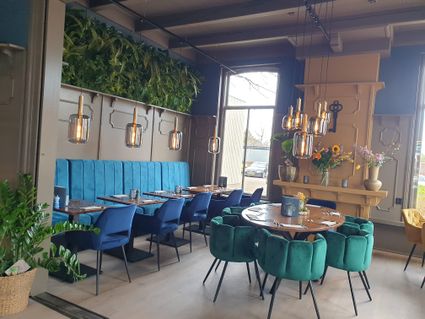
-
VVV Stavoren - Eleven Cities Stamp Point
VVV Stavoren - Eleven Cities Stamp Point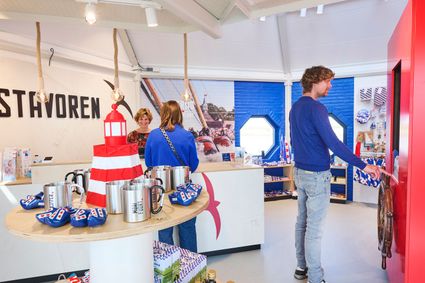
-
Wierum (Wierum)
Wierum (Wierum)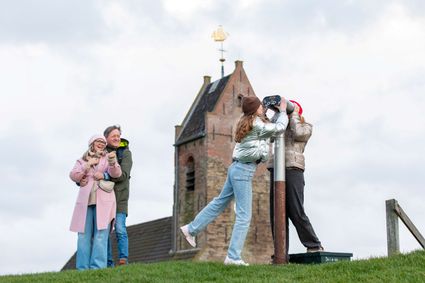
-
Mill 'De Gans'
Mill 'De Gans'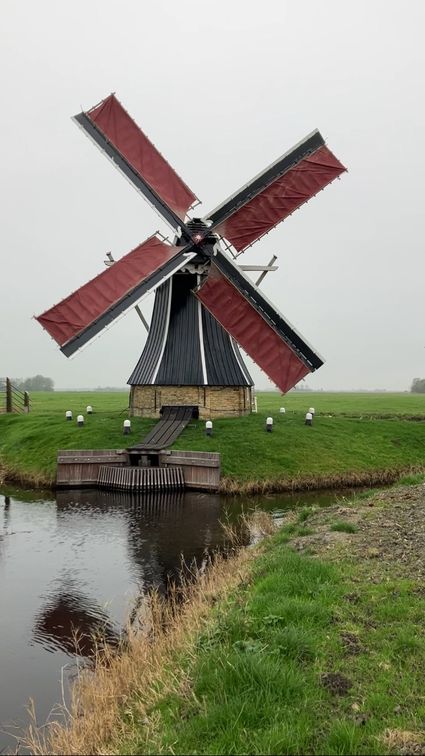
-
Opeindervaart Canal
Opeindervaart Canal
-
Grutte Pier Brewery
Grutte Pier Brewery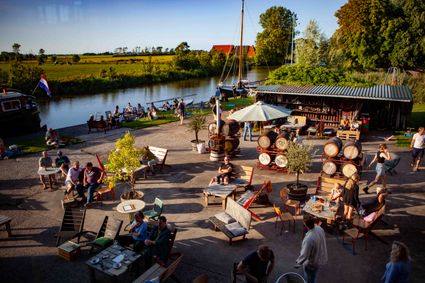
-
B&B Het Woudhuisje
B&B Het Woudhuisje
-
Veenwouden (Feanwâlden)
Veenwouden (Feanwâlden)
-
Sint Jacobiparochie (Sint-Jabik)
Sint Jacobiparochie (Sint-Jabik)
-
The Eleven Cities skater and Wall of Fame
The Eleven Cities skater and Wall of Fame
-
De Babbelaar Café in Burgum
De Babbelaar Café in Burgum
-
St. Catherine's Church Aalsum
St. Catherine's Church Aalsum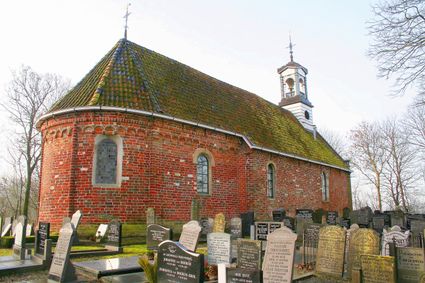
-
Museum 't Fiskershuske
Museum 't Fiskershuske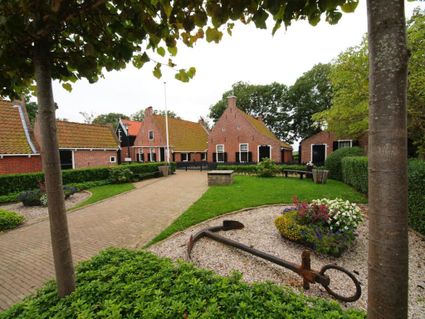
-
TOP Buitenpost
TOP Buitenpost
-
The Tea Factory
The Tea Factory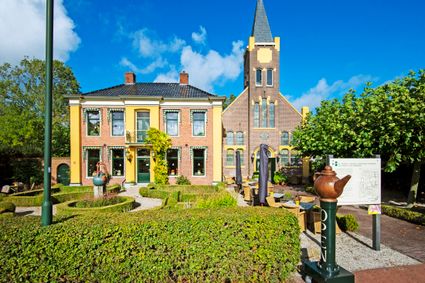
-
Viewpoint De Zoutkegel
Viewpoint De Zoutkegel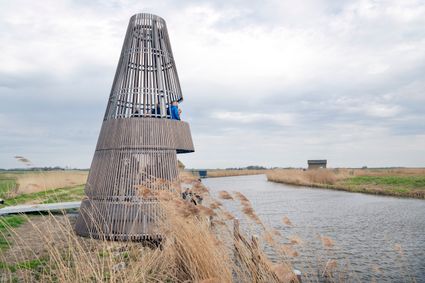
-
Buddhist Centre at Hantum
Buddhist Centre at Hantum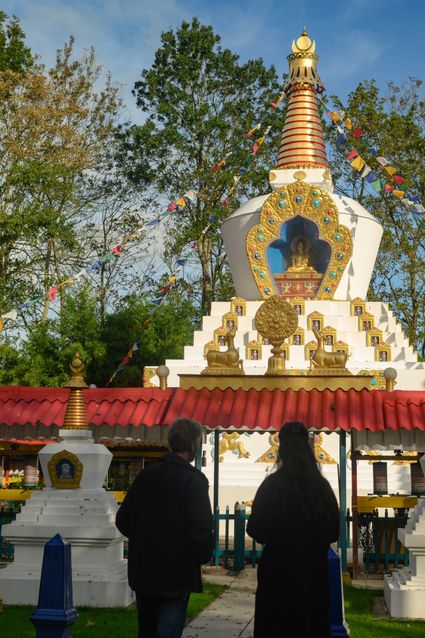
-
Zeilschip Middelsee
Zeilschip Middelsee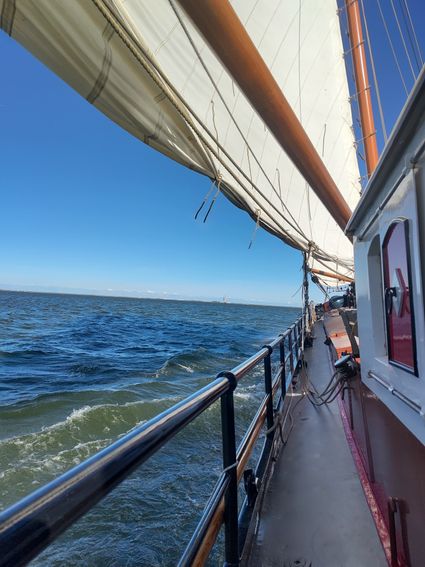
-
Stavoren (Starum)
Stavoren (Starum)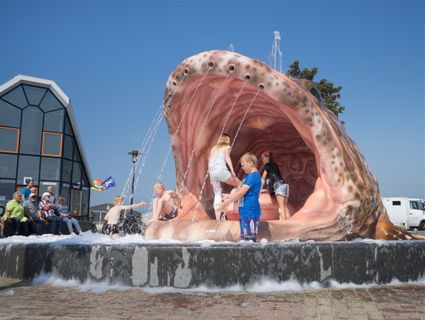
-
Skrins - Bird watching cabin
Skrins - Bird watching cabin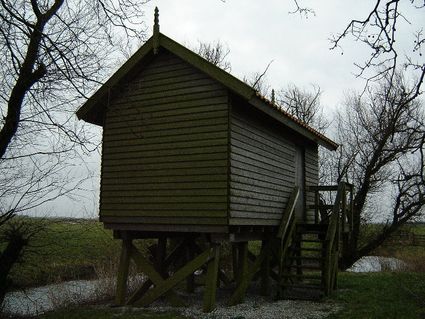
-
The Former Weigh House
The Former Weigh House
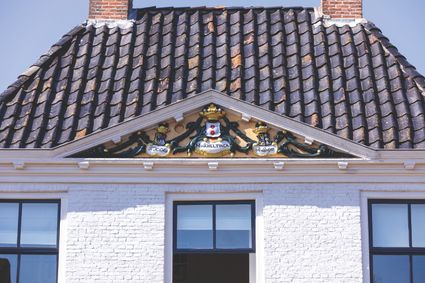
A look at old photographs reveals that the building looks even more attractive today than its predecessor. The people of Kollum have taken good care of this historic landmark. The weigh house was a public building where goods could be officially weighed. Its presence was particularly important for trade in butter and cheese.
A public weigh house in Kollum is first mentioned in the 16th century. That original building stood next to the Rechthuis (courthouse). In 1779, a new weigh house was built here on the Westerdiepswal, at the heart of the bustling waterfront. The wide entrance to the former weighing hall, where two weighing scales were once installed, can still be clearly recognised in the façade.
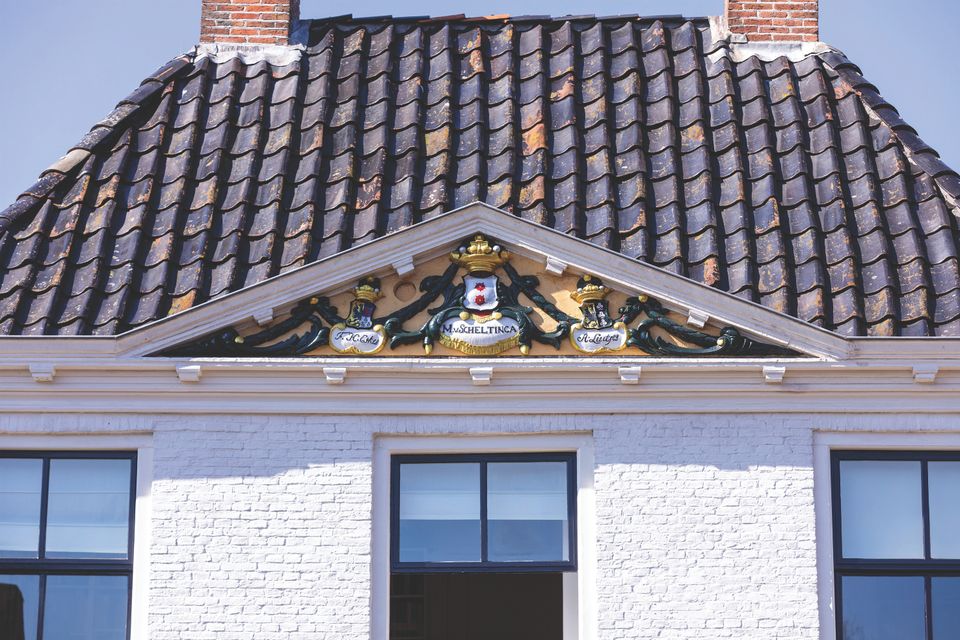
The pediment above the façade bears the coats of arms and names, added in 1779, of grietman (district magistrate) Martinus van Scheltinga, his deputy Focke Hijlckes Eskes, and Albert Luitjens, who served together with Eskes as church warden. The building was owned by the Dutch Reformed Church, which leased out the weigh house. In 1871 it was sold to a private owner, after which an official weighmaster appointed by the municipality supervised its operation. With the rise of the dairy industry in Friesland, the weigh house gradually lost its function. In 1895, the building was converted into a private residence.
-
-
Metslawier (Mitselwier)
Metslawier (Mitselwier)
-
TOP Burgum
TOP Burgum
-
Bed en Breakfast Marrum
Bed en Breakfast Marrum
Sustainability info
-
Café Restaurant de Posthoorn
Café Restaurant de Posthoorn
-
TOP Feanwâlden
TOP Feanwâlden
-
TIP Eastermar – tips from the people who live here
TIP Eastermar – tips from the people who live here
-
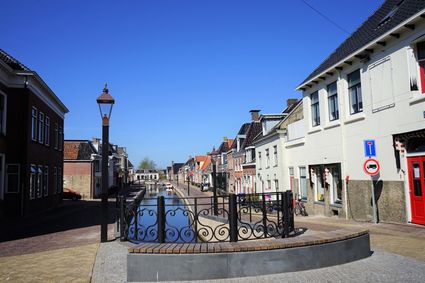
Oosterdiepswal and Westerdiepswal
Oosterdiepswal and Westerdiepswal
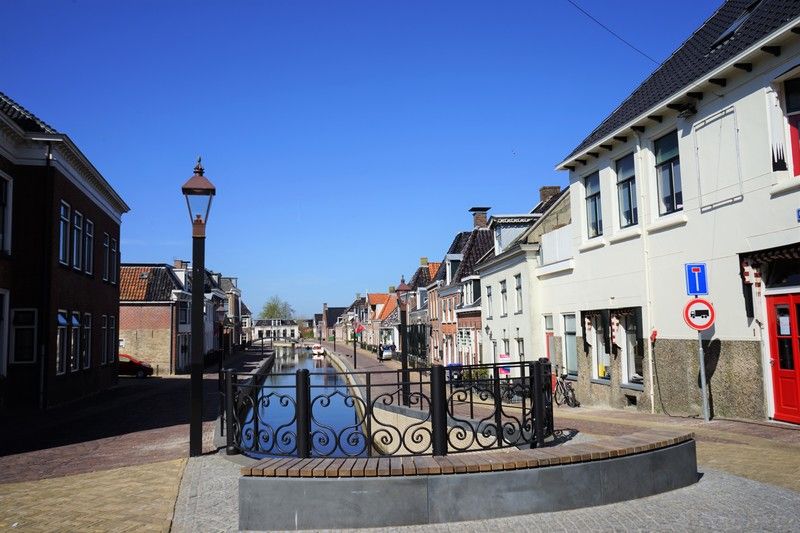
On both sides of the Sylster Ryd, in the oldest part of Kollum's historic centre, lie the Oosterdiepswal and Westerdiepswal.
These embankments, locally known simply as the Wallen, are already mentioned in the earliest historical records of Kollum. The Sylster Ryd connected here with the major waterways to the north and south of the village.
During the 16th and 17th centuries, Kollum was a thriving centre of trade and commerce. Its town centre played an important logistical role in regional trading activities. Development along the Wallen began after this waterway was excavated in the early 16th century. Businesses that depended on water transport for the delivery of raw materials and the shipment of goods established themselves here. Historical records mention pottery workshops, a brewery, a tannery and a shipyard. Several windmills also stood along the Wallen, although mills could be found elsewhere in the village as well. Today, the Wallen form part of Kollum's protected historic townscape.
-
-
De Leijen Beach
De Leijen Beach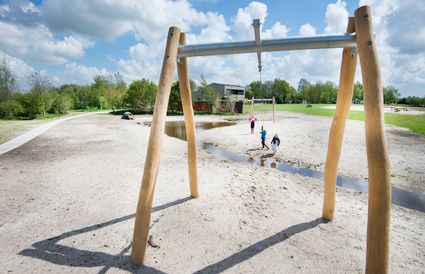
-
Kleine-Lijn Tea Garden
Kleine-Lijn Tea Garden
Sustainability info
-
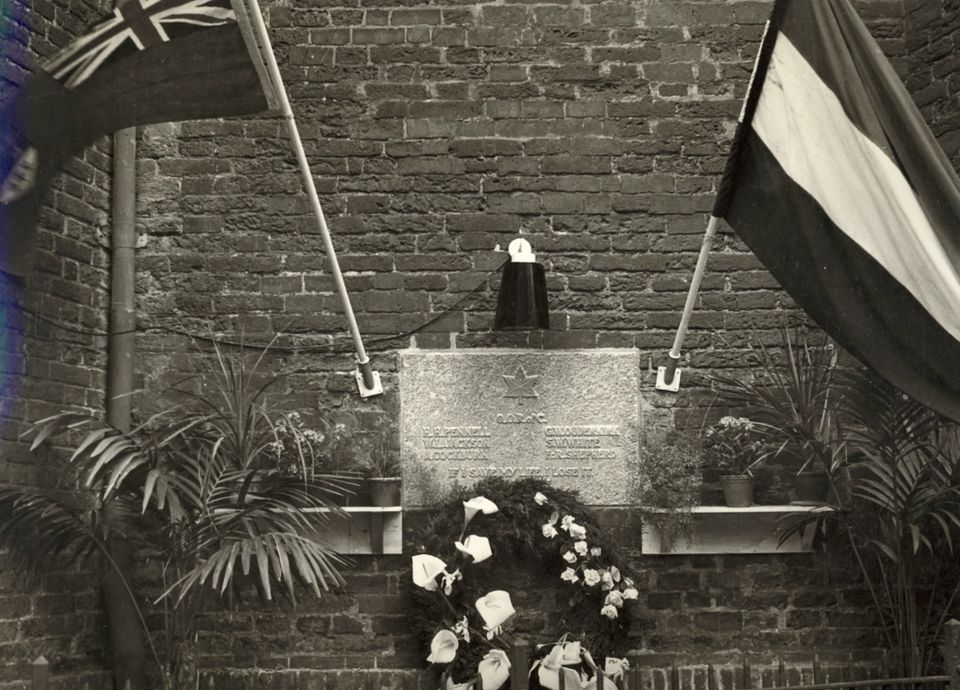
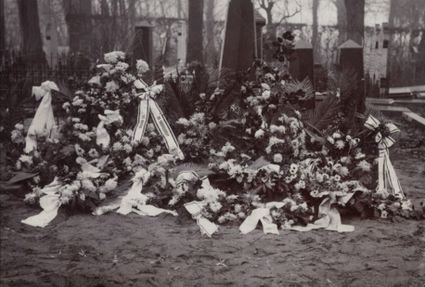
Memorial stone for Fallen Canadians
Memorial stone for Fallen Canadians
Sunday 15 April 1945, Friesland's official liberation day, was also the day Sneek welcomed the Canadian liberation forces. It had been an exciting day, and the Dutch Domestic Armed Forces (NBS) had fought quite a battle with the occupiers.
A day earlier, German troops had begun to withdraw from Sneek and the NBS had tried to hinder their retreat along the Leeuwarderweg as much as possible. Until a column of German parachute troops had entered the fray and forced the NBS to retreat.
The Waag building in the middle of the city centre was used as a weapons cache by the occupying forces during the war. To prevent it from falling into Allied hands, the fleeing troops set it on fire at around three o'clock on Sunday. Loud explosions and bangs resounded throughout the city for half an hour.
Once the enemy had left the city, the NBS operatives gathered at the HBS school for instructions and the distribution of weapons and armbands. They went into the city to round up traitors. Then, rumour had it that hundreds of German soldiers were on their way to Sneek from Lemmer. Immediately, fortifications were built at the Water gate.
Canadian units were alerted. They were now in possession of the latest defence plans for Sneek thanks to NBS intelligence and were advancing from Joure towards the town.
In the evening around half past seven, the first patrol of the Canadian infantry battalion Le régiment De La Chaudière rode into town with flame-throwers and machine guns. The German troops stayed away, and the full Canadian battalion followed.
Sneek was liberated, but freedom was not yet guaranteed as German troops tried to escape via the Afsluitdijk towards Friesland. The Canadian Regiment of the Queens Own Rifles moved through Sneek to the Afsluitdijk and fiercely fought at Wons. Six Canadian soldiers were killed. They were temporarily buried at Sneek General Cemetery. In 1946, they were reburied at the Canadian Field of Honour in Holten.
Canadian guests
While waiting to return to their homeland, hundreds of Canadian soldiers were lodged with families in Sneek for about five months. On 1 June, the Perth Regiment arrived in the town, which they temporarily renamed Stratford. They were involved in the liberation of Groningen. A committee was set up to entertain the soldiers with various activities. From dances to sailing competitions and special church services.Cordial ties developed between the liberators and the people of Sneek. And sometimes more than that. For Gordon C. Compton and Atty Bouma, one could even speak of "love at first sight". When the last soldiers return home at the end of November, Gordon decided to stay in the Netherlands. On 9 May 1946, he married Atty in Sneek. Not long after, Gordon and his "war bride" left for Canada.
Several monuments in the city recall the special bond with the Canadian military, which remains very close to this day.
-
-
Soestpolder Nature Reserve
Soestpolder Nature Reserve