Location
33 to 64 of 415 results
-
Outdoor Veldboom
Outdoor Veldboom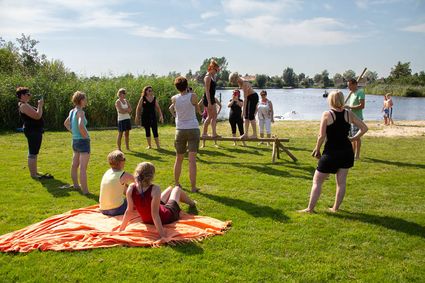
-
Rinsma State Country House and Estate
Rinsma State Country House and Estate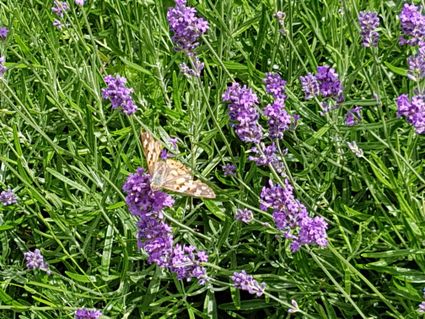
-
Eleven Cities Tour sculpture Aukje in Franeker
Eleven Cities Tour sculpture Aukje in Franeker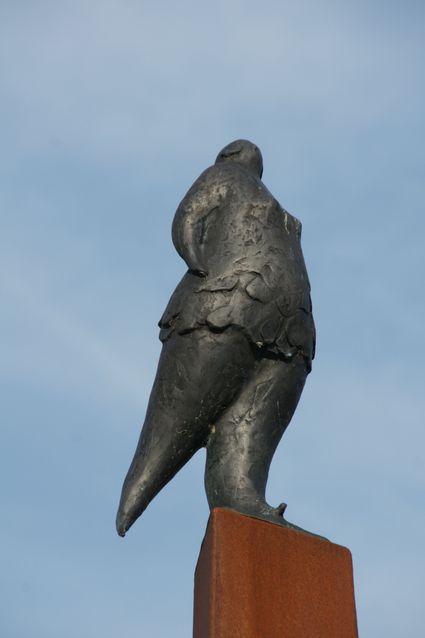
-
Clog museum
Clog museum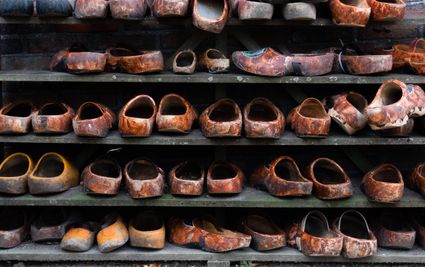
-
(WEC) World Heritage Centre Wadden Sea
(WEC) World Heritage Centre Wadden Sea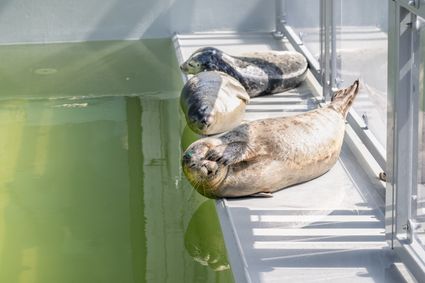
-
De Leiker
De Leiker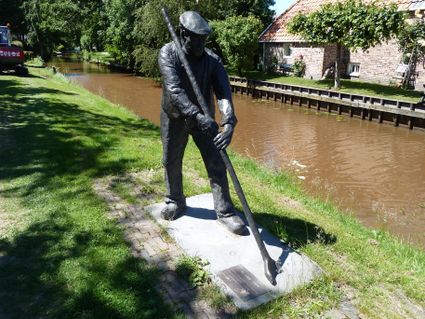
-
Jannum Church Museum
Jannum Church Museum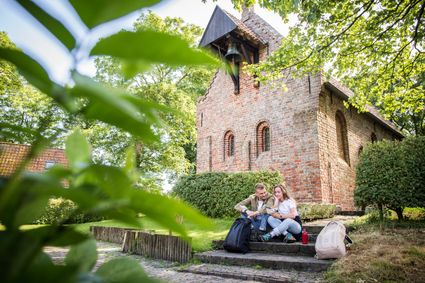
-
It Noarderleech - Noard Fryslan Butendyks
It Noarderleech - Noard Fryslan Butendyks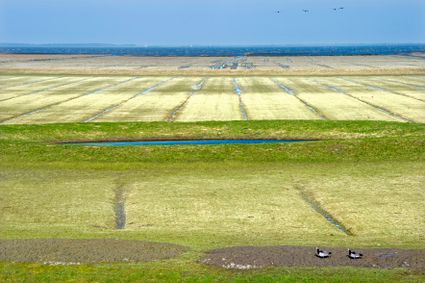
-
Tourist Information Kollum
Tourist Information Kollum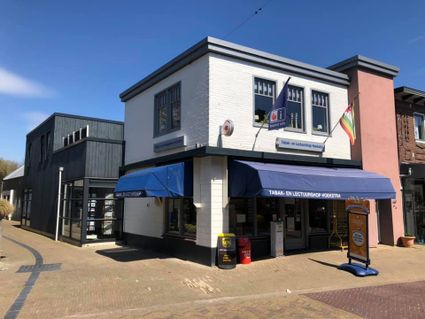
-
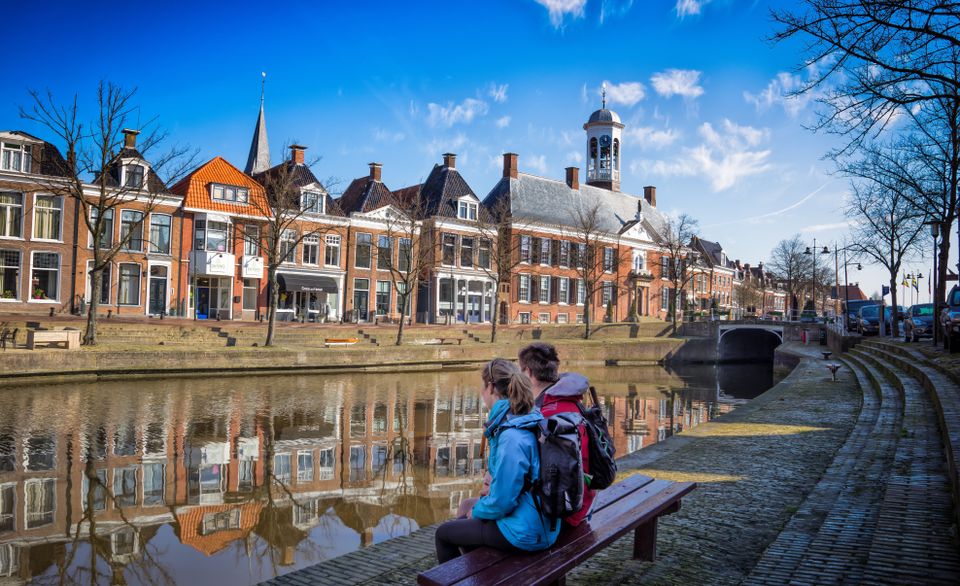
City Walk Dokkum
City Walk Dokkum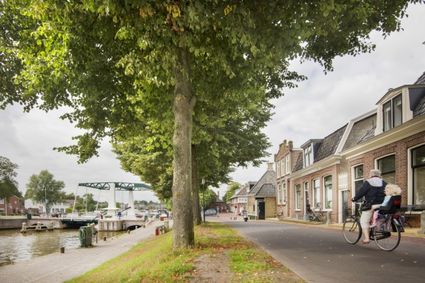
-
Terp fan de Takomst
Terp fan de Takomst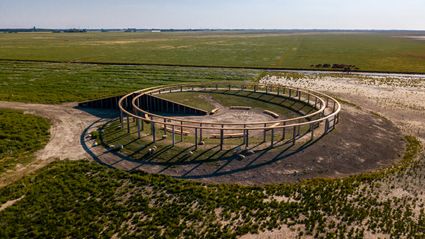
-
Eleven Cities Monument Tegeltjesbrug Gytsjerk
Eleven Cities Monument Tegeltjesbrug Gytsjerk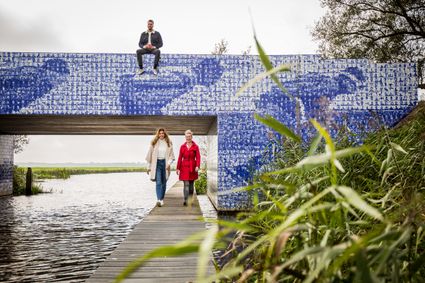
-
Kroesepaed Hiking Trail
Kroesepaed Hiking Trail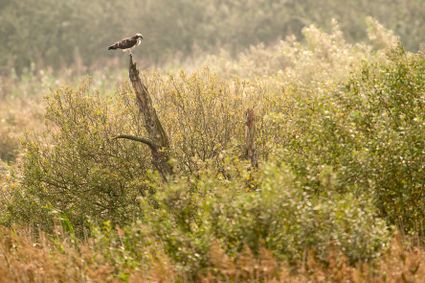
-
Drogehamstermieden Nature Reserve
Drogehamstermieden Nature Reserve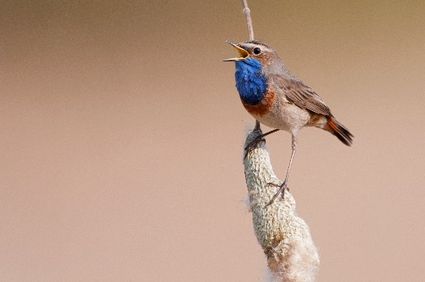
-
B&B Hippe Schuur
B&B Hippe Schuur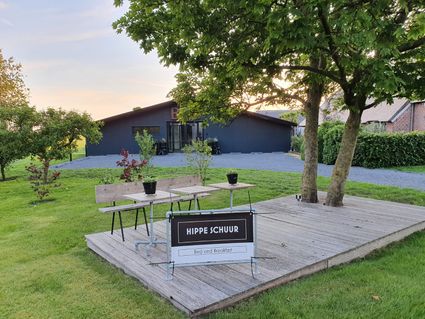
-
Hotel de Posthoorn
Hotel de Posthoorn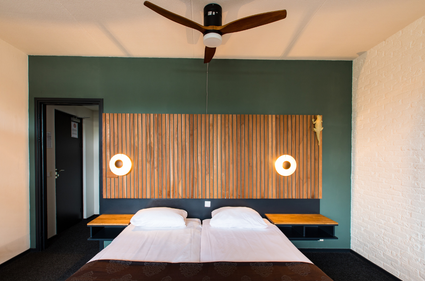
-
TIP Eastermar – tips from the people who live here
TIP Eastermar – tips from the people who live here
-
Hotel de ABDIJ Dokkum
Hotel de ABDIJ Dokkum
Sustainability info
-
Oudebildtdijk Dike
Oudebildtdijk Dike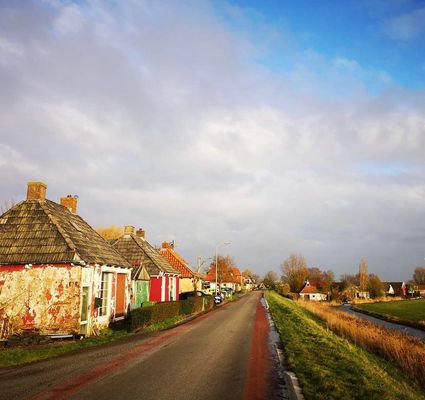
-
TOP Earnewâld
TOP Earnewâld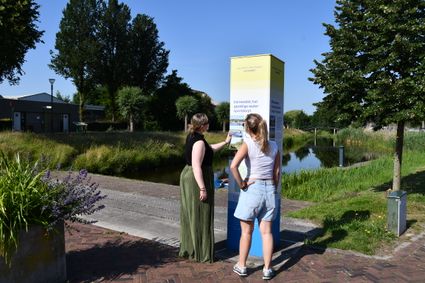
-
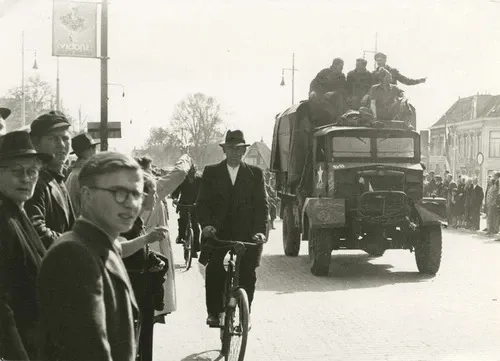
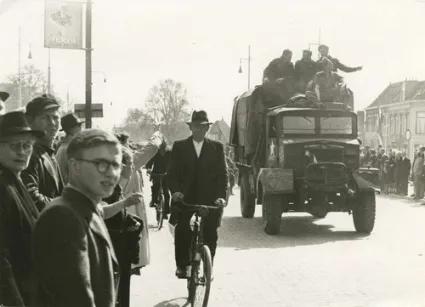
The liberation of Leeuwarden
The liberation of Leeuwarden
On 11 April 1945, it became clear that German resistance in the north of the Netherlands was limited. On 12 April, the Allies seized this opportunity to advance on Friesland as quickly as possible. One of the main goals was to liberate Leeuwarden. The 9th Canadian Infantry Brigade was designated for this purpose. But things would turn out differently.
On 12 April, the Royal Canadian Dragoons entered Friesland at Noordwolde. They were to conduct reconnaissance with their armoured vehicles and reach the Wadden Sea as quickly as possible. As a result, the German troops in Friesland and Groningen would be separated.
On the night of 14 to 15 April, three Squadrons of the Dragoons were at Suameer. Burgum could not be reached earlier that day, because the bridge at Burgummerdam had been blown up by the Germans.
Meanwhile, all sorts of things were happening in nearby Leeuwarden. On 12 April, the airfield had been blown up by the Germans. And they left the city on 14 April. Leeuwarden would not be defended. The Burgerweeshuis (Civil Orphanage) that had housed several German agencies was set on fire. An attempt to blow up the telephone exchange failed due to an ingenious intervention by the resistance. In the early morning of 15 April, the resistance also took to the streets en masse to occupy important points and to capture Germans who had remained behind.
The Dragoons in Suameer were in contact with the resistance in Leeuwarden. Due to various reports, it was unclear whether there was now heavy fighting in Leeuwarden or whether the Germans had left the city completely. Because the Germans had blown up important bridges on the route from Heerenveen to Leeuwarden, the infantry could not quickly provide assistance.
So, the Dragoons went to take a look for themselves. Initially, a patrol of four vehicles was sent via the Groningerstraatweg into the city around half past eleven. One of the Canadians in those vehicles recorded the following:
"As we entered the city, passing through the concrete barrier by the narrow passageway left for normal traffic, we were met by an almost hysterical patrol of Resistance men [...] In a few moments the news of our arrival had spread through the city, and we were given a fantastic welcome as we rolled slowly forward into the centre of town."A resident of Leeuwarden recalled:
"We lived close to the Groningerstraatweg, where our liberators passed. Many hundreds of us stood there, all happy spectators. All of a sudden, two ladies from the row flung themselves forward and threw their arms around the Canadians' necks, saying: "Oh darlings, you’re here at last!"After the patrol determined that the coast was clear, the entire C Squadron, a detachment of the Royal Canadian Engineers and Regimental Headquarters of Lieutenant-Colonel Landell followed. Leeuwarden had been liberated. After this, thousands took to the streets. One of the Canadians wrote:
"We halted, and were immediately surrounded by laughing, yelling mobs of people, bringing flowers to give to us, and cheering every move. The Resistance men were everywhere, doing their best to keep the people within bounds and off the cars, but their efforts were hardly necessary. I never saw a more satisfying gathering in my life."Leeuwarden had been liberated by the Dragoons through unexpected circumstances. On the night of 15 to 16 April, Canadian infantry moved into the city.
-
-
Restaurant de Zwarte Haan
Restaurant de Zwarte Haan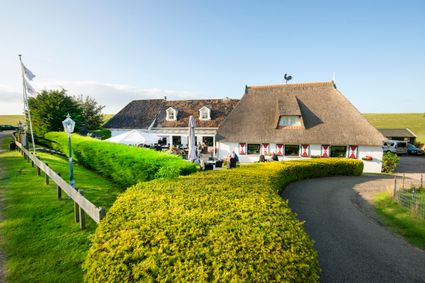
-
TOP Buitenpost
TOP Buitenpost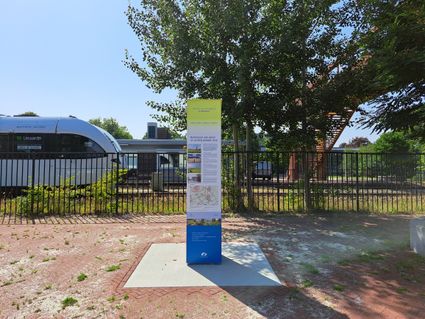
-
Gast op stal
Gast op stal
-
Greenjoy Earnewâld
Greenjoy Earnewâld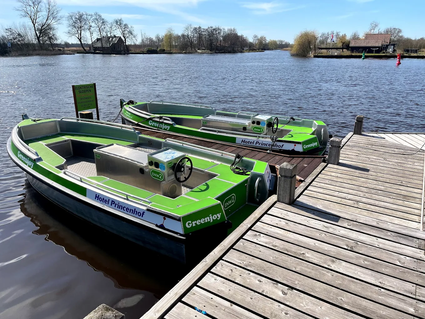
-
Boutique Hotel 'Herberg Het Rechthuis'
Boutique Hotel 'Herberg Het Rechthuis'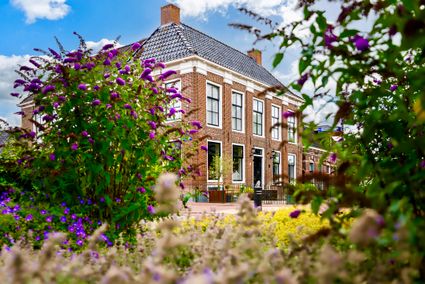
-
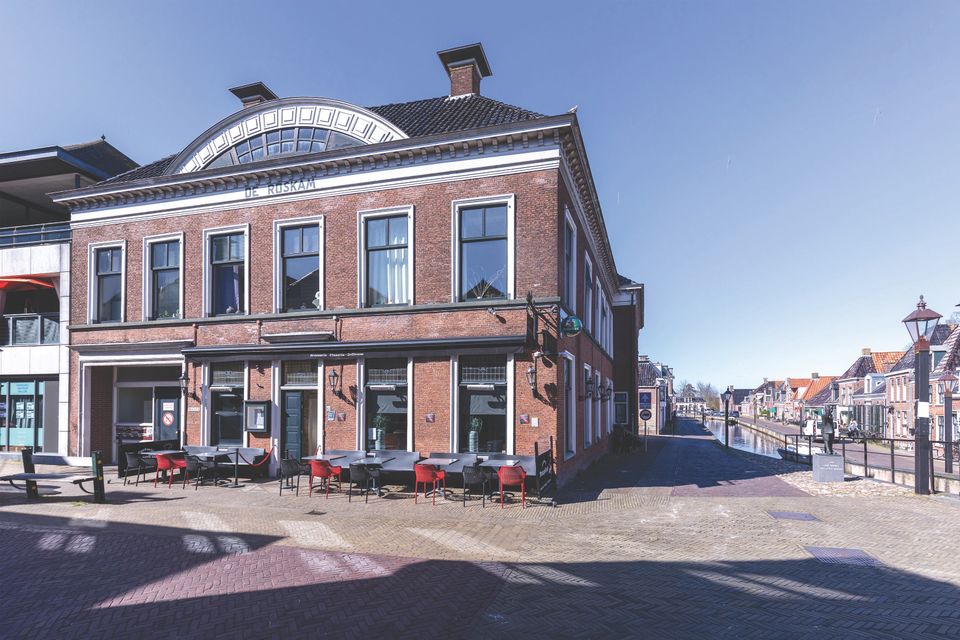
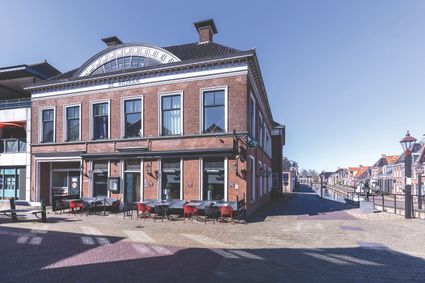
De Roskam
De Roskam
There was a time when Kollum boasted no fewer than sixteen establishments, ranging from pubs and cafés to inns and lodging houses. De Roskam has always been one of them.
Those who remember Kollum in the last century may still picture the signboard of landlord Bonne Hof: a stout little man in swimming trunks with bright red cheeks. According to local tradition, Bonne Hof gathered the sweet flag plants used in his own homemade Kalmus Berenburg from the nearby Alde Swimmer. During the 1950s, Kollum Berenburg was a popular local drink. Another story concerns his father, Sietse Jan, whose croquettes were said to be so delicious that people travelled all the way from Groningen and Leeuwarden to taste them.
Many more colourful stories surround De Roskam. During a German raid in the Second World War, the notary Wassenberg is said to have hidden in the attic, only to crash through the ceiling while still sitting on his chair. Another tale dates from 1952, when the chauffeur of the King's Commissioner, Linthorst Homan, misplaced his cap after spending the night at De Roskam. At first, it was considered a major scandal, and the cap was thought to have been stolen. The commissioner left Kollum in great anger. In the end, however, the cap was simply found and carefully returned by courier by the people of Kollum.
-
-
Eleven Cities Tour sculpture Aukje in Bolsward
Eleven Cities Tour sculpture Aukje in Bolsward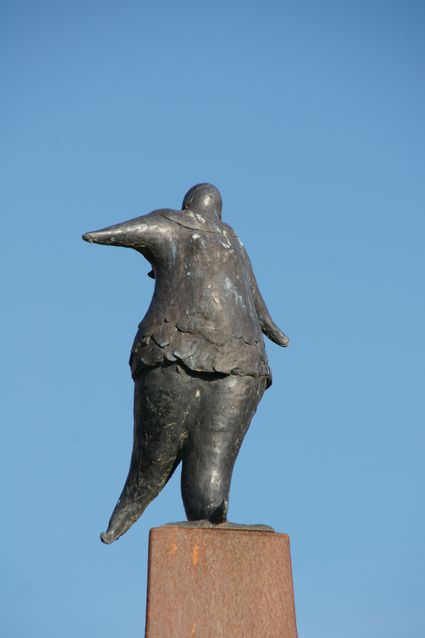
-
Soestpolder Nature Reserve
Soestpolder Nature Reserve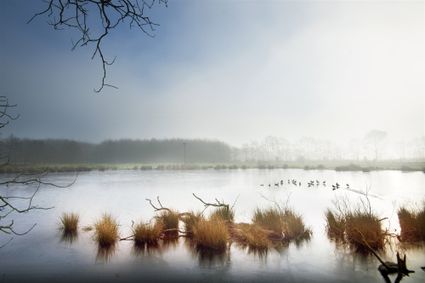
-
Camping de Veldboom
Camping de Veldboom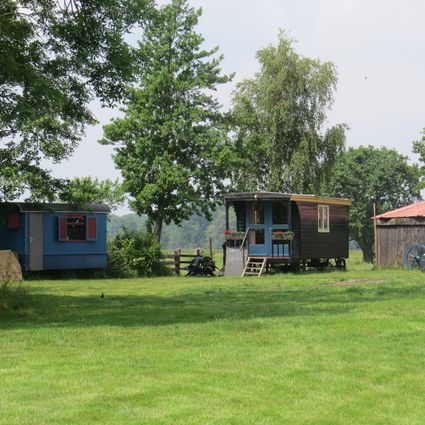
-
Doarpstsjerke Jistrum
Doarpstsjerke Jistrum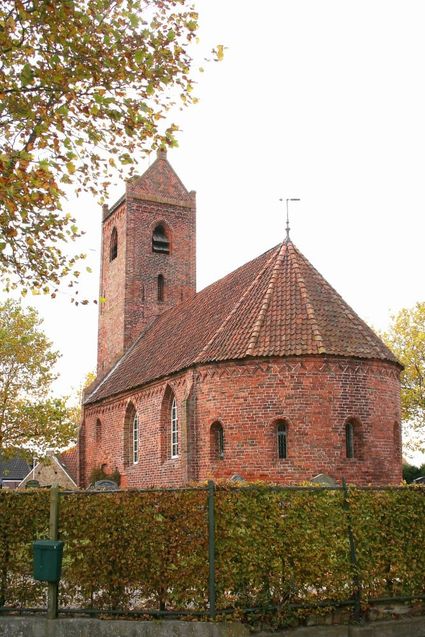
-
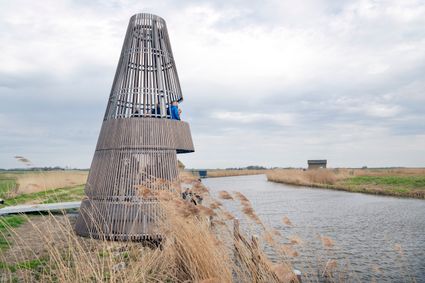
Viewpoint De Zoutkegel
Viewpoint De Zoutkegel