Location
225 to 256 of 415 results
-
it Dreamlân holiday home
it Dreamlân holiday home
-
Statue of Tryntsje and her seven sons
Statue of Tryntsje and her seven sons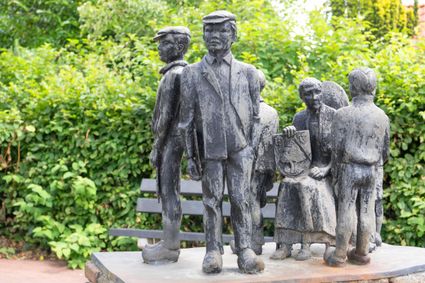
-
De 4 Elementen
De 4 Elementen
-
De Waard van Napels
De Waard van Napels
-
Opende Blotevoetenpad Barefoot Trail
Opende Blotevoetenpad Barefoot Trail
-
De Leijen Beach
De Leijen Beach
-
The lock at Iezumasyl
The lock at Iezumasyl
-
Natuurlijk Kollumeroord Groepsaccommodatie De Vlinderbalg
Natuurlijk Kollumeroord Groepsaccommodatie De Vlinderbalg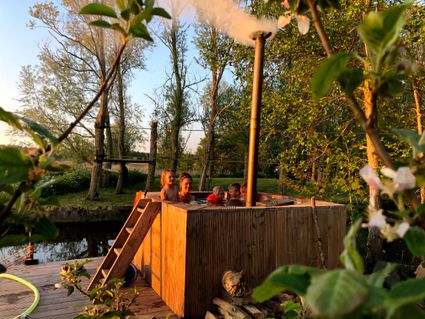
-
Boutique Hotel 'Herberg Het Rechthuis'
Boutique Hotel 'Herberg Het Rechthuis'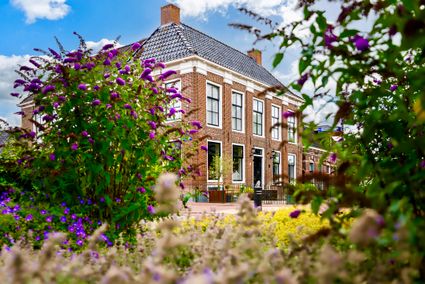
-
Logement Nij Bonga
Logement Nij Bonga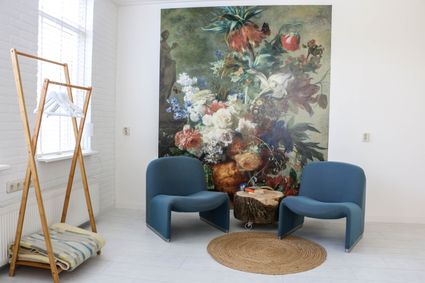
-
EAstay apartment 1
EAstay apartment 1
-
Café-Restaurant ’t Raedhûs
Café-Restaurant ’t Raedhûs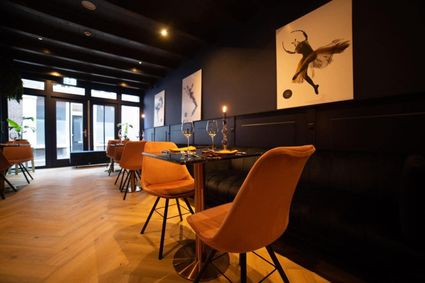
-
Eleven Cities Tour sculpture Aukje in Bolsward
Eleven Cities Tour sculpture Aukje in Bolsward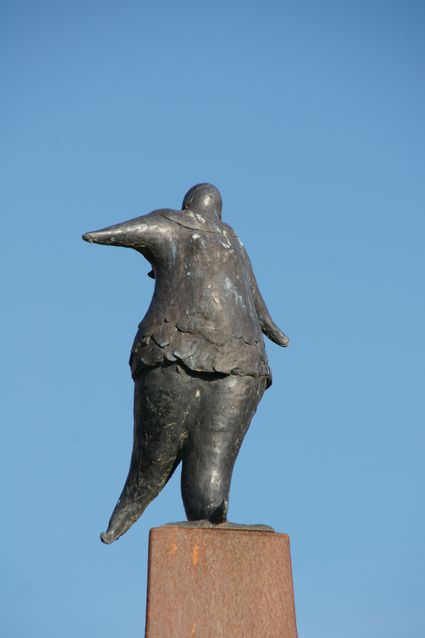
-
St. Nicholas Church Eastrum (Oostrum)
St. Nicholas Church Eastrum (Oostrum)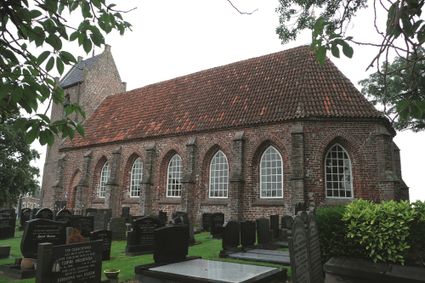
-
TOP Oostmahorn
TOP Oostmahorn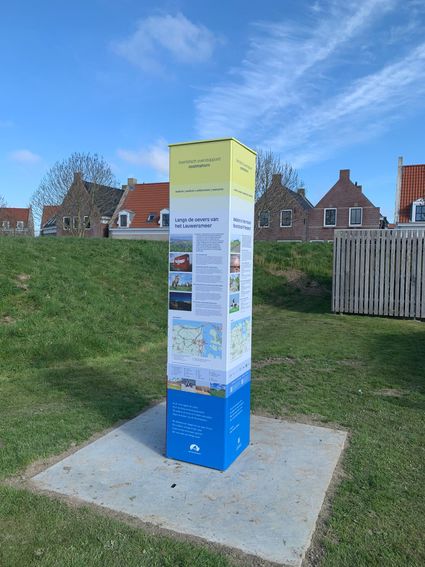
-
Viewpoint De Zoutkegel
Viewpoint De Zoutkegel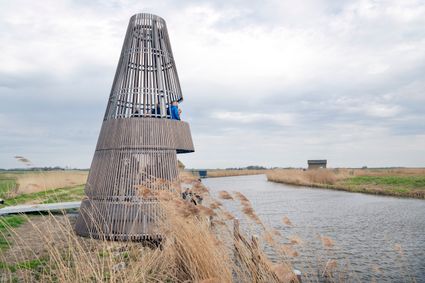
-
The Fisherman’s Wife Monument in Moddergat
The Fisherman’s Wife Monument in Moddergat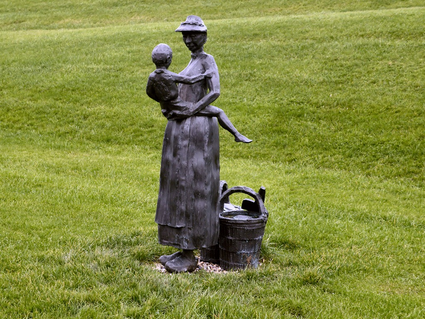
-
the guesthouse
the guesthouse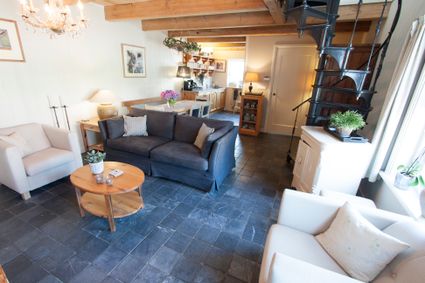
-
Pilgrim-Hikers cabin
Pilgrim-Hikers cabin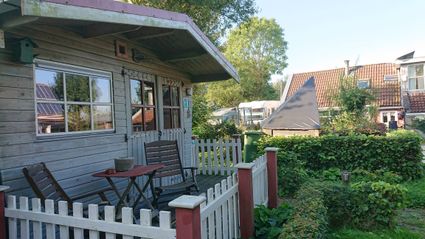
-
Bungalowpark It Wiid
Bungalowpark It Wiid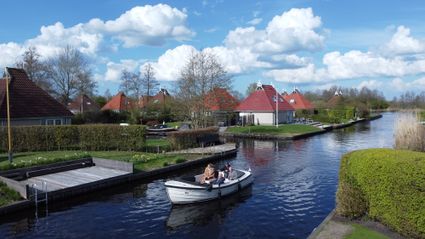
-
Pettebosk Forest Playground
Pettebosk Forest Playground
-
Hotel de Posthoorn
Hotel de Posthoorn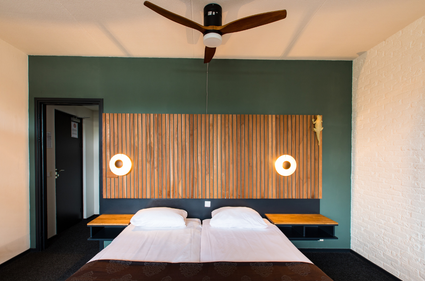
-
Klein Zwitserland Lakeside Beach
Klein Zwitserland Lakeside Beach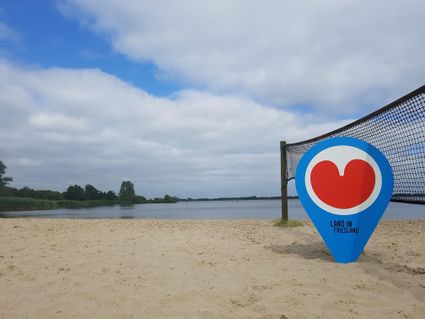
-
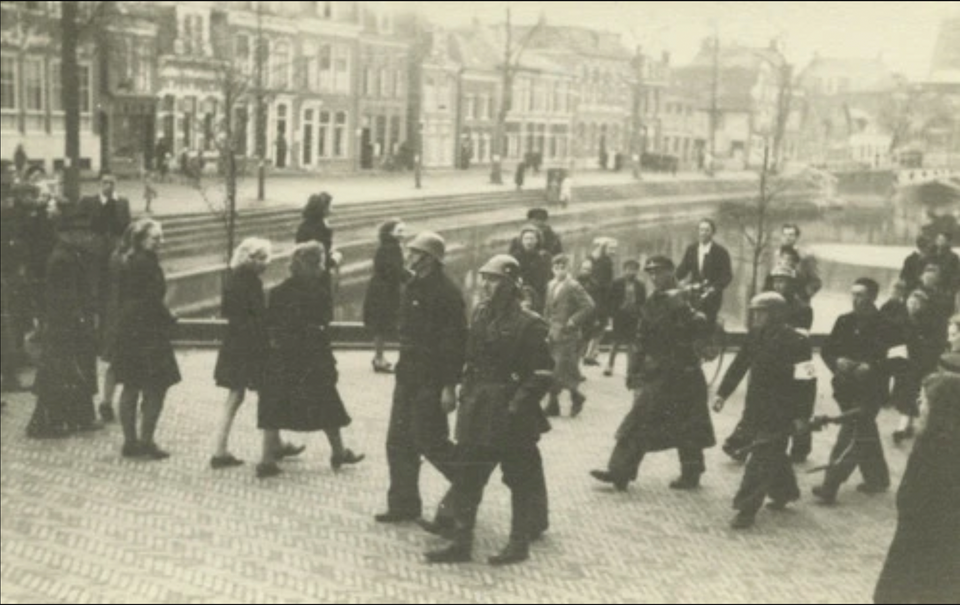
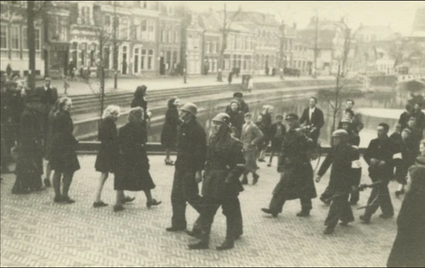
The liberation of Friesland 1
The liberation of Friesland 1
In early April, it became clear that the liberation of Friesland was imminent. Although the province had not suffered a real Hunger Winter like other parts of the Netherlands, there were severe shortages of just about everything. And the terror of the occupying forces was growing. This also led to increased resistance against the occupying forces. The battle between the two was tougher than ever in early 1945.
In Friesland, assault groups known as Knokploegen (KP) were responsible for most acts of resistance. But there were other groups too. On the orders of the Dutch government in London, all these groups were merged into the Dutch Domestic Armed Forces (NBS). In Friesland, this happened on 12 December 1944.
The NBS, popularly referred to as the BS, gave the armed resistance an organisation with a clear structure. The NBS was also supposed to play a role in the upcoming liberation. To this end, resistance groups were provided with weapons from autumn 1944. These were dropped from the air.
On 8 April, Radio Orange broadcast the message "The bottle is empty." This was the signal for the NBS to start carrying out sabotage operations 36 hours later. The aim was to make it as difficult as possible for the Germans to defend themselves against the approaching Allied forces.
The resistance did this by putting bridges and railways out of order, blocking waterways and blocking roads. The response of the occupying forces was ruthless. In retaliation, dozens more prisoners were shot at different times and places.Once the Canadians entered Friesland on 12 April, they were supported extremely effectively by the Frisian resistance. Because it was superbly organised, they were able to help the Canadians take control of important bridges, repair damaged bridges, and advise on the most favourable route.
By 18 April, the whole province was liberated except for the Wadden Islands (these were liberated in late May and in June). Compared to other provinces, there was little fighting in Friesland. Overall, the few thousand German troops who had been unable to flee Friesland were defeated by the Canadians relatively quickly.
The commander of the Royal Canadian Dragoons, Lieutenant Colonel Landell, praised the actions of the resistance by stating "Friesland liberated herself." While that may be a bit of an exaggeration, the actions of the Frisian resistance undoubtedly accelerated the liberation. And reduced the number of casualties on the Allied side.
In confrontations with German troops and their Dutch accomplices, at least 31 resistance fighters lost their lives. On the Allied side, at least eleven Canadians and one Frenchman were killed. The fighting and shelling also resulted in dozens of civilian casualties. The number of casualties on the German side is not known, but probably ran into the hundreds. With 320 houses destroyed and 4,000 damaged and 80 bridges destroyed, Friesland was materially the least damaged province in the Netherlands.
-
-
Bike Rental De Schreiershoek Dokkum
Bike Rental De Schreiershoek Dokkum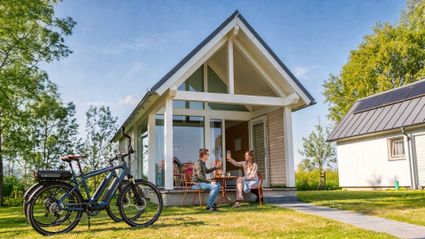
New
Dokkum / Oostrum -
TOP Buitenpost
TOP Buitenpost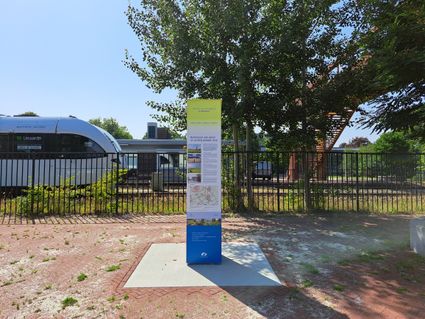
-
Village church Mitselwier
Village church Mitselwier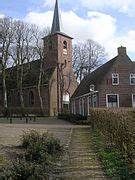
-
Earnewâld
Earnewâld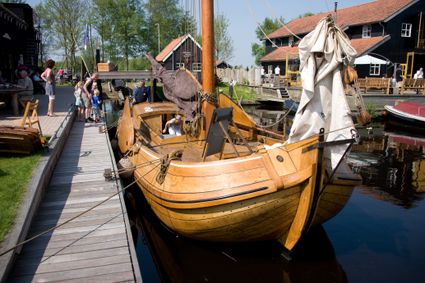
-
Eastermar Bathing and Play Area
Eastermar Bathing and Play Area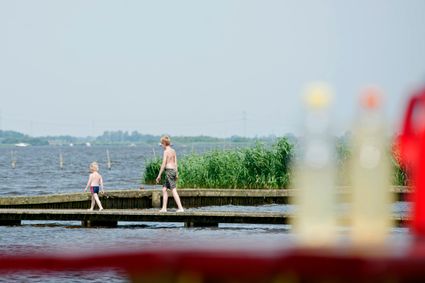
-
Kollum (Kollum)
Kollum (Kollum)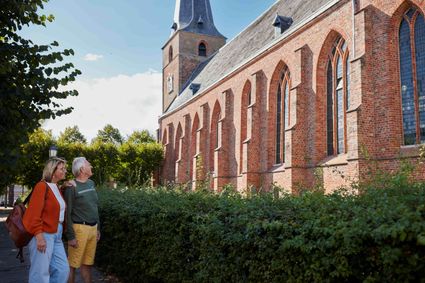
-
St. Catherine's Church Aalsum
St. Catherine's Church Aalsum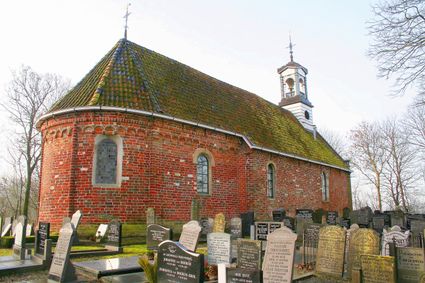
-
Marina Gytsjerk
Marina Gytsjerk