Location
65 to 96 of 387 results
-
The Spitkeet
The Spitkeet
-
Waddensea fishtours and Workshops 't Ailand
Waddensea fishtours and Workshops 't Ailand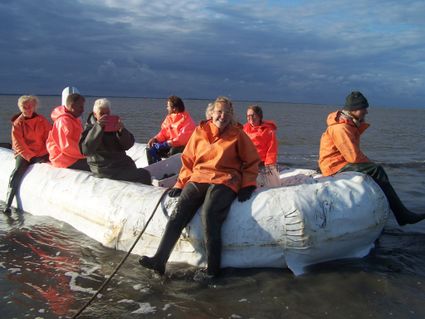

-
De Leiker
De Leiker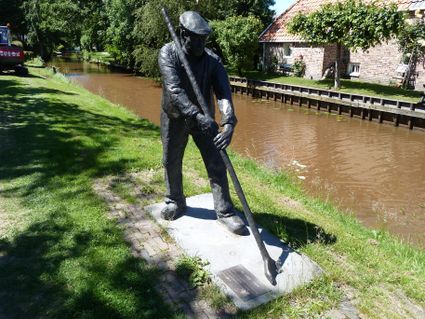
-
De Ferbining
De Ferbining
-
Brasserie Om de dobben
Brasserie Om de dobben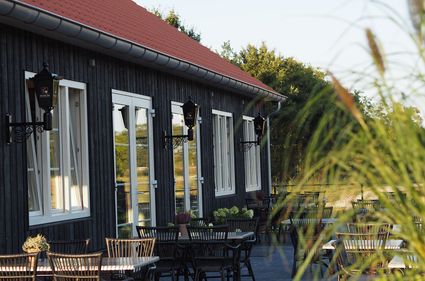
-
National Park 'De Alde Feanen'
National Park 'De Alde Feanen'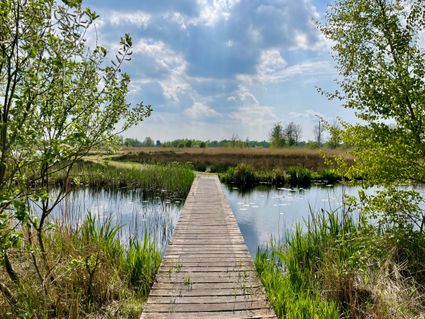
-
St. Nicholas Church Blije
St. Nicholas Church Blije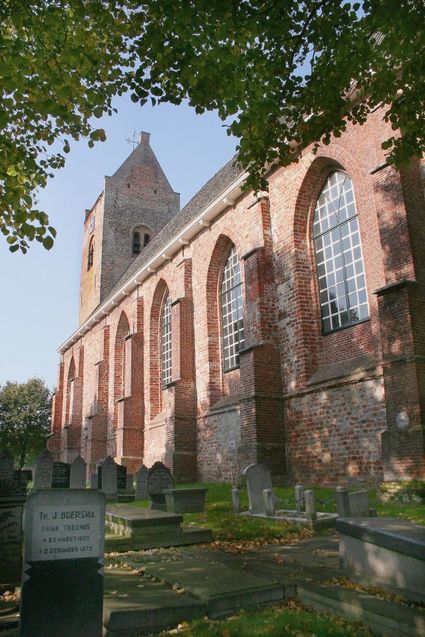
-
Workum (Warkum)
Workum (Warkum)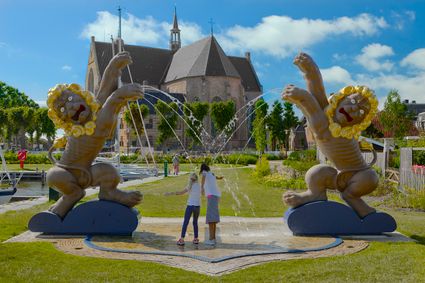
-
Restaurant Ode
Restaurant Ode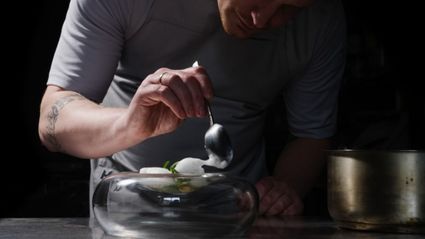
-
Klein Zwitserland Lakeside Beach
Klein Zwitserland Lakeside Beach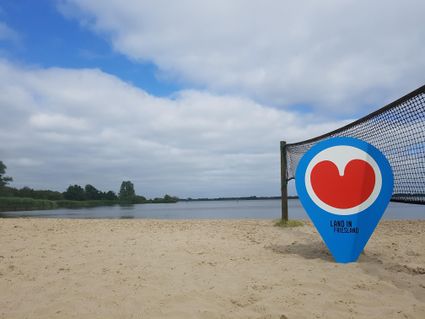
-
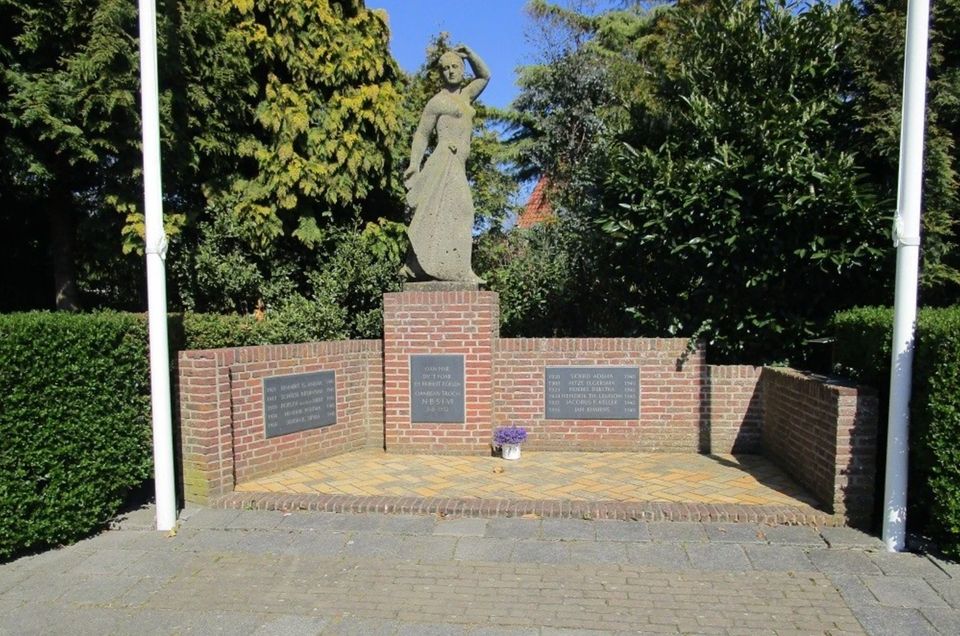
Makkum War Memorial
Makkum War Memorial
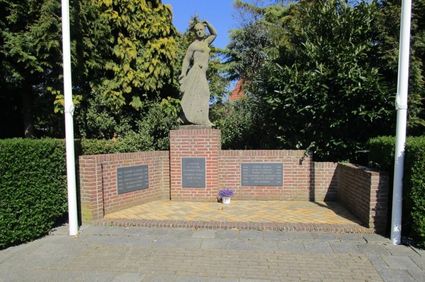
By 16 April, the major part of Friesland had been liberated. But some important targets of the Canadians had not yet been achieved. They wanted to win the Frisian ports and the Head of the Afsluitdijk from the Germans as quickly as possible. But they would be hard fought. Both the ports and the Afsluitdijk were used by German soldiers to escape to North Holland.
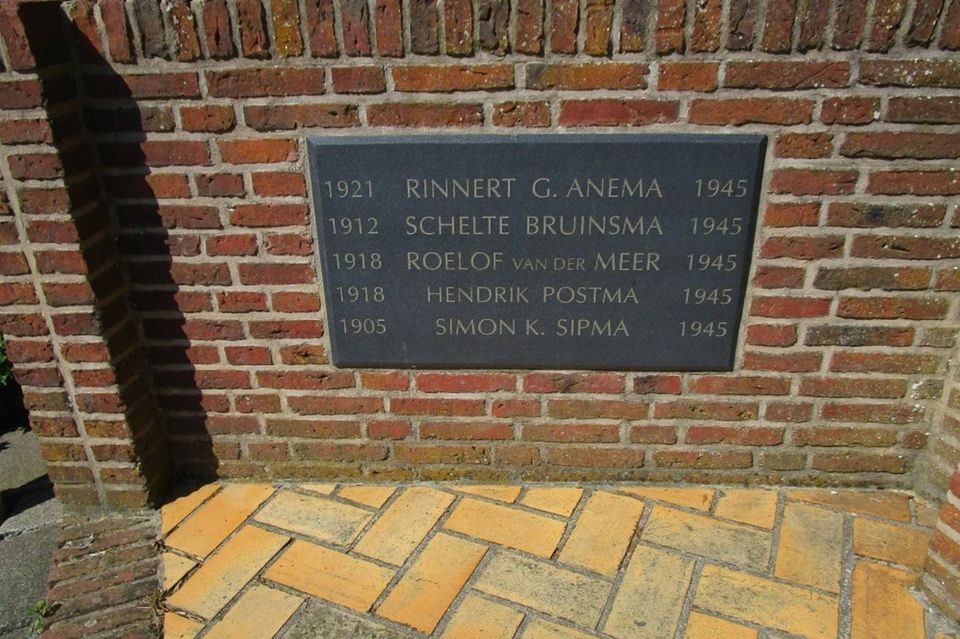
As elsewhere in Friesland, the Canadians were helped by resistance fighters from the Dutch Domestic Armed Forces (N.B.S.) They suffered several casualties near Makkum. On 16 April, Schelte Bruinsma and Simon Sipma were killed in an attack on a farm in which the Germans had entrenched themselves. The next day, another group tried to occupy a bridge under Makkum. However, the Germans caught sight of them and in the ensuing gunfight, Rinnert Anema, Roelof van der Meer and Hendrik Postma were killed. Makkum was liberated on 18 April, as one of the last villages in Friesland.
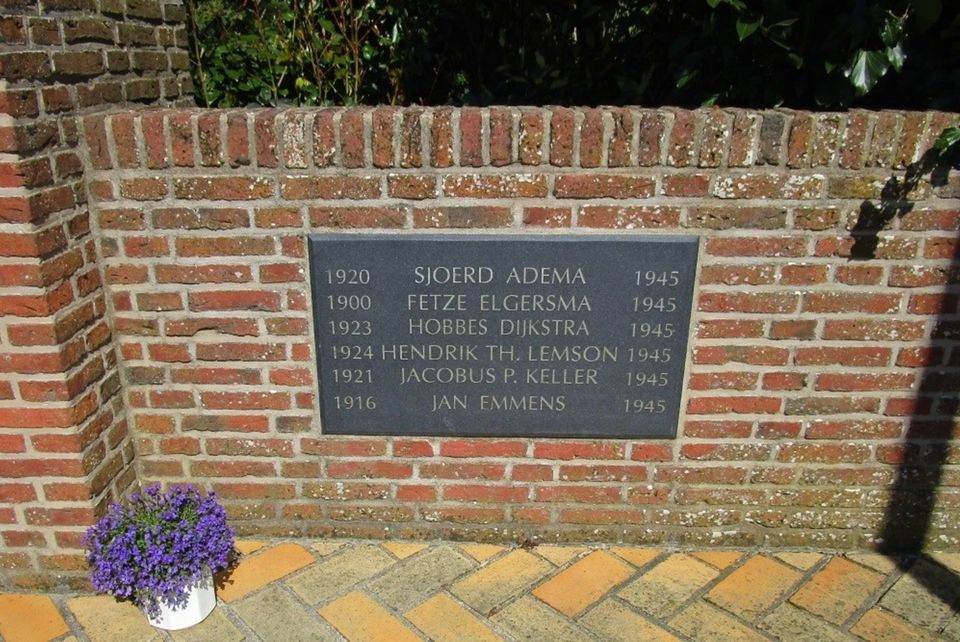
The monument at the Buren in Makkum was unveiled in 1952 in commemoration of the members of the Dutch Domestic Armed Forces who were killed around the village during the struggle for liberation.
-
-
B&B The Wee White Hoose
B&B The Wee White Hoose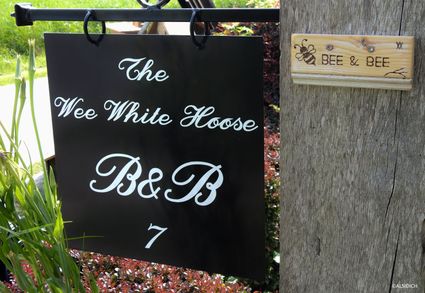
-
Bij De Pastorie Boutique Hotel
Bij De Pastorie Boutique Hotel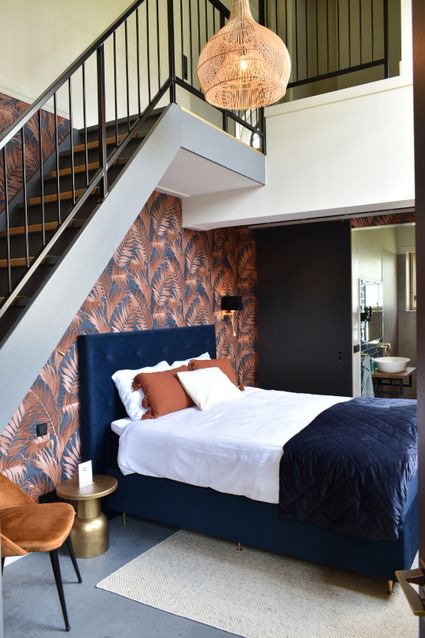
-
Fries Landbouwmuseum (Frisian Agricultural Museum)
Fries Landbouwmuseum (Frisian Agricultural Museum)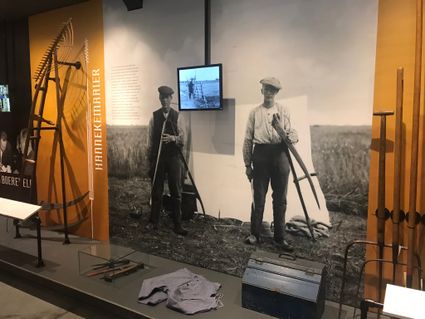
-
Eleven Cities Tour sculpture De Reedrydster
Eleven Cities Tour sculpture De Reedrydster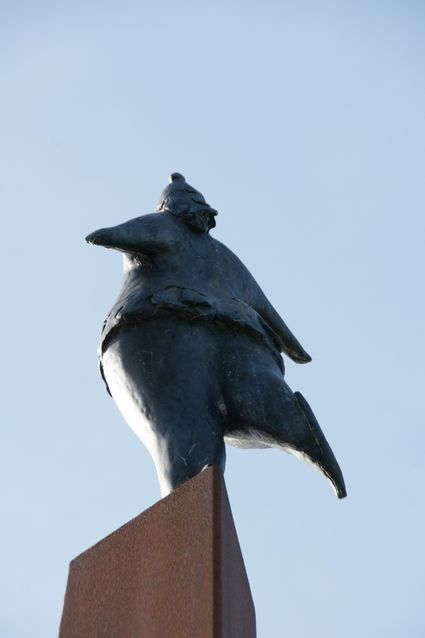
-
Wadlopen Friese Wad - mudflat hiking
Wadlopen Friese Wad - mudflat hiking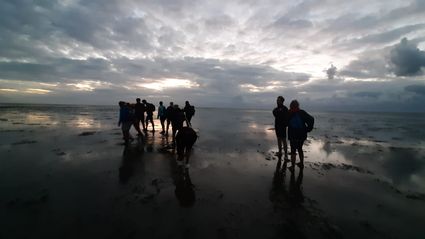
-
Church of Ryptsjerk
Church of Ryptsjerk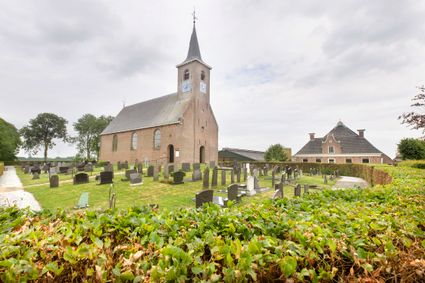
-
Pioneer of the Eleven Cities Tour, Pim Mulier
Pioneer of the Eleven Cities Tour, Pim Mulier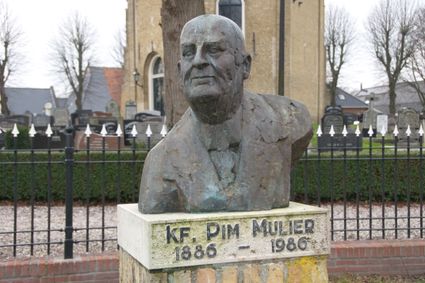
-
Camping de Veldboom
Camping de Veldboom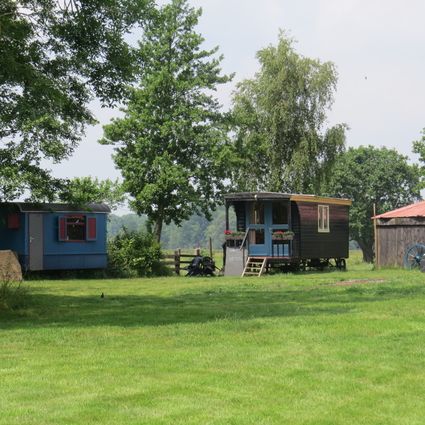
-
BinnenInn 12-Person House
BinnenInn 12-Person House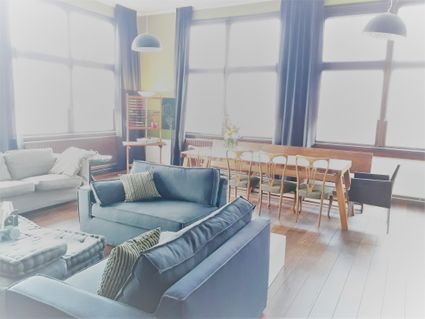
-
Regional Walkway Noardlike Fryske Wâlden
Regional Walkway Noardlike Fryske Wâlden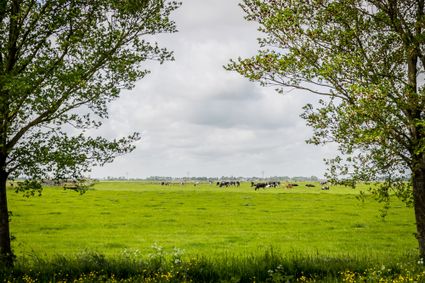
-
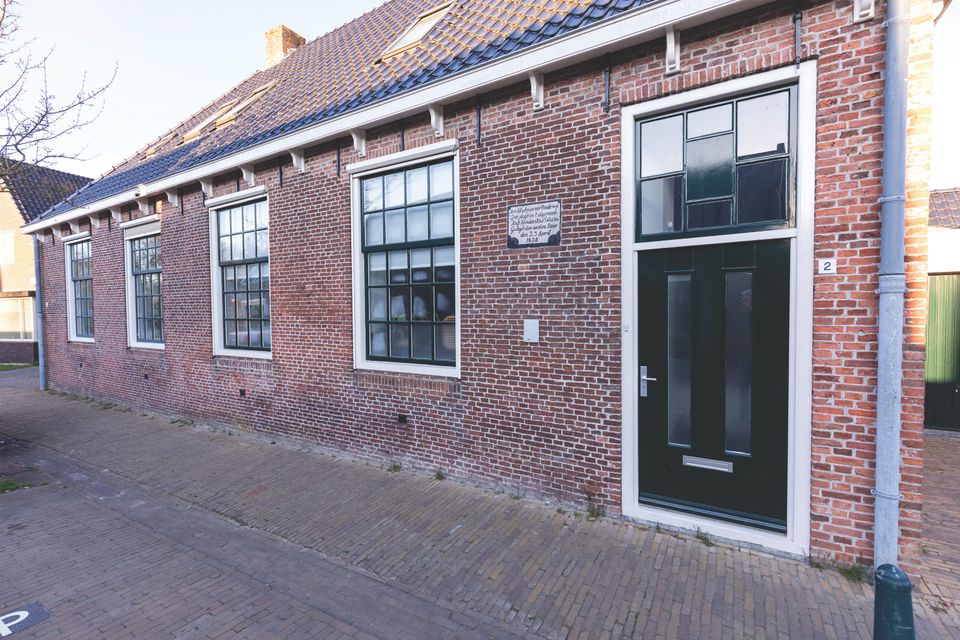
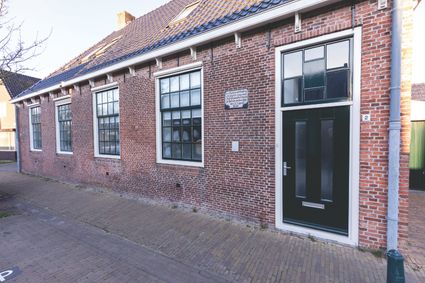
Former Infant School
Former Infant School
At the intersection of Voorstraat and Meester Andreaestraat stands the former bewaarschool, or infant school. A bewaarschool was a form of pre-school education in the Netherlands and Belgium during the 19th and early 20th centuries.
The infant school was intended for children between the ages of about three and six, before they entered primary school. The Dutch name literally means a place where children were “looked after” while their parents were at work. In practice, they received basic education, learning skills such as listening, counting, and playing together under supervision. The bewaarschool is regarded as the forerunner of today's daycare centres and preschool programmes.
The infant school in Kollum dates from 1828 and is located on the eastern side of the village. At that time, just as on the western side of Voorstraat, the area around the school was home to many small businesses and craftspeople. There was a farmer with a small slaughterhouse, carpenters lived and worked here, and there was a combined butcher's shop and livestock business, as well as a steam-powered grain mill with an animal feed business. The neighbourhood also included a small wholesale dealer in butter, cheese and buttermilk supplied by the factory at Dokkumer Nieuwezijlen, a liquor store, a blacksmith's workshop and a tailor's shop. On the opposite side of the street from the infant school stood a grocery store and a cigar shop.
-
-
Paviljoen De Leyen
Paviljoen De Leyen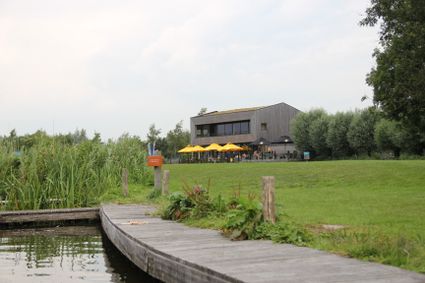
-
Church of Brantgum
Church of Brantgum
-
www.countrygarden.nl
www.countrygarden.nl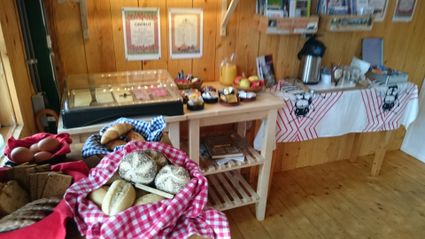
Temporarily closed
Ie -
Greenjoy Earnewâld
Greenjoy Earnewâld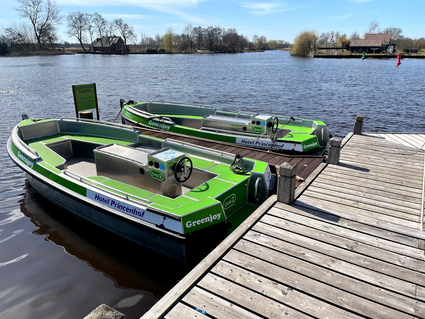
-
BnB Slaap Lekker
BnB Slaap Lekker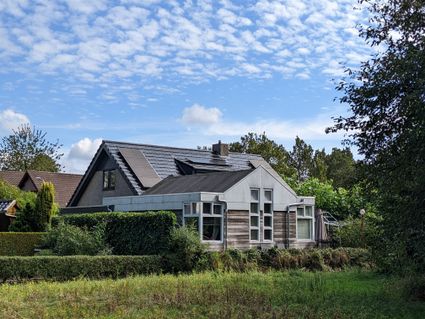
-
it Dreamlân groupaccommodation
it Dreamlân groupaccommodation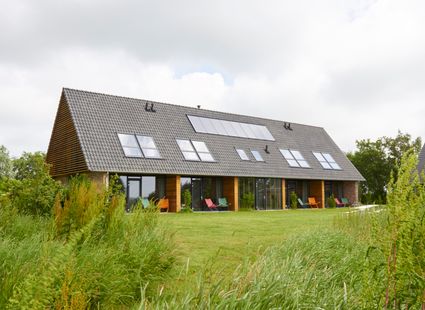
Direct boekbaar
-
Bartlehiem Bridge - Elfstedentocht
Bartlehiem Bridge - Elfstedentocht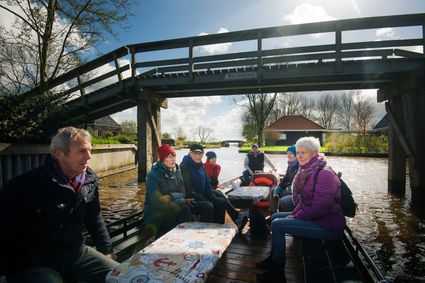
-
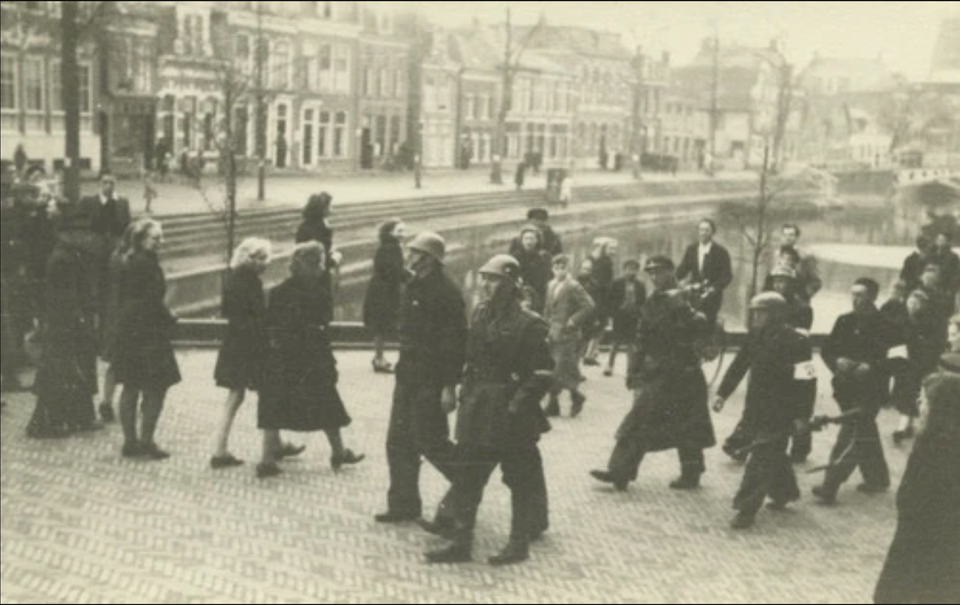
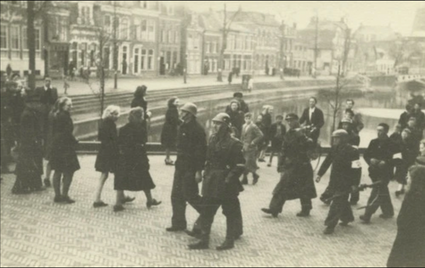
The liberation of Friesland 1
The liberation of Friesland 1
In early April, it became clear that the liberation of Friesland was imminent. Although the province had not suffered a real Hunger Winter like other parts of the Netherlands, there were severe shortages of just about everything. And the terror of the occupying forces was growing. This also led to increased resistance against the occupying forces. The battle between the two was tougher than ever in early 1945.
In Friesland, assault groups known as Knokploegen (KP) were responsible for most acts of resistance. But there were other groups too. On the orders of the Dutch government in London, all these groups were merged into the Dutch Domestic Armed Forces (NBS). In Friesland, this happened on 12 December 1944.
The NBS, popularly referred to as the BS, gave the armed resistance an organisation with a clear structure. The NBS was also supposed to play a role in the upcoming liberation. To this end, resistance groups were provided with weapons from autumn 1944. These were dropped from the air.
On 8 April, Radio Orange broadcast the message "The bottle is empty." This was the signal for the NBS to start carrying out sabotage operations 36 hours later. The aim was to make it as difficult as possible for the Germans to defend themselves against the approaching Allied forces.
The resistance did this by putting bridges and railways out of order, blocking waterways and blocking roads. The response of the occupying forces was ruthless. In retaliation, dozens more prisoners were shot at different times and places.Once the Canadians entered Friesland on 12 April, they were supported extremely effectively by the Frisian resistance. Because it was superbly organised, they were able to help the Canadians take control of important bridges, repair damaged bridges, and advise on the most favourable route.
By 18 April, the whole province was liberated except for the Wadden Islands (these were liberated in late May and in June). Compared to other provinces, there was little fighting in Friesland. Overall, the few thousand German troops who had been unable to flee Friesland were defeated by the Canadians relatively quickly.
The commander of the Royal Canadian Dragoons, Lieutenant Colonel Landell, praised the actions of the resistance by stating "Friesland liberated herself." While that may be a bit of an exaggeration, the actions of the Frisian resistance undoubtedly accelerated the liberation. And reduced the number of casualties on the Allied side.
In confrontations with German troops and their Dutch accomplices, at least 31 resistance fighters lost their lives. On the Allied side, at least eleven Canadians and one Frenchman were killed. The fighting and shelling also resulted in dozens of civilian casualties. The number of casualties on the German side is not known, but probably ran into the hundreds. With 320 houses destroyed and 4,000 damaged and 80 bridges destroyed, Friesland was materially the least damaged province in the Netherlands.
-
-
Waterdorp Burdaard
Waterdorp Burdaard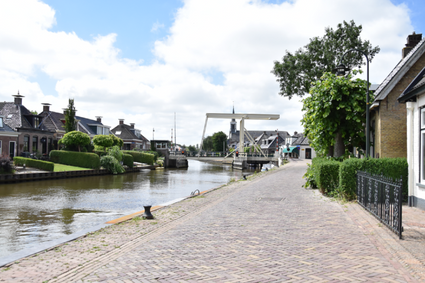
-
www.huyske.com
www.huyske.com