Location
257 to 288 of 387 results
-
Cultural and Historical Centre De Schierstins
Cultural and Historical Centre De Schierstins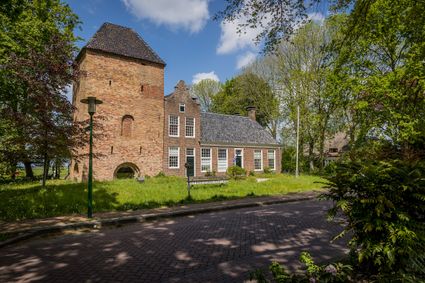
-
Dokkum Ballooning
Dokkum Ballooning
-
Hotel Pub Restaurant de Posthoorn
Hotel Pub Restaurant de Posthoorn
-
Eanjumer Kolken
Eanjumer Kolken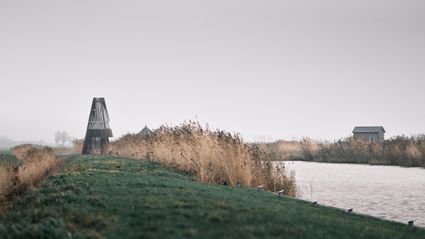
-
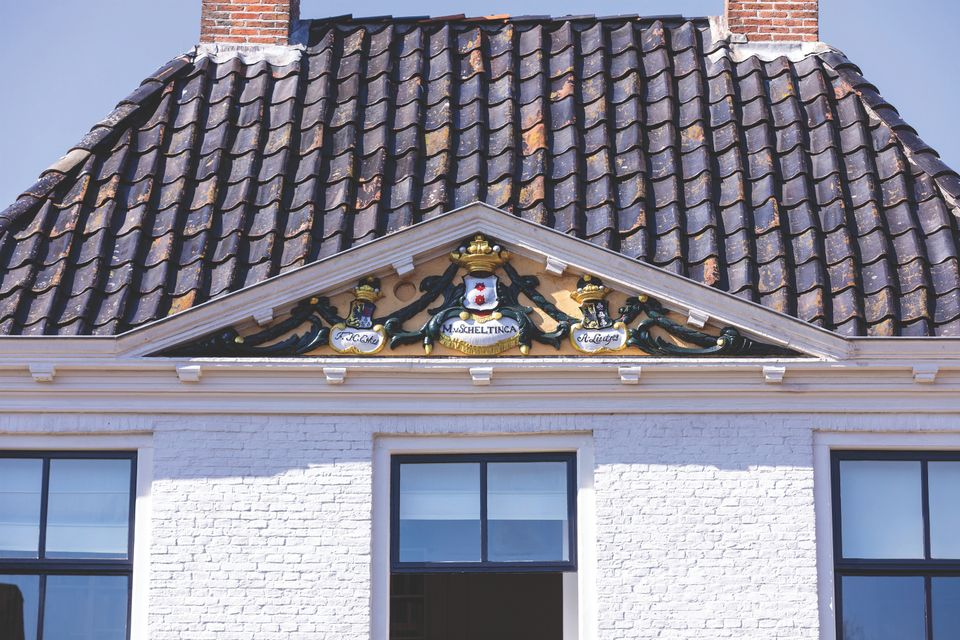
The Former Weigh House
The Former Weigh House
A look at old photographs reveals that the building looks even more attractive today than its predecessor. The people of Kollum have taken good care of this historic landmark. The weigh house was a public building where goods could be officially weighed. Its presence was particularly important for trade in butter and cheese.
A public weigh house in Kollum is first mentioned in the 16th century. That original building stood next to the Rechthuis (courthouse). In 1779, a new weigh house was built here on the Westerdiepswal, at the heart of the bustling waterfront. The wide entrance to the former weighing hall, where two weighing scales were once installed, can still be clearly recognised in the façade.
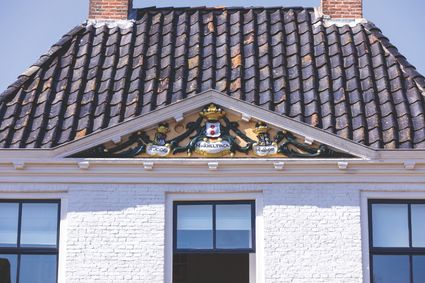
The pediment above the façade bears the coats of arms and names, added in 1779, of grietman (district magistrate) Martinus van Scheltinga, his deputy Focke Hijlckes Eskes, and Albert Luitjens, who served together with Eskes as church warden. The building was owned by the Dutch Reformed Church, which leased out the weigh house. In 1871 it was sold to a private owner, after which an official weighmaster appointed by the municipality supervised its operation. With the rise of the dairy industry in Friesland, the weigh house gradually lost its function. In 1895, the building was converted into a private residence.
-
-
Ferwert (Ferwerd)
Ferwert (Ferwerd)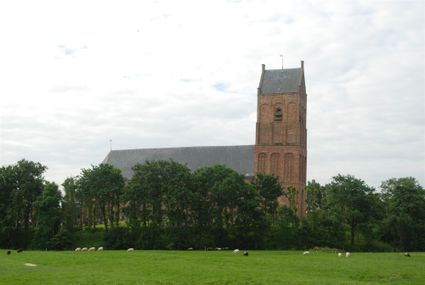
-
St. Nicholas Church Eastrum (Oostrum)
St. Nicholas Church Eastrum (Oostrum)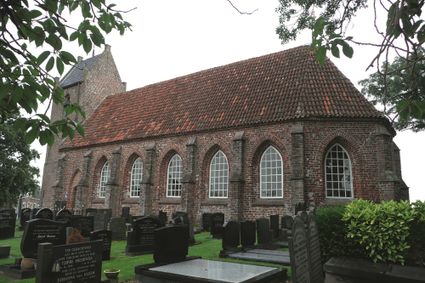
-
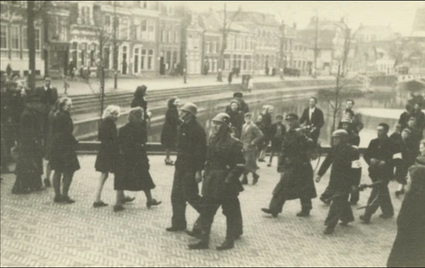
The liberation of Friesland
The liberation of Friesland
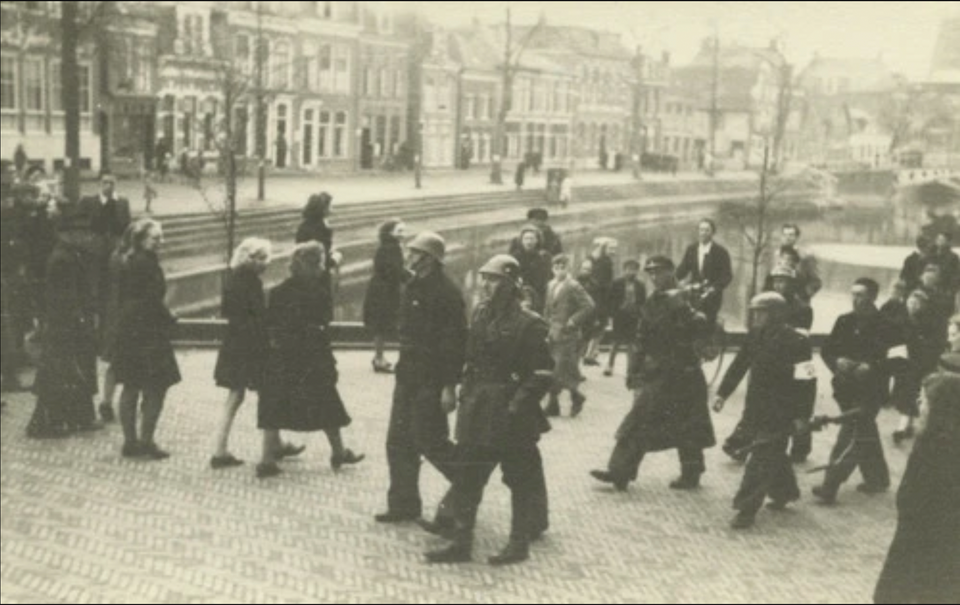
By 18 April, the whole province of Friesland had been liberated, except for the Wadden Islands. Compared to other provinces, there was little fighting in Friesland. Overall, the few thousand German troops who had been unable to escape from Friesland were defeated by the Canadians relatively quickly.
The commander of the Royal Canadian Dragoons, Lieutenant Colonel Landell, praised the actions of the resistance by stating that "Friesland liberated herself". While that may be a bit of an exaggeration, the actions of the Frisian resistance undoubtedly accelerated the liberation. And reduced the number of casualties on the Allied side.
At least 31 resistance fighters lost their lives in confrontations with German troops and their Dutch accomplices. At least eleven Canadians and one Frenchman were killed on the Allied side. Dozens of civilian victims were also killed in the fighting and shelling. The number of casualties on the German side is not known, but it is believed that the number ran into hundreds. With 320 destroyed and 4000 damaged homes and 80 destroyed bridges, Friesland was materially the least damaged province of the Netherlands.
Many German soldiers fled towards the western part of the country. The retreating German troops gathered mostly in Harlingen, Makkum and Lemmer. From there, they tried to get away by boat across the IJsselmeer or via the Afsluitdijk to North Holland. The Wadden Islands also became a refuge for collaborators and German soldiers. Here, liberation was longer in coming.
On the island of Terschelling, the last German troops were disarmed by a British artillery regiment on 29 May. Two days later, the British crossed from Terschelling to Vlieland, and the liberation of that island was also a fact. Ameland was liberated on 3 June.
Personnel from the infamous Scholtenhuis, the SD headquarters in Groningen, had entrenched themselves on Schiermonnikoog. After their departure on 31 May, there was a celebration on the island, in spite of the six hundred members of the occupying troops who still were there. Only on 11 June did the last German soldiers leave Schiermonnikoog, and then the whole province of Friesland was free.
Most Canadian units that had liberated Friesland continued the battle in Groningen and North Germany after 18 April. Their war ended on 8 May 1945, when the surrender of all German armed forces became effective.
-
-
Eleven Cities Tour sculpture Aukje in Sneek
Eleven Cities Tour sculpture Aukje in Sneek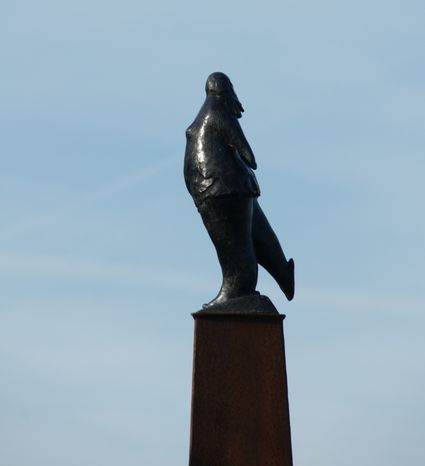
-
It Lytse Slot Manor
It Lytse Slot Manor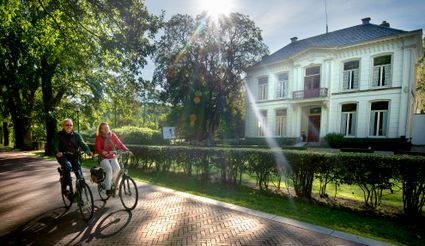
-
Tollboot "It Driezumer Tolhús" near Dokkum
Tollboot "It Driezumer Tolhús" near Dokkum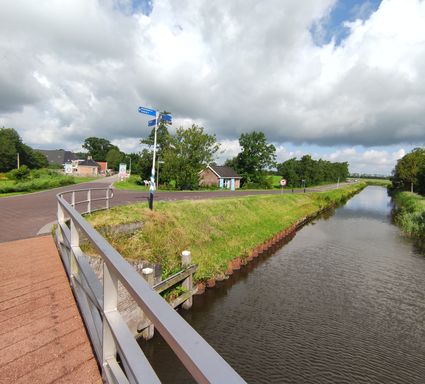
-
Saint Martin's Church Gytsjerk
Saint Martin's Church Gytsjerk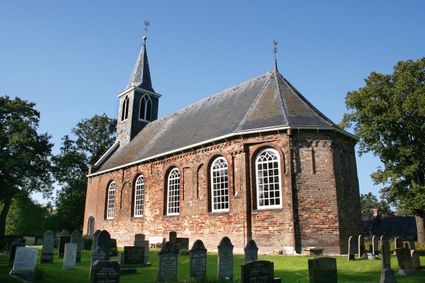
-
Boutique Hotel Dokkum
Boutique Hotel Dokkum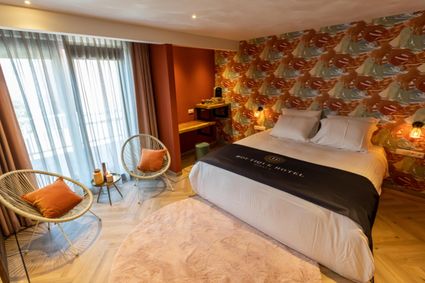
-
St. Cecilia's Church Oosternijkerk
St. Cecilia's Church Oosternijkerk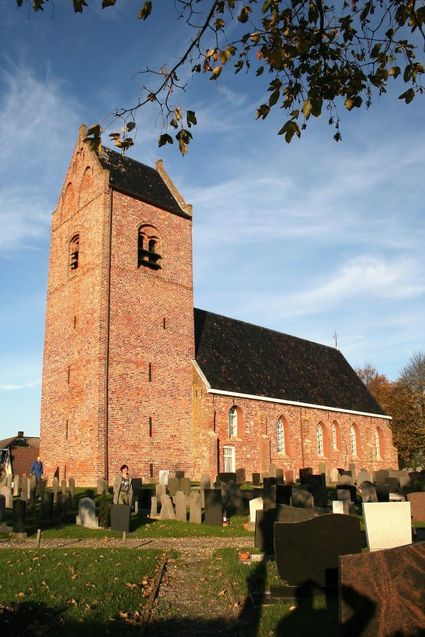
-
Dokkumer Nieuwe Zijlen Lock and Sea Defence
Dokkumer Nieuwe Zijlen Lock and Sea Defence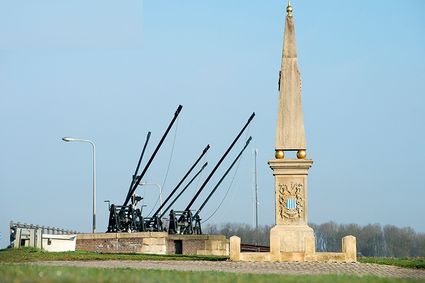
-
it Dreamlân holiday home
it Dreamlân holiday home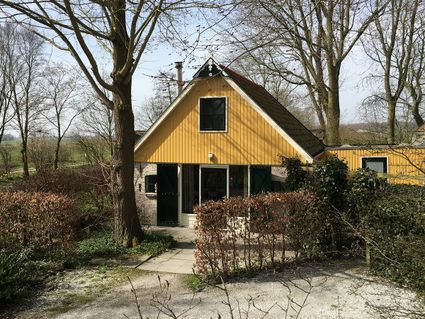
Direct boekbaar
-
Eleven Cities Tour sculpture Aukje near Dokkum
Eleven Cities Tour sculpture Aukje near Dokkum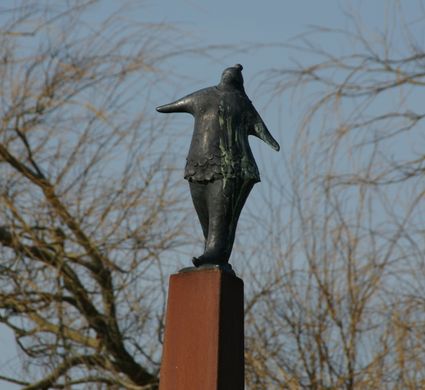
-
Anne-Famkes Pleats Room
Anne-Famkes Pleats Room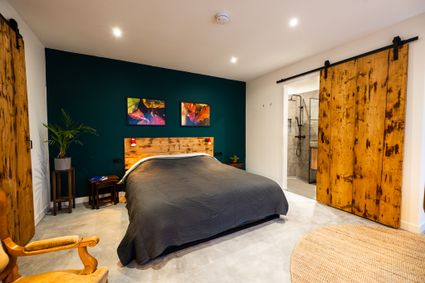
-
Zeilschip Middelsee
Zeilschip Middelsee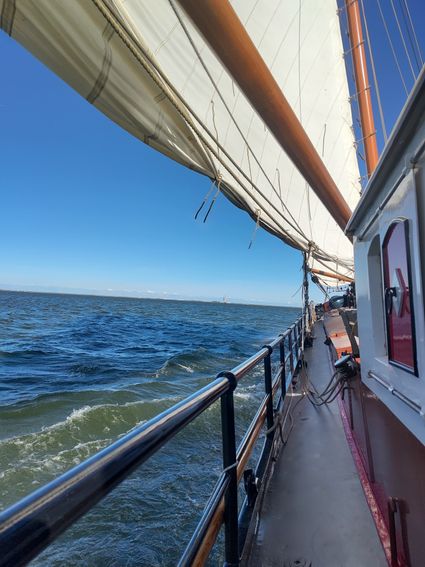
-
Stania State Country House and Estate
Stania State Country House and Estate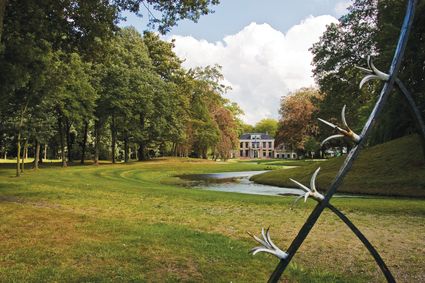
-
Terp fan de Takomst
Terp fan de Takomst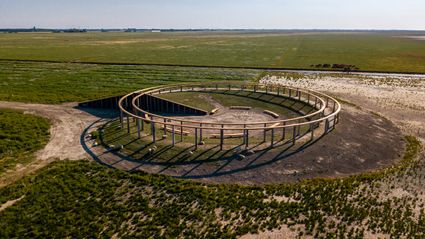
-
Accommodatie Claercamp
Accommodatie Claercamp
-
Ypeymolen
Ypeymolen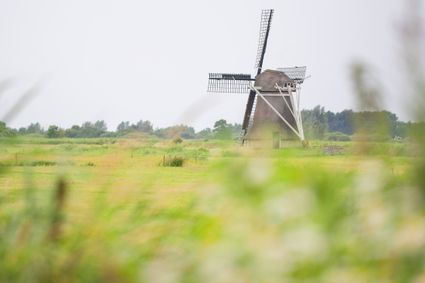
-
St. Mary's Church in Oentsjerk
St. Mary's Church in Oentsjerk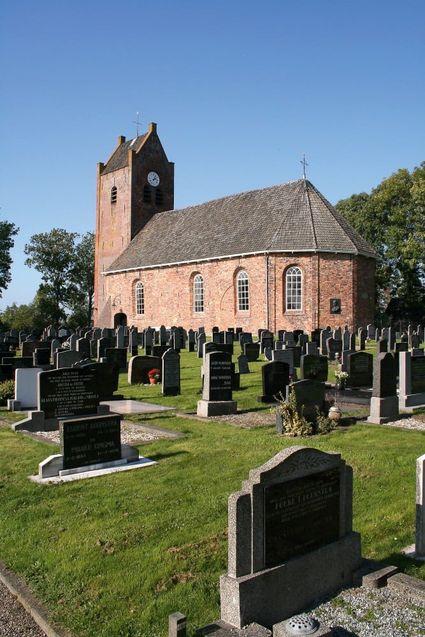
-
Boerenthuis de Prikkebosk
Boerenthuis de Prikkebosk
-
Café-Restaurant ’t Raedhûs
Café-Restaurant ’t Raedhûs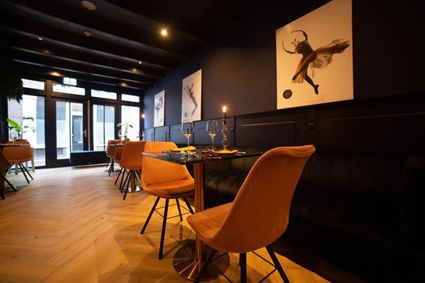
-
Motorcamping 't Witveen
Motorcamping 't Witveen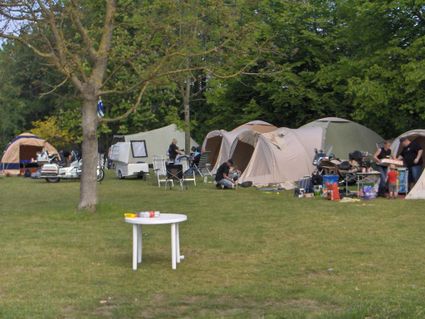
-
Landal Waterpark De Alde Feanen
Landal Waterpark De Alde Feanen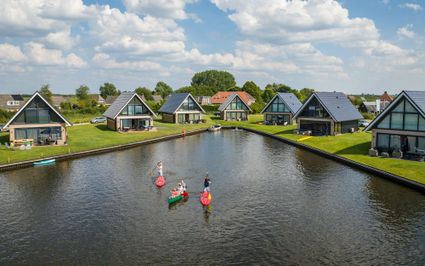
-
Bootverhuur Bonkevaart
Bootverhuur Bonkevaart
-
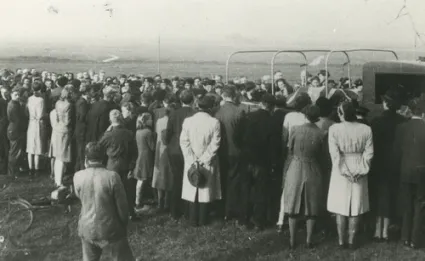
Attack on the port of Oostmahorn
Attack on the port of Oostmahorn
The liberation of the north-eastern part of Friesland was not achieved without a struggle. The Dutch Domestic Armed Forces (NBS) and Canadian troops fought fierce battles, partly side by side. It was mainly occupiers fleeing in panic who caused fights and shootings that claimed victims on both sides. A fierce battle was also fought over the port of Oostmahorn.
After the liberation of Dokkum, Kollum and Dokkumer Nieuwe Zijlen, the attention of the Canadian troops turned to the port of Oostmahorn. It was the gateway to the island of Schiermonnikoog, which was part of the German defence line, the Atlantic Wall. This bulwark ran along the coasts of France to Norway. During the war, and extensive occupying force was stationed on the Wadden Island.
The village of Oostmahorn was "relieved" by the Dutch Domestic Armed Forces (NBS) on Saturday, 14 April, after the German Grenzschutz (border control) left in silence for Schiermonnikoog. Meanwhile, a group of more than a hundred fleeing SS and SD men and a dozen women crossed the Lauwerszee from Groningen near Zoutkamp with three boats to the island. A number of them were high-ranking SD members of the infamous Scholtenhuis in Groningen. When the NBS saw them sailing past from the port of Oostmahorn, shots were fired back and forth.
The German occupying forces on Schiermonnikoog then wanted to take revenge. The village and the port of Oostmahorn were attacked from the island for two hours on Monday, 16 April. A convoy of three Dutch boats left for the port with the aim of landing there. Meanwhile, the help of the B-Squadron of the Royal Canadian Dragoons (1st Armoured Carrier Regiment) in Dokkum had been called in. The attack was narrowly repelled, but two Canadian soldiers from a reconnaissance group were killed. A defence line of foxholes and armoured vehicles was erected around the village.
Further reinforcements were called in that day from Leeuwarden, where C Company of the North Nova Scotia Highlanders were sent to the coastal strip to patrol for German landing attempts.
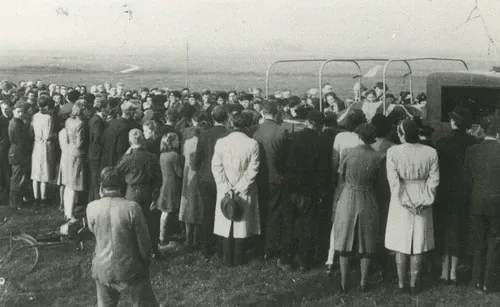
After a brief but heavy shelling from the Canadians as a warning, a mediator was sent to the island the next day. The highest-ranking SD officer refused to surrender. They were waiting for an escape with a Schnell boat that was to take them to the German Wadden island of Borkum on 3 May. That turned out to be in vain, but in the meantime they kept the island occupied, even after the general capitulation of the whole of the Netherlands on 5 May.It was not until 11 June that two boats, the MS Waddenzee and the MS Brakzand, transported the last occupiers of Schiermonnikoog to the port of Oostmahorn. A column of army trucks packed with prisoners of war left the port under the guard of the Allies. From there they went to the POW camp in Beerta (Groningen).
-
-
Vakantiewoning Holwerd
Vakantiewoning Holwerd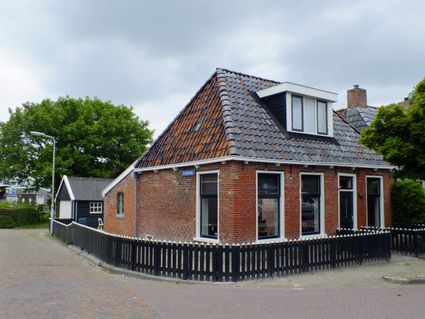
-
Blauwhoek Bathing Site
Blauwhoek Bathing Site