Location
97 to 128 of 392 results
-
Bartlehiem Bridge - Elfstedentocht
Bartlehiem Bridge - Elfstedentocht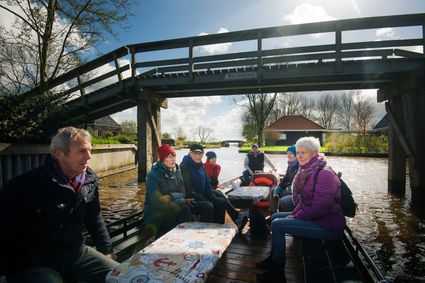
-
Village Garden Snakkerburen
Village Garden Snakkerburen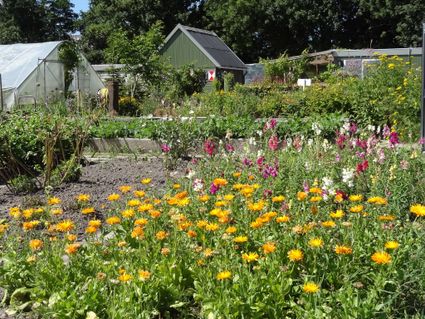
-
Viewpoint De Zoutkegel
Viewpoint De Zoutkegel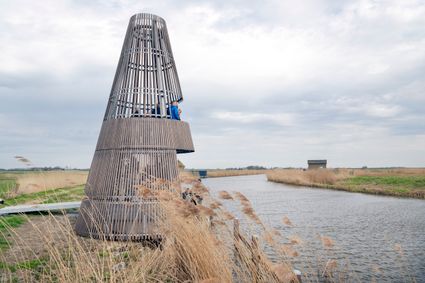
-
The Tea Factory
The Tea Factory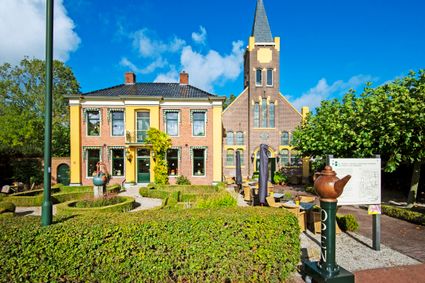
-
Anne-Famkes Pleats Room
Anne-Famkes Pleats Room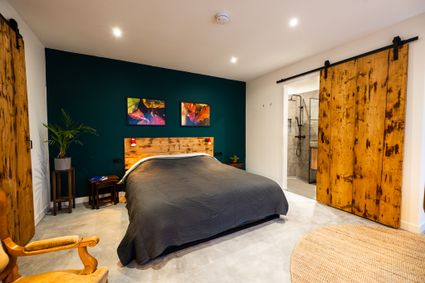
-
Koffiebar Knus
Koffiebar Knus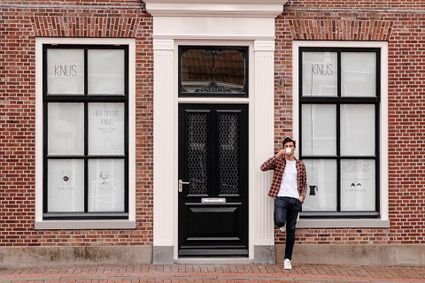
-
Holiday Park Bergumermeer
Holiday Park Bergumermeer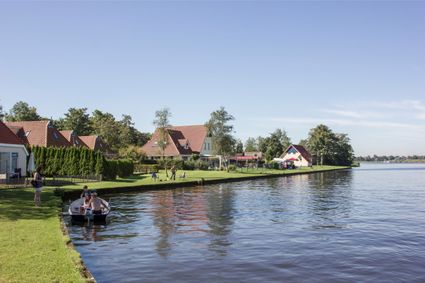
Direct boekbaar
-
www.huyske.com
www.huyske.com
-
It Wikelslân Nature Reserve at De Alde Feanen National Park
It Wikelslân Nature Reserve at De Alde Feanen National Park
-
Restaurant Herberg De Pater
Restaurant Herberg De Pater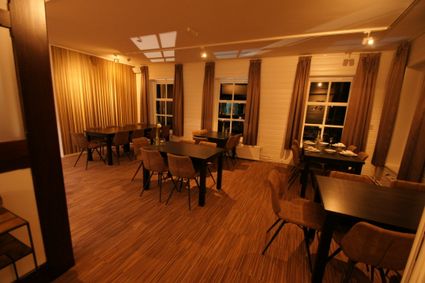
-
Eleven Cities Tour sculpture Aukje in Franeker
Eleven Cities Tour sculpture Aukje in Franeker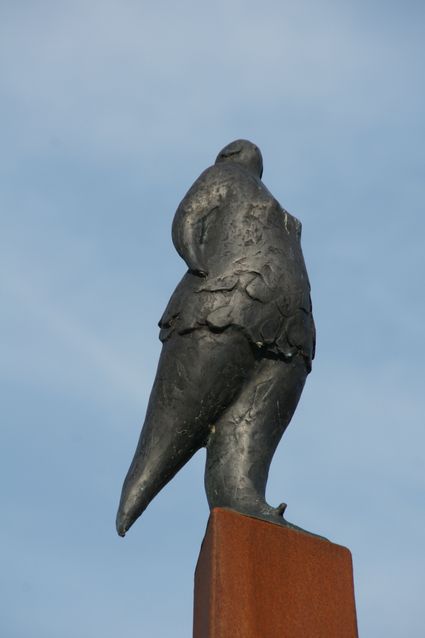
-
Dobbepaarden photo artwork
Dobbepaarden photo artwork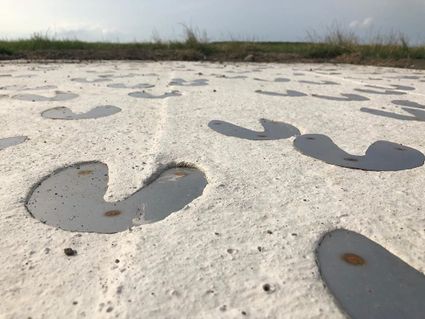
-
it Dreamlân holiday homes
it Dreamlân holiday homes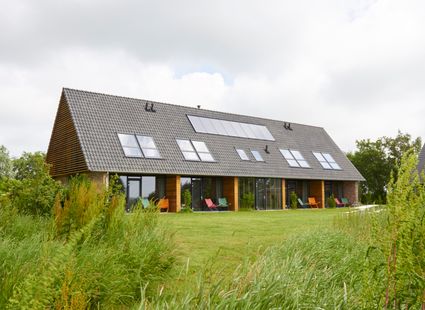
-
Camping de Kleine Wielen
Camping de Kleine Wielen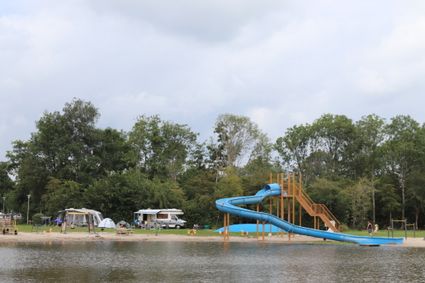
-
Farm shop Uitland
Farm shop Uitland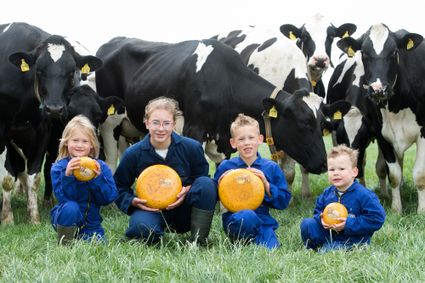
-
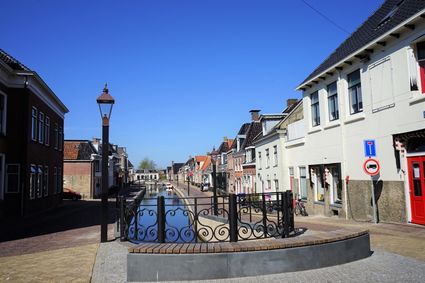
Oosterdiepswal and Westerdiepswal
Oosterdiepswal and Westerdiepswal
On both sides of the Sylster Ryd, in the oldest part of Kollum's historic centre, lie the Oosterdiepswal and Westerdiepswal.
These embankments, locally known simply as the Wallen, are already mentioned in the earliest historical records of Kollum. The Sylster Ryd connected here with the major waterways to the north and south of the village.
During the 16th and 17th centuries, Kollum was a thriving centre of trade and commerce. Its town centre played an important logistical role in regional trading activities. Development along the Wallen began after this waterway was excavated in the early 16th century. Businesses that depended on water transport for the delivery of raw materials and the shipment of goods established themselves here. Historical records mention pottery workshops, a brewery, a tannery and a shipyard. Several windmills also stood along the Wallen, although mills could be found elsewhere in the village as well. Today, the Wallen form part of Kollum's protected historic townscape.
-
-
TOP Kollum
TOP Kollum
-
Eleven Cities Monument Tegeltjesbrug Gytsjerk
Eleven Cities Monument Tegeltjesbrug Gytsjerk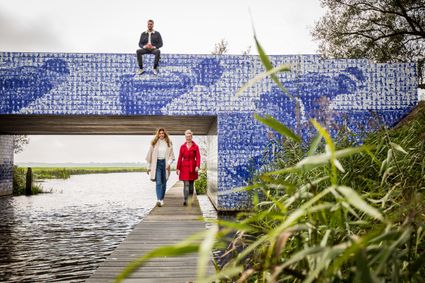
-
EAstay apartment 1
EAstay apartment 1
-
11Fountains Dokkum
11Fountains Dokkum
-
Bartlehiem (Bartlehiem)
Bartlehiem (Bartlehiem)
-
Restaurant Ode
Restaurant Ode
-
Eleven Cities Tour sculpture Aukje in Sloten
Eleven Cities Tour sculpture Aukje in Sloten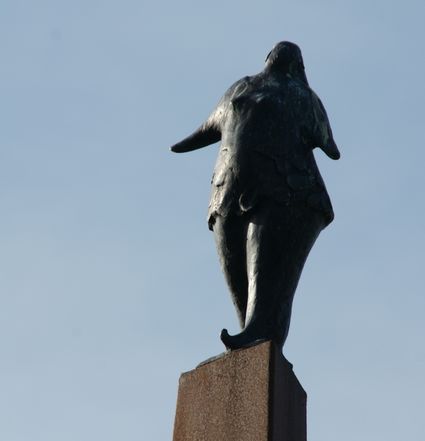
-
Kafee It wapen fân Fryslân
Kafee It wapen fân Fryslân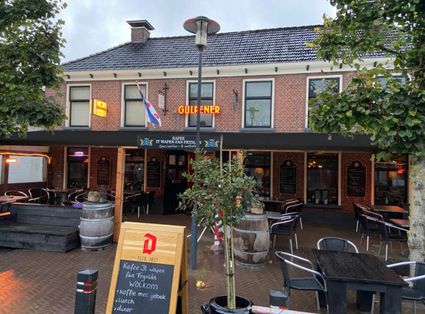
-
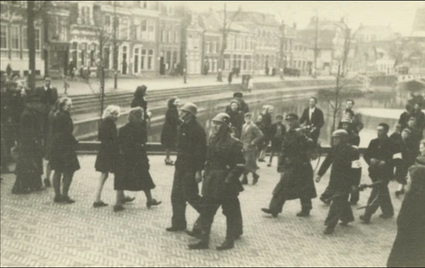
The liberation of Friesland
The liberation of Friesland
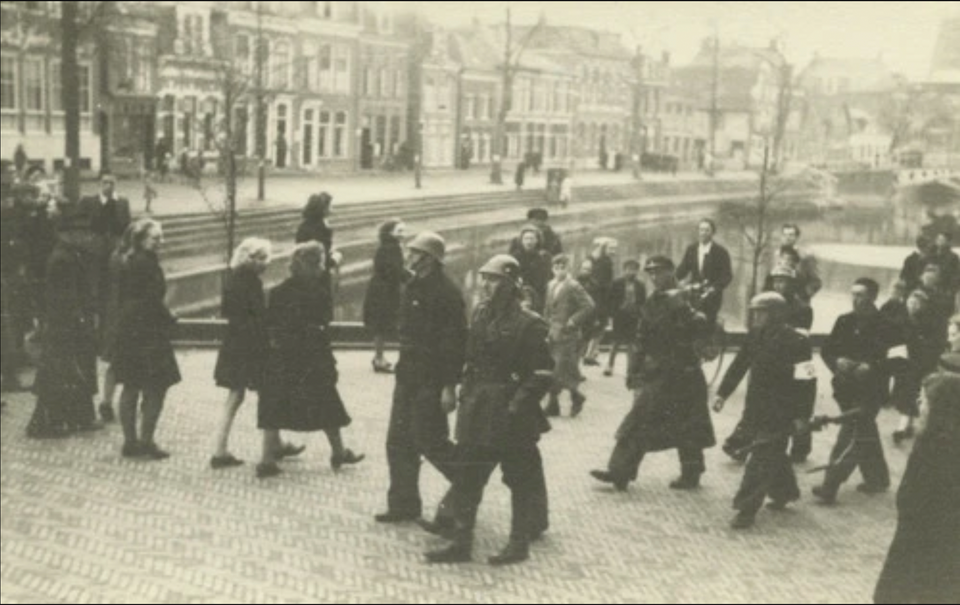
By 18 April, the whole province of Friesland had been liberated, except for the Wadden Islands. Compared to other provinces, there was little fighting in Friesland. Overall, the few thousand German troops who had been unable to escape from Friesland were defeated by the Canadians relatively quickly.
The commander of the Royal Canadian Dragoons, Lieutenant Colonel Landell, praised the actions of the resistance by stating that "Friesland liberated herself". While that may be a bit of an exaggeration, the actions of the Frisian resistance undoubtedly accelerated the liberation. And reduced the number of casualties on the Allied side.
At least 31 resistance fighters lost their lives in confrontations with German troops and their Dutch accomplices. At least eleven Canadians and one Frenchman were killed on the Allied side. Dozens of civilian victims were also killed in the fighting and shelling. The number of casualties on the German side is not known, but it is believed that the number ran into hundreds. With 320 destroyed and 4000 damaged homes and 80 destroyed bridges, Friesland was materially the least damaged province of the Netherlands.
Many German soldiers fled towards the western part of the country. The retreating German troops gathered mostly in Harlingen, Makkum and Lemmer. From there, they tried to get away by boat across the IJsselmeer or via the Afsluitdijk to North Holland. The Wadden Islands also became a refuge for collaborators and German soldiers. Here, liberation was longer in coming.
On the island of Terschelling, the last German troops were disarmed by a British artillery regiment on 29 May. Two days later, the British crossed from Terschelling to Vlieland, and the liberation of that island was also a fact. Ameland was liberated on 3 June.
Personnel from the infamous Scholtenhuis, the SD headquarters in Groningen, had entrenched themselves on Schiermonnikoog. After their departure on 31 May, there was a celebration on the island, in spite of the six hundred members of the occupying troops who still were there. Only on 11 June did the last German soldiers leave Schiermonnikoog, and then the whole province of Friesland was free.
Most Canadian units that had liberated Friesland continued the battle in Groningen and North Germany after 18 April. Their war ended on 8 May 1945, when the surrender of all German armed forces became effective.
-
-
Terp fan de Takomst
Terp fan de Takomst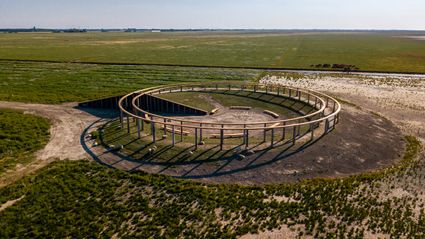
-
Craft cotton printing factory, Kleine Lijn
Craft cotton printing factory, Kleine Lijn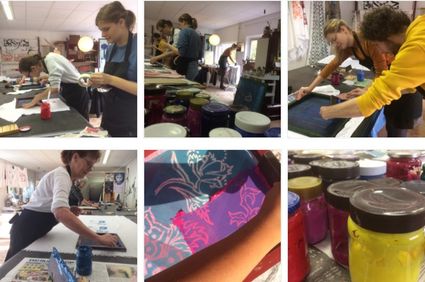

-
St. Martin's Church Hallum
St. Martin's Church Hallum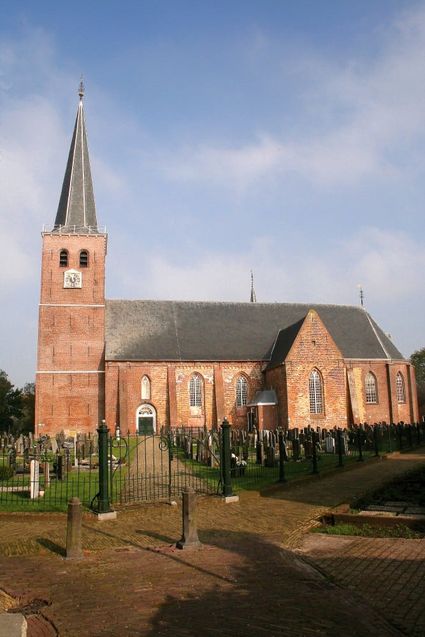
-
village crest
village crest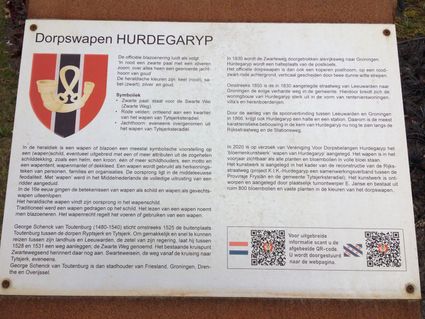
-
LAUWERSOOG CAMPSITE AND RECREATION CENTRE
LAUWERSOOG CAMPSITE AND RECREATION CENTRE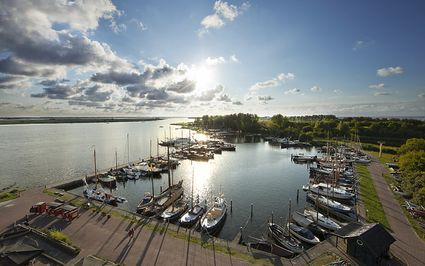
-
Waddensea fishtours and Workshops 't Ailand
Waddensea fishtours and Workshops 't Ailand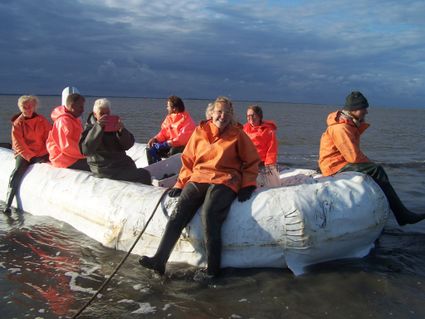
-
Camperplaces en cabins LauwersmeerPlezier!
Camperplaces en cabins LauwersmeerPlezier!