Location
161 to 192 of 394 results
-
Camping Zwanenburg
Camping Zwanenburg
-
St. Anthony's Church Surhuizum
St. Anthony's Church Surhuizum
-
It Wikelslân Nature Reserve at De Alde Feanen National Park
It Wikelslân Nature Reserve at De Alde Feanen National Park
-
De 4 Elementen
De 4 Elementen
-
Eleven Cities Tour sculpture De Reedrydster
Eleven Cities Tour sculpture De Reedrydster
-
Sparkberry
Sparkberry
-
Eleven Cities Tour sculpture Aukje near Dokkum
Eleven Cities Tour sculpture Aukje near Dokkum
-
St. Godehardus' Church Marrum
St. Godehardus' Church Marrum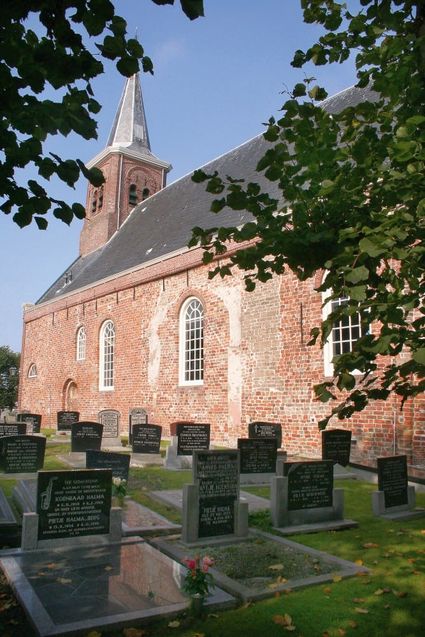
-
St. Nicholas Church Eastrum (Oostrum)
St. Nicholas Church Eastrum (Oostrum)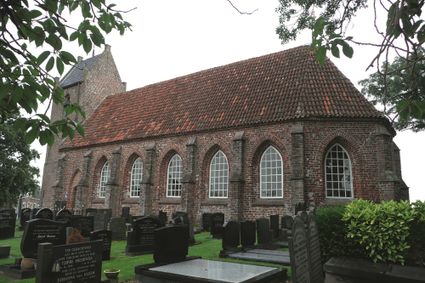
-
Botmas
Botmas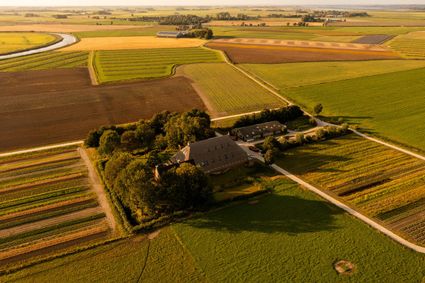
-
Suvelfabryk
Suvelfabryk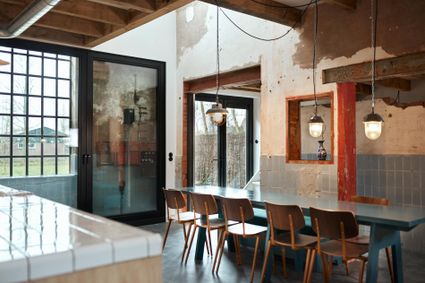
-
Veenwouden (Feanwâlden)
Veenwouden (Feanwâlden)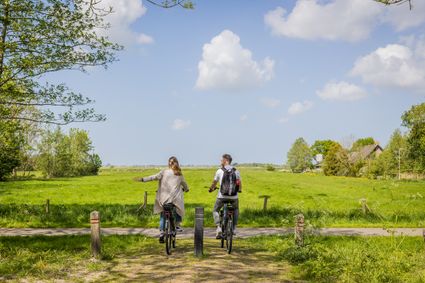
-
Church of Ryptsjerk
Church of Ryptsjerk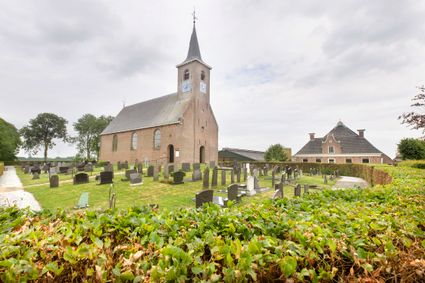
-
Veenkloosterbos Forest on Fogelsangh State Country Estate
Veenkloosterbos Forest on Fogelsangh State Country Estate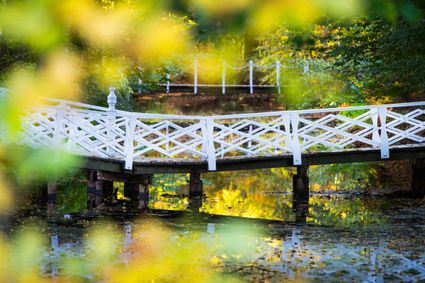
-
Noarderleech Visitor Centre
Noarderleech Visitor Centre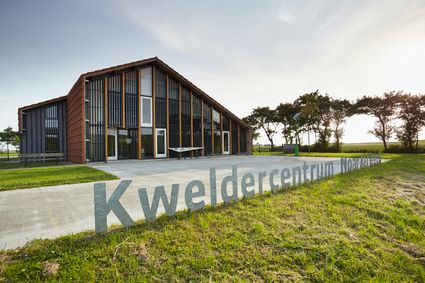

-
Landal Esonstad
Landal Esonstad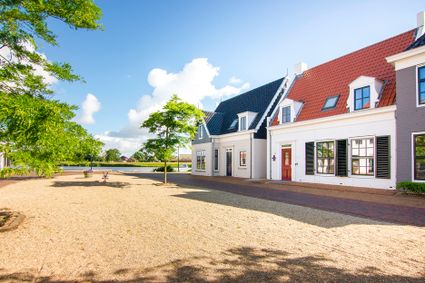
-
St. Boniface's Church Damwâld
St. Boniface's Church Damwâld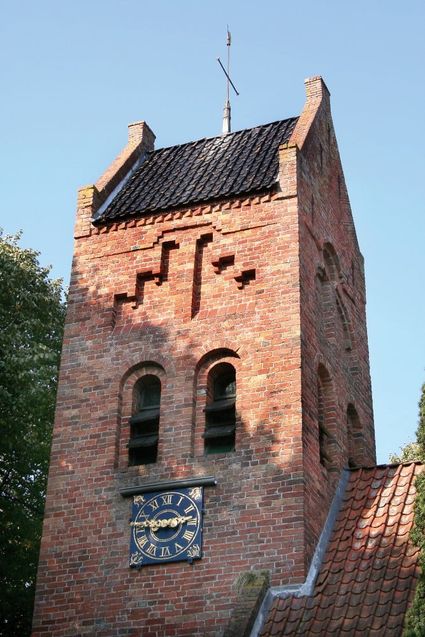
-
B&B Oan't Wetter
B&B Oan't Wetter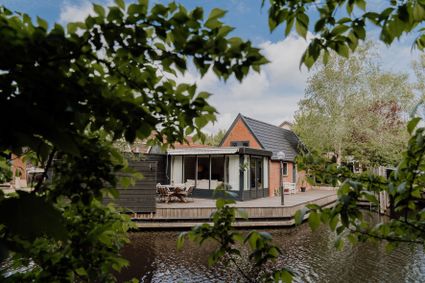
-
Camping de Kleine Wielen
Camping de Kleine Wielen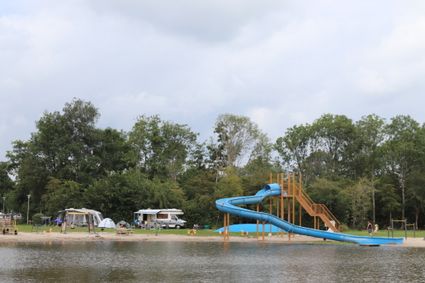
-
Hotel Café 't Dûke Lûk
Hotel Café 't Dûke Lûk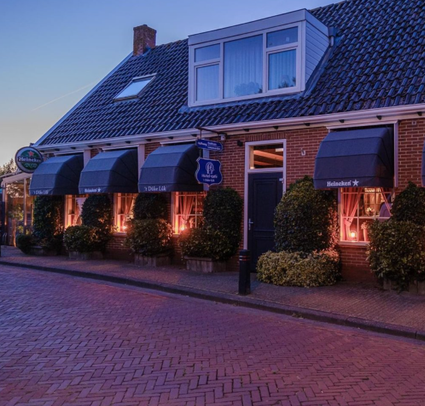
-
Bed en Breakfast Marrum
Bed en Breakfast Marrum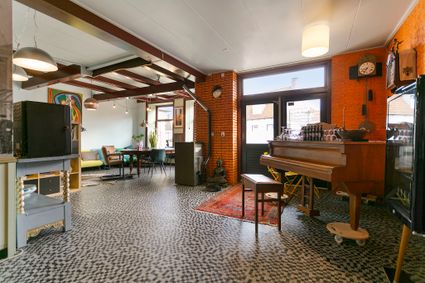
-
Boutique Hotel Dokkum
Boutique Hotel Dokkum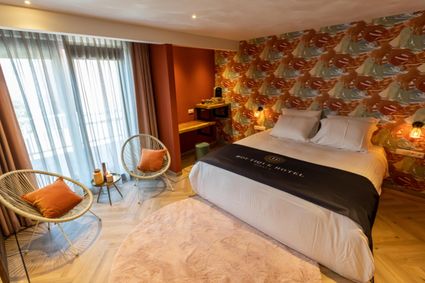
-
Oan 'e Dyk
Oan 'e Dyk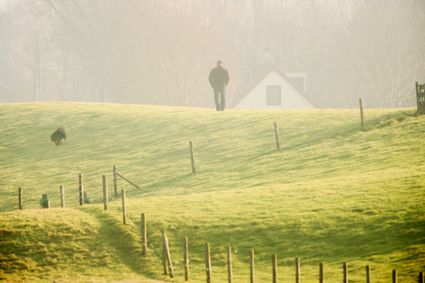
-
St. Paul's Church in Aldtsjerk
St. Paul's Church in Aldtsjerk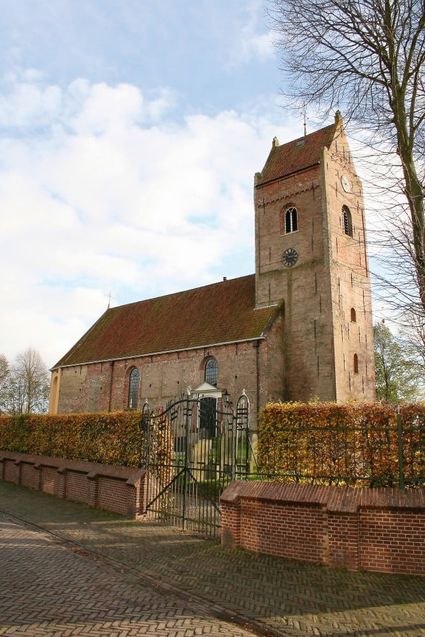
-
Bij De Pastorie Boutique Hotel
Bij De Pastorie Boutique Hotel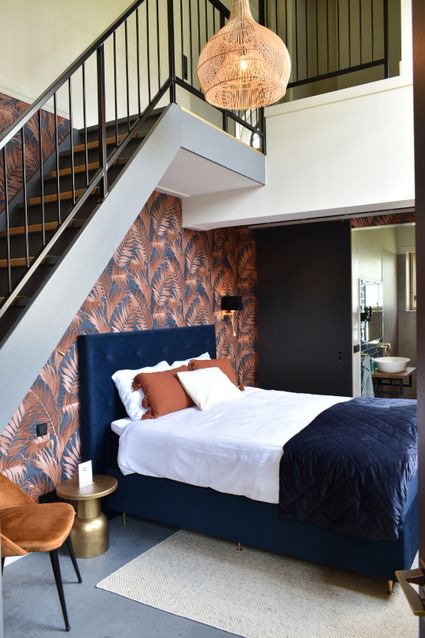
-
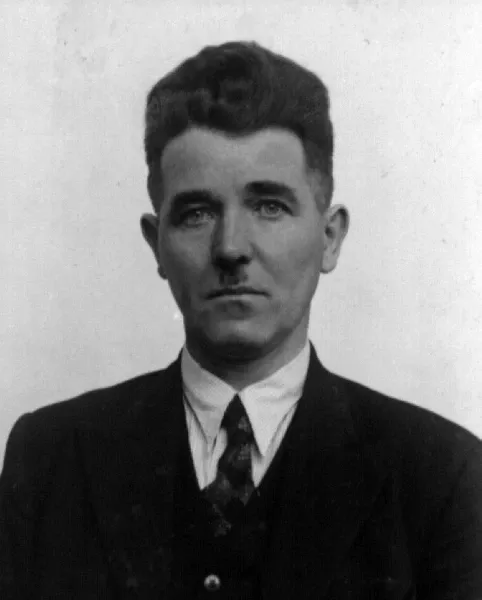
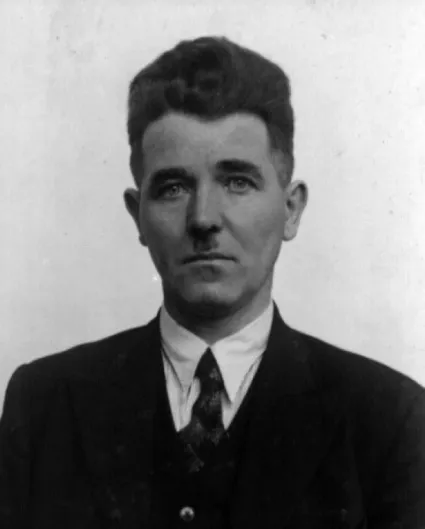
Headmaster Jakob Klok in the resistance
Headmaster Jakob Klok in the resistance
During the war, Jakob (Jaap) Klok ended up in the resistance in Dantumadeel, where he played an important role. At the time, he lived with his wife and four children in Akkerwoude, where he was headmaster of the school at Hearewei 13. He stayed there until 1947 and will always be remembered as "Headmaster Klok."
Jaap Klok was active socially and in politics as a member of the Dutch Social Democratic Labour Party (SDAP). When party meetings were banned by the German occupiers, Jaap imperceptibly became ever more involved in resistance activities. He passed on party information, distributed illegal newspapers, and looked for addresses for people in hiding. Jaap Klok joined the LO, the National Organisation for Aid to people in Hiding, and became the Akkerwoude village commander.
Although people did not know exactly what he did, it was known that he was in the resistance. Despite the fact that his name circulated among NSB members, he decided not to go into hiding, but instead tried to be even more careful and to sleep at home more often than not.
As the war drew to a close, Jaap became very busy. The Dutch government in exile was calling on railway workers to go on strike. The resistance arranged for the hiding. On 15 December 1944, a group of about sixty refugees from Arnhem arrived at his school. Jaap was indirectly involved in the evacuation committee, which was looking for addresses for the unfortunate Arnhem residents.
Shortly thereafter, he was warned at the schoolhouse that during a raid in Murmerwoude, explicit questions were asked about schoolmaster Klok. Jaap did not hesitate a second and quickly left the house. And not a moment too soon, as ten minutes after his departure the Germans were already on his doorstep. From that moment on, Jaap knew that he had to be very careful. He hardly ever slept at home anymore.
From January 1945 onwards, the situation became explosive. After the discovery of weapons on a farm in Aalsum, the Germans became fanatical. They relentlessly hunted down resistance fighters and used any means to make those who were caught talk. The name "Jaap Klok" was also mentioned during these interrogations. Sufficient reason to leave then and there, with his whole family. The children stayed with relatives. He and his wife went into hiding elsewhere.
During the last weeks of the war, Jaap was very busy. Much had to be organised and discussed within the resistance to expel the Germans and prepare for the arrival of the Canadians. Just before Dantumadeel was liberated, the inhabitants were already beside themselves with joy. They raised the flag and took to the streets en masse to celebrate. Because of his resistance work, Jaap knew exactly what the situation was with regard to the liberation. He climbed onto the balcony of the town hall and addressed the people. After all, the danger had not yet passed. Even when that was the case shortly thereafter, he ensured that peace was maintained among the population of Dantumadeel and thus prevented the molestation of a number of NSB members.
After the war, he held many administrative positions in the province of Friesland. In 1984, Jaap Klok died at the age of 91. Fifteen years later, a statue of him was erected in Akkerwoude, which was then called Damwoude, as a tribute.
From the book "De oorlog een gezicht geven" (deel 6) – Dantumadeel in de periode '40 - '45 by Yvonne te Nijenhuis and Reinder H. Postma
-
-
Klein Zwitserland Lakeside Beach
Klein Zwitserland Lakeside Beach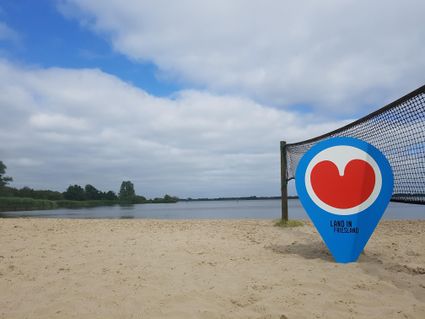
-
Beaches at Lauwersoog
Beaches at Lauwersoog
-
Reformed Church Gerkesklooster
Reformed Church Gerkesklooster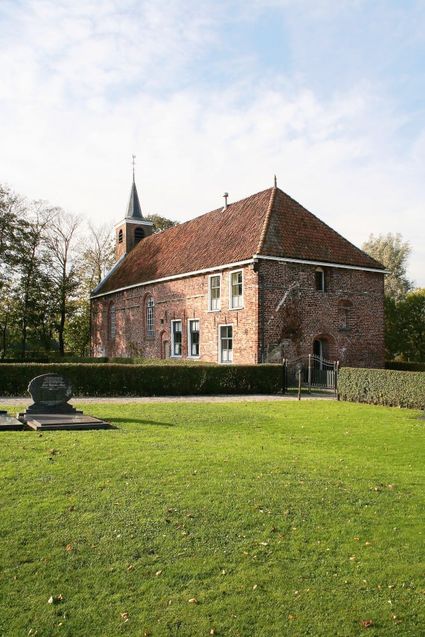
-
Vakantiewoning Holwerd
Vakantiewoning Holwerd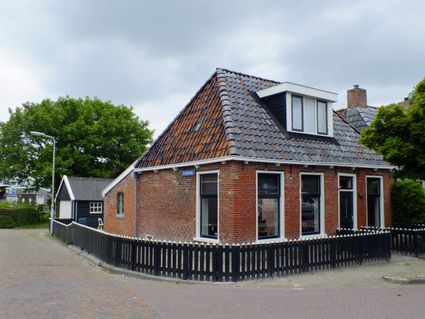
-
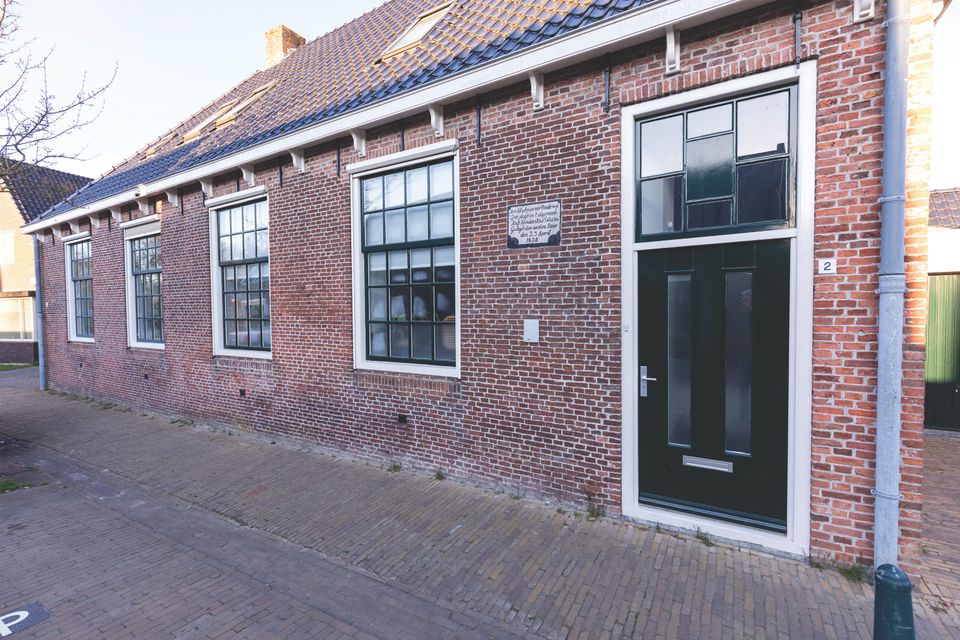
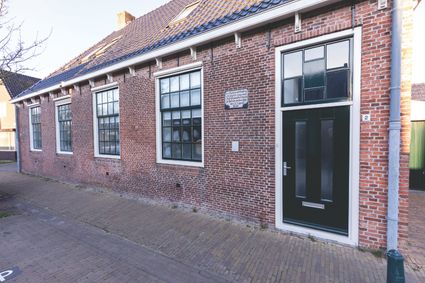
Former Infant School
Former Infant School
At the intersection of Voorstraat and Meester Andreaestraat stands the former bewaarschool, or infant school. A bewaarschool was a form of pre-school education in the Netherlands and Belgium during the 19th and early 20th centuries.
The infant school was intended for children between the ages of about three and six, before they entered primary school. The Dutch name literally means a place where children were “looked after” while their parents were at work. In practice, they received basic education, learning skills such as listening, counting, and playing together under supervision. The bewaarschool is regarded as the forerunner of today's daycare centres and preschool programmes.
The infant school in Kollum dates from 1828 and is located on the eastern side of the village. At that time, just as on the western side of Voorstraat, the area around the school was home to many small businesses and craftspeople. There was a farmer with a small slaughterhouse, carpenters lived and worked here, and there was a combined butcher's shop and livestock business, as well as a steam-powered grain mill with an animal feed business. The neighbourhood also included a small wholesale dealer in butter, cheese and buttermilk supplied by the factory at Dokkumer Nieuwezijlen, a liquor store, a blacksmith's workshop and a tailor's shop. On the opposite side of the street from the infant school stood a grocery store and a cigar shop.
-
-
Dijk van een Wijf
Dijk van een Wijf