Location
65 to 96 of 285 results
-
St. Vitus Church Wyns
St. Vitus Church Wyns
-
Mill de Swarte Prinsch
Mill de Swarte Prinsch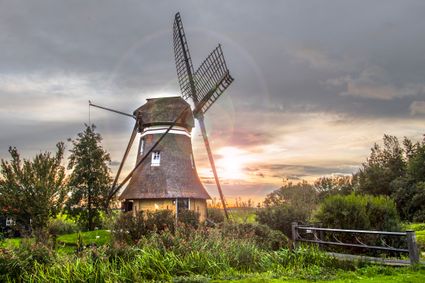
-
WadExpeditions
WadExpeditions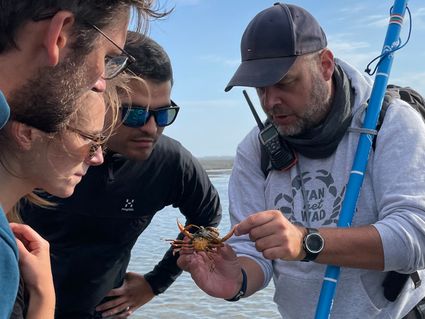

-
Bartlehiem Bridge - Elfstedentocht
Bartlehiem Bridge - Elfstedentocht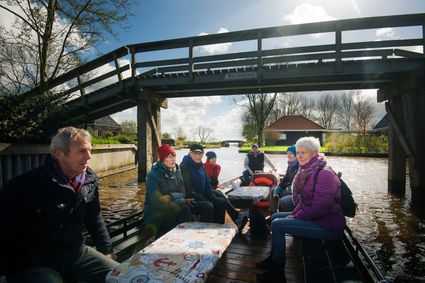
-
De Kruisweg
De Kruisweg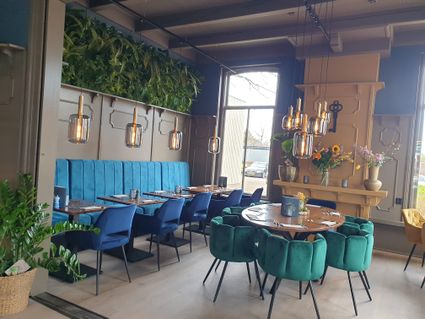
-
it Dreamlân holiday homes
it Dreamlân holiday homes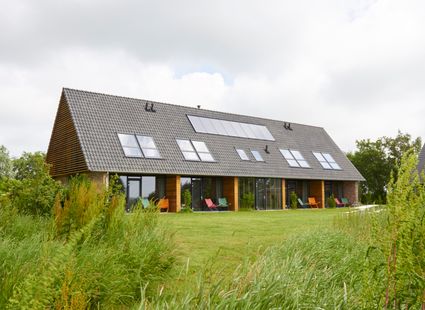
-
Wetterkr8 Suptours
Wetterkr8 Suptours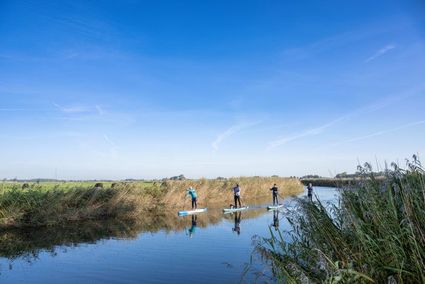
-
Beaches at Lauwersoog
Beaches at Lauwersoog
-
Strandpaviljoen Meerzicht Beach Pavilion
Strandpaviljoen Meerzicht Beach Pavilion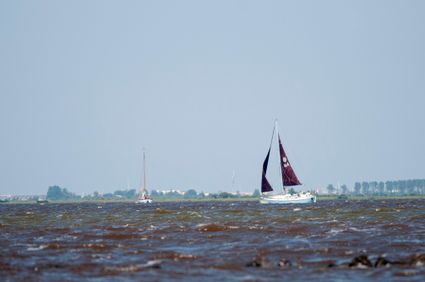
-
Former Notary's House
Former Notary's House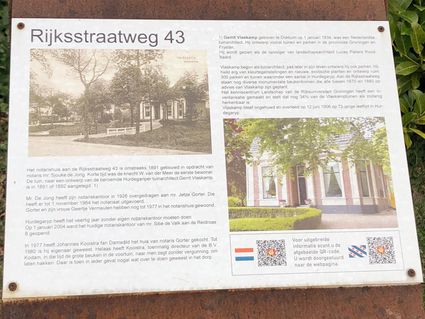
-
Old Town Hall in Dokkum
Old Town Hall in Dokkum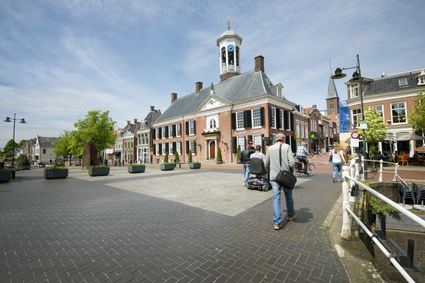
-
It Wikelslân Nature Reserve at De Alde Feanen National Park
It Wikelslân Nature Reserve at De Alde Feanen National Park
-
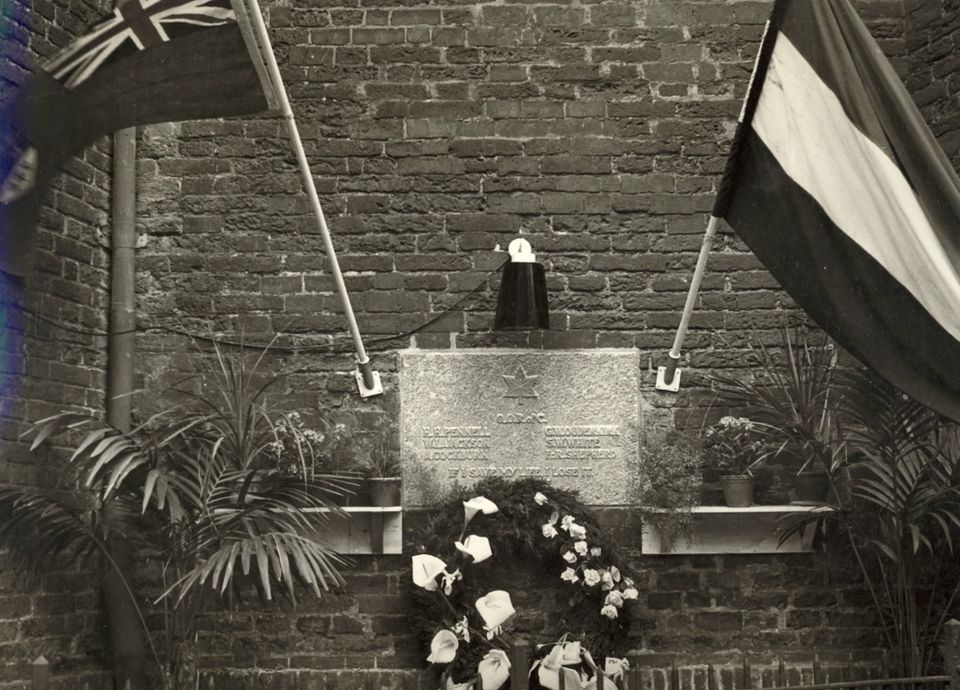
Memorial stone for Fallen Canadians
Memorial stone for Fallen Canadians
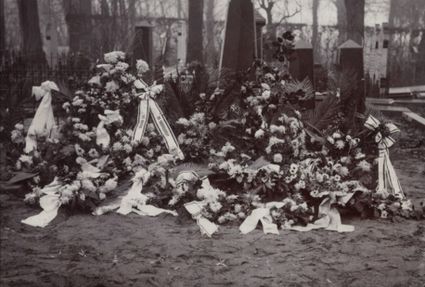
Sunday 15 April 1945, Friesland's official liberation day, was also the day Sneek welcomed the Canadian liberation forces. It had been an exciting day, and the Dutch Domestic Armed Forces (NBS) had fought quite a battle with the occupiers.
A day earlier, German troops had begun to withdraw from Sneek and the NBS had tried to hinder their retreat along the Leeuwarderweg as much as possible. Until a column of German parachute troops had entered the fray and forced the NBS to retreat.
The Waag building in the middle of the city centre was used as a weapons cache by the occupying forces during the war. To prevent it from falling into Allied hands, the fleeing troops set it on fire at around three o'clock on Sunday. Loud explosions and bangs resounded throughout the city for half an hour.
Once the enemy had left the city, the NBS operatives gathered at the HBS school for instructions and the distribution of weapons and armbands. They went into the city to round up traitors. Then, rumour had it that hundreds of German soldiers were on their way to Sneek from Lemmer. Immediately, fortifications were built at the Water gate.
Canadian units were alerted. They were now in possession of the latest defence plans for Sneek thanks to NBS intelligence and were advancing from Joure towards the town.
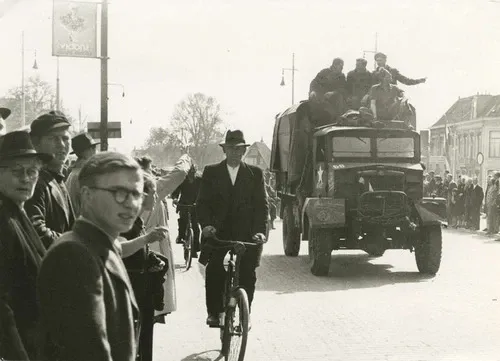
In the evening around half past seven, the first patrol of the Canadian infantry battalion Le régiment De La Chaudière rode into town with flame-throwers and machine guns. The German troops stayed away, and the full Canadian battalion followed.
Sneek was liberated, but freedom was not yet guaranteed as German troops tried to escape via the Afsluitdijk towards Friesland. The Canadian Regiment of the Queens Own Rifles moved through Sneek to the Afsluitdijk and fiercely fought at Wons. Six Canadian soldiers were killed. They were temporarily buried at Sneek General Cemetery. In 1946, they were reburied at the Canadian Field of Honour in Holten.
Canadian guests
While waiting to return to their homeland, hundreds of Canadian soldiers were lodged with families in Sneek for about five months. On 1 June, the Perth Regiment arrived in the town, which they temporarily renamed Stratford. They were involved in the liberation of Groningen. A committee was set up to entertain the soldiers with various activities. From dances to sailing competitions and special church services.Cordial ties developed between the liberators and the people of Sneek. And sometimes more than that. For Gordon C. Compton and Atty Bouma, one could even speak of "love at first sight". When the last soldiers return home at the end of November, Gordon decided to stay in the Netherlands. On 9 May 1946, he married Atty in Sneek. Not long after, Gordon and his "war bride" left for Canada.
Several monuments in the city recall the special bond with the Canadian military, which remains very close to this day.
-
-
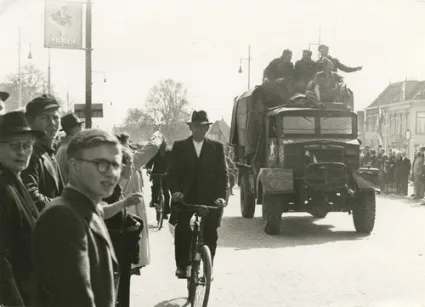
The liberation of Leeuwarden
The liberation of Leeuwarden
On 11 April 1945, it became clear that German resistance in the north of the Netherlands was limited. On 12 April, the Allies seized this opportunity to advance on Friesland as quickly as possible. One of the main goals was to liberate Leeuwarden. The 9th Canadian Infantry Brigade was designated for this purpose. But things would turn out differently.
On 12 April, the Royal Canadian Dragoons entered Friesland at Noordwolde. They were to conduct reconnaissance with their armoured vehicles and reach the Wadden Sea as quickly as possible. As a result, the German troops in Friesland and Groningen would be separated.
On the night of 14 to 15 April, three Squadrons of the Dragoons were at Suameer. Burgum could not be reached earlier that day, because the bridge at Burgummerdam had been blown up by the Germans.
Meanwhile, all sorts of things were happening in nearby Leeuwarden. On 12 April, the airfield had been blown up by the Germans. And they left the city on 14 April. Leeuwarden would not be defended. The Burgerweeshuis (Civil Orphanage) that had housed several German agencies was set on fire. An attempt to blow up the telephone exchange failed due to an ingenious intervention by the resistance. In the early morning of 15 April, the resistance also took to the streets en masse to occupy important points and to capture Germans who had remained behind.
The Dragoons in Suameer were in contact with the resistance in Leeuwarden. Due to various reports, it was unclear whether there was now heavy fighting in Leeuwarden or whether the Germans had left the city completely. Because the Germans had blown up important bridges on the route from Heerenveen to Leeuwarden, the infantry could not quickly provide assistance.
So, the Dragoons went to take a look for themselves. Initially, a patrol of four vehicles was sent via the Groningerstraatweg into the city around half past eleven. One of the Canadians in those vehicles recorded the following:
"As we entered the city, passing through the concrete barrier by the narrow passageway left for normal traffic, we were met by an almost hysterical patrol of Resistance men [...] In a few moments the news of our arrival had spread through the city, and we were given a fantastic welcome as we rolled slowly forward into the centre of town."A resident of Leeuwarden recalled:
"We lived close to the Groningerstraatweg, where our liberators passed. Many hundreds of us stood there, all happy spectators. All of a sudden, two ladies from the row flung themselves forward and threw their arms around the Canadians' necks, saying: "Oh darlings, you’re here at last!"After the patrol determined that the coast was clear, the entire C Squadron, a detachment of the Royal Canadian Engineers and Regimental Headquarters of Lieutenant-Colonel Landell followed. Leeuwarden had been liberated. After this, thousands took to the streets. One of the Canadians wrote:
"We halted, and were immediately surrounded by laughing, yelling mobs of people, bringing flowers to give to us, and cheering every move. The Resistance men were everywhere, doing their best to keep the people within bounds and off the cars, but their efforts were hardly necessary. I never saw a more satisfying gathering in my life."Leeuwarden had been liberated by the Dragoons through unexpected circumstances. On the night of 15 to 16 April, Canadian infantry moved into the city.
-
-
B&B The Wee White Hoose
B&B The Wee White Hoose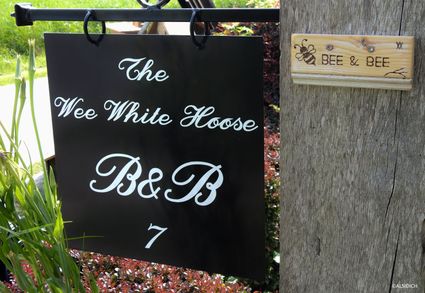
-
De Leijen Beach
De Leijen Beach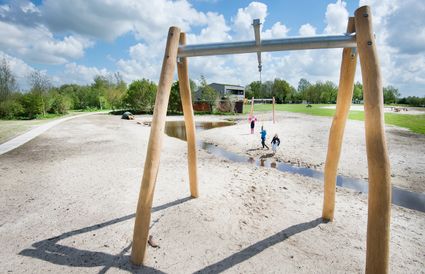
-
Vakantiewoning Holwerd
Vakantiewoning Holwerd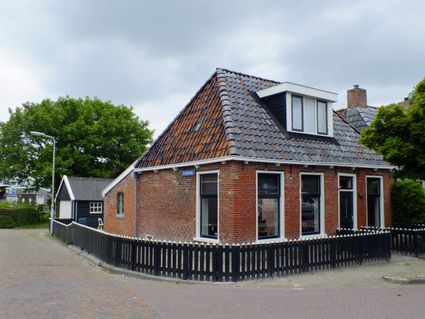
-
Statue of Tryntsje and her seven sons
Statue of Tryntsje and her seven sons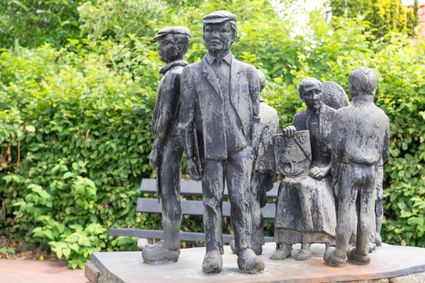
-
Electrosloop Fryslân (Aldtsjerk)
Electrosloop Fryslân (Aldtsjerk)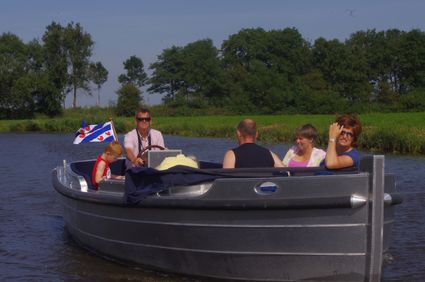
-
Het Lage Noorden
Het Lage Noorden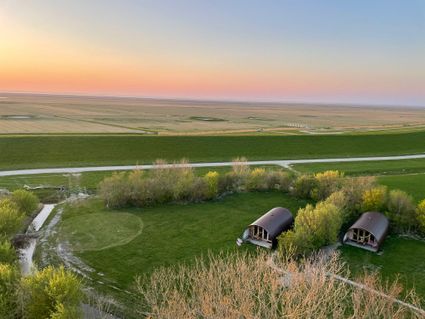
-
Oan 'e Dyk
Oan 'e Dyk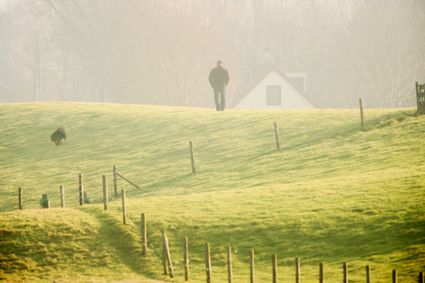
-
11Fountains Dokkum
11Fountains Dokkum
-
Tour de Wadden
Tour de Wadden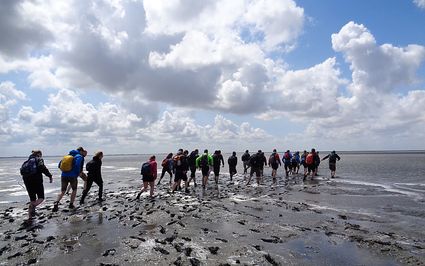
-
Café-Restaurant ’t Raedhûs
Café-Restaurant ’t Raedhûs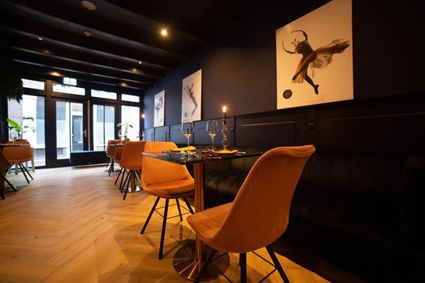
-
Bij De Pastorie Boutique Hotel
Bij De Pastorie Boutique Hotel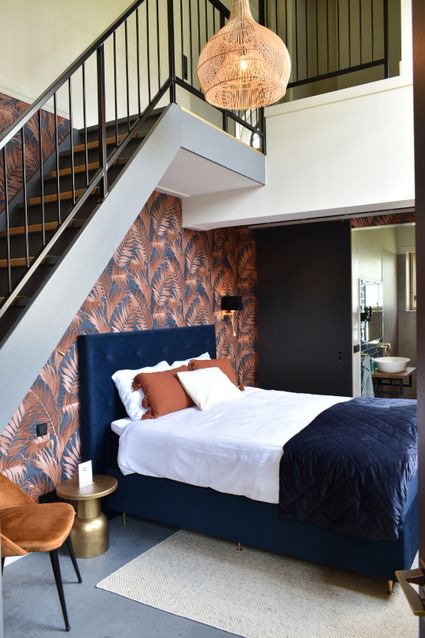
-
Friesland Holland Tourist Information & Travel Service
Friesland Holland Tourist Information & Travel Service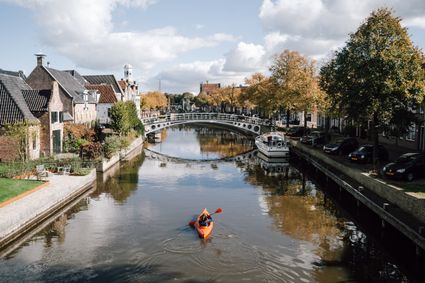
-
Noarderleech Bunker and Training Base
Noarderleech Bunker and Training Base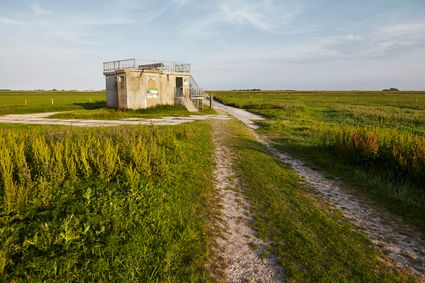
-
Kollum (Kollum)
Kollum (Kollum)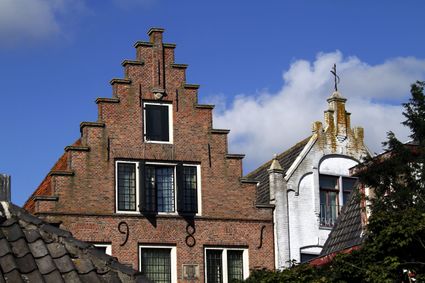
-
Dorpswapen
Dorpswapen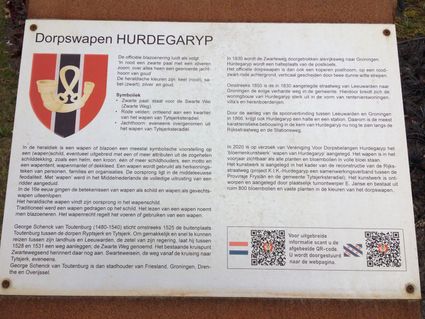
-
Blauwhoek Bathing Site
Blauwhoek Bathing Site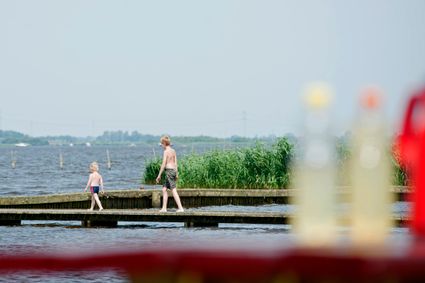
-
Cultural and Historical Centre De Schierstins
Cultural and Historical Centre De Schierstins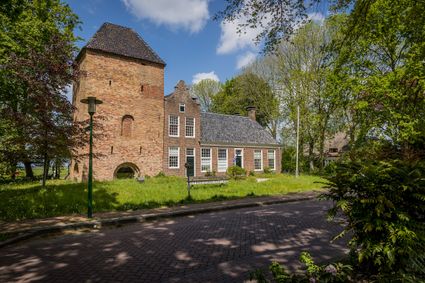
-
Fogelsangh State Country House and Estate
Fogelsangh State Country House and Estate