Location
353 to 384 of 415 results
-
Historic Hotel Hurdegaryp
Historic Hotel Hurdegaryp
-
It Lytse Slot Manor
It Lytse Slot Manor
-
Eleven Cities Tour sculpture Aukje in Sneek
Eleven Cities Tour sculpture Aukje in Sneek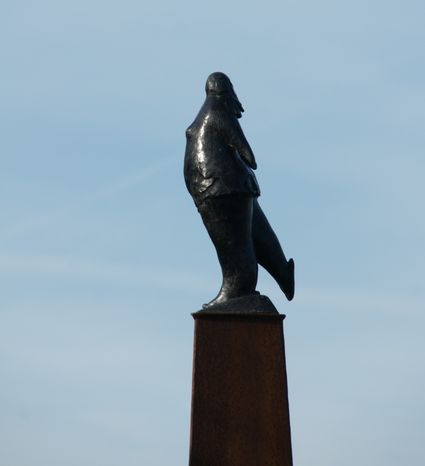
-
B&B Het Woudhuisje
B&B Het Woudhuisje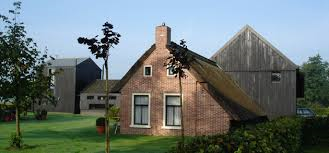
-
Former Notary's House
Former Notary's House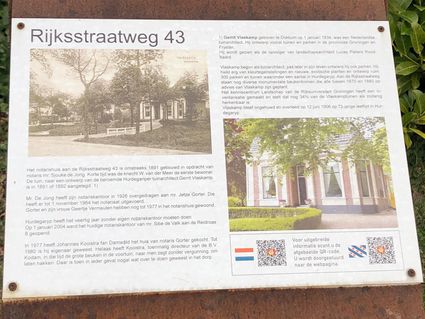
-
SurfSpot Lauwersmeer - Oostmahorn
SurfSpot Lauwersmeer - Oostmahorn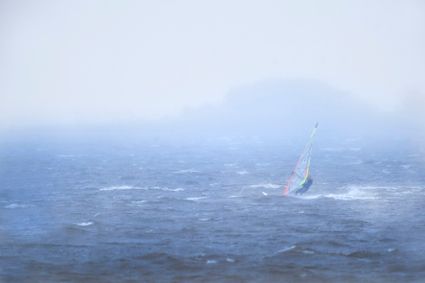
-
B&B The Wee White Hoose
B&B The Wee White Hoose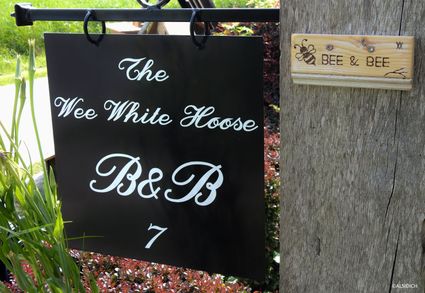
-
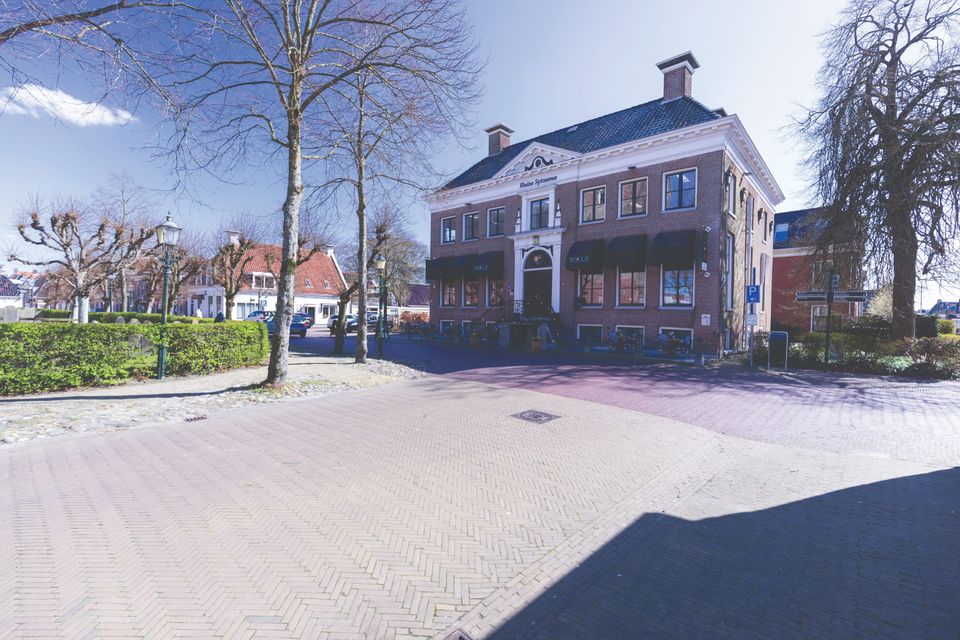
Sytzama House
Sytzama House
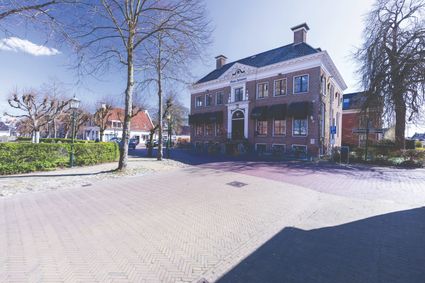
What is now a grand café has a history closely connected with local government, the Second World War, and Baron Willem van Sytzama, the building's first owner, after whom it is named.
In Van Sytzama's time, there were very few buildings nearby. Instead, a large landscaped garden with extensive ponds stretched out behind the house. Baron Willem van Sytzama believed he was happily married to Cecilia van Heemskerk, but she left him for another man. Although the baron took legal action in an attempt to prevent the separation, he was unsuccessful. She never returned, and he never remarried. In later years, however, the building served as Kollum's town hall, where hundreds of marriages were celebrated.
During the Second World War, Mayor Gerben Feitsma was sworn into office in this building. The ceremony took place with prominent displays of flags and the Nazi salute. For that reason, Feitsma is often described as an NSB (Dutch National Socialist Movement) mayor. At the same time, there is evidence that he occasionally helped prevent residents of Kollum from being sent to Germany for forced labour by employing them on his farm. Because of his wartime record, his name is not always included in historical accounts.
His brother, Jan Feitsma, became notorious for a different reason. As Prosecutor General, he ordered signs reading "Jews Forbidden" to be displayed throughout the occupied Netherlands. The policy caused considerable controversy in Kollum during the war. The local tennis club preferred to close its courts rather than display such a sign. In early 1945, Jan Feitsma was shot dead by members of the Dutch Resistance. His funeral in Kollum was attended by numerous members of the SS.
-
-
TIP Eastermar – tips from the people who live here
TIP Eastermar – tips from the people who live here
-
National Park 'De Alde Feanen'
National Park 'De Alde Feanen'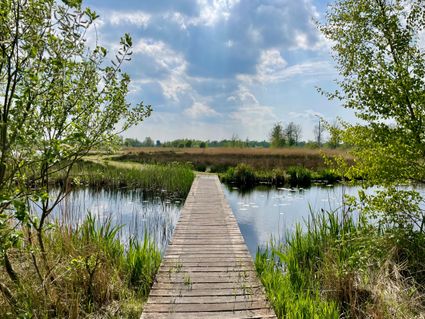
-
Kafee It wapen fân Fryslân
Kafee It wapen fân Fryslân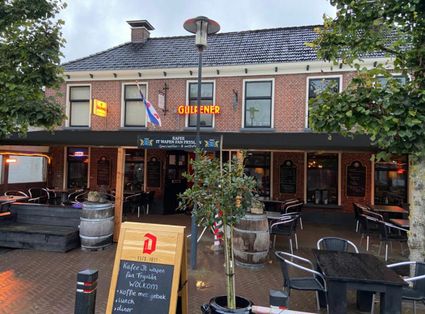
-
Artwork Maarten van der Weijden
Artwork Maarten van der Weijden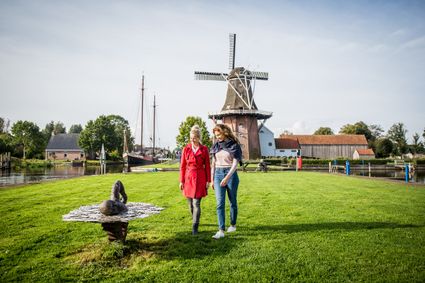
-
Shipwreck at Wierum (visible at low tide)
Shipwreck at Wierum (visible at low tide)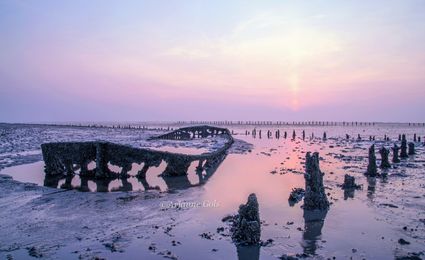
-
TOP Harkema
TOP Harkema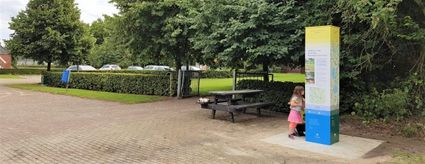
-
Brasserie Om de dobben
Brasserie Om de dobben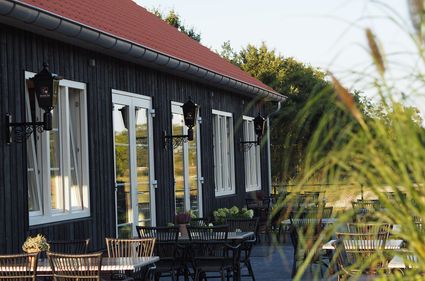
-
De Klinze Country House and Estate
De Klinze Country House and Estate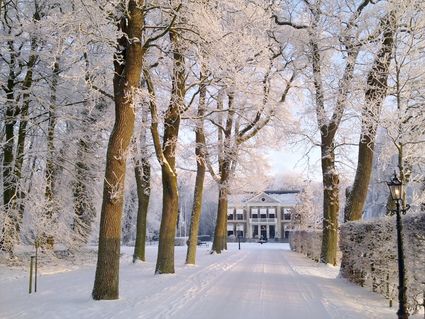
-
Soestpolder Nature Reserve
Soestpolder Nature Reserve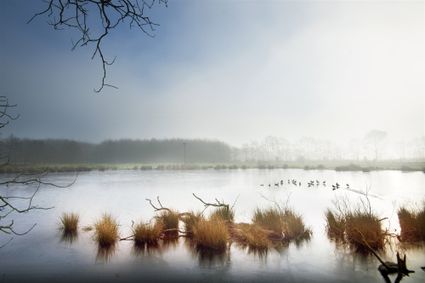
-
Twijzelermieden Nature Reserve
Twijzelermieden Nature Reserve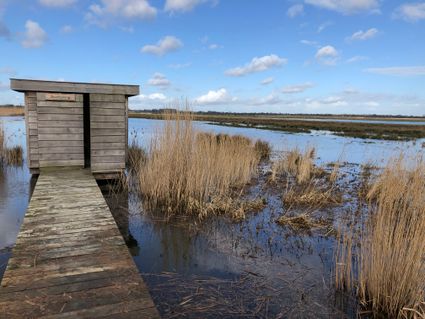
-
Statue of Tryntsje and her seven sons
Statue of Tryntsje and her seven sons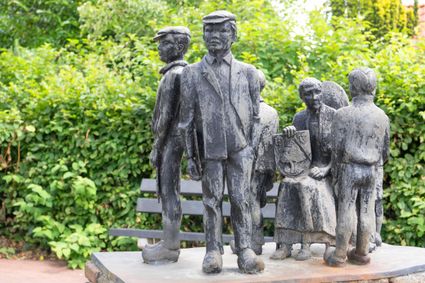
-
Earnewâld
Earnewâld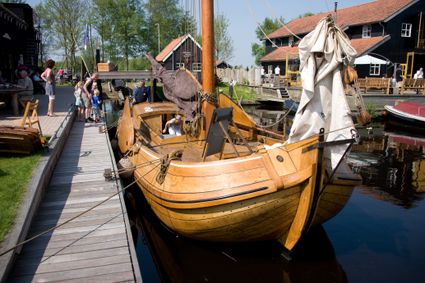
-
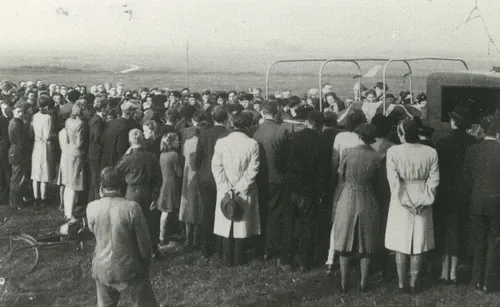
Attack on the port of Oostmahorn
Attack on the port of Oostmahorn
The liberation of the north-eastern part of Friesland was not achieved without a struggle. The Dutch Domestic Armed Forces (NBS) and Canadian troops fought fierce battles, partly side by side. It was mainly occupiers fleeing in panic who caused fights and shootings that claimed victims on both sides. A fierce battle was also fought over the port of Oostmahorn.
After the liberation of Dokkum, Kollum and Dokkumer Nieuwe Zijlen, the attention of the Canadian troops turned to the port of Oostmahorn. It was the gateway to the island of Schiermonnikoog, which was part of the German defence line, the Atlantic Wall. This bulwark ran along the coasts of France to Norway. During the war, and extensive occupying force was stationed on the Wadden Island.
The village of Oostmahorn was "relieved" by the Dutch Domestic Armed Forces (NBS) on Saturday, 14 April, after the German Grenzschutz (border control) left in silence for Schiermonnikoog. Meanwhile, a group of more than a hundred fleeing SS and SD men and a dozen women crossed the Lauwerszee from Groningen near Zoutkamp with three boats to the island. A number of them were high-ranking SD members of the infamous Scholtenhuis in Groningen. When the NBS saw them sailing past from the port of Oostmahorn, shots were fired back and forth.
The German occupying forces on Schiermonnikoog then wanted to take revenge. The village and the port of Oostmahorn were attacked from the island for two hours on Monday, 16 April. A convoy of three Dutch boats left for the port with the aim of landing there. Meanwhile, the help of the B-Squadron of the Royal Canadian Dragoons (1st Armoured Carrier Regiment) in Dokkum had been called in. The attack was narrowly repelled, but two Canadian soldiers from a reconnaissance group were killed. A defence line of foxholes and armoured vehicles was erected around the village.
Further reinforcements were called in that day from Leeuwarden, where C Company of the North Nova Scotia Highlanders were sent to the coastal strip to patrol for German landing attempts.
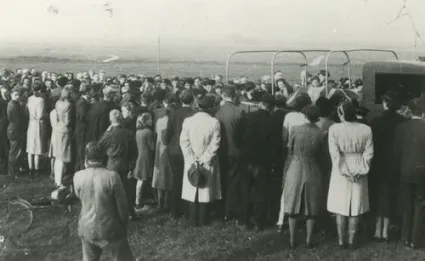
After a brief but heavy shelling from the Canadians as a warning, a mediator was sent to the island the next day. The highest-ranking SD officer refused to surrender. They were waiting for an escape with a Schnell boat that was to take them to the German Wadden island of Borkum on 3 May. That turned out to be in vain, but in the meantime they kept the island occupied, even after the general capitulation of the whole of the Netherlands on 5 May.It was not until 11 June that two boats, the MS Waddenzee and the MS Brakzand, transported the last occupiers of Schiermonnikoog to the port of Oostmahorn. A column of army trucks packed with prisoners of war left the port under the guard of the Allies. From there they went to the POW camp in Beerta (Groningen).
-
-
Dekema State
Dekema State
-
Museum Dokkum
Museum Dokkum
-
Grutte Pier Brewery
Grutte Pier Brewery
-
Drogehamstermieden Nature Reserve
Drogehamstermieden Nature Reserve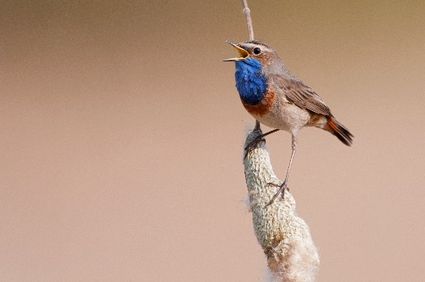
-
Bootverhuur Bonkevaart
Bootverhuur Bonkevaart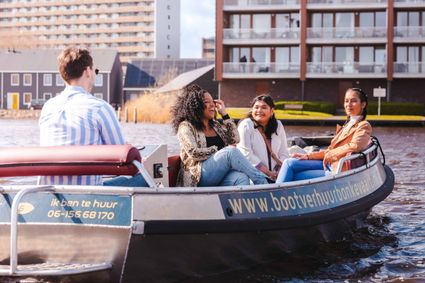
-
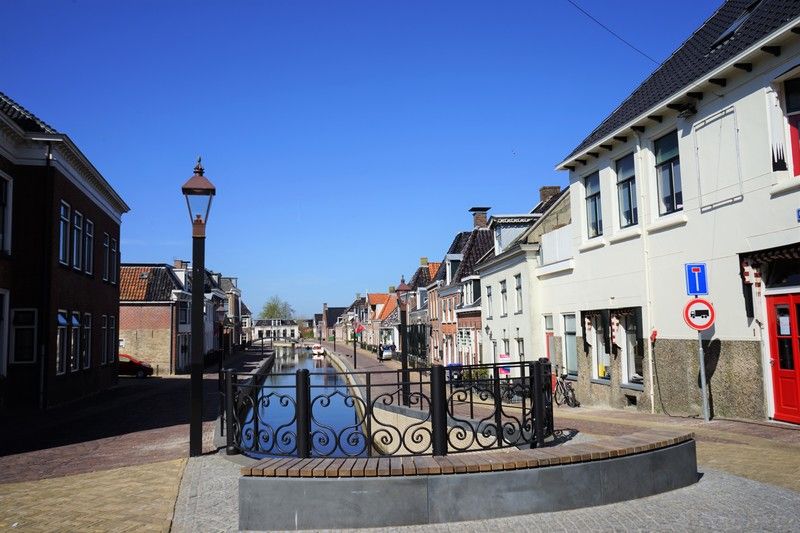
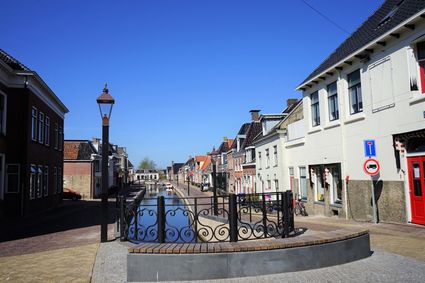
Oosterdiepswal and Westerdiepswal
Oosterdiepswal and Westerdiepswal
On both sides of the Sylster Ryd, in the oldest part of Kollum's historic centre, lie the Oosterdiepswal and Westerdiepswal.
These embankments, locally known simply as the Wallen, are already mentioned in the earliest historical records of Kollum. The Sylster Ryd connected here with the major waterways to the north and south of the village.
During the 16th and 17th centuries, Kollum was a thriving centre of trade and commerce. Its town centre played an important logistical role in regional trading activities. Development along the Wallen began after this waterway was excavated in the early 16th century. Businesses that depended on water transport for the delivery of raw materials and the shipment of goods established themselves here. Historical records mention pottery workshops, a brewery, a tannery and a shipyard. Several windmills also stood along the Wallen, although mills could be found elsewhere in the village as well. Today, the Wallen form part of Kollum's protected historic townscape.
-
-
Old Town Hall in Dokkum
Old Town Hall in Dokkum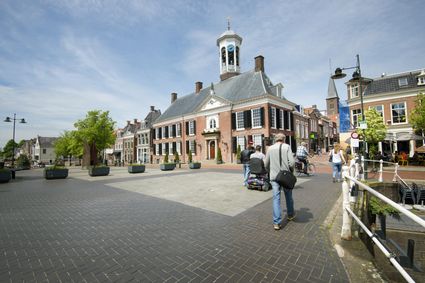
-
Pilgrim-Hikers cabin
Pilgrim-Hikers cabin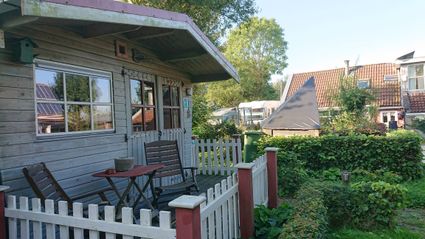
-
Boerenthuis de Prikkebosk
Boerenthuis de Prikkebosk
-
Waterdorp Burdaard
Waterdorp Burdaard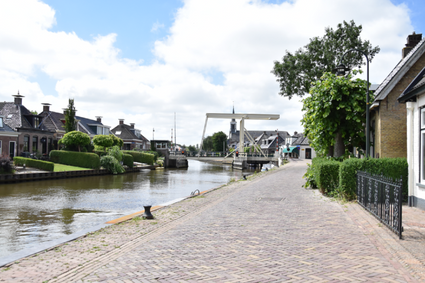
-
Bolsward (Boalsert)
Bolsward (Boalsert)