Location
193 to 224 of 981 results
-
Seventy evacuees from Arnhem and Limburg
The grave monument in Gytsjerkwas erected in memory of Maria v/d Heuij. Maria was one of seventy evacuees from Arnhem and Limburg who arrived in Gytsjerk on 22 January 1945. Maria died a day later, just a few months old. The harsh conditions during the trip had proved fatal to her. Maria did not live to see the liberation. Fortunately, many of the other evacuees with whom she undertook the journey did.
Symbolism
The monument's spiritual father, artist Klaas Bokma, chose two carts because this was the means of transport often used by evacuees. The four withered trees symbolise death. The cross is not only a symbol of the Christian faith, but also a reminder of the sacrifice made by war victims for a life of freedom.
The oldest pupils of Ichtus and Thrimwalda primary schools take care of this monument.
Gytsjerk
-
-
Bêd en Brochje de Hollen
Ryptsjerk
-
Eastermar - De Achterwei - Uitkijkpunt
Eastermar
-
Salonboot De Nieuwe Liefde
Leeuwarden
-
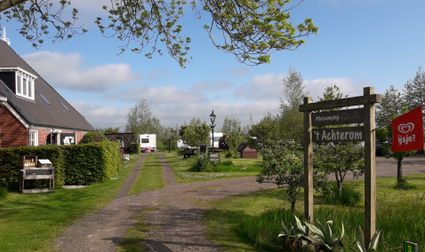
Campground Achterom
Campground Achterom
Kollum
-
Rinsma State Country House and Estate
Driezum
-
Timpelsteed
Timpelsteed
Engwierum
-
Timertsmar
Timertsmar
Grou
-
Alde Feanen - Romsicht - Uitkijktoren
Oudega Gem Smallingerlnd
-
Burgum - Soestpolder - Hege Diken - Vogelkijkhut
Burgum
-
Armenhuis Noardburgum
Noardburgum
-
Beauty en Sauna De Leeuwerikhoeve
Burgum
-
Logement Doosje
Logement Doosje
Warfstermolen
-
Klein Zwitserland Lakeside Beach
Sumar
-
Dokkumer Bolwerken
Dokkumer Bolwerken
Dokkum
-
Onze Groene Koe
Onze Groene Koe
Twijzelerheide
-
Bloemenparadyske
Bloemenparadyske
Kollum
-
Fogelsangh State Country House and Estate
Veenklooster
-
Alde Feanen - Otterproject - Observatietoren
Warten
-
Toutenburger bos
Toutenburger bos
Noardburgum
-
Sint-Martinuskerk Kollum
Kollum
-
Oudega - Plasdras - Vogeluitkijkpunt
Oudega
-
Toeristisch Informatie Punt Lauwersoog
Lauwersoog
-
Groepsaccommodatie OmmeRomte
Dokkumer Nieuwe Zijlen
-
Bezoekerscentrum Aerden Plaats
Oudebildtzijl
-
Het Paviljoen
Het Paviljoen
Dokkum
-
Farm Shop Wâldpleats
Burgum
-
Oosterschar - Vogelkijkhut 'Skiere Goes'
Rotstergaast
-
Veenkloosterbos Forest on Fogelsangh State Country Estate
Veenklooster
-
Gedicht: Dooide iispret | Hein Jaap Hilarides
-
Accept cookies to see this content.
Gedicht: Dooide iispret | Hein Jaap Hilarides
Britsum
-
-
Wad'n Hûs
Wad'n Hûs
Kollum
-
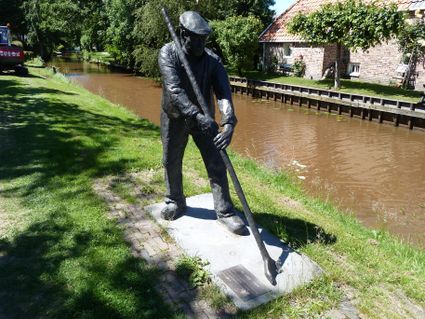
Headmaster Jakob Klok in the resistance
During the war, Jakob (Jaap) Klok ended up in the resistance in Dantumadeel, where he played an important role. At the time, he lived with his wife and four children in Akkerwoude, where he was headmaster of the school at Hearewei 13. He stayed there until 1947 and will always be remembered as "Headmaster Klok."
Jaap Klok was active socially and in politics as a member of the Dutch Social Democratic Labour Party (SDAP). When party meetings were banned by the German occupiers, Jaap imperceptibly became ever more involved in resistance activities. He passed on party information, distributed illegal newspapers, and looked for addresses for people in hiding. Jaap Klok joined the LO, the National Organisation for Aid to people in Hiding, and became the Akkerwoude village commander.
Although people did not know exactly what he did, it was known that he was in the resistance. Despite the fact that his name circulated among NSB members, he decided not to go into hiding, but instead tried to be even more careful and to sleep at home more often than not.
As the war drew to a close, Jaap became very busy. The Dutch government in exile was calling on railway workers to go on strike. The resistance arranged for the hiding. On 15 December 1944, a group of about sixty refugees from Arnhem arrived at his school. Jaap was indirectly involved in the evacuation committee, which was looking for addresses for the unfortunate Arnhem residents.
Shortly thereafter, he was warned at the schoolhouse that during a raid in Murmerwoude, explicit questions were asked about schoolmaster Klok. Jaap did not hesitate a second and quickly left the house. And not a moment too soon, as ten minutes after his departure the Germans were already on his doorstep. From that moment on, Jaap knew that he had to be very careful. He hardly ever slept at home anymore.
From January 1945 onwards, the situation became explosive. After the discovery of weapons on a farm in Aalsum, the Germans became fanatical. They relentlessly hunted down resistance fighters and used any means to make those who were caught talk. The name "Jaap Klok" was also mentioned during these interrogations. Sufficient reason to leave then and there, with his whole family. The children stayed with relatives. He and his wife went into hiding elsewhere.
During the last weeks of the war, Jaap was very busy. Much had to be organised and discussed within the resistance to expel the Germans and prepare for the arrival of the Canadians. Just before Dantumadeel was liberated, the inhabitants were already beside themselves with joy. They raised the flag and took to the streets en masse to celebrate. Because of his resistance work, Jaap knew exactly what the situation was with regard to the liberation. He climbed onto the balcony of the town hall and addressed the people. After all, the danger had not yet passed. Even when that was the case shortly thereafter, he ensured that peace was maintained among the population of Dantumadeel and thus prevented the molestation of a number of NSB members.
After the war, he held many administrative positions in the province of Friesland. In 1984, Jaap Klok died at the age of 91. Fifteen years later, a statue of him was erected in Akkerwoude, which was then called Damwoude, as a tribute.
From the book "De oorlog een gezicht geven" (deel 6) – Dantumadeel in de periode '40 - '45 by Yvonne te Nijenhuis and Reinder H. Postma
Damwald
-