Location
65 to 96 of 415 results
-
Terp fan de Takomst
Terp fan de Takomst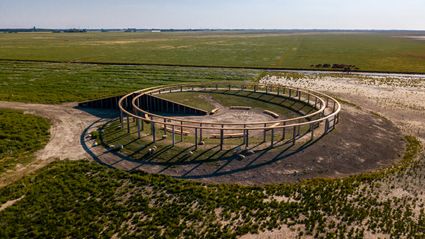
-
Beaches at Lauwersoog
Beaches at Lauwersoog
-
Leeuwarden (Ljouwert)
Leeuwarden (Ljouwert)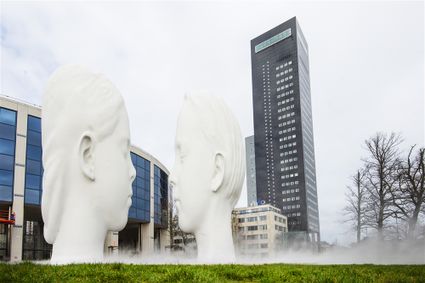
-
VVV Hindeloopen - Eleven Cities Stamp Station
VVV Hindeloopen - Eleven Cities Stamp Station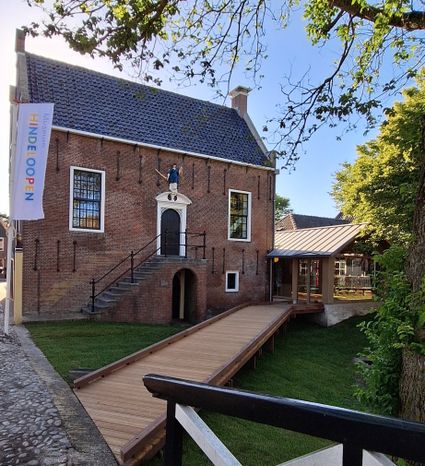
-
Oosterkerk
Oosterkerk
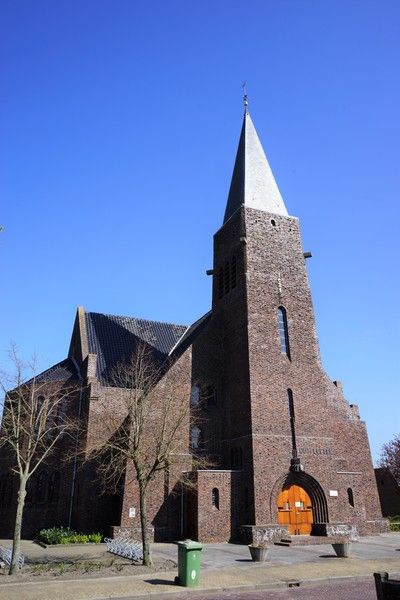
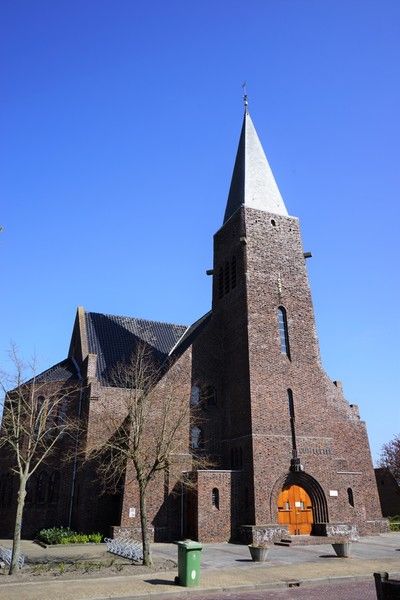
A church built in the Amsterdam School style, designed by the architect Egbert Reitsma.
Stepping inside the Oosterkerk in Kollum is a remarkable experience. Your attention is immediately drawn to the spectacular painted wooden ceiling, decorated with abstract, flowing and geometric patterns. The artwork was created by George Martens (1894–1979), a Dutch painter and graphic artist best known as a member of the Groningen artists' collective De Ploeg.
The ceiling's rich reds, ochres, blues and green accents seem almost to be in motion, creating a flowing, wave-like effect. Set against the brick walls and the church's restrained furnishings, the artwork becomes even more striking. Daylight streaming through the tall windows highlights the texture of the wood and makes the colours appear even more vibrant.
The church's architecture, designed by Egbert Reitsma—who was also a member of De Ploeg—enhances this unique experience. Its parabolic arch construction creates exceptional acoustics and a remarkable sense of space. Even the light fitting designed by Reitsma is considered a museum piece in its own right. Local tradition has it that not everyone in Kollum appreciated the lavish decoration when the church was first built. To some, it resembled a theatre or even a cinema more than a church. Today, however, the amphitheatre-shaped interior is precisely what makes a visit to the Oosterkerk so memorable.
-
-
The lock at Iezumasyl
The lock at Iezumasyl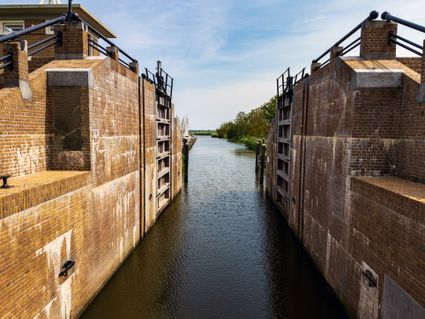
-
City Brewery and Bonifatius754 Museum
City Brewery and Bonifatius754 Museum
-
Wierum (Wierum)
Wierum (Wierum)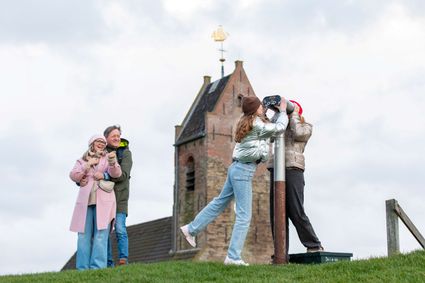
-
Schreiershoek recreation and vacation park
Schreiershoek recreation and vacation park
-
TOP Feanwâlden
TOP Feanwâlden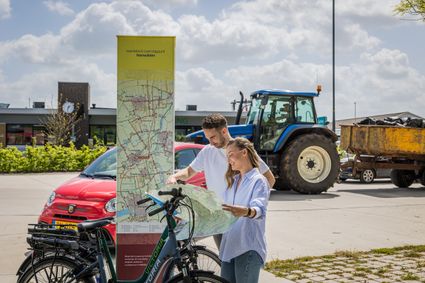
-
Stavoren (Starum)
Stavoren (Starum)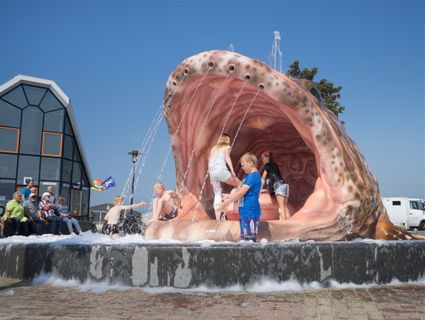
-
Eleven Cities Tour winner Karst Leemburg
Eleven Cities Tour winner Karst Leemburg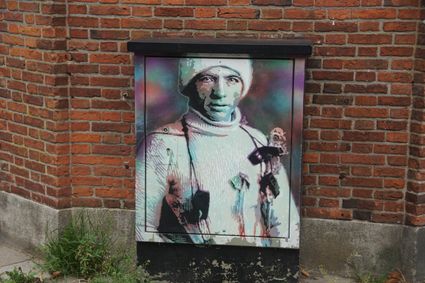
-
Church Sint-Thomaskerk in Waaxens
Church Sint-Thomaskerk in Waaxens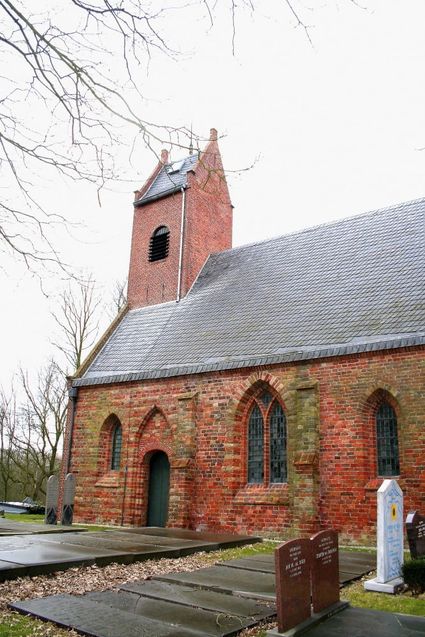
-
St. Boniface's Church Damwâld
St. Boniface's Church Damwâld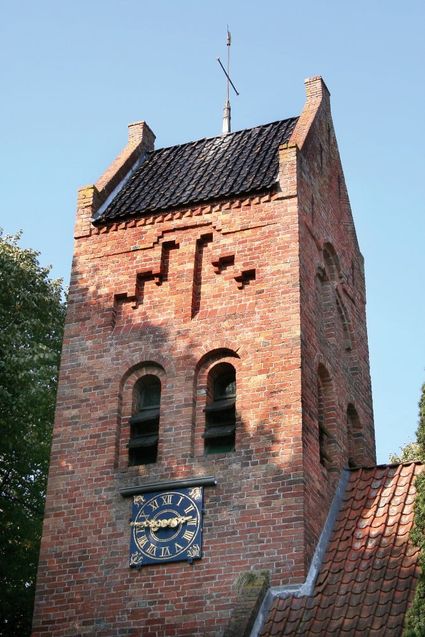
-
B&B De Koesfabriek
B&B De Koesfabriek
-
Voedselbos de Iest
Voedselbos de Iest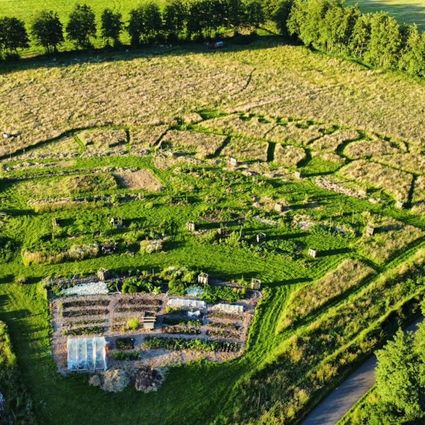
-
De HerdersHoeve
De HerdersHoeve
-
the guesthouse
the guesthouse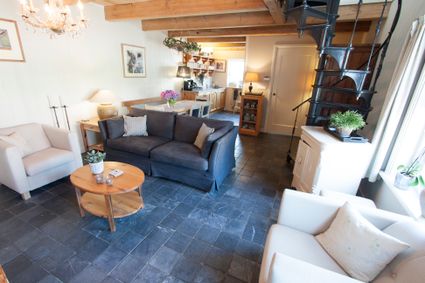
-
Attack on the port of Oostmahorn
Attack on the port of Oostmahorn
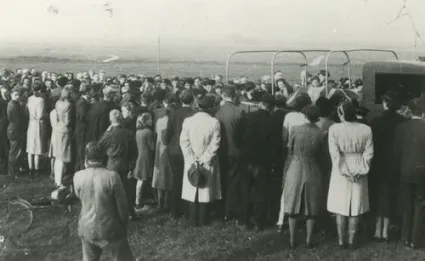
The liberation of the north-eastern part of Friesland was not achieved without a struggle. The Dutch Domestic Armed Forces (NBS) and Canadian troops fought fierce battles, partly side by side. It was mainly occupiers fleeing in panic who caused fights and shootings that claimed victims on both sides. A fierce battle was also fought over the port of Oostmahorn.
After the liberation of Dokkum, Kollum and Dokkumer Nieuwe Zijlen, the attention of the Canadian troops turned to the port of Oostmahorn. It was the gateway to the island of Schiermonnikoog, which was part of the German defence line, the Atlantic Wall. This bulwark ran along the coasts of France to Norway. During the war, and extensive occupying force was stationed on the Wadden Island.
The village of Oostmahorn was "relieved" by the Dutch Domestic Armed Forces (NBS) on Saturday, 14 April, after the German Grenzschutz (border control) left in silence for Schiermonnikoog. Meanwhile, a group of more than a hundred fleeing SS and SD men and a dozen women crossed the Lauwerszee from Groningen near Zoutkamp with three boats to the island. A number of them were high-ranking SD members of the infamous Scholtenhuis in Groningen. When the NBS saw them sailing past from the port of Oostmahorn, shots were fired back and forth.
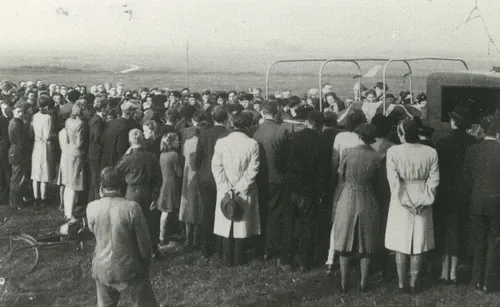
The German occupying forces on Schiermonnikoog then wanted to take revenge. The village and the port of Oostmahorn were attacked from the island for two hours on Monday, 16 April. A convoy of three Dutch boats left for the port with the aim of landing there. Meanwhile, the help of the B-Squadron of the Royal Canadian Dragoons (1st Armoured Carrier Regiment) in Dokkum had been called in. The attack was narrowly repelled, but two Canadian soldiers from a reconnaissance group were killed. A defence line of foxholes and armoured vehicles was erected around the village.
Further reinforcements were called in that day from Leeuwarden, where C Company of the North Nova Scotia Highlanders were sent to the coastal strip to patrol for German landing attempts.
After a brief but heavy shelling from the Canadians as a warning, a mediator was sent to the island the next day. The highest-ranking SD officer refused to surrender. They were waiting for an escape with a Schnell boat that was to take them to the German Wadden island of Borkum on 3 May. That turned out to be in vain, but in the meantime they kept the island occupied, even after the general capitulation of the whole of the Netherlands on 5 May.It was not until 11 June that two boats, the MS Waddenzee and the MS Brakzand, transported the last occupiers of Schiermonnikoog to the port of Oostmahorn. A column of army trucks packed with prisoners of war left the port under the guard of the Allies. From there they went to the POW camp in Beerta (Groningen).
-
-
Bootverhuur Bonkevaart
Bootverhuur Bonkevaart
-
The Philippusfenne – Kollum's Notary Garden
The Philippusfenne – Kollum's Notary Garden
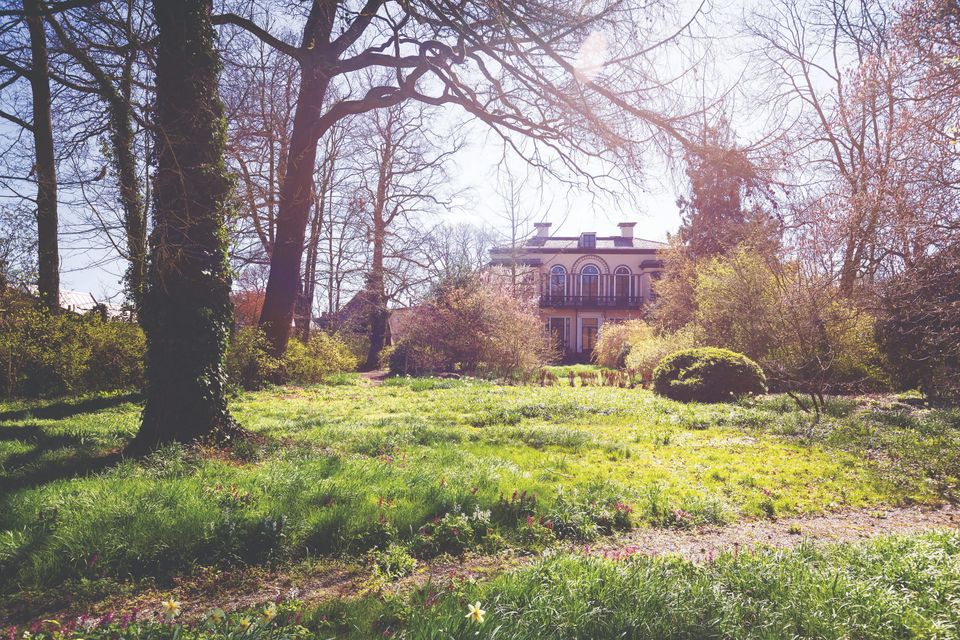
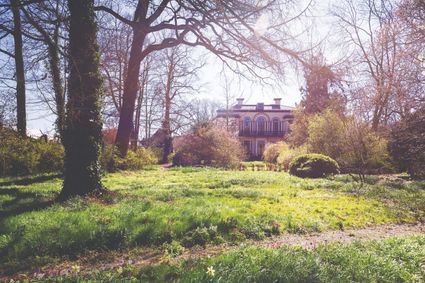
The Philippusfenne, better known as Kollum's Notary Garden, is a beautiful historic garden created in the 19th century as an oasis of peace and greenery.
The Philippusfenne is a garden with a story. In 1847, the notary Daniel Hermannus Andreae commissioned the construction of a country house here, surrounded by an elegant garden designed in the English landscape style. The garden was created by the renowned landscape architect Lucas Pieters Roodbaard, who also designed the park surrounding Fogelsangh State in Veenklooster. Its winding paths, ornamental ponds and impressive mature trees create a unique combination of nature and history in the heart of Kollum.
One of the garden's most distinctive features is its abundance of stinzen plants—traditional spring-flowering bulbs associated with historic estates in the northern Netherlands. In early spring, snowdrops, crocuses and other rare flowers bloom in profusion, creating a fairy-tale landscape even during the colder months.
-
-
Pucks Pluktuin l flower-picking garden
Pucks Pluktuin l flower-picking garden
-
Hoeve aan de Waddenzee
Hoeve aan de Waddenzee
-
TOP Dokkumer Nieuwe Zijlen
TOP Dokkumer Nieuwe Zijlen
-
Klein Humalda
Klein Humalda
-
Dijk van een Wijf
Dijk van een Wijf
-
Villa Nova
Villa Nova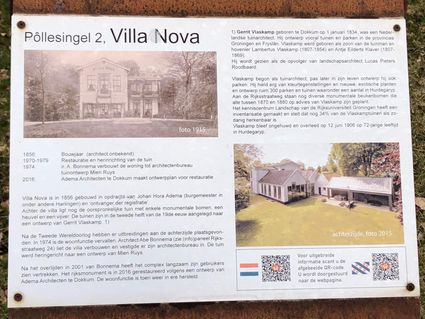
-
Artwork Maarten van der Weijden
Artwork Maarten van der Weijden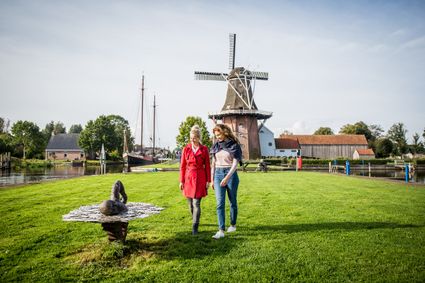
-
Rinsma State Country House and Estate
Rinsma State Country House and Estate
-
Heemstra State
Heemstra State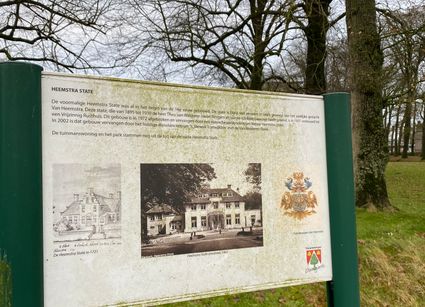
-
Dokkumer Nieuwe Zijlen Lock and Sea Defence
Dokkumer Nieuwe Zijlen Lock and Sea Defence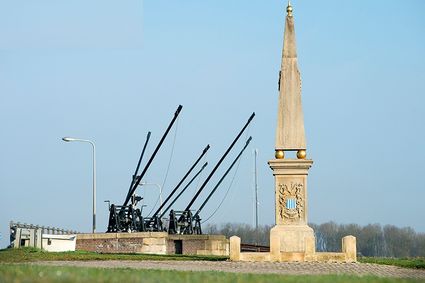
-
The Former Weigh House
The Former Weigh House
A look at old photographs reveals that the building looks even more attractive today than its predecessor. The people of Kollum have taken good care of this historic landmark. The weigh house was a public building where goods could be officially weighed. Its presence was particularly important for trade in butter and cheese.
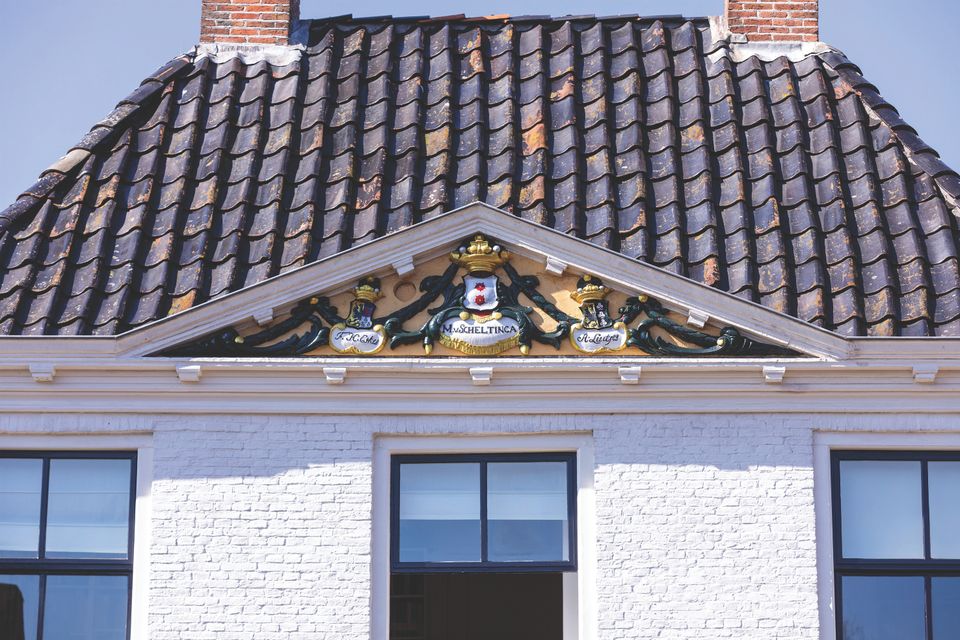
A public weigh house in Kollum is first mentioned in the 16th century. That original building stood next to the Rechthuis (courthouse). In 1779, a new weigh house was built here on the Westerdiepswal, at the heart of the bustling waterfront. The wide entrance to the former weighing hall, where two weighing scales were once installed, can still be clearly recognised in the façade.
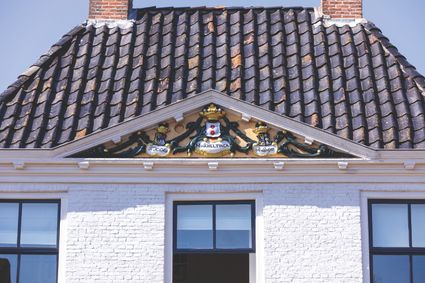
The pediment above the façade bears the coats of arms and names, added in 1779, of grietman (district magistrate) Martinus van Scheltinga, his deputy Focke Hijlckes Eskes, and Albert Luitjens, who served together with Eskes as church warden. The building was owned by the Dutch Reformed Church, which leased out the weigh house. In 1871 it was sold to a private owner, after which an official weighmaster appointed by the municipality supervised its operation. With the rise of the dairy industry in Friesland, the weigh house gradually lost its function. In 1895, the building was converted into a private residence.
-