All activities in Northeast Friesland
97 to 120 of 342 results
-
De Leiker
De Leiker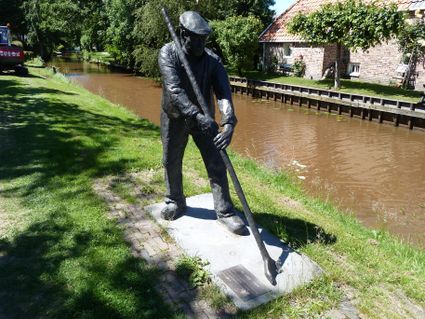
-
Eastermar Bathing and Play Area
Eastermar Bathing and Play Area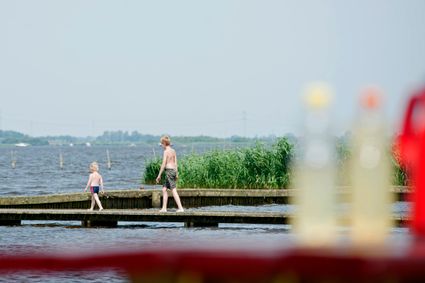
-
BinnenInn 24-Person Group Stay
BinnenInn 24-Person Group Stay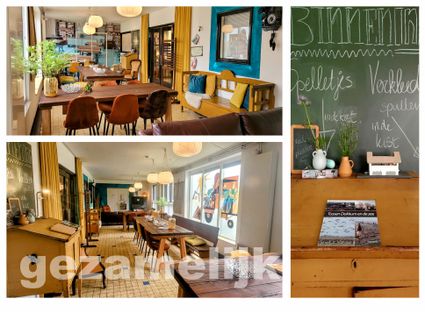
-
Eeltsjemar Lake Beach
Eeltsjemar Lake Beach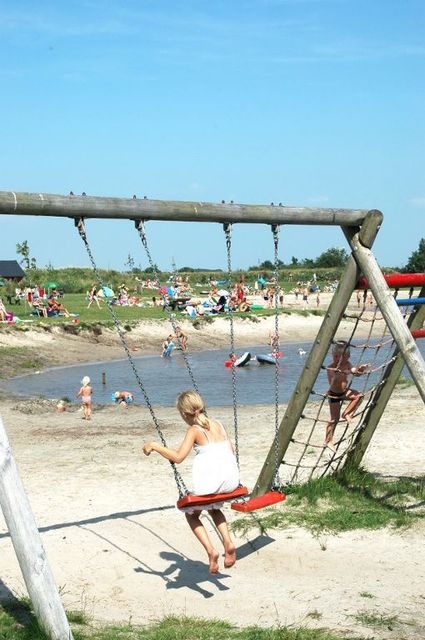
-
Terp fan de Takomst
Terp fan de Takomst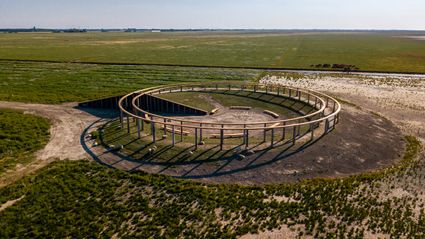
-
Sloop rental Burdaard
Sloop rental Burdaard
-
Ternaard village
Ternaard village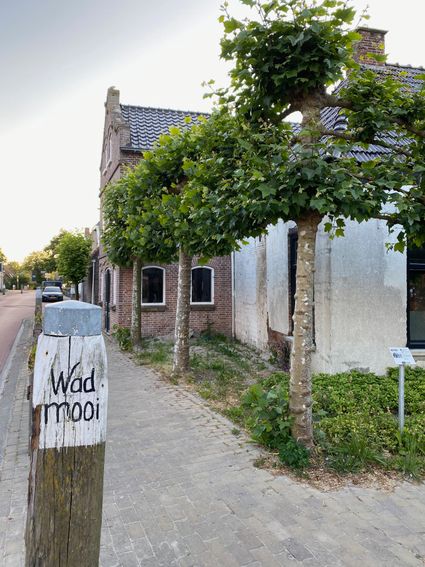
-
Vakantiewoning Holwerd
Vakantiewoning Holwerd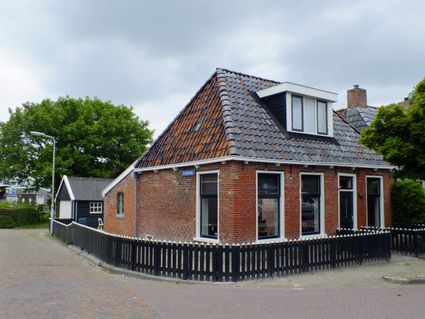
-
Accommodatie Claercamp
Accommodatie Claercamp
-
TOP Earnewâld
TOP Earnewâld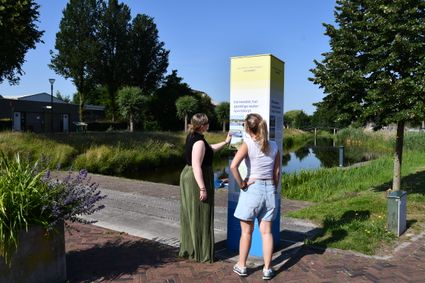
-
Campsite Tjaerda State
Campsite Tjaerda State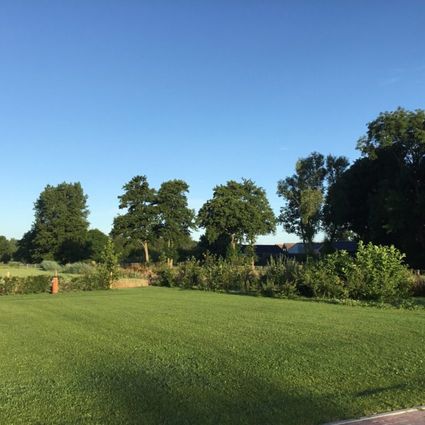
-
Statue of Tryntsje and her seven sons
Statue of Tryntsje and her seven sons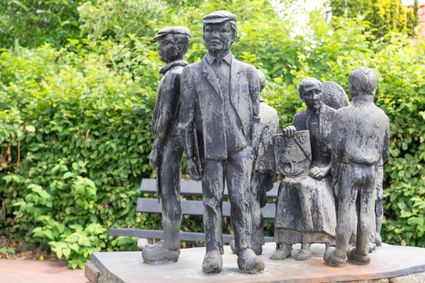
-
De Kruidhof
De Kruidhof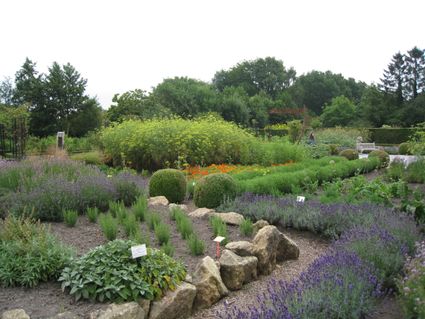
-
Church Sint-Thomaskerk in Waaxens
Church Sint-Thomaskerk in Waaxens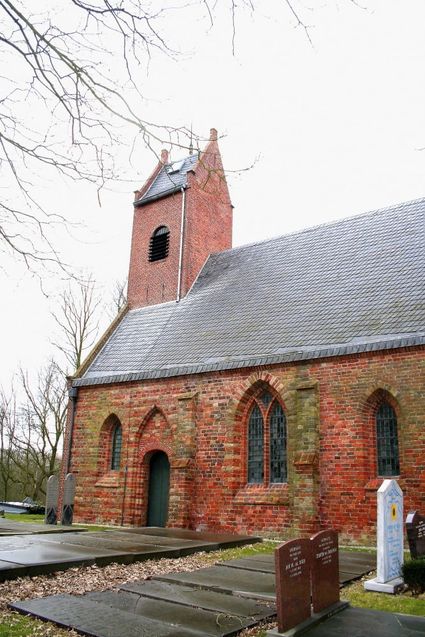
-
Doarpstsjerke Jistrum
Doarpstsjerke Jistrum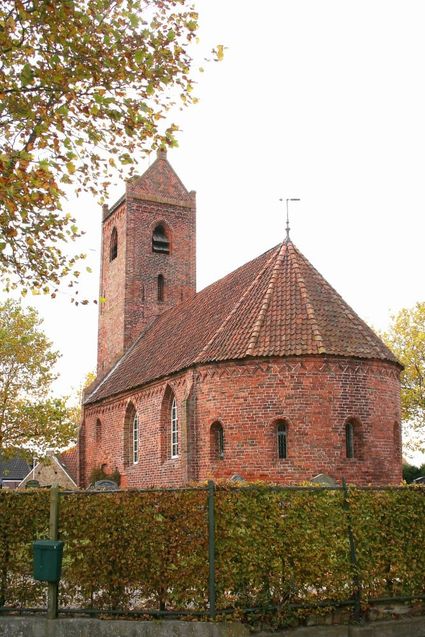
-
The Former Weigh House
The Former Weigh House
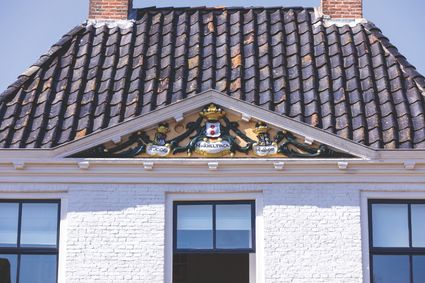
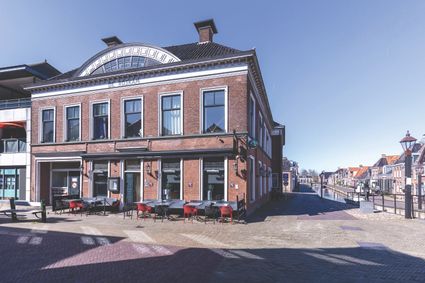
A look at old photographs reveals that the building looks even more attractive today than its predecessor. The people of Kollum have taken good care of this historic landmark. The weigh house was a public building where goods could be officially weighed. Its presence was particularly important for trade in butter and cheese.
A public weigh house in Kollum is first mentioned in the 16th century. That original building stood next to the Rechthuis (courthouse). In 1779, a new weigh house was built here on the Westerdiepswal, at the heart of the bustling waterfront. The wide entrance to the former weighing hall, where two weighing scales were once installed, can still be clearly recognised in the façade.
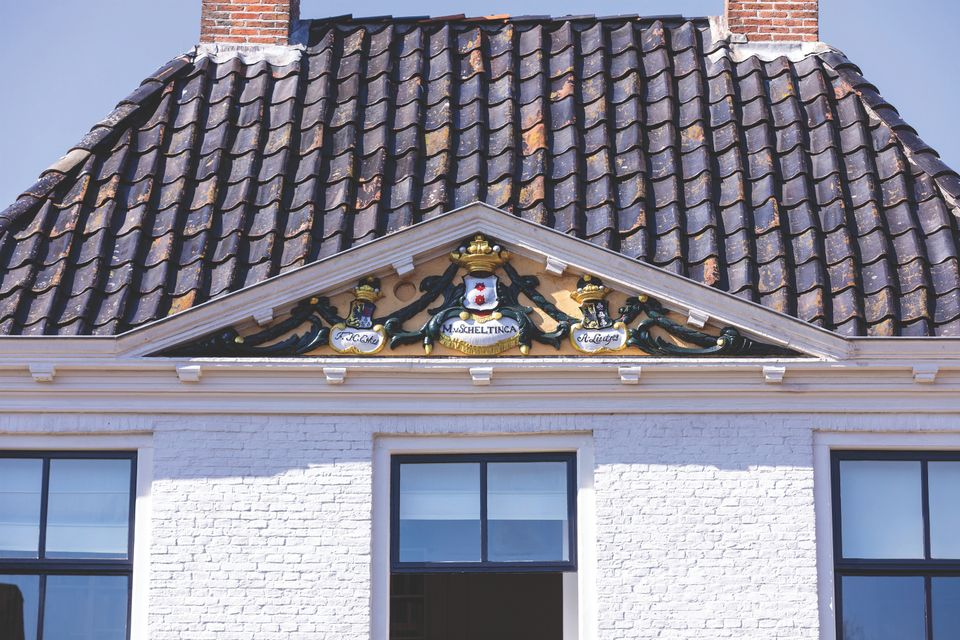
The pediment above the façade bears the coats of arms and names, added in 1779, of grietman (district magistrate) Martinus van Scheltinga, his deputy Focke Hijlckes Eskes, and Albert Luitjens, who served together with Eskes as church warden. The building was owned by the Dutch Reformed Church, which leased out the weigh house. In 1871 it was sold to a private owner, after which an official weighmaster appointed by the municipality supervised its operation. With the rise of the dairy industry in Friesland, the weigh house gradually lost its function. In 1895, the building was converted into a private residence.
-
-
Earnewâld
Earnewâld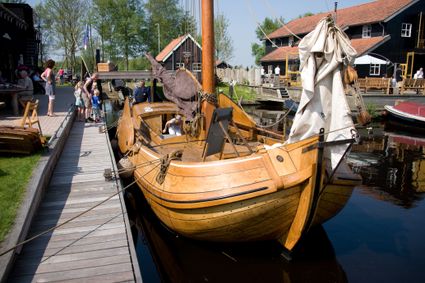
-
De Roskam
De Roskam
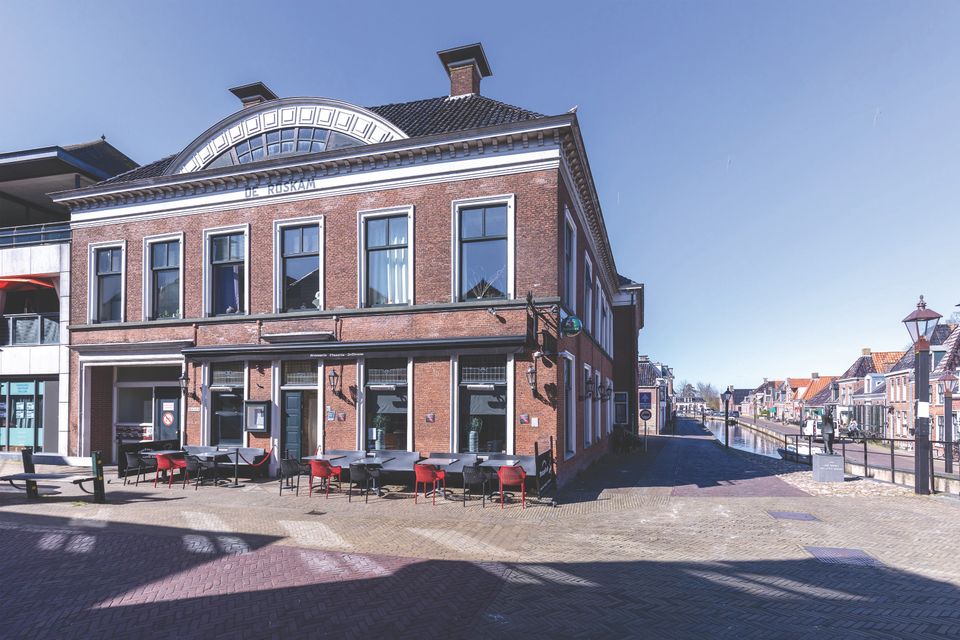
There was a time when Kollum boasted no fewer than sixteen establishments, ranging from pubs and cafés to inns and lodging houses. De Roskam has always been one of them.
Those who remember Kollum in the last century may still picture the signboard of landlord Bonne Hof: a stout little man in swimming trunks with bright red cheeks. According to local tradition, Bonne Hof gathered the sweet flag plants used in his own homemade Kalmus Berenburg from the nearby Alde Swimmer. During the 1950s, Kollum Berenburg was a popular local drink. Another story concerns his father, Sietse Jan, whose croquettes were said to be so delicious that people travelled all the way from Groningen and Leeuwarden to taste them.
Many more colourful stories surround De Roskam. During a German raid in the Second World War, the notary Wassenberg is said to have hidden in the attic, only to crash through the ceiling while still sitting on his chair. Another tale dates from 1952, when the chauffeur of the King's Commissioner, Linthorst Homan, misplaced his cap after spending the night at De Roskam. At first, it was considered a major scandal, and the cap was thought to have been stolen. The commissioner left Kollum in great anger. In the end, however, the cap was simply found and carefully returned by courier by the people of Kollum.
-
-
Sense of Place: Waiting for high tide
Sense of Place: Waiting for high tide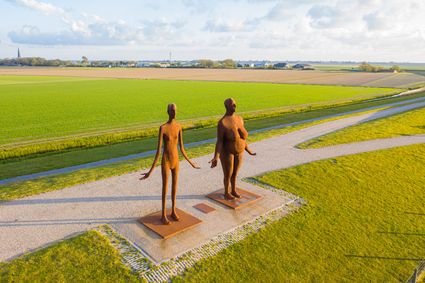
-
Waterdorp Burdaard
Waterdorp Burdaard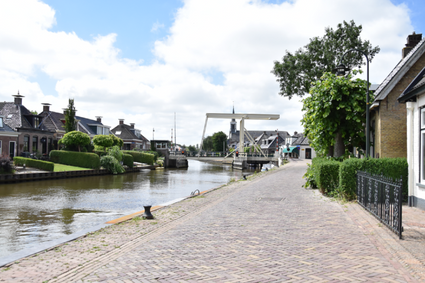
-
Heemstra State
Heemstra State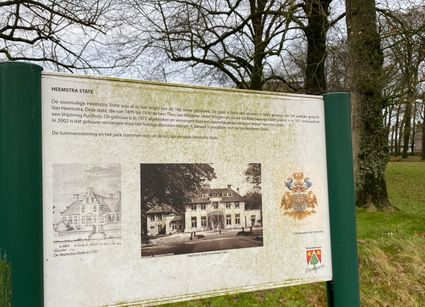
-
Holwerterpolder at Noard Fryslân Butendyks Nature Reserve
Holwerterpolder at Noard Fryslân Butendyks Nature Reserve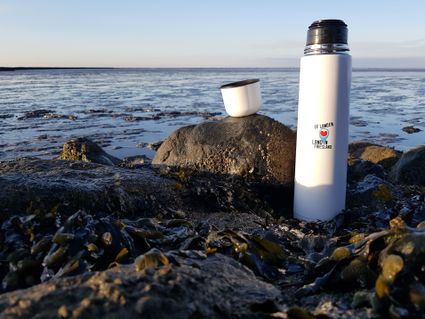
-
Villa Nova
Villa Nova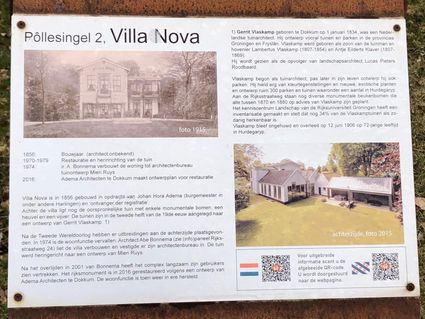
-
Sint-Gangulfuskerk Church in Ee
Sint-Gangulfuskerk Church in Ee