Location
225 to 256 of 285 results
-
Greenjoy Gytsjerk
Greenjoy Gytsjerk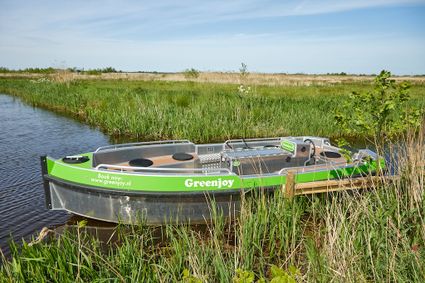
-
The liberation of Friesland 1
The liberation of Friesland 1
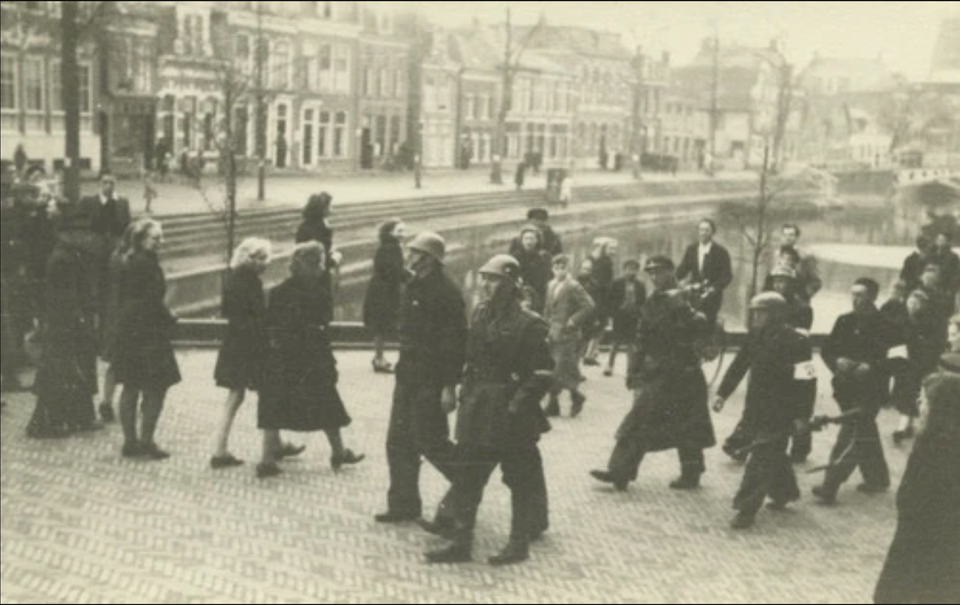
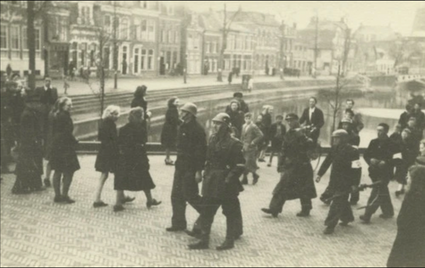
In early April, it became clear that the liberation of Friesland was imminent. Although the province had not suffered a real Hunger Winter like other parts of the Netherlands, there were severe shortages of just about everything. And the terror of the occupying forces was growing. This also led to increased resistance against the occupying forces. The battle between the two was tougher than ever in early 1945.
In Friesland, assault groups known as Knokploegen (KP) were responsible for most acts of resistance. But there were other groups too. On the orders of the Dutch government in London, all these groups were merged into the Dutch Domestic Armed Forces (NBS). In Friesland, this happened on 12 December 1944.
The NBS, popularly referred to as the BS, gave the armed resistance an organisation with a clear structure. The NBS was also supposed to play a role in the upcoming liberation. To this end, resistance groups were provided with weapons from autumn 1944. These were dropped from the air.
On 8 April, Radio Orange broadcast the message "The bottle is empty." This was the signal for the NBS to start carrying out sabotage operations 36 hours later. The aim was to make it as difficult as possible for the Germans to defend themselves against the approaching Allied forces.
The resistance did this by putting bridges and railways out of order, blocking waterways and blocking roads. The response of the occupying forces was ruthless. In retaliation, dozens more prisoners were shot at different times and places.Once the Canadians entered Friesland on 12 April, they were supported extremely effectively by the Frisian resistance. Because it was superbly organised, they were able to help the Canadians take control of important bridges, repair damaged bridges, and advise on the most favourable route.
By 18 April, the whole province was liberated except for the Wadden Islands (these were liberated in late May and in June). Compared to other provinces, there was little fighting in Friesland. Overall, the few thousand German troops who had been unable to flee Friesland were defeated by the Canadians relatively quickly.
The commander of the Royal Canadian Dragoons, Lieutenant Colonel Landell, praised the actions of the resistance by stating "Friesland liberated herself." While that may be a bit of an exaggeration, the actions of the Frisian resistance undoubtedly accelerated the liberation. And reduced the number of casualties on the Allied side.
In confrontations with German troops and their Dutch accomplices, at least 31 resistance fighters lost their lives. On the Allied side, at least eleven Canadians and one Frenchman were killed. The fighting and shelling also resulted in dozens of civilian casualties. The number of casualties on the German side is not known, but probably ran into the hundreds. With 320 houses destroyed and 4,000 damaged and 80 bridges destroyed, Friesland was materially the least damaged province in the Netherlands.
-
-
Sloop rental Burdaard
Sloop rental Burdaard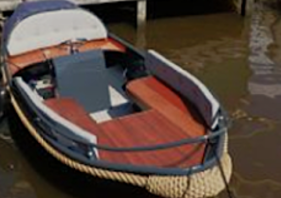
-
Holiday home Blomsteech
Holiday home Blomsteech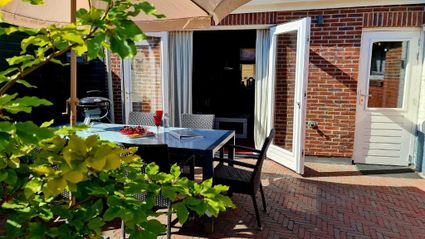
-
The WasWadpad
The WasWadpad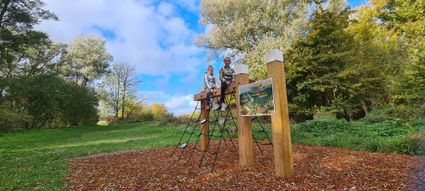
-
City Walk Dokkum
City Walk Dokkum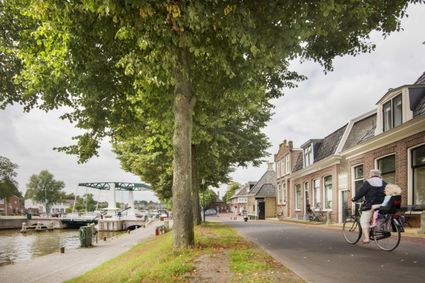
-
Beaches at Lauwersoog
Beaches at Lauwersoog
-
Farm Shop Wâldpleats
Farm Shop Wâldpleats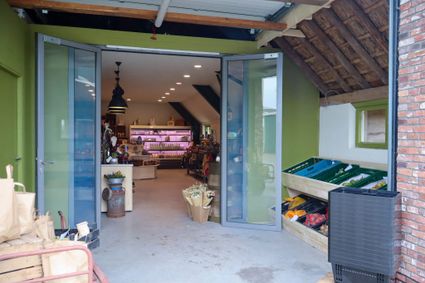
-
St. Nicholas Church Eastrum (Oostrum)
St. Nicholas Church Eastrum (Oostrum)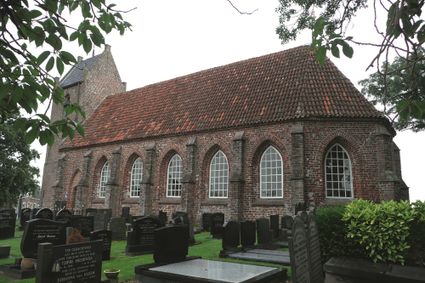
-
Zwagermieden Nature Reserve
Zwagermieden Nature Reserve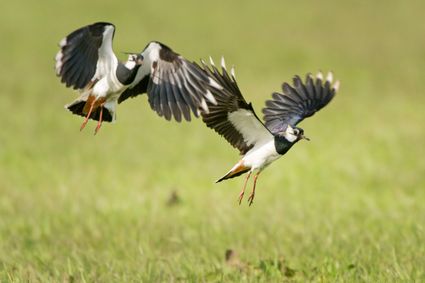
-
Schreiershoek recreation and vacation park
Schreiershoek recreation and vacation park
-
Het Lage Noorden
Het Lage Noorden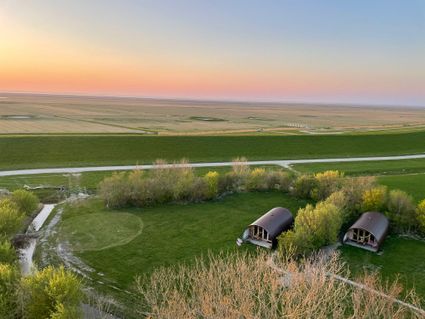

-
De Leijen Beach
De Leijen Beach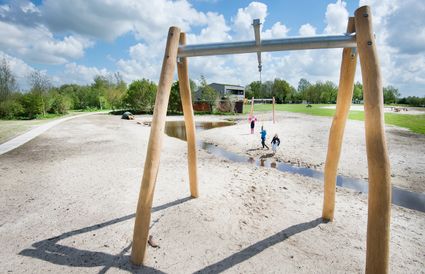
-
De Houtwiel Nature Reserve
De Houtwiel Nature Reserve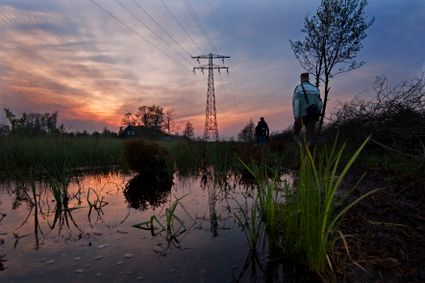
-
Villa Nova
Villa Nova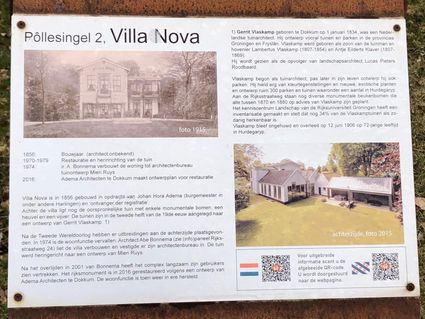
-
Opeindervaart Canal
Opeindervaart Canal
-
St Vitus church Wetsens
St Vitus church Wetsens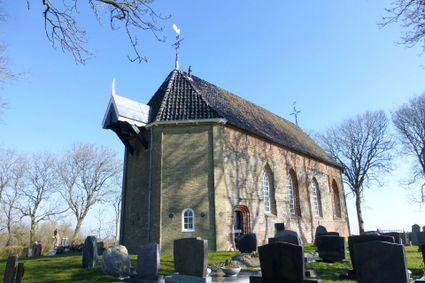
-
Electrosloop Fryslân (Aldtsjerk)
Electrosloop Fryslân (Aldtsjerk)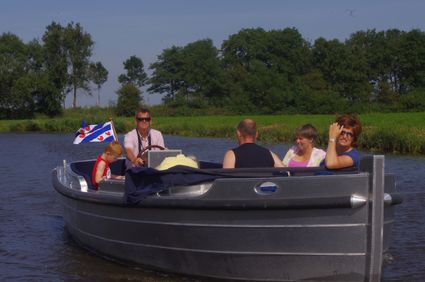
-
Holwerd
Holwerd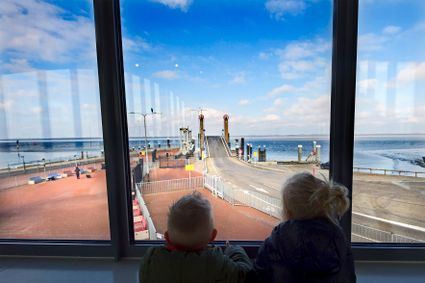
-
Hotel Restaurant Princenhof
Hotel Restaurant Princenhof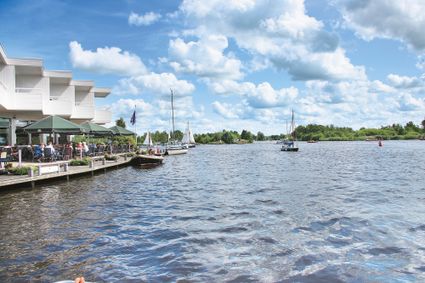
-
The bombing of Terherne lock
The bombing of Terherne lock
On 11 November 1944, pilots of the Royal Canadian Air Force, based at Welschap airfield near Eindhoven, were ordered to bomb the lock at Terherne in two groups. The reason for the bombardment of Terherne lock was to restrict (German) transport movements. The lock complex was situated on the main shipping route from Germany via Groningen to the Randstad, along which the Germans transported goods and military equipment.
After the railway strike in September had already disrupted rail transport considerably, actions against shipping traffic followed in the months thereafter. The southern part of the country may have been liberated, but fierce battles were still to be fought in the other parts.
Such was the case on that 11th November just after nine o'clock in the morning when the two groups of Hawker Typhoon fighter-bombers took off shortly after each other from Eindhoven for their mission. Around 10:00, the lock at Terherne was bombed from the north for the first time and then again around 10:30.
The consequences were huge for the people living on the lock. The wives of both lock keepers, a one-year-old baby and a German soldier were killed. Also, pilot John Gordon Fraser's aircraft was damaged to such extent that he had to make an emergency landing at St. Johannesga. Although the bombing resulted in the northern passageway being deactivated and no longer usable, the southern passageway remained open and could still be used.
Today, a boathouse for the State yacht of the province of Friesland has been built over the southern passage. A new building, that serves as a guest house for the province, was put up on the site of the lock keeper's house on the south side.
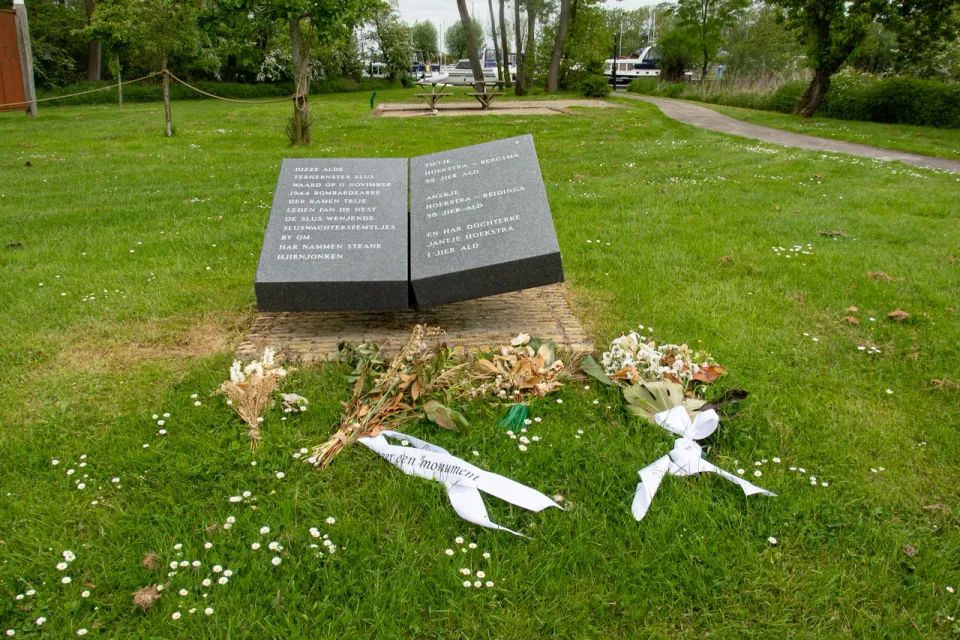
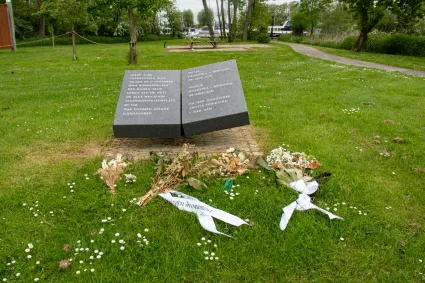
A monument has been erected on the northern pier in memory of those who perished at the lock. This monument was unveiled on 10 November 1985 by Hattum Hoekstra, son of 1st lock keeper Wiemer and Tietje Hoekstra. Since then, the commemoration of the dead in Terherne has always taken place at the old lock, and the children of primary school 'It Kampke' have adopted the monument.
-
-
Stavoren (Starum)
Stavoren (Starum)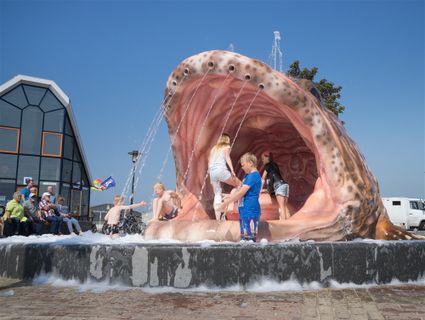
-
Wad'n Hûs
Wad'n Hûs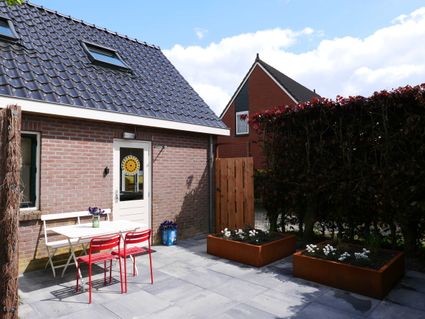
-
B&B The Wee White Hoose
B&B The Wee White Hoose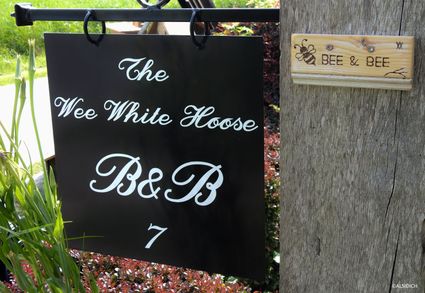
-
Sloten (Sleat)
Sloten (Sleat)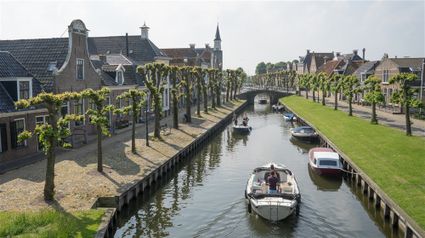
-
Shipwreck at Wierum (visible at low tide)
Shipwreck at Wierum (visible at low tide)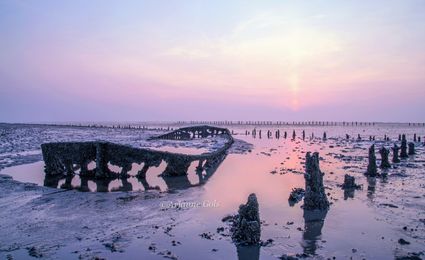
-
Leeuwarden (Ljouwert)
Leeuwarden (Ljouwert)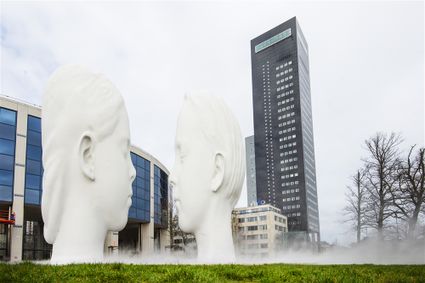
-
Veenkloosterbos Forest on Fogelsangh State Country Estate
Veenkloosterbos Forest on Fogelsangh State Country Estate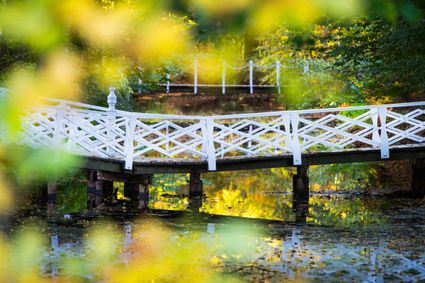
-
Museum 't Fiskershuske
Museum 't Fiskershuske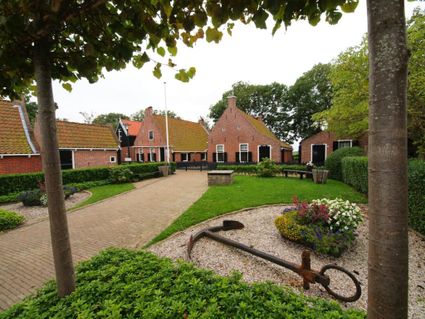
-
Elfstedentocht Turning Point - Dokkum
Elfstedentocht Turning Point - Dokkum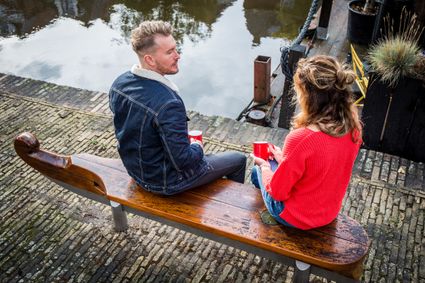
-
Bonkevaart - Elfstedentocht Finish Line
Bonkevaart - Elfstedentocht Finish Line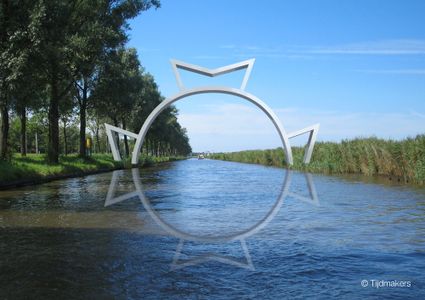
-
Hotel It Posthûs
Hotel It Posthûs