Location
161 to 192 of 387 results
-
Villa Nova
Villa Nova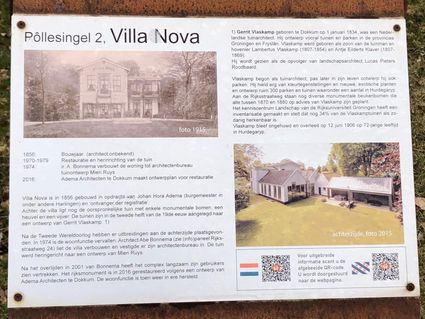
-
Accommodatie Claercamp
Accommodatie Claercamp
-
it Dreamlân holiday home
it Dreamlân holiday home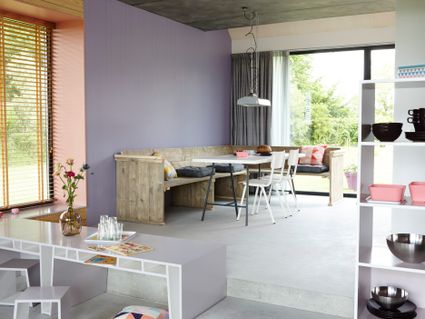
-
Eleven Cities Tour sculpture Aukje in Leeuwarden
Eleven Cities Tour sculpture Aukje in Leeuwarden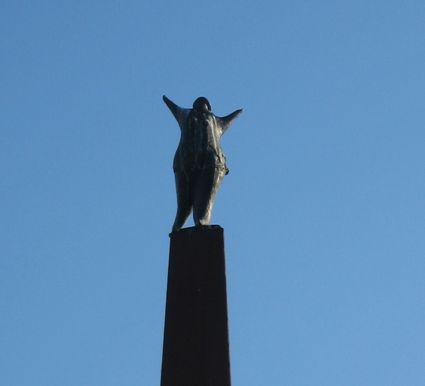
-
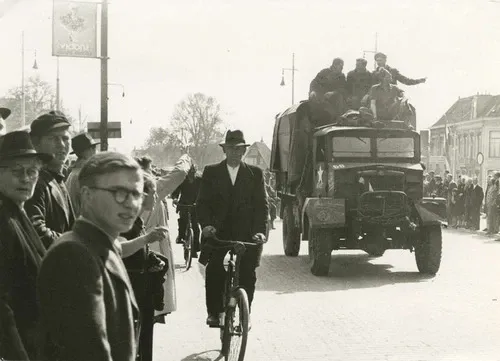
The liberation of Leeuwarden
The liberation of Leeuwarden
On 11 April 1945, it became clear that German resistance in the north of the Netherlands was limited. On 12 April, the Allies seized this opportunity to advance on Friesland as quickly as possible. One of the main goals was to liberate Leeuwarden. The 9th Canadian Infantry Brigade was designated for this purpose. But things would turn out differently.
On 12 April, the Royal Canadian Dragoons entered Friesland at Noordwolde. They were to conduct reconnaissance with their armoured vehicles and reach the Wadden Sea as quickly as possible. As a result, the German troops in Friesland and Groningen would be separated.
On the night of 14 to 15 April, three Squadrons of the Dragoons were at Suameer. Burgum could not be reached earlier that day, because the bridge at Burgummerdam had been blown up by the Germans.
Meanwhile, all sorts of things were happening in nearby Leeuwarden. On 12 April, the airfield had been blown up by the Germans. And they left the city on 14 April. Leeuwarden would not be defended. The Burgerweeshuis (Civil Orphanage) that had housed several German agencies was set on fire. An attempt to blow up the telephone exchange failed due to an ingenious intervention by the resistance. In the early morning of 15 April, the resistance also took to the streets en masse to occupy important points and to capture Germans who had remained behind.
The Dragoons in Suameer were in contact with the resistance in Leeuwarden. Due to various reports, it was unclear whether there was now heavy fighting in Leeuwarden or whether the Germans had left the city completely. Because the Germans had blown up important bridges on the route from Heerenveen to Leeuwarden, the infantry could not quickly provide assistance.
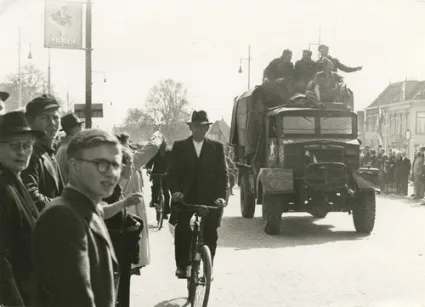
So, the Dragoons went to take a look for themselves. Initially, a patrol of four vehicles was sent via the Groningerstraatweg into the city around half past eleven. One of the Canadians in those vehicles recorded the following:
"As we entered the city, passing through the concrete barrier by the narrow passageway left for normal traffic, we were met by an almost hysterical patrol of Resistance men [...] In a few moments the news of our arrival had spread through the city, and we were given a fantastic welcome as we rolled slowly forward into the centre of town."A resident of Leeuwarden recalled:
"We lived close to the Groningerstraatweg, where our liberators passed. Many hundreds of us stood there, all happy spectators. All of a sudden, two ladies from the row flung themselves forward and threw their arms around the Canadians' necks, saying: "Oh darlings, you’re here at last!"After the patrol determined that the coast was clear, the entire C Squadron, a detachment of the Royal Canadian Engineers and Regimental Headquarters of Lieutenant-Colonel Landell followed. Leeuwarden had been liberated. After this, thousands took to the streets. One of the Canadians wrote:
"We halted, and were immediately surrounded by laughing, yelling mobs of people, bringing flowers to give to us, and cheering every move. The Resistance men were everywhere, doing their best to keep the people within bounds and off the cars, but their efforts were hardly necessary. I never saw a more satisfying gathering in my life."Leeuwarden had been liberated by the Dragoons through unexpected circumstances. On the night of 15 to 16 April, Canadian infantry moved into the city.
-
-
Grutte Pier Brewery
Grutte Pier Brewery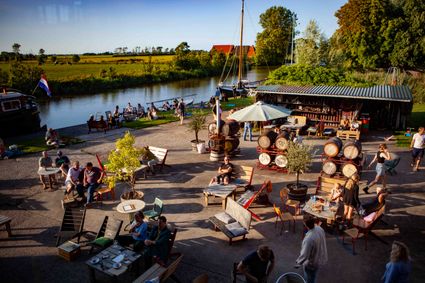
-
Ferwert (Ferwerd)
Ferwert (Ferwerd)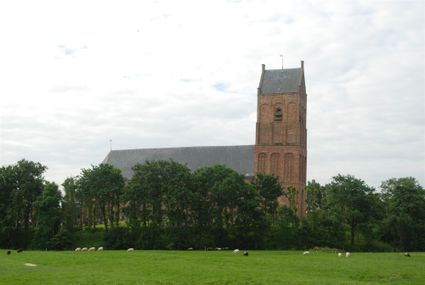
-
Waddenzee-Expedities
Waddenzee-Expedities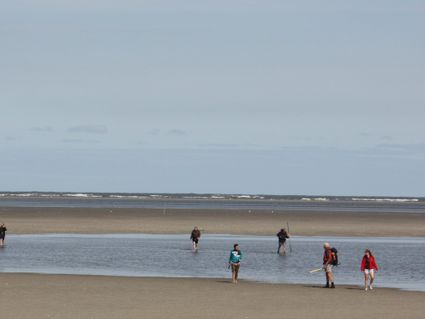
-
VIJFHUIZEN AIRMAIL
VIJFHUIZEN AIRMAIL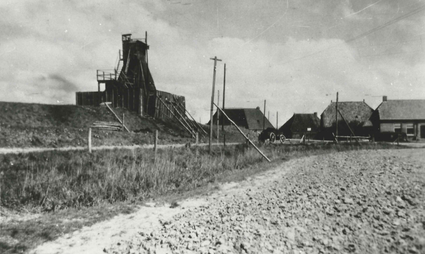
-
Het Raadsel van de Wadden
Het Raadsel van de Wadden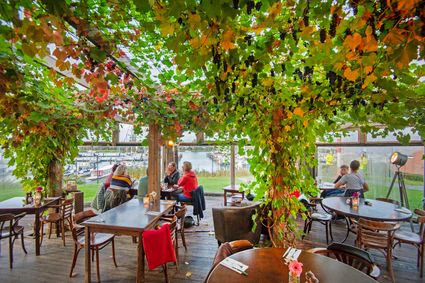
-
Eanjumer Kolken
Eanjumer Kolken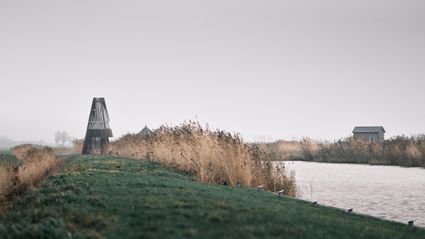
-
Minicamping De Zilveren Maan
Minicamping De Zilveren Maan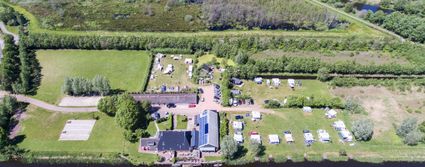
-
Dijkstra wadlooptochten
Dijkstra wadlooptochten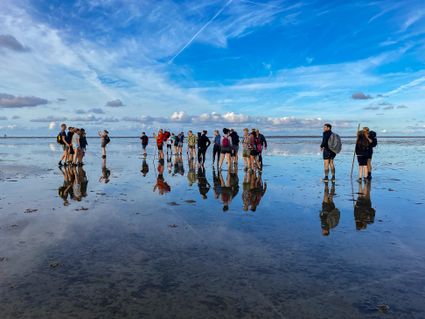
-
Eleven Cities Tour sculpture Aukje in Stavoren
Eleven Cities Tour sculpture Aukje in Stavoren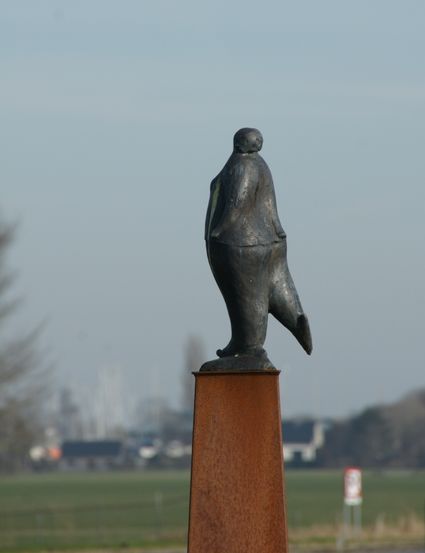
-
Holiday Cottage It Koaiûs
Holiday Cottage It Koaiûs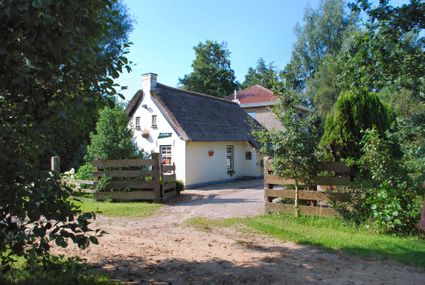
-
WadExpeditions
WadExpeditions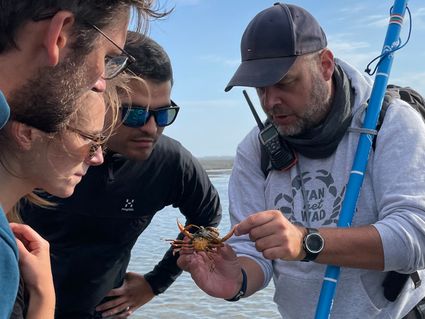

-
Aerden Plaats Visitor Centre
Aerden Plaats Visitor Centre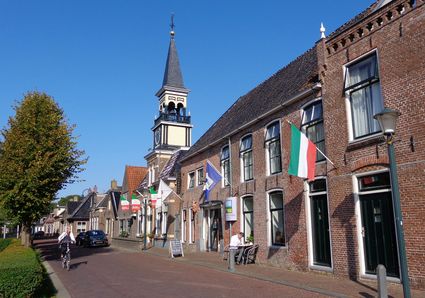
-
Outdoor Veldboom
Outdoor Veldboom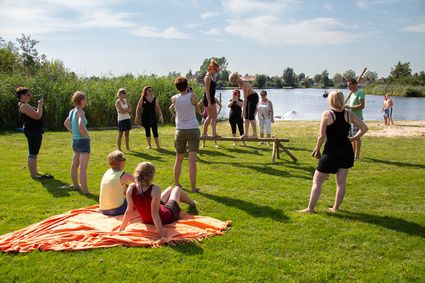
-
Harkema (De Harkema)
Harkema (De Harkema)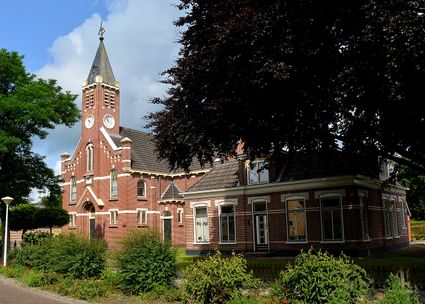
-
Sneek (Snits)
Sneek (Snits)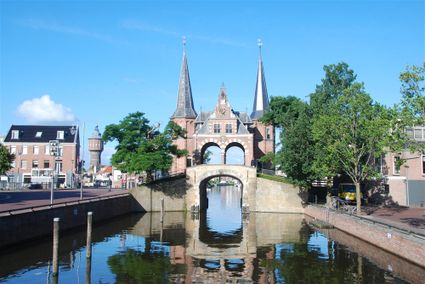
-
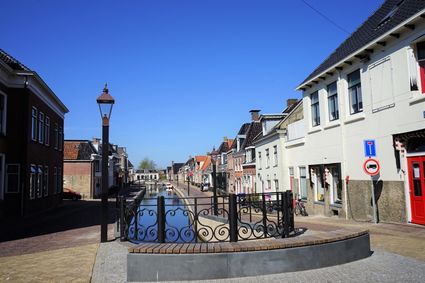
Oosterdiepswal and Westerdiepswal
Oosterdiepswal and Westerdiepswal
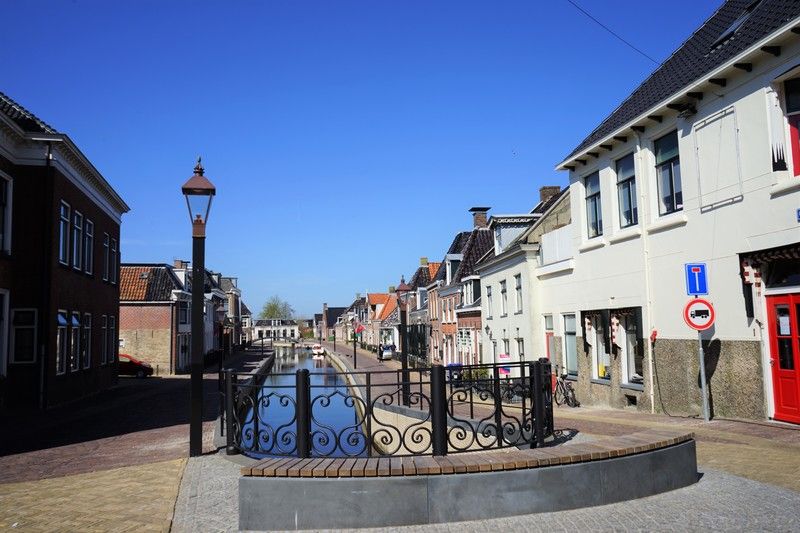
On both sides of the Sylster Ryd, in the oldest part of Kollum's historic centre, lie the Oosterdiepswal and Westerdiepswal.
These embankments, locally known simply as the Wallen, are already mentioned in the earliest historical records of Kollum. The Sylster Ryd connected here with the major waterways to the north and south of the village.
During the 16th and 17th centuries, Kollum was a thriving centre of trade and commerce. Its town centre played an important logistical role in regional trading activities. Development along the Wallen began after this waterway was excavated in the early 16th century. Businesses that depended on water transport for the delivery of raw materials and the shipment of goods established themselves here. Historical records mention pottery workshops, a brewery, a tannery and a shipyard. Several windmills also stood along the Wallen, although mills could be found elsewhere in the village as well. Today, the Wallen form part of Kollum's protected historic townscape.
-
-
Museum 't Fiskershuske
Museum 't Fiskershuske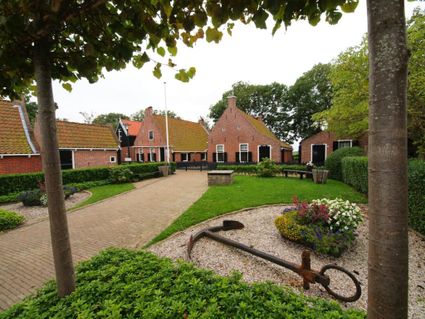
-
Varen met Sil
Varen met Sil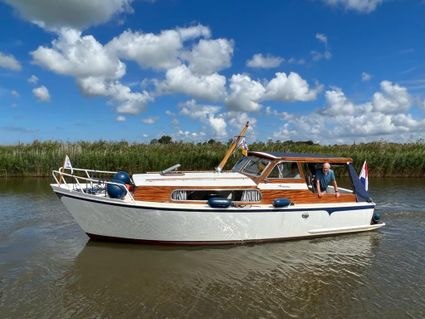
-
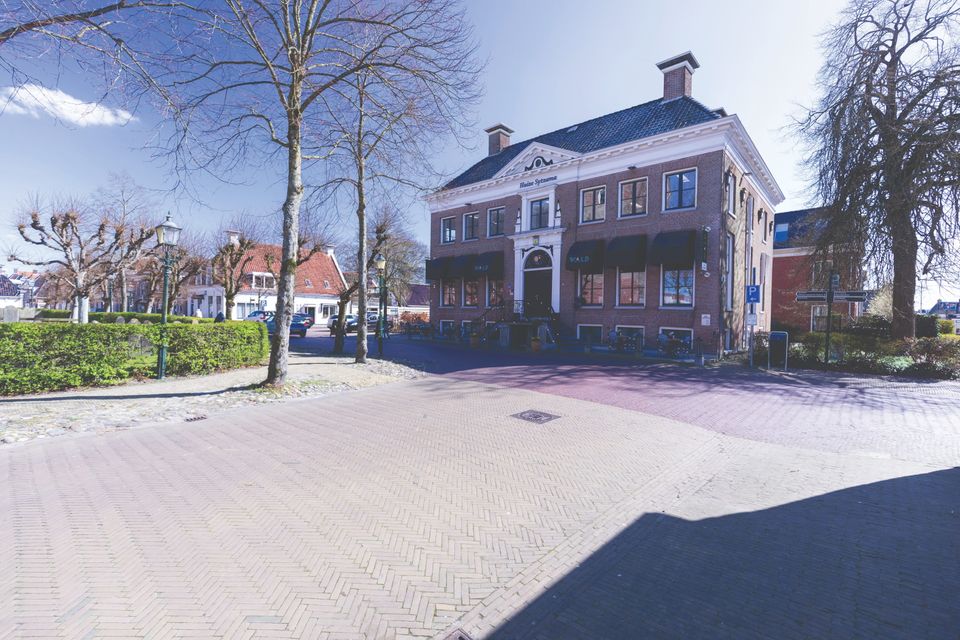
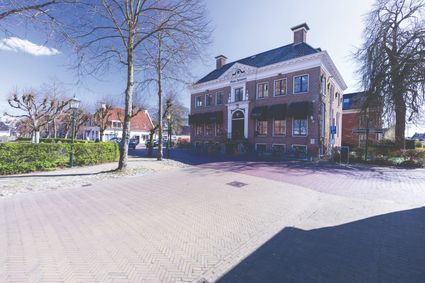
Sytzama House
Sytzama House
What is now a grand café has a history closely connected with local government, the Second World War, and Baron Willem van Sytzama, the building's first owner, after whom it is named.
In Van Sytzama's time, there were very few buildings nearby. Instead, a large landscaped garden with extensive ponds stretched out behind the house. Baron Willem van Sytzama believed he was happily married to Cecilia van Heemskerk, but she left him for another man. Although the baron took legal action in an attempt to prevent the separation, he was unsuccessful. She never returned, and he never remarried. In later years, however, the building served as Kollum's town hall, where hundreds of marriages were celebrated.
During the Second World War, Mayor Gerben Feitsma was sworn into office in this building. The ceremony took place with prominent displays of flags and the Nazi salute. For that reason, Feitsma is often described as an NSB (Dutch National Socialist Movement) mayor. At the same time, there is evidence that he occasionally helped prevent residents of Kollum from being sent to Germany for forced labour by employing them on his farm. Because of his wartime record, his name is not always included in historical accounts.
His brother, Jan Feitsma, became notorious for a different reason. As Prosecutor General, he ordered signs reading "Jews Forbidden" to be displayed throughout the occupied Netherlands. The policy caused considerable controversy in Kollum during the war. The local tennis club preferred to close its courts rather than display such a sign. In early 1945, Jan Feitsma was shot dead by members of the Dutch Resistance. His funeral in Kollum was attended by numerous members of the SS.
-
-
De 4 Elementen
De 4 Elementen
-
SurfSpot Lauwersmeer - Oostmahorn
SurfSpot Lauwersmeer - Oostmahorn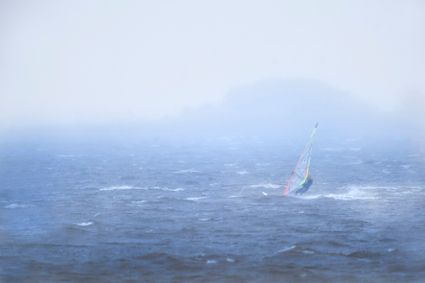
-
Kraanlannen Nature Reserve
Kraanlannen Nature Reserve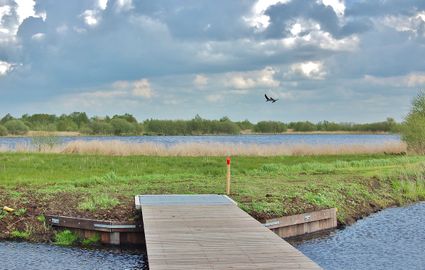
-
The Spitkeet
The Spitkeet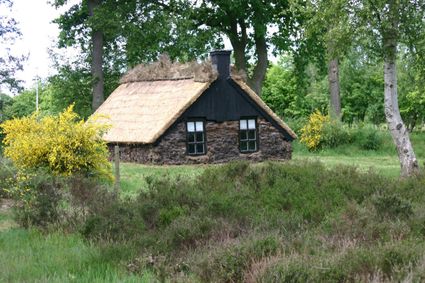
-
Bootsma’s Poel Hiking Trail
Bootsma’s Poel Hiking Trail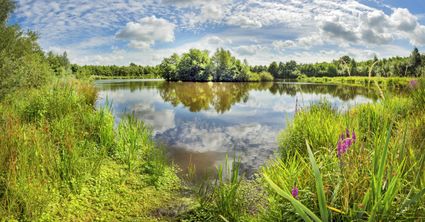
-
Age Veldboom Sailing Activities
Age Veldboom Sailing Activities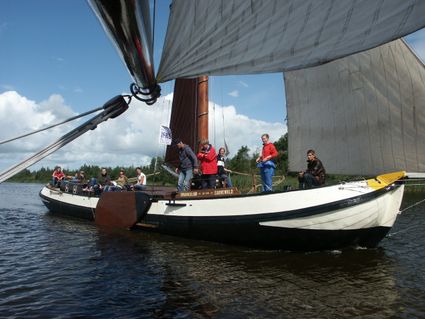
-
Motorcamping 't Witveen
Motorcamping 't Witveen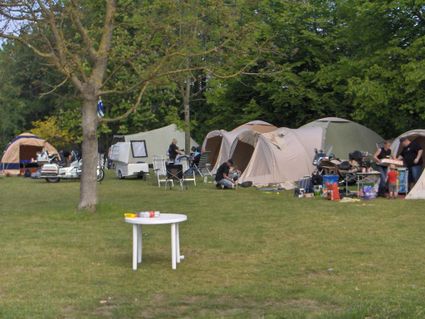
-
it Dreamlân holiday home
it Dreamlân holiday home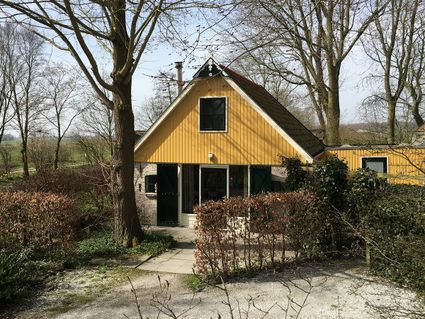
Direct boekbaar