
Location
1 to 32 of 394 results
-
Eastermar Bathing and Play Area
Eastermar Bathing and Play Area
-
Fierljeppolder
Fierljeppolder
-
Statue of Tryntsje and her seven sons
Statue of Tryntsje and her seven sons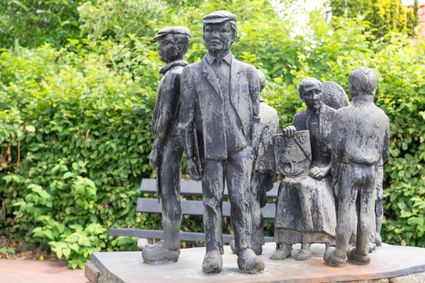
-
De Waard van Napels
De Waard van Napels
-
Friesland Holland Tourist Information & Travel Service
Friesland Holland Tourist Information & Travel Service
-
Kollumerwaard Hiking Trail
Kollumerwaard Hiking Trail
-
Countryside Eco Natuurhuisjes
Countryside Eco Natuurhuisjes

-
11Fountains Dokkum
11Fountains Dokkum
-
Metslawier (Mitselwier)
Metslawier (Mitselwier)
-
Koopmansbosje
Koopmansbosje
-
Restaurant Ode
Restaurant Ode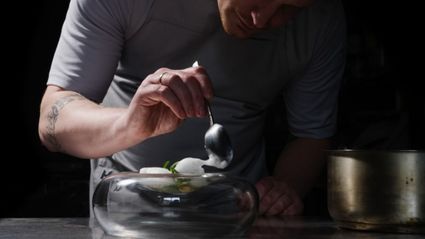
-
Pilgrim-Hikers cabin
Pilgrim-Hikers cabin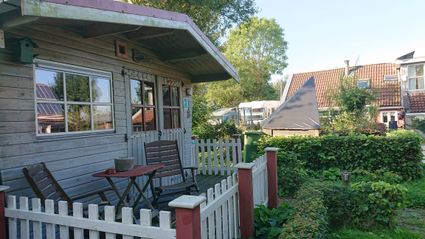
-
Shipwreck at Wierum (visible at low tide)
Shipwreck at Wierum (visible at low tide)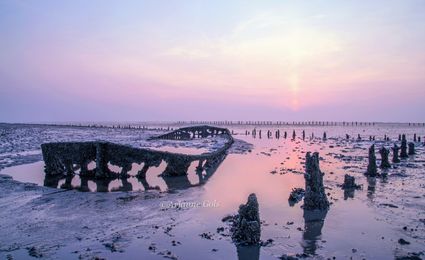
-
Fries Landbouwmuseum (Frisian Agricultural Museum)
Fries Landbouwmuseum (Frisian Agricultural Museum)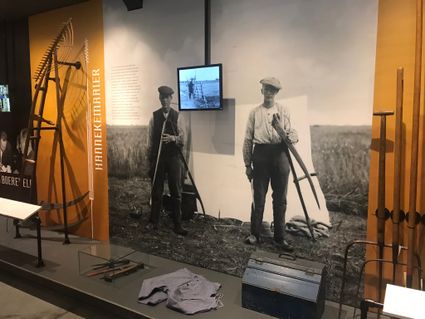
-
Nicholas Church Hantum
Nicholas Church Hantum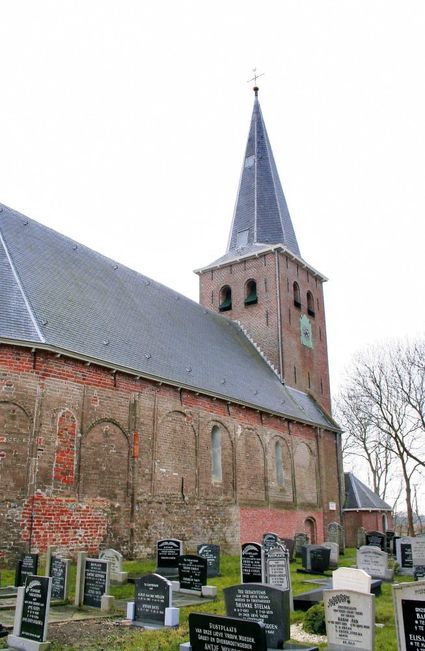
-
Gasthuis Dokkum
Gasthuis Dokkum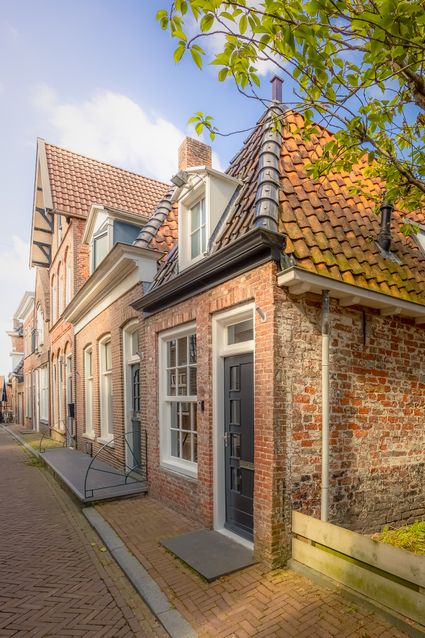
-
Gast op stal
Gast op stal
-
The Former Weigh House
The Former Weigh House
A look at old photographs reveals that the building looks even more attractive today than its predecessor. The people of Kollum have taken good care of this historic landmark. The weigh house was a public building where goods could be officially weighed. Its presence was particularly important for trade in butter and cheese.
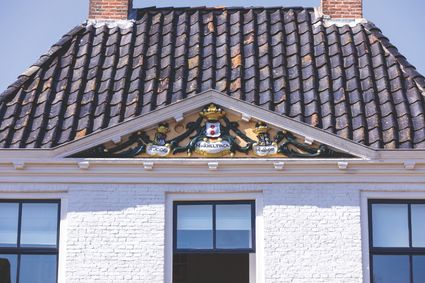
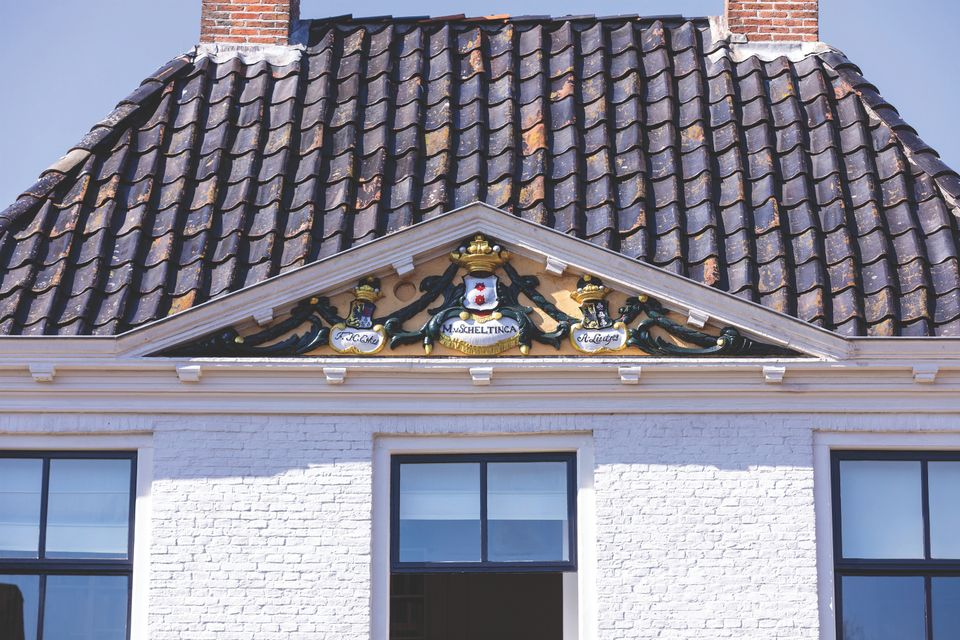
A public weigh house in Kollum is first mentioned in the 16th century. That original building stood next to the Rechthuis (courthouse). In 1779, a new weigh house was built here on the Westerdiepswal, at the heart of the bustling waterfront. The wide entrance to the former weighing hall, where two weighing scales were once installed, can still be clearly recognised in the façade.
The pediment above the façade bears the coats of arms and names, added in 1779, of grietman (district magistrate) Martinus van Scheltinga, his deputy Focke Hijlckes Eskes, and Albert Luitjens, who served together with Eskes as church warden. The building was owned by the Dutch Reformed Church, which leased out the weigh house. In 1871 it was sold to a private owner, after which an official weighmaster appointed by the municipality supervised its operation. With the rise of the dairy industry in Friesland, the weigh house gradually lost its function. In 1895, the building was converted into a private residence.
-
-
Aardappelhandel De Jong farm shop
Aardappelhandel De Jong farm shop
-
Greenjoy It Bûtefjild
Greenjoy It Bûtefjild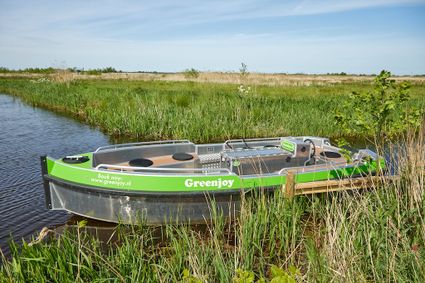
-
Holwerd
Holwerd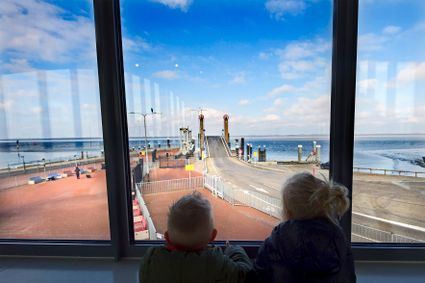
-
Dobben Hurdegarypsterwarren Nature Reserve
Dobben Hurdegarypsterwarren Nature Reserve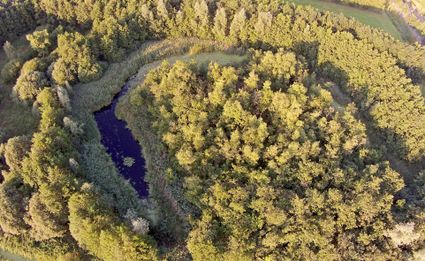
-
Eleven Cities Tour sculpture Aukje in Hindeloopen
Eleven Cities Tour sculpture Aukje in Hindeloopen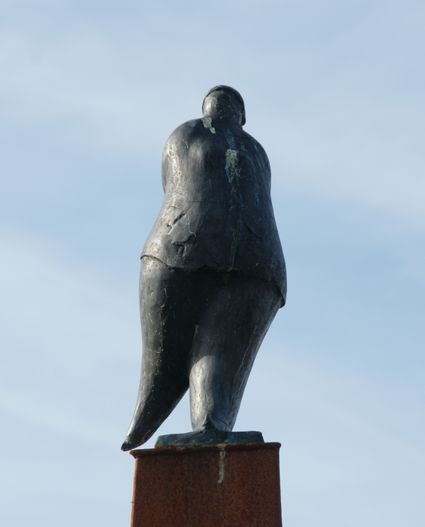
-
Kleine-Lijn Tea Garden
Kleine-Lijn Tea Garden
-
Age Veldboom Sailing Activities
Age Veldboom Sailing Activities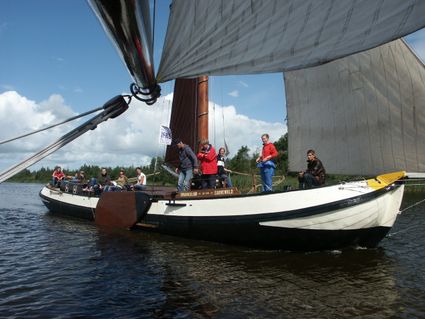
-
Eleven Cities Tour sculpture Aukje in Sloten
Eleven Cities Tour sculpture Aukje in Sloten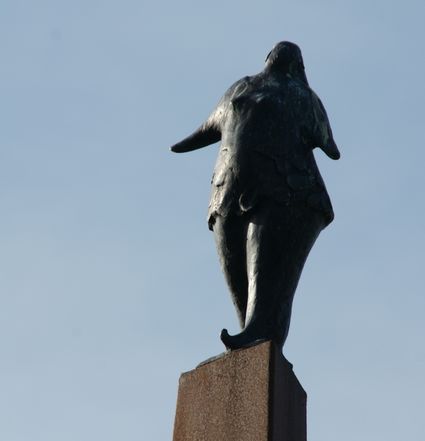
-
TOP Burgum
TOP Burgum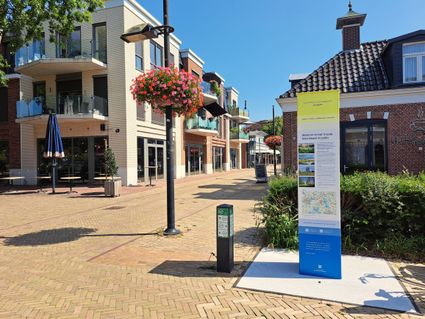
-
Clog museum
Clog museum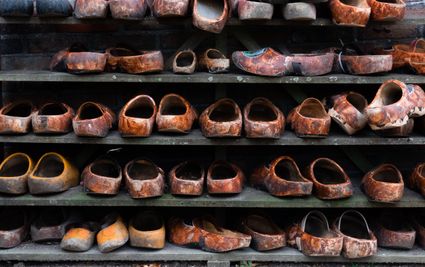
-
Oosterdiepswal and Westerdiepswal
Oosterdiepswal and Westerdiepswal
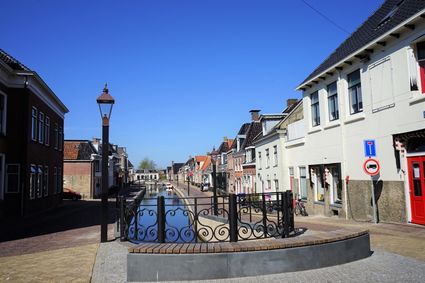
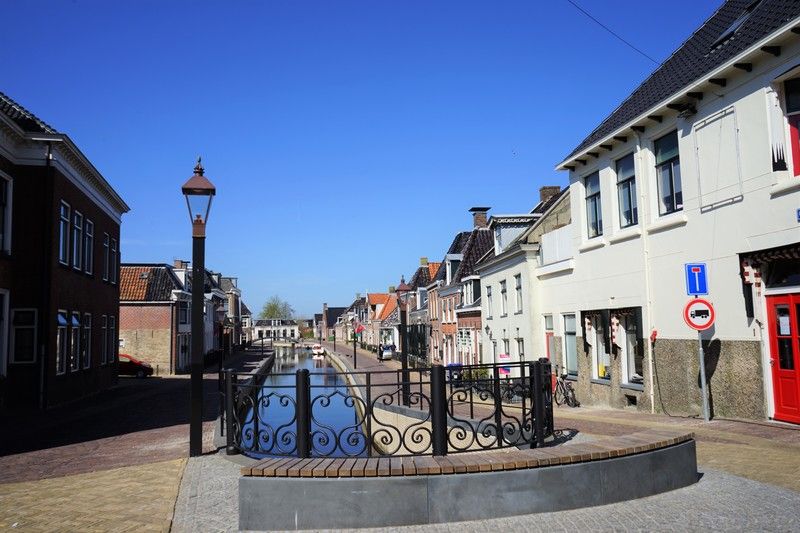
On both sides of the Sylster Ryd, in the oldest part of Kollum's historic centre, lie the Oosterdiepswal and Westerdiepswal.
These embankments, locally known simply as the Wallen, are already mentioned in the earliest historical records of Kollum. The Sylster Ryd connected here with the major waterways to the north and south of the village.
During the 16th and 17th centuries, Kollum was a thriving centre of trade and commerce. Its town centre played an important logistical role in regional trading activities. Development along the Wallen began after this waterway was excavated in the early 16th century. Businesses that depended on water transport for the delivery of raw materials and the shipment of goods established themselves here. Historical records mention pottery workshops, a brewery, a tannery and a shipyard. Several windmills also stood along the Wallen, although mills could be found elsewhere in the village as well. Today, the Wallen form part of Kollum's protected historic townscape.
-
-
Old Town Hall in Dokkum
Old Town Hall in Dokkum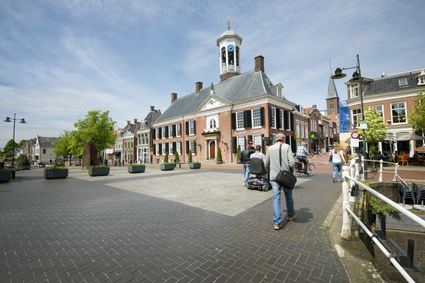
-
Oosterkerk
Oosterkerk
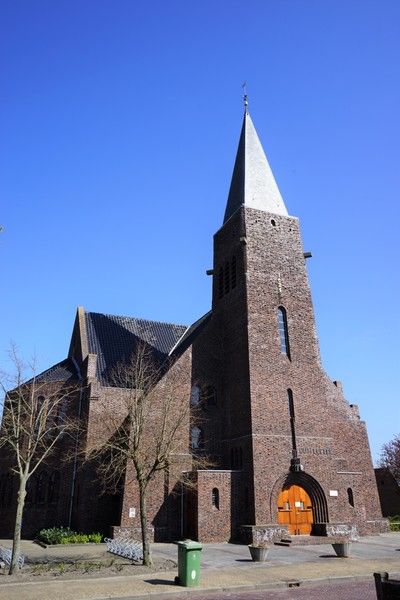
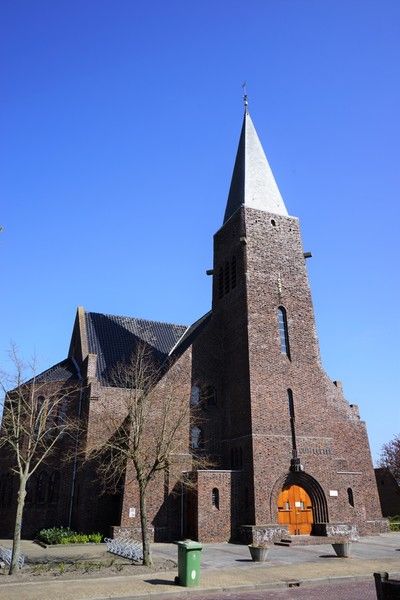
A church built in the Amsterdam School style, designed by the architect Egbert Reitsma.
Stepping inside the Oosterkerk in Kollum is a remarkable experience. Your attention is immediately drawn to the spectacular painted wooden ceiling, decorated with abstract, flowing and geometric patterns. The artwork was created by George Martens (1894–1979), a Dutch painter and graphic artist best known as a member of the Groningen artists' collective De Ploeg.
The ceiling's rich reds, ochres, blues and green accents seem almost to be in motion, creating a flowing, wave-like effect. Set against the brick walls and the church's restrained furnishings, the artwork becomes even more striking. Daylight streaming through the tall windows highlights the texture of the wood and makes the colours appear even more vibrant.
The church's architecture, designed by Egbert Reitsma—who was also a member of De Ploeg—enhances this unique experience. Its parabolic arch construction creates exceptional acoustics and a remarkable sense of space. Even the light fitting designed by Reitsma is considered a museum piece in its own right. Local tradition has it that not everyone in Kollum appreciated the lavish decoration when the church was first built. To some, it resembled a theatre or even a cinema more than a church. Today, however, the amphitheatre-shaped interior is precisely what makes a visit to the Oosterkerk so memorable.
-
-
Rondvaartbedrijf Lauwersmeer (Boat Tours)
Rondvaartbedrijf Lauwersmeer (Boat Tours)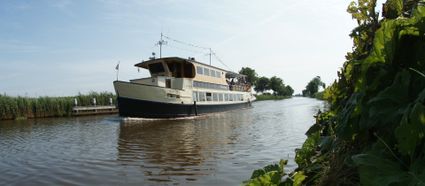
- Current page1
- Go to page2
- Go to page3
- Go to page4
- Go to page5
- …
- Go to page13
- Go to the next page