Location
321 to 352 of 386 results
-
Dokkum Ballooning
Dokkum Ballooning
-
Farm Shop Wâldpleats
Farm Shop Wâldpleats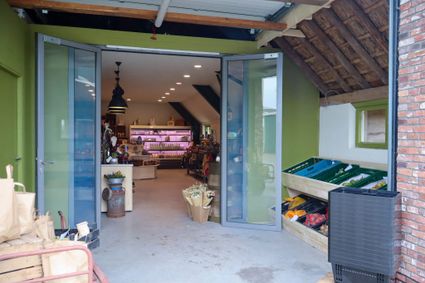
-
Burgum
Burgum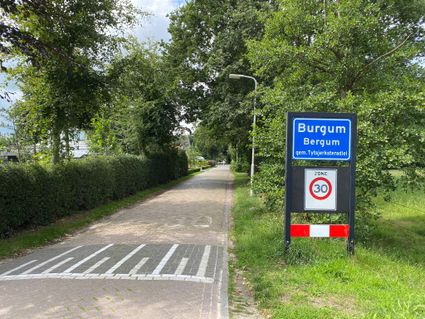
-
Hotel Restaurant Princenhof
Hotel Restaurant Princenhof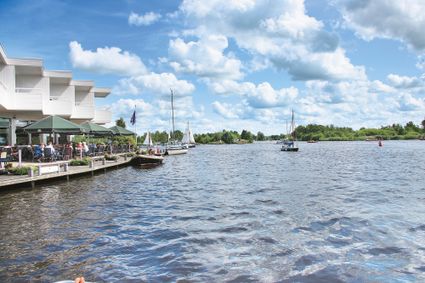
-
Cultural and Historical Centre De Schierstins
Cultural and Historical Centre De Schierstins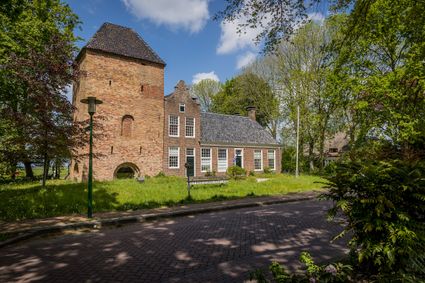
-
Bonkevaart - Elfstedentocht Finish Line
Bonkevaart - Elfstedentocht Finish Line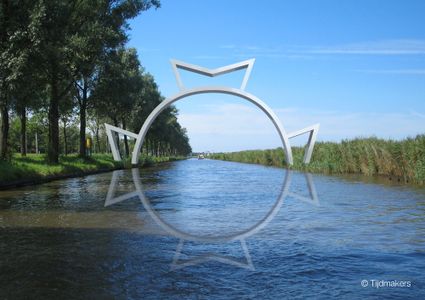
-
Campground Achterom
Campground Achterom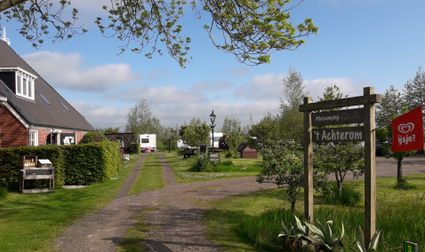
-
Ee (Ie)
Ee (Ie)
-
LAUWERSOOG CAMPSITE AND RECREATION CENTRE
LAUWERSOOG CAMPSITE AND RECREATION CENTRE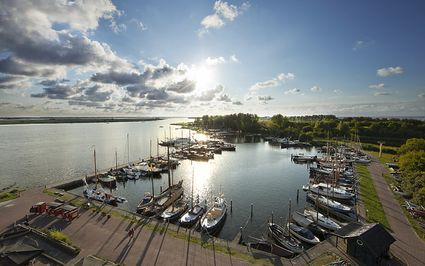
-
Sloop rental Burdaard
Sloop rental Burdaard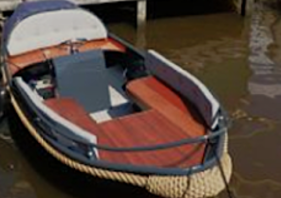
-
Logement Nij Bonga
Logement Nij Bonga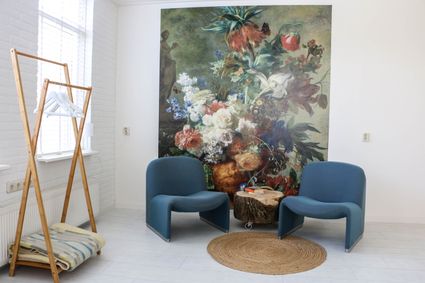
-
EAstay apartment 1
EAstay apartment 1
-
Friesland Holland Tourist Information & Travel Service
Friesland Holland Tourist Information & Travel Service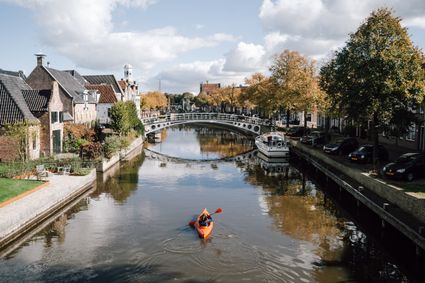
-
Koffiebar Knus
Koffiebar Knus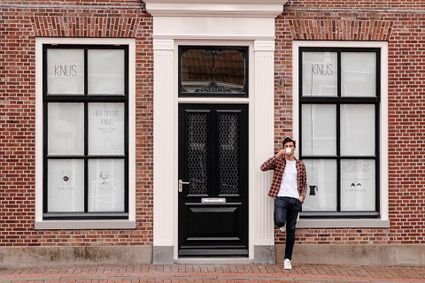
-
Camping de Veldboom
Camping de Veldboom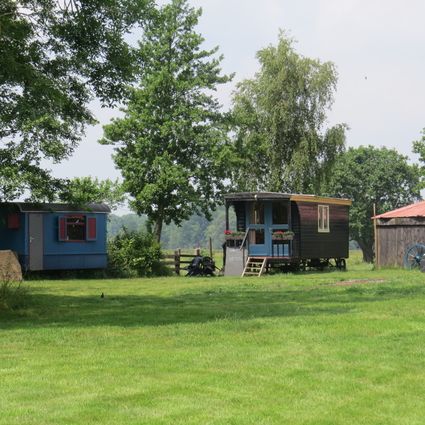
-
Rinsma State Country House and Estate
Rinsma State Country House and Estate
-
Marina Gytsjerk
Marina Gytsjerk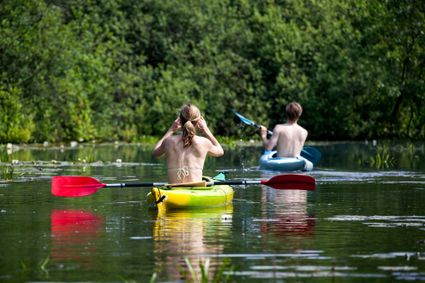
-
Reformed Church Wierum
Reformed Church Wierum
-
Hindeloopen (Hylpen)
Hindeloopen (Hylpen)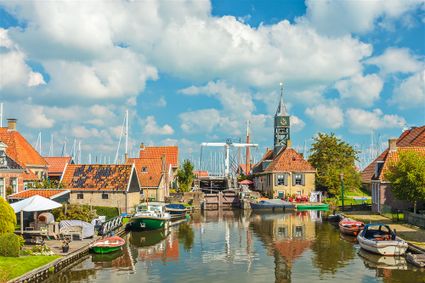
-
Fogelsangh State Country House and Estate
Fogelsangh State Country House and Estate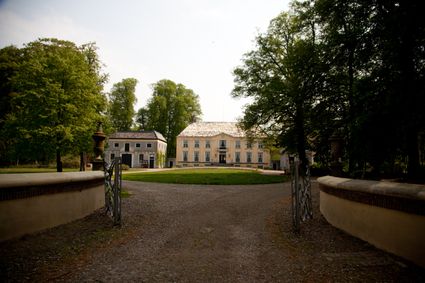
-
Statue of Tryntsje and her seven sons
Statue of Tryntsje and her seven sons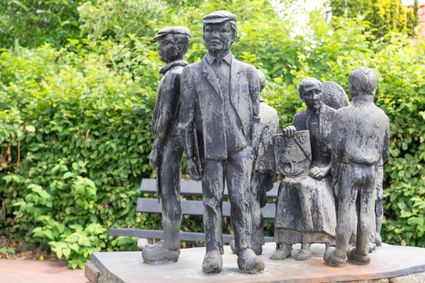
-
Burdaard (Birdaard)
Burdaard (Birdaard)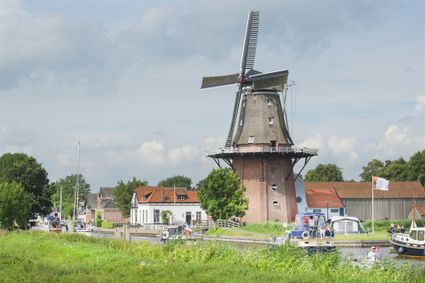
-
The Former Weigh House
The Former Weigh House
A look at old photographs reveals that the building looks even more attractive today than its predecessor. The people of Kollum have taken good care of this historic landmark. The weigh house was a public building where goods could be officially weighed. Its presence was particularly important for trade in butter and cheese.
A public weigh house in Kollum is first mentioned in the 16th century. That original building stood next to the Rechthuis (courthouse). In 1779, a new weigh house was built here on the Westerdiepswal, at the heart of the bustling waterfront. The wide entrance to the former weighing hall, where two weighing scales were once installed, can still be clearly recognised in the façade.
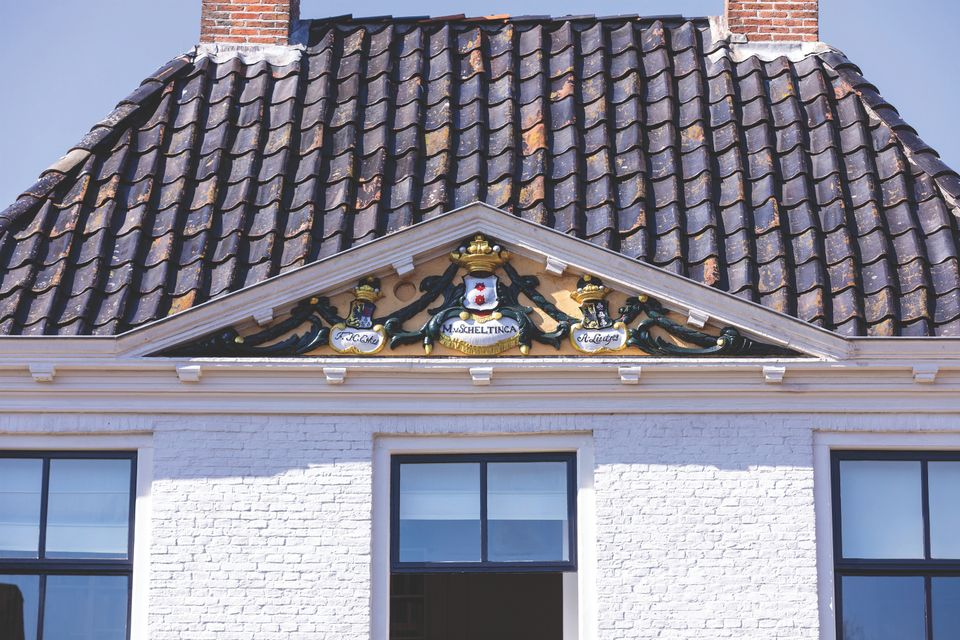
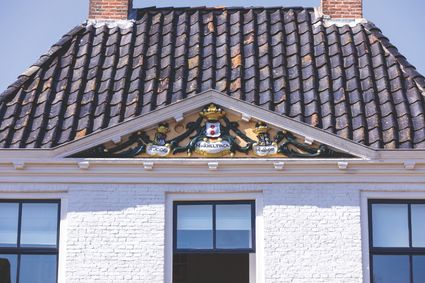
The pediment above the façade bears the coats of arms and names, added in 1779, of grietman (district magistrate) Martinus van Scheltinga, his deputy Focke Hijlckes Eskes, and Albert Luitjens, who served together with Eskes as church warden. The building was owned by the Dutch Reformed Church, which leased out the weigh house. In 1871 it was sold to a private owner, after which an official weighmaster appointed by the municipality supervised its operation. With the rise of the dairy industry in Friesland, the weigh house gradually lost its function. In 1895, the building was converted into a private residence.
-
-
Camping de Kleine Wielen
Camping de Kleine Wielen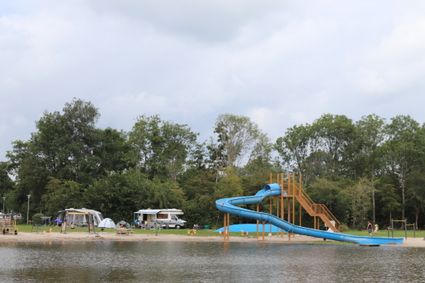
-
Church Sint-Thomaskerk in Waaxens
Church Sint-Thomaskerk in Waaxens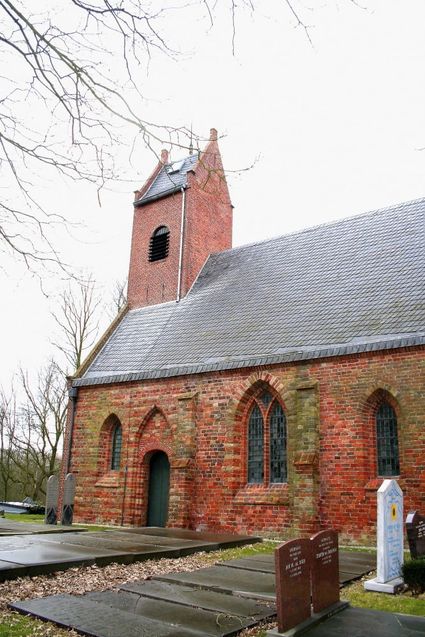
-
Buddhist Centre at Hantum
Buddhist Centre at Hantum
-
Village Garden Snakkerburen
Village Garden Snakkerburen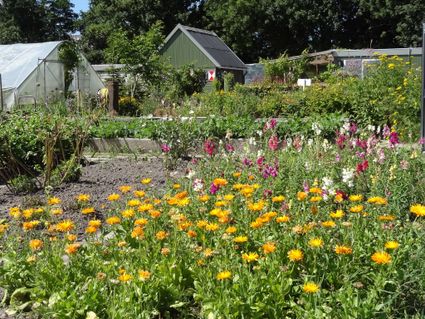
-
Statue skaters 'Marathonriders'
Statue skaters 'Marathonriders'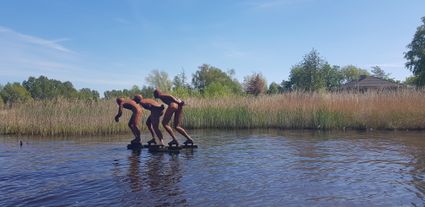
-
Eastermar Bathing and Play Area
Eastermar Bathing and Play Area
-
Saint Martin's Church Gytsjerk
Saint Martin's Church Gytsjerk
-
Oan 'e Dyk
Oan 'e Dyk
-
The liberation of Leeuwarden
The liberation of Leeuwarden
On 11 April 1945, it became clear that German resistance in the north of the Netherlands was limited. On 12 April, the Allies seized this opportunity to advance on Friesland as quickly as possible. One of the main goals was to liberate Leeuwarden. The 9th Canadian Infantry Brigade was designated for this purpose. But things would turn out differently.
On 12 April, the Royal Canadian Dragoons entered Friesland at Noordwolde. They were to conduct reconnaissance with their armoured vehicles and reach the Wadden Sea as quickly as possible. As a result, the German troops in Friesland and Groningen would be separated.
On the night of 14 to 15 April, three Squadrons of the Dragoons were at Suameer. Burgum could not be reached earlier that day, because the bridge at Burgummerdam had been blown up by the Germans.
Meanwhile, all sorts of things were happening in nearby Leeuwarden. On 12 April, the airfield had been blown up by the Germans. And they left the city on 14 April. Leeuwarden would not be defended. The Burgerweeshuis (Civil Orphanage) that had housed several German agencies was set on fire. An attempt to blow up the telephone exchange failed due to an ingenious intervention by the resistance. In the early morning of 15 April, the resistance also took to the streets en masse to occupy important points and to capture Germans who had remained behind.
The Dragoons in Suameer were in contact with the resistance in Leeuwarden. Due to various reports, it was unclear whether there was now heavy fighting in Leeuwarden or whether the Germans had left the city completely. Because the Germans had blown up important bridges on the route from Heerenveen to Leeuwarden, the infantry could not quickly provide assistance.
So, the Dragoons went to take a look for themselves. Initially, a patrol of four vehicles was sent via the Groningerstraatweg into the city around half past eleven. One of the Canadians in those vehicles recorded the following:
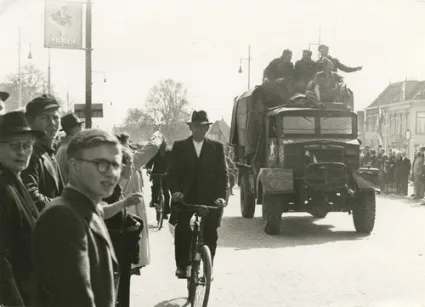
"As we entered the city, passing through the concrete barrier by the narrow passageway left for normal traffic, we were met by an almost hysterical patrol of Resistance men [...] In a few moments the news of our arrival had spread through the city, and we were given a fantastic welcome as we rolled slowly forward into the centre of town."A resident of Leeuwarden recalled:
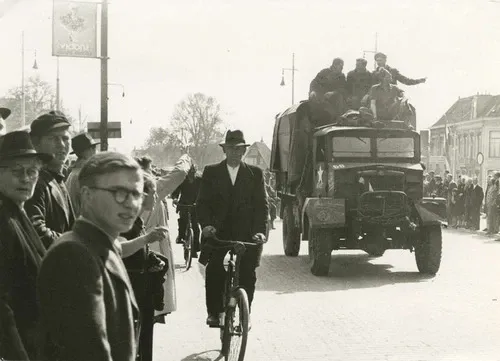
"We lived close to the Groningerstraatweg, where our liberators passed. Many hundreds of us stood there, all happy spectators. All of a sudden, two ladies from the row flung themselves forward and threw their arms around the Canadians' necks, saying: "Oh darlings, you’re here at last!"After the patrol determined that the coast was clear, the entire C Squadron, a detachment of the Royal Canadian Engineers and Regimental Headquarters of Lieutenant-Colonel Landell followed. Leeuwarden had been liberated. After this, thousands took to the streets. One of the Canadians wrote:
"We halted, and were immediately surrounded by laughing, yelling mobs of people, bringing flowers to give to us, and cheering every move. The Resistance men were everywhere, doing their best to keep the people within bounds and off the cars, but their efforts were hardly necessary. I never saw a more satisfying gathering in my life."Leeuwarden had been liberated by the Dragoons through unexpected circumstances. On the night of 15 to 16 April, Canadian infantry moved into the city.
-