Location
129 to 160 of 268 results
-
Holiday Cottage It Koaiûs
Holiday Cottage It Koaiûs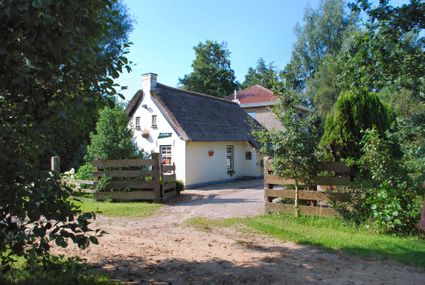
-
Varen met Sil
Varen met Sil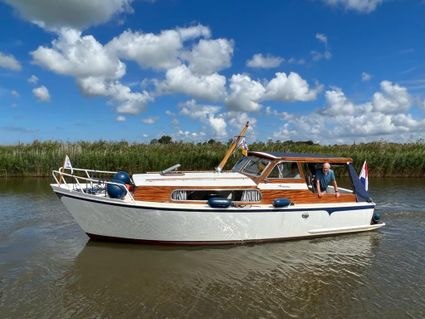
-
Aerden Plaats Visitor Centre
Aerden Plaats Visitor Centre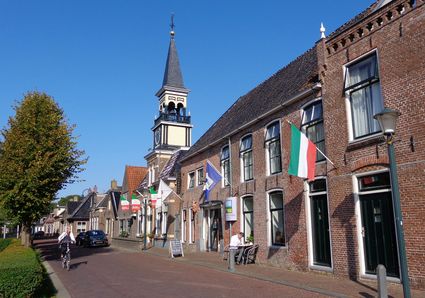

-
De Houtwiel Nature Reserve
De Houtwiel Nature Reserve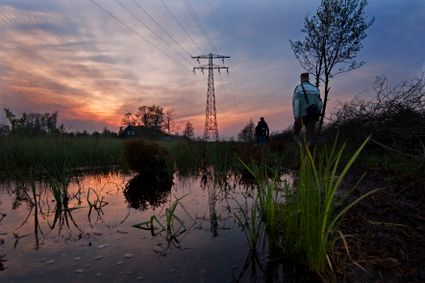
-
The WasWadpad
The WasWadpad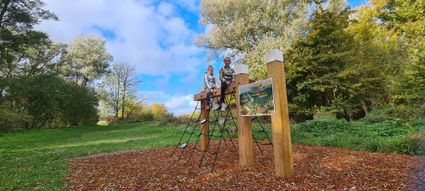
-
Hotel Pub Restaurant de Posthoorn
Hotel Pub Restaurant de Posthoorn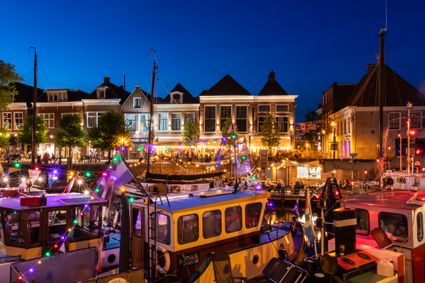
-
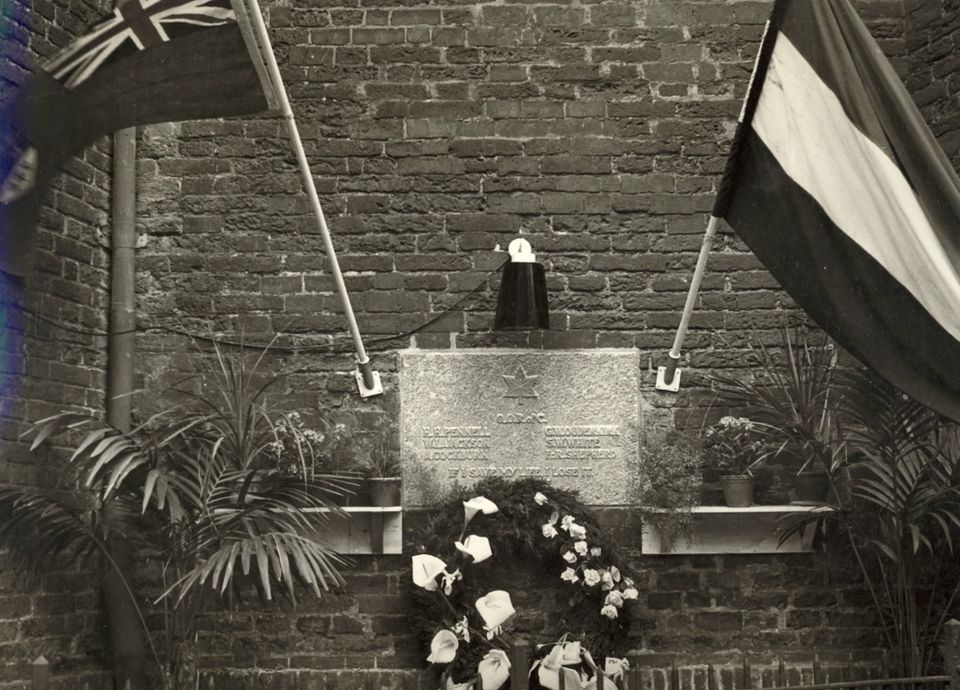
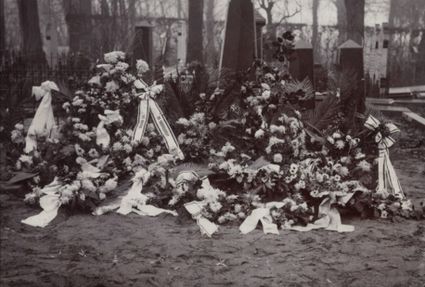
Memorial stone for Fallen Canadians
Memorial stone for Fallen Canadians
Sunday 15 April 1945, Friesland's official liberation day, was also the day Sneek welcomed the Canadian liberation forces. It had been an exciting day, and the Dutch Domestic Armed Forces (NBS) had fought quite a battle with the occupiers.
A day earlier, German troops had begun to withdraw from Sneek and the NBS had tried to hinder their retreat along the Leeuwarderweg as much as possible. Until a column of German parachute troops had entered the fray and forced the NBS to retreat.
The Waag building in the middle of the city centre was used as a weapons cache by the occupying forces during the war. To prevent it from falling into Allied hands, the fleeing troops set it on fire at around three o'clock on Sunday. Loud explosions and bangs resounded throughout the city for half an hour.
Once the enemy had left the city, the NBS operatives gathered at the HBS school for instructions and the distribution of weapons and armbands. They went into the city to round up traitors. Then, rumour had it that hundreds of German soldiers were on their way to Sneek from Lemmer. Immediately, fortifications were built at the Water gate.
Canadian units were alerted. They were now in possession of the latest defence plans for Sneek thanks to NBS intelligence and were advancing from Joure towards the town.
In the evening around half past seven, the first patrol of the Canadian infantry battalion Le régiment De La Chaudière rode into town with flame-throwers and machine guns. The German troops stayed away, and the full Canadian battalion followed.
Sneek was liberated, but freedom was not yet guaranteed as German troops tried to escape via the Afsluitdijk towards Friesland. The Canadian Regiment of the Queens Own Rifles moved through Sneek to the Afsluitdijk and fiercely fought at Wons. Six Canadian soldiers were killed. They were temporarily buried at Sneek General Cemetery. In 1946, they were reburied at the Canadian Field of Honour in Holten.
Canadian guests
While waiting to return to their homeland, hundreds of Canadian soldiers were lodged with families in Sneek for about five months. On 1 June, the Perth Regiment arrived in the town, which they temporarily renamed Stratford. They were involved in the liberation of Groningen. A committee was set up to entertain the soldiers with various activities. From dances to sailing competitions and special church services.Cordial ties developed between the liberators and the people of Sneek. And sometimes more than that. For Gordon C. Compton and Atty Bouma, one could even speak of "love at first sight". When the last soldiers return home at the end of November, Gordon decided to stay in the Netherlands. On 9 May 1946, he married Atty in Sneek. Not long after, Gordon and his "war bride" left for Canada.
Several monuments in the city recall the special bond with the Canadian military, which remains very close to this day.
-
-
Tollboot "It Driezumer Tolhús" near Dokkum
Tollboot "It Driezumer Tolhús" near Dokkum
-
Restaurant Ode
Restaurant Ode
-
Marina Gytsjerk
Marina Gytsjerk
-
Mem Wedman Hiking Trail
Mem Wedman Hiking Trail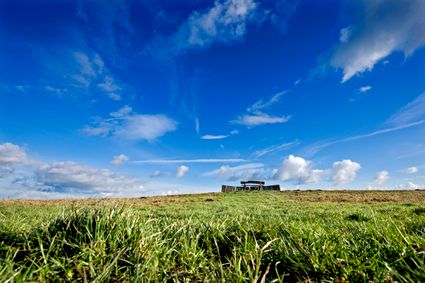
-
De Leiker
De Leiker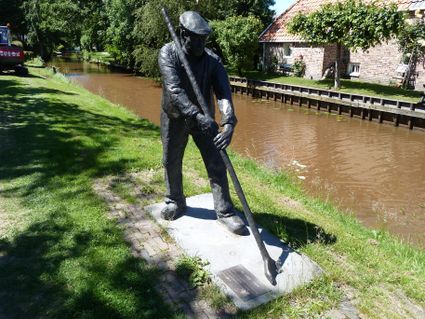
-
Skrins - Bird watching cabin
Skrins - Bird watching cabin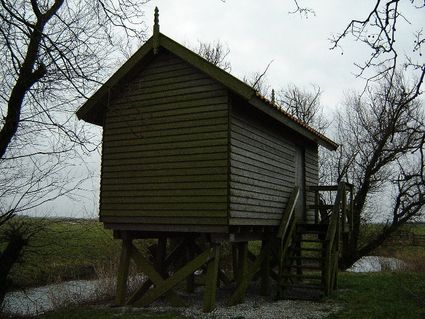
-
Fries Landbouwmuseum (Frisian Agricultural Museum)
Fries Landbouwmuseum (Frisian Agricultural Museum)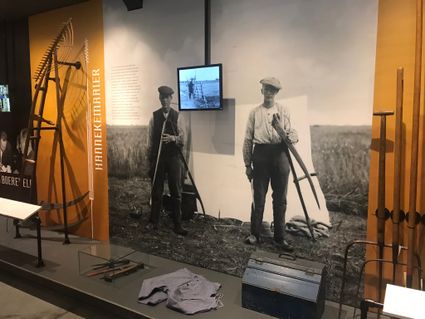
-
Zeilschip Middelsee
Zeilschip Middelsee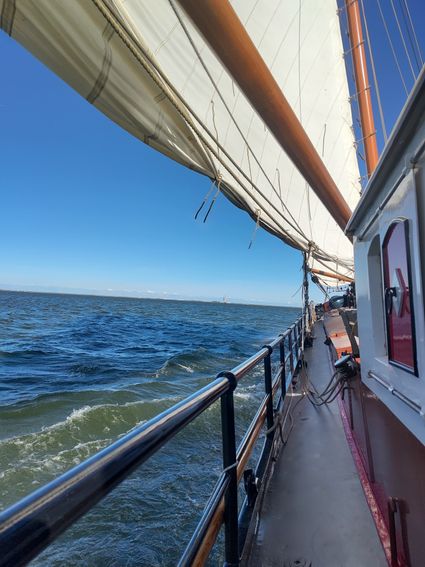
-
Seventy evacuees from Arnhem and Limburg
Seventy evacuees from Arnhem and Limburg
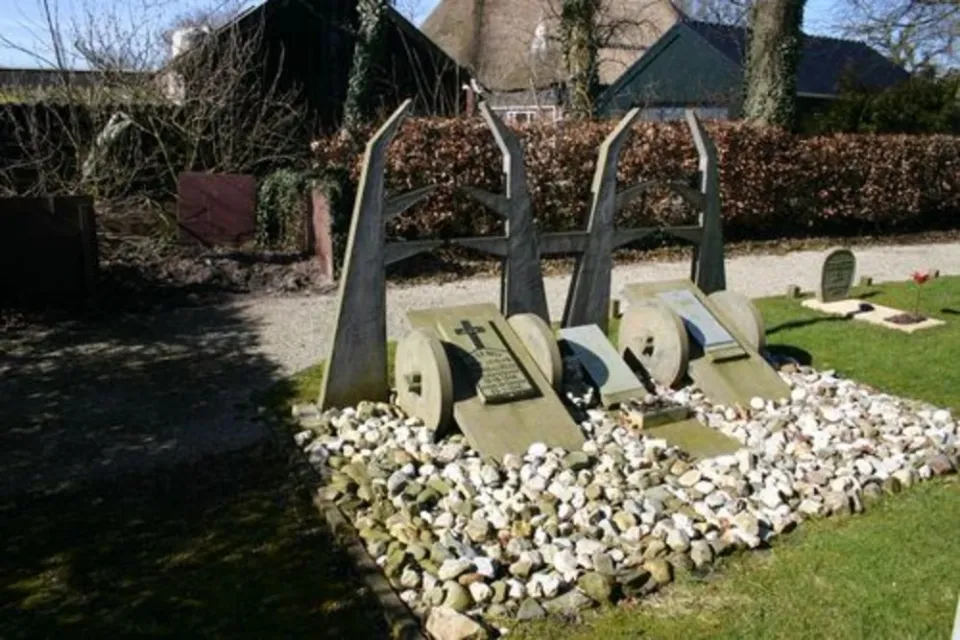
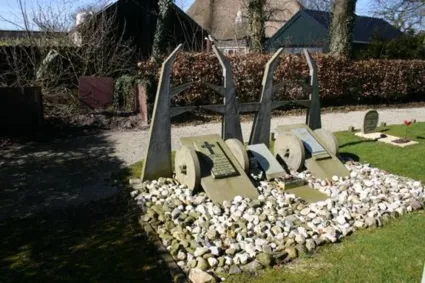
The grave monument in Gytsjerkwas erected in memory of Maria v/d Heuij. Maria was one of seventy evacuees from Arnhem and Limburg who arrived in Gytsjerk on 22 January 1945. Maria died a day later, just a few months old. The harsh conditions during the trip had proved fatal to her. Maria did not live to see the liberation. Fortunately, many of the other evacuees with whom she undertook the journey did.
Symbolism
The monument's spiritual father, artist Klaas Bokma, chose two carts because this was the means of transport often used by evacuees. The four withered trees symbolise death. The cross is not only a symbol of the Christian faith, but also a reminder of the sacrifice made by war victims for a life of freedom.
The oldest pupils of Ichtus and Thrimwalda primary schools take care of this monument.
-
-
Boutique Hotel 'Herberg Het Rechthuis'
Boutique Hotel 'Herberg Het Rechthuis'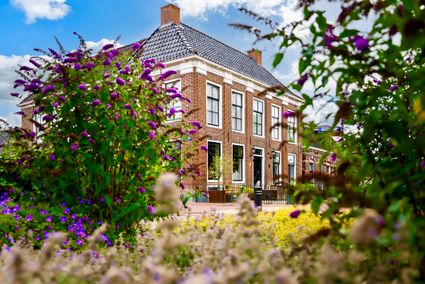
-
AquaZoo Leeuwarden
AquaZoo Leeuwarden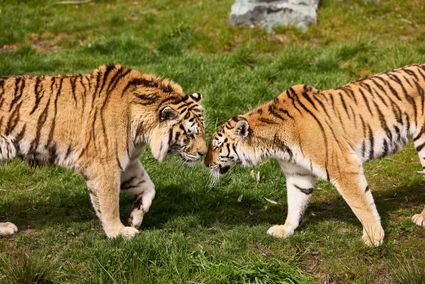
Direct boekbaar
-
Tour de Wadden
Tour de Wadden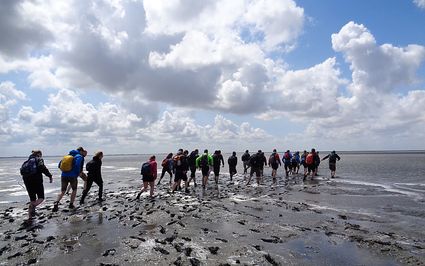
-
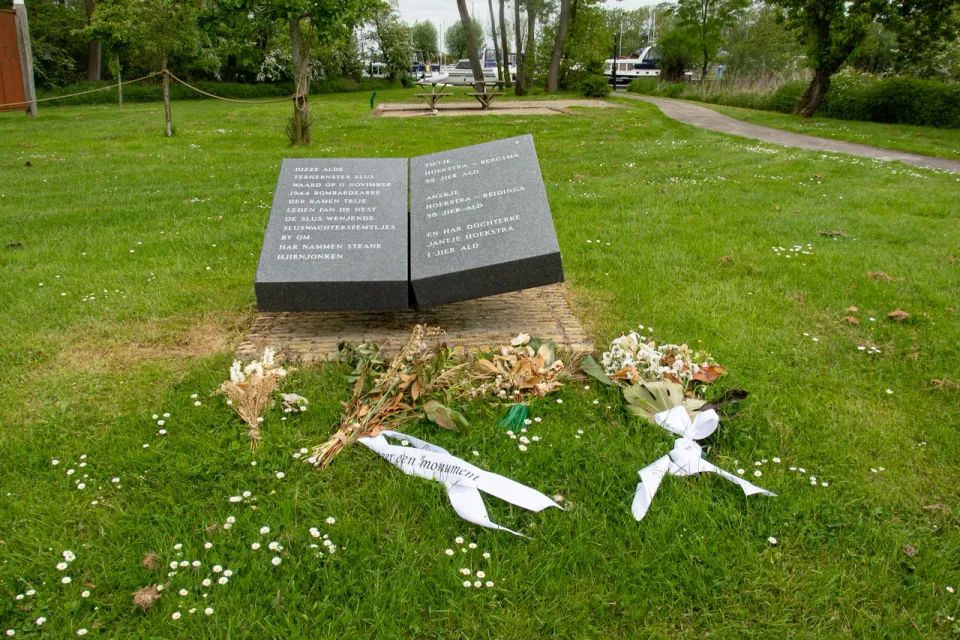
The bombing of Terherne lock
The bombing of Terherne lock
On 11 November 1944, pilots of the Royal Canadian Air Force, based at Welschap airfield near Eindhoven, were ordered to bomb the lock at Terherne in two groups. The reason for the bombardment of Terherne lock was to restrict (German) transport movements. The lock complex was situated on the main shipping route from Germany via Groningen to the Randstad, along which the Germans transported goods and military equipment.
After the railway strike in September had already disrupted rail transport considerably, actions against shipping traffic followed in the months thereafter. The southern part of the country may have been liberated, but fierce battles were still to be fought in the other parts.
Such was the case on that 11th November just after nine o'clock in the morning when the two groups of Hawker Typhoon fighter-bombers took off shortly after each other from Eindhoven for their mission. Around 10:00, the lock at Terherne was bombed from the north for the first time and then again around 10:30.
The consequences were huge for the people living on the lock. The wives of both lock keepers, a one-year-old baby and a German soldier were killed. Also, pilot John Gordon Fraser's aircraft was damaged to such extent that he had to make an emergency landing at St. Johannesga. Although the bombing resulted in the northern passageway being deactivated and no longer usable, the southern passageway remained open and could still be used.
Today, a boathouse for the State yacht of the province of Friesland has been built over the southern passage. A new building, that serves as a guest house for the province, was put up on the site of the lock keeper's house on the south side.
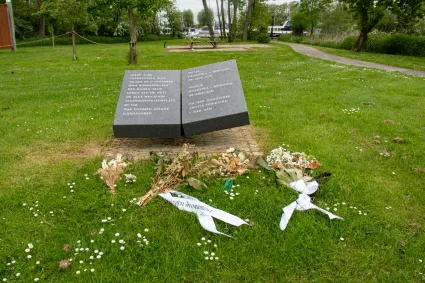
A monument has been erected on the northern pier in memory of those who perished at the lock. This monument was unveiled on 10 November 1985 by Hattum Hoekstra, son of 1st lock keeper Wiemer and Tietje Hoekstra. Since then, the commemoration of the dead in Terherne has always taken place at the old lock, and the children of primary school 'It Kampke' have adopted the monument.
-
-
Bolsward (Boalsert)
Bolsward (Boalsert)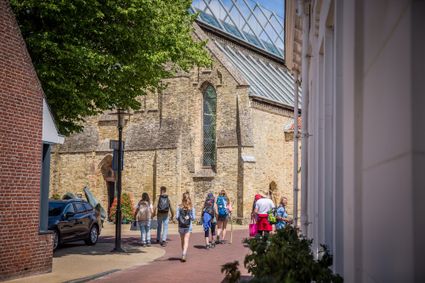
-
Vegotel
Vegotel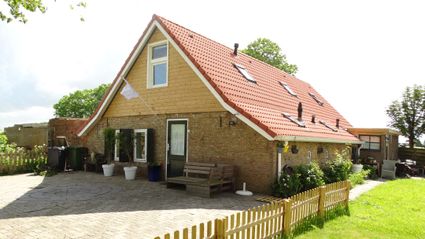
-
Church of Hiaure
Church of Hiaure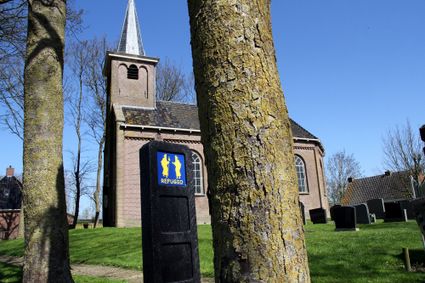
-
Dekema State
Dekema State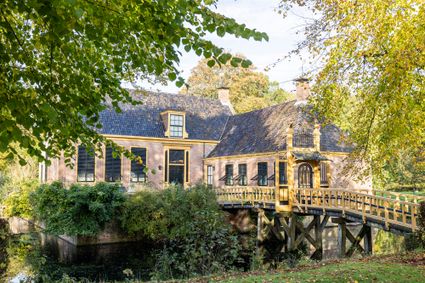
-
Burgum
Burgum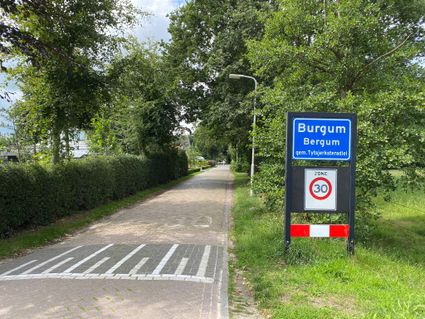
-
Terp fan de Takomst
Terp fan de Takomst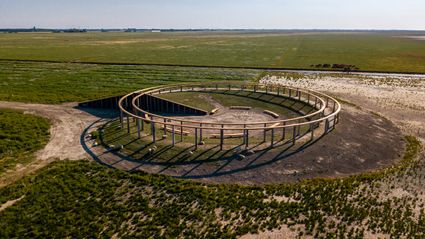
-
Museum 't Fiskershuske
Museum 't Fiskershuske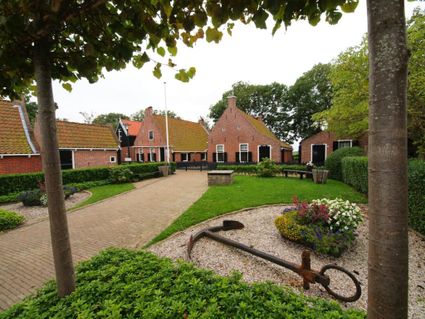
-
Iezumasyl
Iezumasyl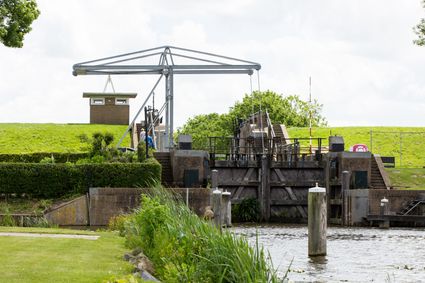
-
Dobbepaarden photo artwork
Dobbepaarden photo artwork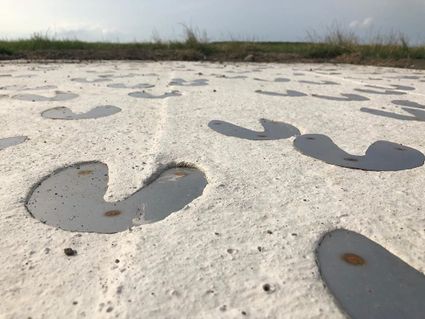
-
Camping De Stjelp
Camping De Stjelp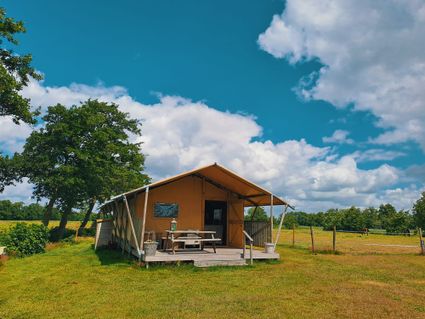
-
Bootverhuur Bonkevaart
Bootverhuur Bonkevaart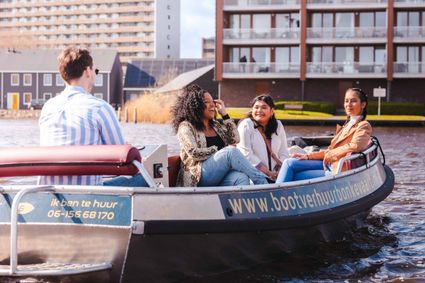
-
Wierum (Wierum)
Wierum (Wierum)