Location
321 to 352 of 412 results
-
Hotel It Posthûs
Hotel It Posthûs
-
Workum Tourist Information - Eleven Cities Stamp Point
Workum Tourist Information - Eleven Cities Stamp Point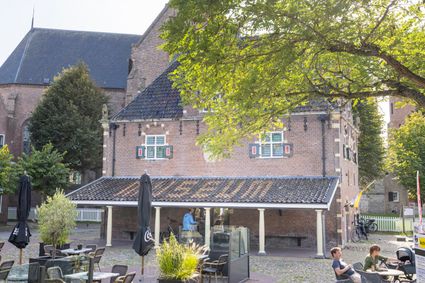
-
Village Garden Snakkerburen
Village Garden Snakkerburen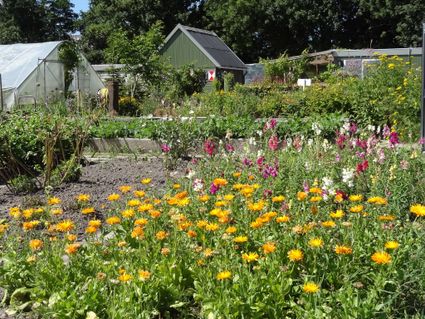
-
Viewpoint De Zoutkegel
Viewpoint De Zoutkegel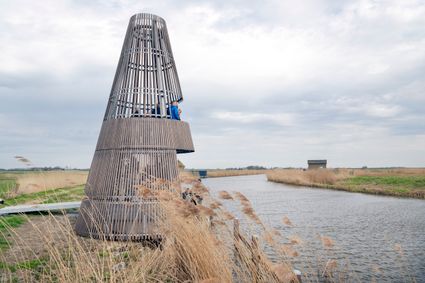
-
village crest
village crest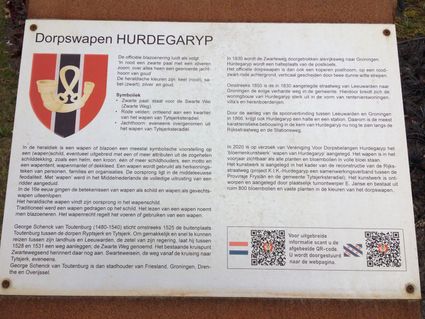
-
Walburga Church in Drogeham
Walburga Church in Drogeham
-
Teetún De Hollen
Teetún De Hollen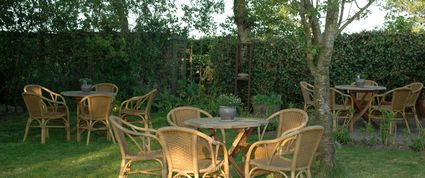
-
Harlingen
Harlingen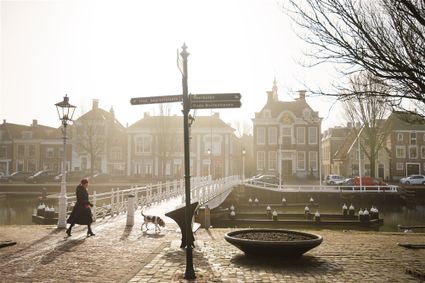
-
Anne-Famkes Pleats
Anne-Famkes Pleats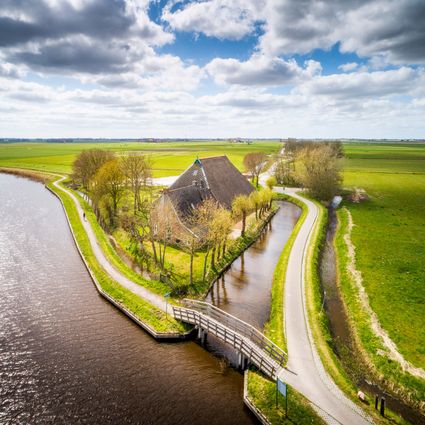
-
Eenhoorn-ee | Antique & vintage shop
Eenhoorn-ee | Antique & vintage shop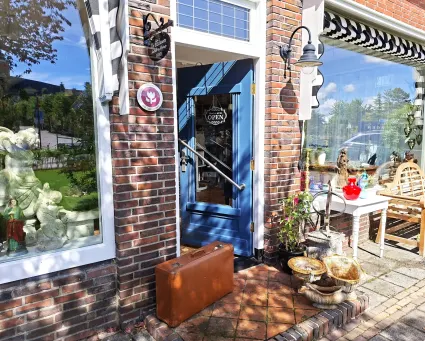
-
VVV IJlst - Eleven Cities Stamp Point
VVV IJlst - Eleven Cities Stamp Point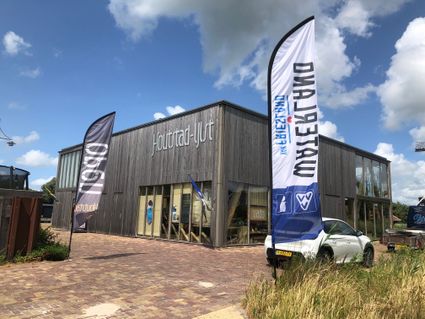
-
Rinsma State Country House and Estate
Rinsma State Country House and Estate
-
Fogelsangh State Country House and Estate
Fogelsangh State Country House and Estate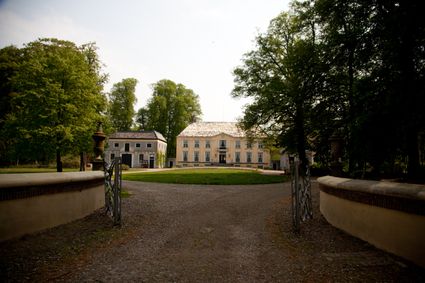
-
Burgum
Burgum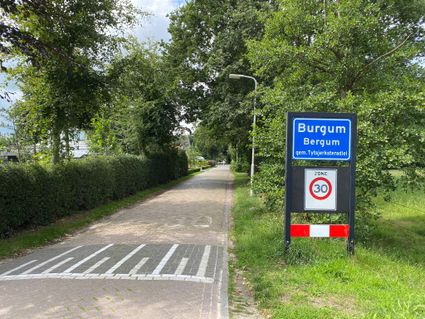
-
Happynes.nl
Happynes.nl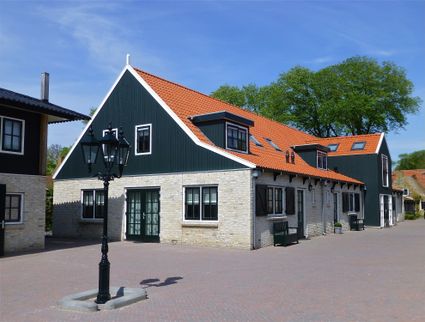
-
St Vitus church Wetsens
St Vitus church Wetsens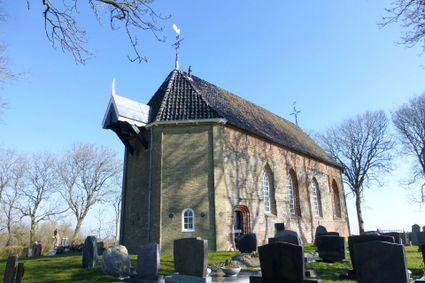
-
Sytzama House
Sytzama House
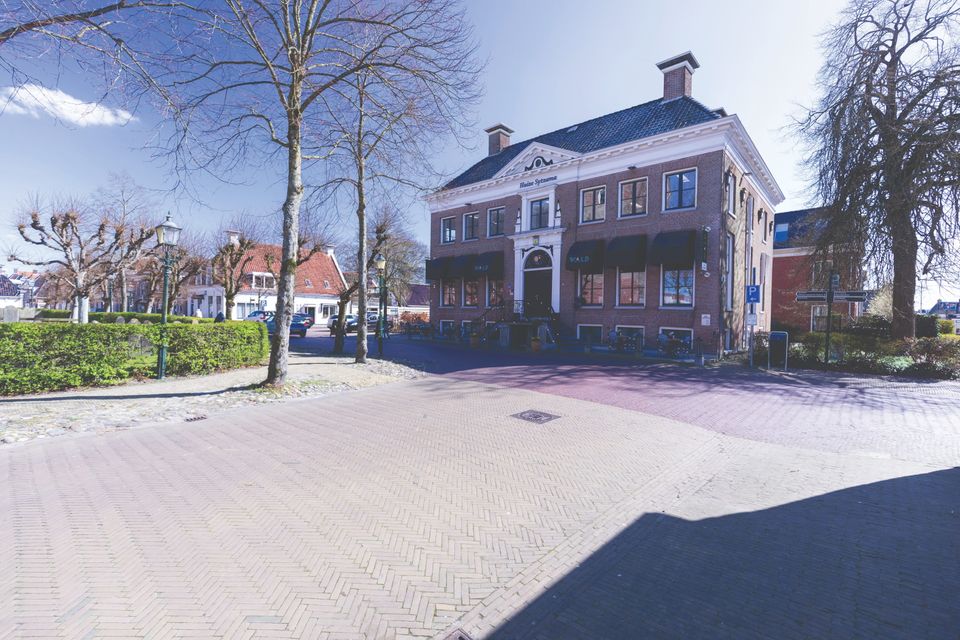
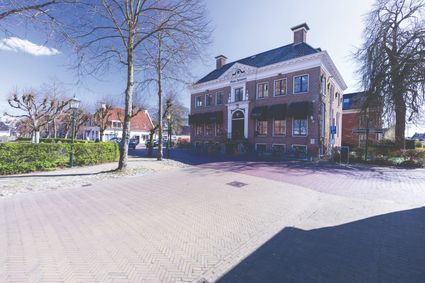
What is now a grand café has a history closely connected with local government, the Second World War, and Baron Willem van Sytzama, the building's first owner, after whom it is named.
In Van Sytzama's time, there were very few buildings nearby. Instead, a large landscaped garden with extensive ponds stretched out behind the house. Baron Willem van Sytzama believed he was happily married to Cecilia van Heemskerk, but she left him for another man. Although the baron took legal action in an attempt to prevent the separation, he was unsuccessful. She never returned, and he never remarried. In later years, however, the building served as Kollum's town hall, where hundreds of marriages were celebrated.
During the Second World War, Mayor Gerben Feitsma was sworn into office in this building. The ceremony took place with prominent displays of flags and the Nazi salute. For that reason, Feitsma is often described as an NSB (Dutch National Socialist Movement) mayor. At the same time, there is evidence that he occasionally helped prevent residents of Kollum from being sent to Germany for forced labour by employing them on his farm. Because of his wartime record, his name is not always included in historical accounts.
His brother, Jan Feitsma, became notorious for a different reason. As Prosecutor General, he ordered signs reading "Jews Forbidden" to be displayed throughout the occupied Netherlands. The policy caused considerable controversy in Kollum during the war. The local tennis club preferred to close its courts rather than display such a sign. In early 1945, Jan Feitsma was shot dead by members of the Dutch Resistance. His funeral in Kollum was attended by numerous members of the SS.
-
-
Swimming Pool De Sawn Doarpen
Swimming Pool De Sawn Doarpen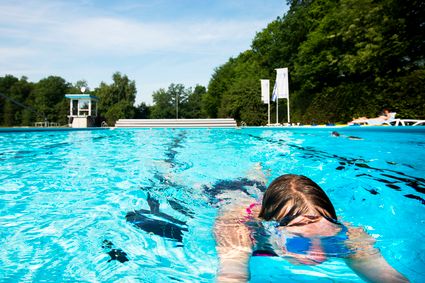
-
The Spitkeet
The Spitkeet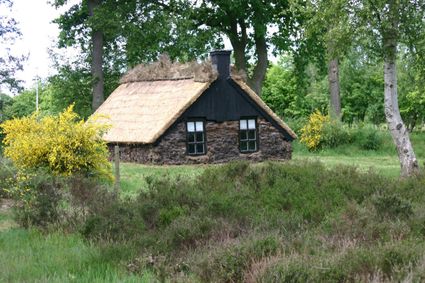
-
Restaurant It Posthûs
Restaurant It Posthûs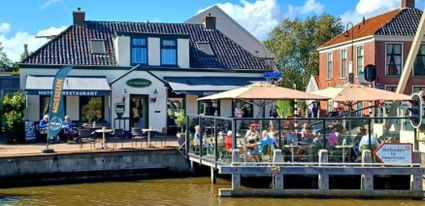
-
Bij De Pastorie Boutique Hotel
Bij De Pastorie Boutique Hotel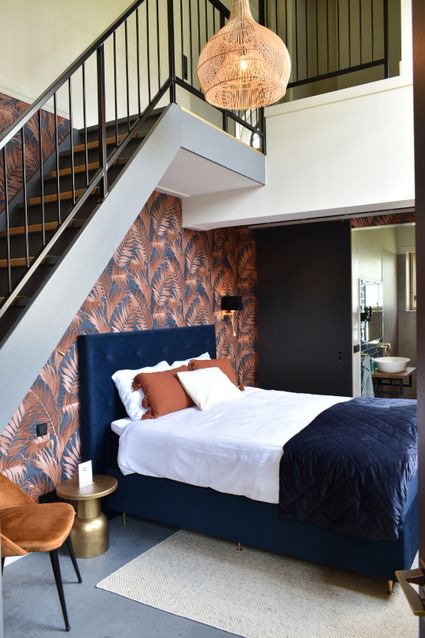
-
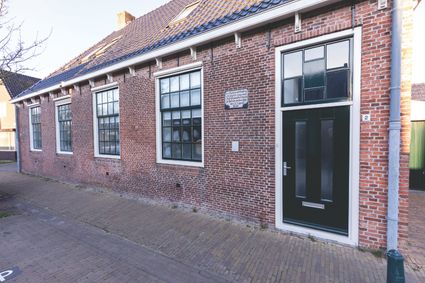
Former Infant School
Former Infant School
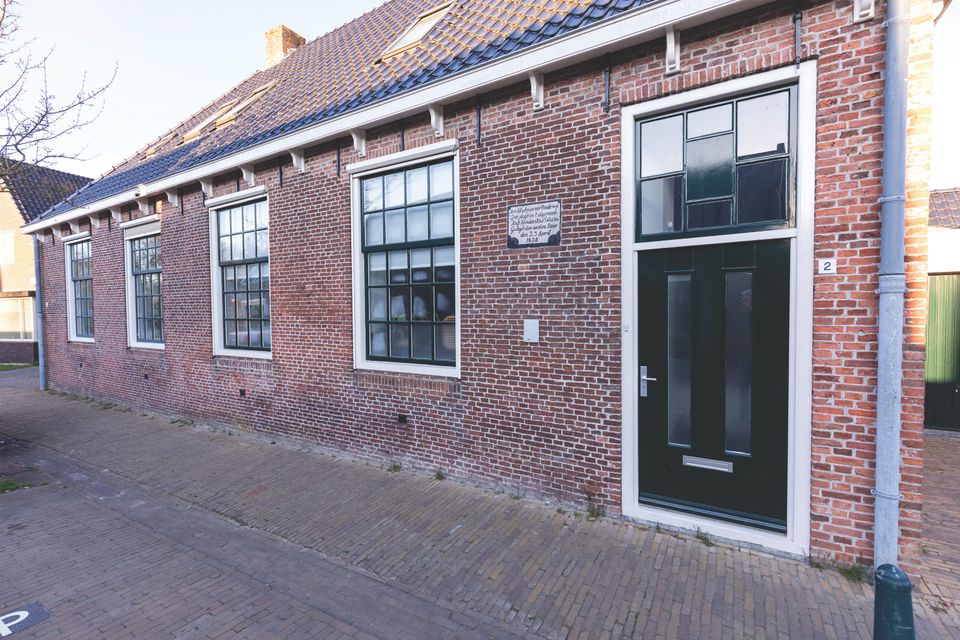
At the intersection of Voorstraat and Meester Andreaestraat stands the former bewaarschool, or infant school. A bewaarschool was a form of pre-school education in the Netherlands and Belgium during the 19th and early 20th centuries.
The infant school was intended for children between the ages of about three and six, before they entered primary school. The Dutch name literally means a place where children were “looked after” while their parents were at work. In practice, they received basic education, learning skills such as listening, counting, and playing together under supervision. The bewaarschool is regarded as the forerunner of today's daycare centres and preschool programmes.
The infant school in Kollum dates from 1828 and is located on the eastern side of the village. At that time, just as on the western side of Voorstraat, the area around the school was home to many small businesses and craftspeople. There was a farmer with a small slaughterhouse, carpenters lived and worked here, and there was a combined butcher's shop and livestock business, as well as a steam-powered grain mill with an animal feed business. The neighbourhood also included a small wholesale dealer in butter, cheese and buttermilk supplied by the factory at Dokkumer Nieuwezijlen, a liquor store, a blacksmith's workshop and a tailor's shop. On the opposite side of the street from the infant school stood a grocery store and a cigar shop.
-
-
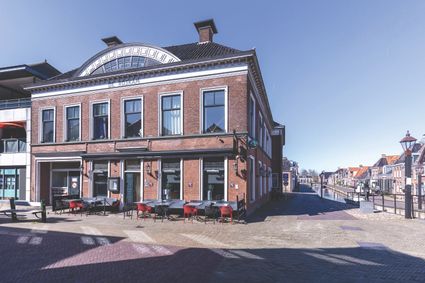
De Roskam
De Roskam
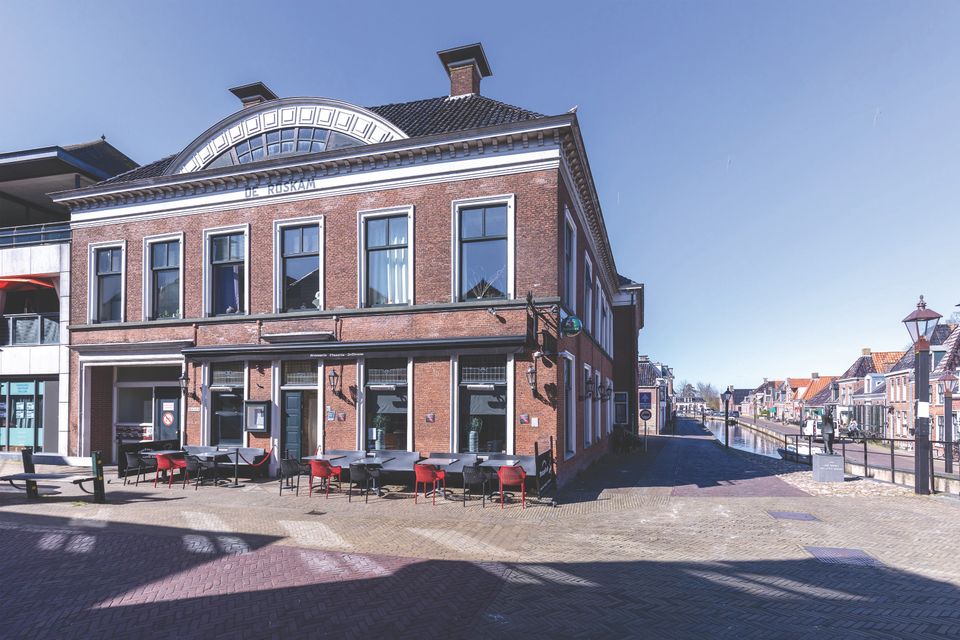
There was a time when Kollum boasted no fewer than sixteen establishments, ranging from pubs and cafés to inns and lodging houses. De Roskam has always been one of them.
Those who remember Kollum in the last century may still picture the signboard of landlord Bonne Hof: a stout little man in swimming trunks with bright red cheeks. According to local tradition, Bonne Hof gathered the sweet flag plants used in his own homemade Kalmus Berenburg from the nearby Alde Swimmer. During the 1950s, Kollum Berenburg was a popular local drink. Another story concerns his father, Sietse Jan, whose croquettes were said to be so delicious that people travelled all the way from Groningen and Leeuwarden to taste them.
Many more colourful stories surround De Roskam. During a German raid in the Second World War, the notary Wassenberg is said to have hidden in the attic, only to crash through the ceiling while still sitting on his chair. Another tale dates from 1952, when the chauffeur of the King's Commissioner, Linthorst Homan, misplaced his cap after spending the night at De Roskam. At first, it was considered a major scandal, and the cap was thought to have been stolen. The commissioner left Kollum in great anger. In the end, however, the cap was simply found and carefully returned by courier by the people of Kollum.
-
-
Former Post Office Kollum
Former Post Office Kollum
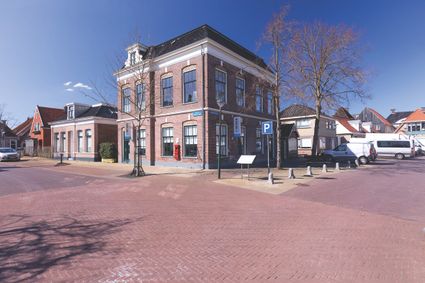
Although this building is now home to a business, it is well worth taking a look inside this former post office.
Those who look closely can still spot the remains of the old post office within the current premises. The original wooden service counters have been preserved, while the bright red PTT letterbox outside is a reminder of days gone by.
Today it is hard to imagine, but for centuries the postal service was one of the most important means of communication. This main post office was built in 1888 for that purpose. It is one of the few post offices constructed after 1883 that was not designed by the Government Architect for the Northern Netherlands, C. H. Peters, but most likely by the municipal architect H. A. Zondag. The municipality leased the building to the national government. The post office occupied the ground floor, while the postmaster lived upstairs. Following a renovation in 1908, the telegraph and telephone services were also housed here. The post office remained in use until the end of 1972.
-
-
it Dreamlân groupaccommodation
it Dreamlân groupaccommodation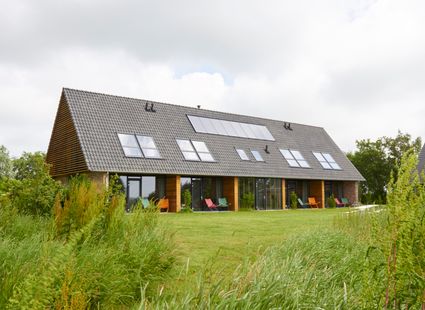
Book now
-
Steenbakkerij Oostrum
Steenbakkerij Oostrum
-
Sint-Gangulfuskerk Church in Ee
Sint-Gangulfuskerk Church in Ee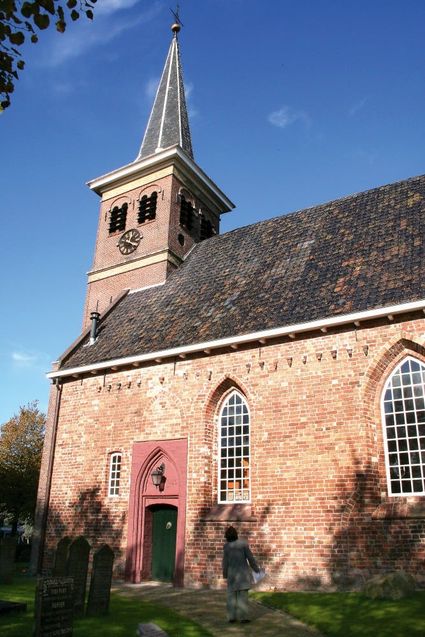
-
Eleven Cities Tour sculpture Aukje in Leeuwarden
Eleven Cities Tour sculpture Aukje in Leeuwarden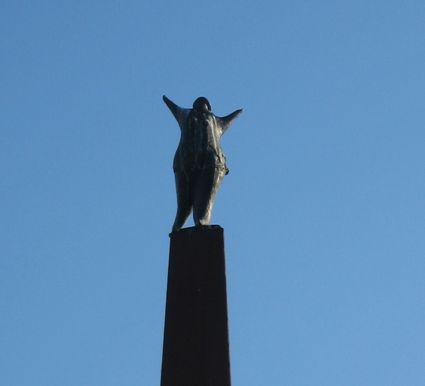
-
Aardappelhandel De Jong farm shop
Aardappelhandel De Jong farm shop
-
Italian restaurant Porto Casa
Italian restaurant Porto Casa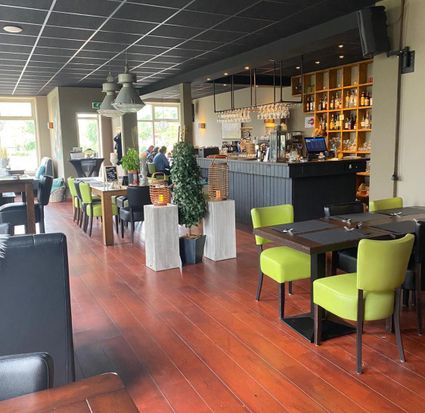
-
Children's Farm Doniastate
Children's Farm Doniastate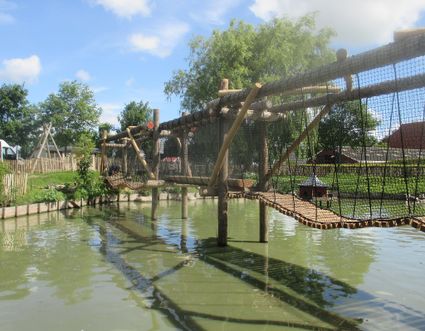
-
it Dreamlân holiday home
it Dreamlân holiday home