Location
161 to 192 of 392 results
-
Jan Durkspolder
Jan Durkspolder
-
Veenwouden (Feanwâlden)
Veenwouden (Feanwâlden)
-
Elfstedentocht Turning Point - Dokkum
Elfstedentocht Turning Point - Dokkum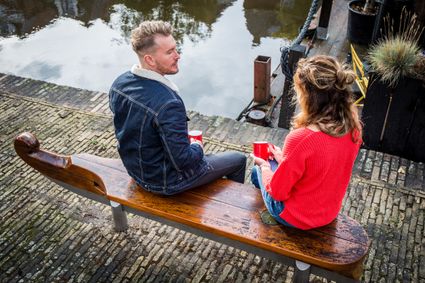
-
Vakantiehuis De Keet
Vakantiehuis De Keet
-
Ferwert (Ferwerd)
Ferwert (Ferwerd)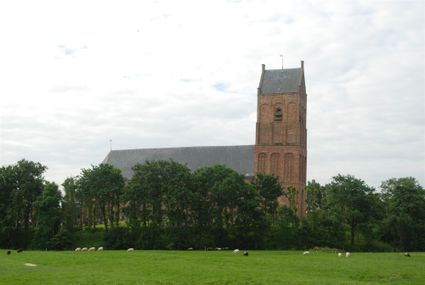
-
TOP Dokkumer Nieuwe Zijlen
TOP Dokkumer Nieuwe Zijlen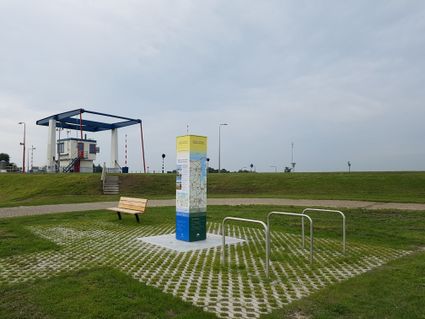
-
Swimming Pool De Sawn Doarpen
Swimming Pool De Sawn Doarpen
-
Greenjoy Earnewâld
Greenjoy Earnewâld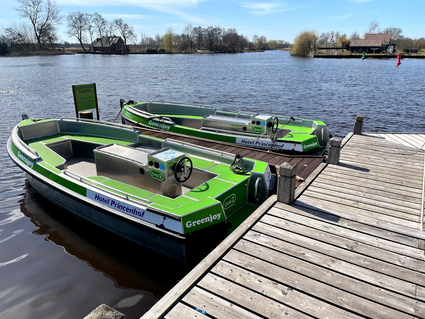
-
St. Boniface's Church Damwâld
St. Boniface's Church Damwâld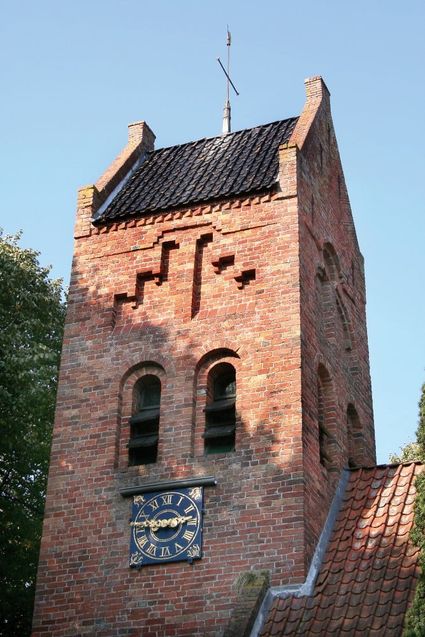
-
Accommodatie Claercamp
Accommodatie Claercamp
-
Attack on the port of Oostmahorn
Attack on the port of Oostmahorn
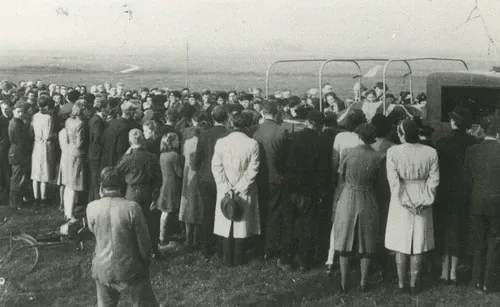
The liberation of the north-eastern part of Friesland was not achieved without a struggle. The Dutch Domestic Armed Forces (NBS) and Canadian troops fought fierce battles, partly side by side. It was mainly occupiers fleeing in panic who caused fights and shootings that claimed victims on both sides. A fierce battle was also fought over the port of Oostmahorn.
After the liberation of Dokkum, Kollum and Dokkumer Nieuwe Zijlen, the attention of the Canadian troops turned to the port of Oostmahorn. It was the gateway to the island of Schiermonnikoog, which was part of the German defence line, the Atlantic Wall. This bulwark ran along the coasts of France to Norway. During the war, and extensive occupying force was stationed on the Wadden Island.
The village of Oostmahorn was "relieved" by the Dutch Domestic Armed Forces (NBS) on Saturday, 14 April, after the German Grenzschutz (border control) left in silence for Schiermonnikoog. Meanwhile, a group of more than a hundred fleeing SS and SD men and a dozen women crossed the Lauwerszee from Groningen near Zoutkamp with three boats to the island. A number of them were high-ranking SD members of the infamous Scholtenhuis in Groningen. When the NBS saw them sailing past from the port of Oostmahorn, shots were fired back and forth.
The German occupying forces on Schiermonnikoog then wanted to take revenge. The village and the port of Oostmahorn were attacked from the island for two hours on Monday, 16 April. A convoy of three Dutch boats left for the port with the aim of landing there. Meanwhile, the help of the B-Squadron of the Royal Canadian Dragoons (1st Armoured Carrier Regiment) in Dokkum had been called in. The attack was narrowly repelled, but two Canadian soldiers from a reconnaissance group were killed. A defence line of foxholes and armoured vehicles was erected around the village.
Further reinforcements were called in that day from Leeuwarden, where C Company of the North Nova Scotia Highlanders were sent to the coastal strip to patrol for German landing attempts.
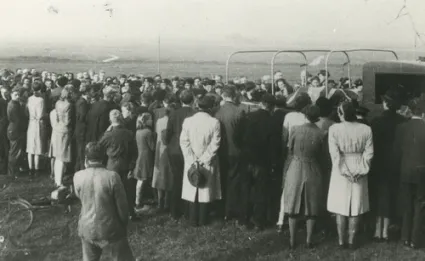
After a brief but heavy shelling from the Canadians as a warning, a mediator was sent to the island the next day. The highest-ranking SD officer refused to surrender. They were waiting for an escape with a Schnell boat that was to take them to the German Wadden island of Borkum on 3 May. That turned out to be in vain, but in the meantime they kept the island occupied, even after the general capitulation of the whole of the Netherlands on 5 May.It was not until 11 June that two boats, the MS Waddenzee and the MS Brakzand, transported the last occupiers of Schiermonnikoog to the port of Oostmahorn. A column of army trucks packed with prisoners of war left the port under the guard of the Allies. From there they went to the POW camp in Beerta (Groningen).
-
-
Reformed Church Wierum
Reformed Church Wierum
-
Makkum War Memorial
Makkum War Memorial
By 16 April, the major part of Friesland had been liberated. But some important targets of the Canadians had not yet been achieved. They wanted to win the Frisian ports and the Head of the Afsluitdijk from the Germans as quickly as possible. But they would be hard fought. Both the ports and the Afsluitdijk were used by German soldiers to escape to North Holland.
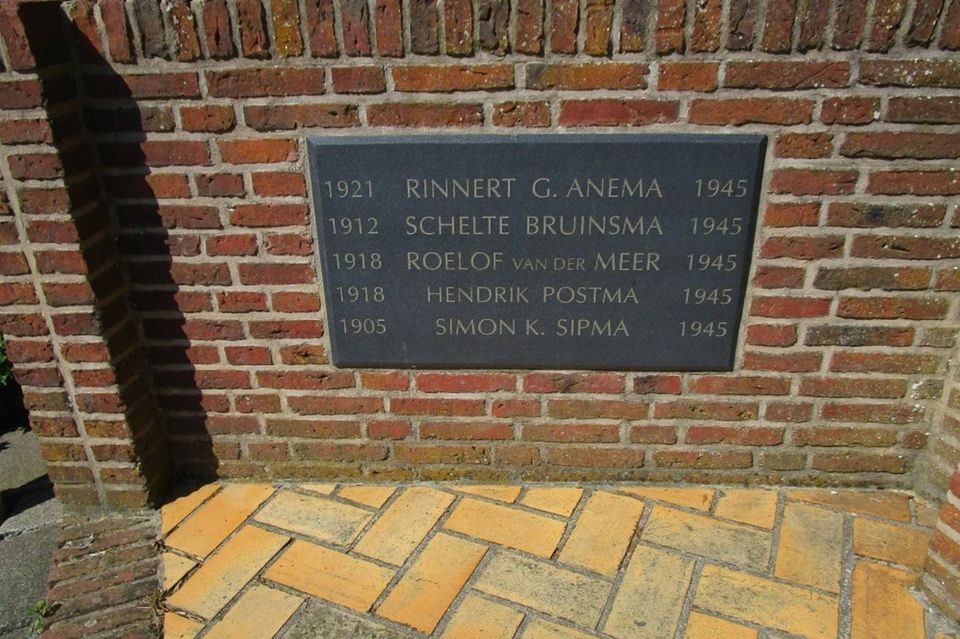
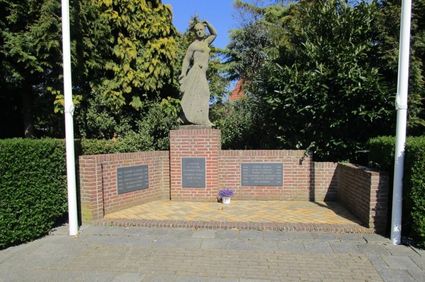
As elsewhere in Friesland, the Canadians were helped by resistance fighters from the Dutch Domestic Armed Forces (N.B.S.) They suffered several casualties near Makkum. On 16 April, Schelte Bruinsma and Simon Sipma were killed in an attack on a farm in which the Germans had entrenched themselves. The next day, another group tried to occupy a bridge under Makkum. However, the Germans caught sight of them and in the ensuing gunfight, Rinnert Anema, Roelof van der Meer and Hendrik Postma were killed. Makkum was liberated on 18 April, as one of the last villages in Friesland.
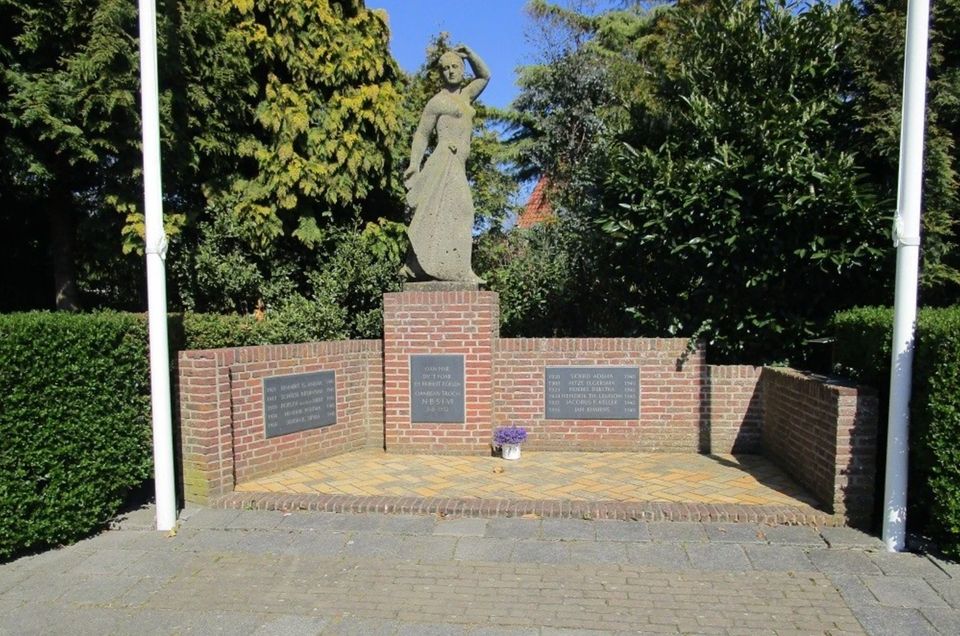
The monument at the Buren in Makkum was unveiled in 1952 in commemoration of the members of the Dutch Domestic Armed Forces who were killed around the village during the struggle for liberation.
-
-
Sense of Place: Waiting for high tide
Sense of Place: Waiting for high tide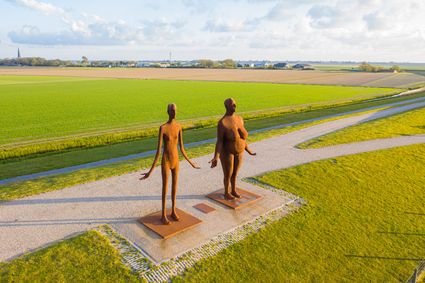
-
it Dreamlân holiday home
it Dreamlân holiday home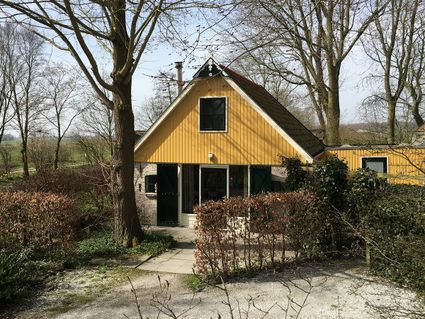
Direct boekbaar
-
Eanjumer Kolken
Eanjumer Kolken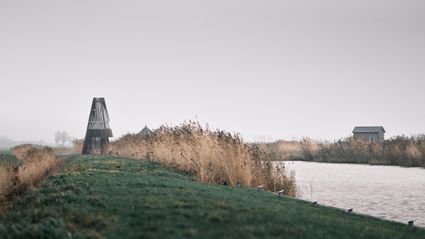
-
village crest
village crest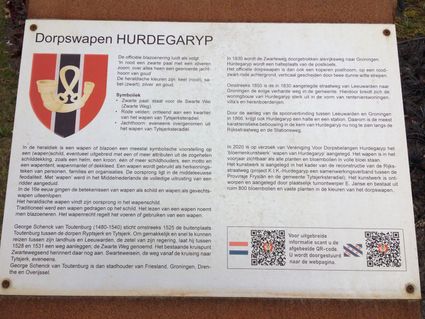
-
TOP Burgum
TOP Burgum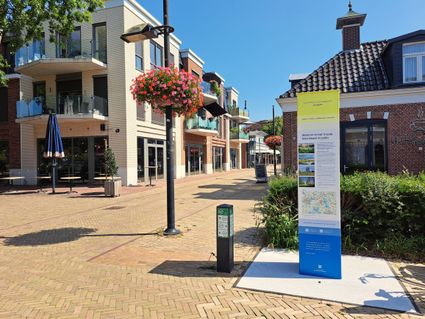
-
Pioneer of the Eleven Cities Tour, Pim Mulier
Pioneer of the Eleven Cities Tour, Pim Mulier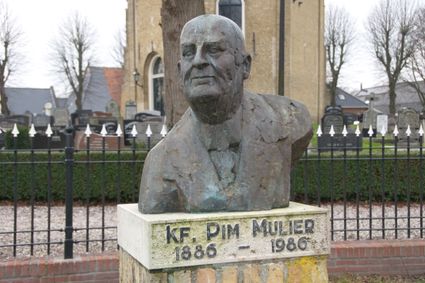
-
Doarpstsjerke Jistrum
Doarpstsjerke Jistrum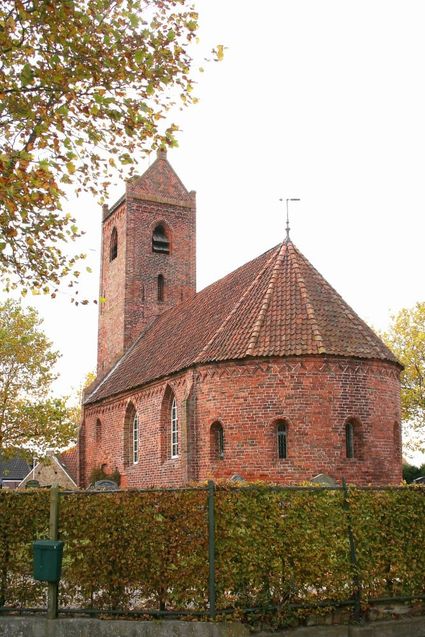
-
Surhuisterveen (Surhústerfean)
Surhuisterveen (Surhústerfean)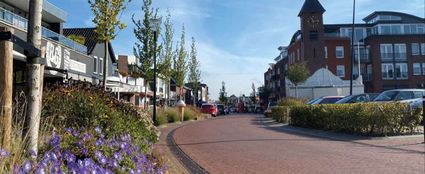
-
Boerderijwinkel Bezigh (Farm Shop)
Boerderijwinkel Bezigh (Farm Shop)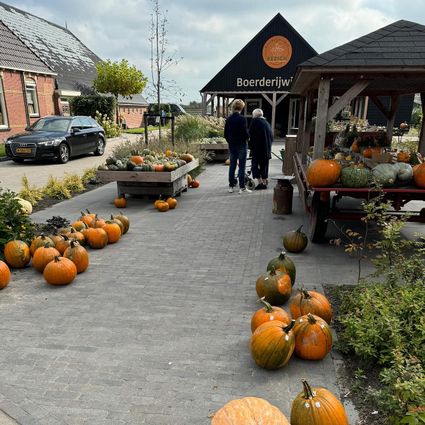
-
Sloten (Sleat)
Sloten (Sleat)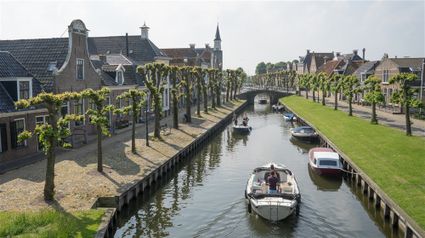
-
Eleven Cities Tour sculpture Aukje in Franeker
Eleven Cities Tour sculpture Aukje in Franeker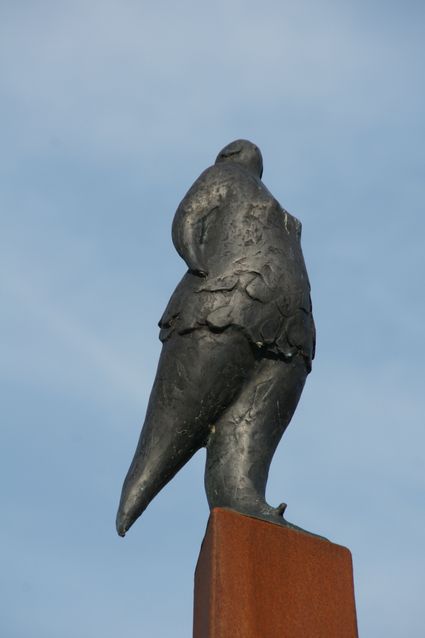
-
Eleven Cities Tour sculpture Aukje in Stavoren
Eleven Cities Tour sculpture Aukje in Stavoren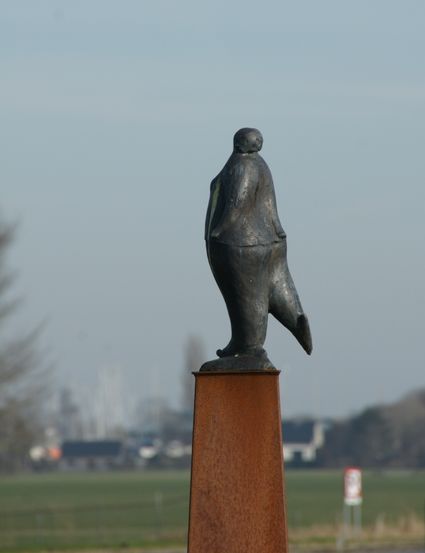
-
Beaches at Lauwersoog
Beaches at Lauwersoog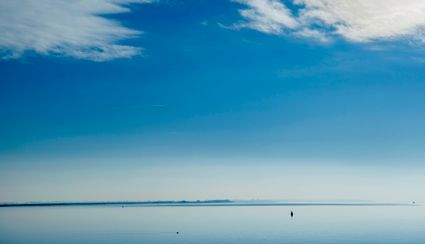
-
B&B The Wee White Hoose
B&B The Wee White Hoose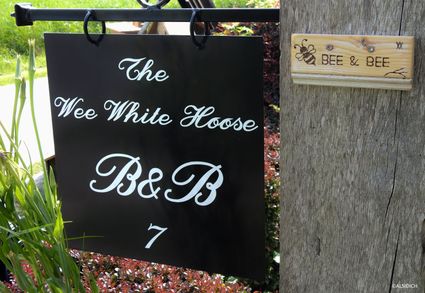
-
Sint Willibrorduskerk
Sint Willibrorduskerk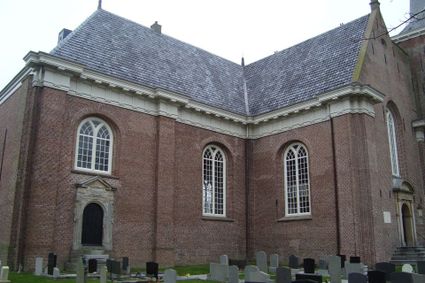
-
De Jersey Molkerij
De Jersey Molkerij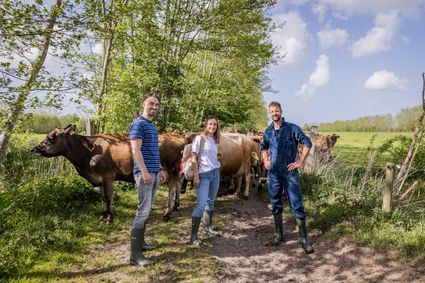
-
Greenjoy Gytsjerk
Greenjoy Gytsjerk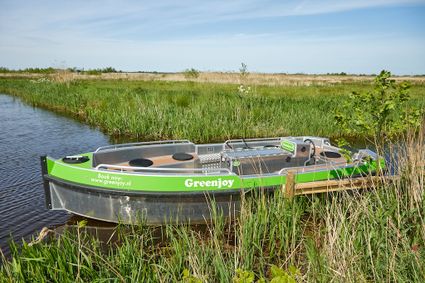
-
Waddensea fishtours and Workshops 't Ailand
Waddensea fishtours and Workshops 't Ailand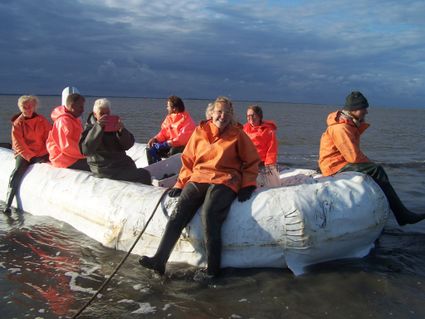

-
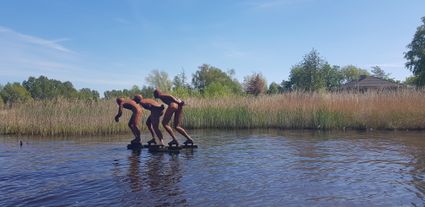
Statue skaters 'Marathonriders'
Statue skaters 'Marathonriders'