Location
193 to 224 of 387 results
-
TOP Burgum
TOP Burgum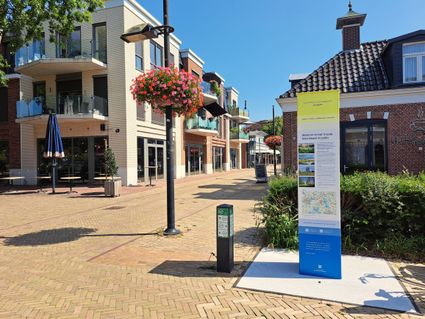
-
Wadlopen Friese Wad - mudflat hiking
Wadlopen Friese Wad - mudflat hiking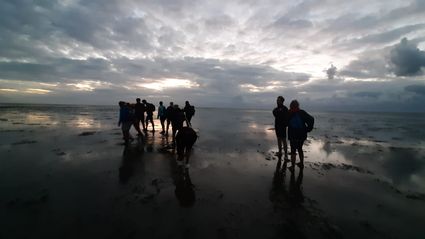
-
Farm next to the church
Farm next to the church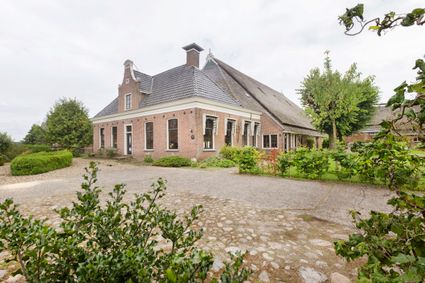
-
St Vitus church Wetsens
St Vitus church Wetsens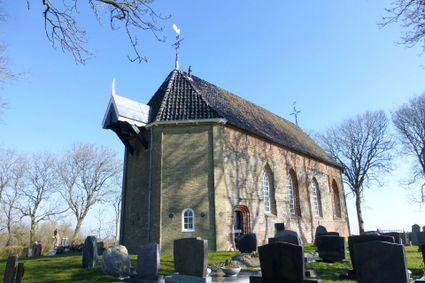
-
Noarderleech Bunker and Training Base
Noarderleech Bunker and Training Base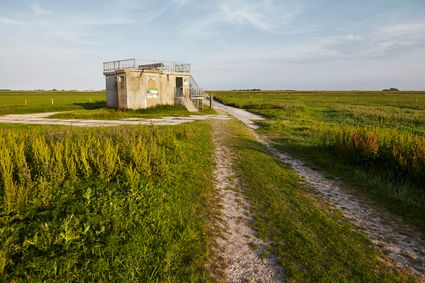
-
Eleven Cities Tour sculpture Aukje in Stavoren
Eleven Cities Tour sculpture Aukje in Stavoren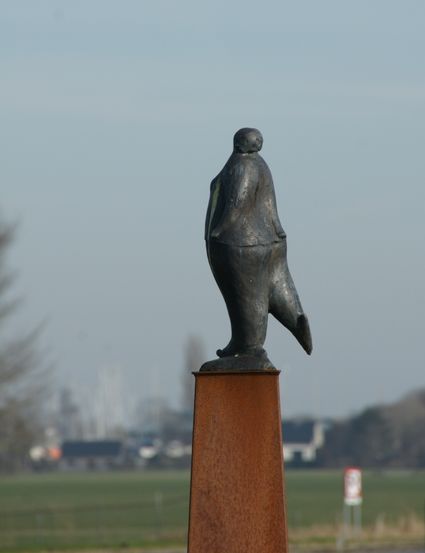
-
Walburga Church in Drogeham
Walburga Church in Drogeham
-
Grill Restaurant Gewoan op 'e Dyk
Grill Restaurant Gewoan op 'e Dyk
-
Schwarzenbergerbos Forest
Schwarzenbergerbos Forest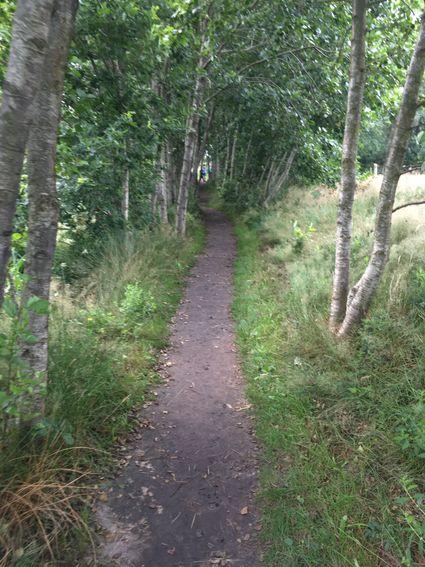
-
Pucks Pluktuin l flower-picking garden
Pucks Pluktuin l flower-picking garden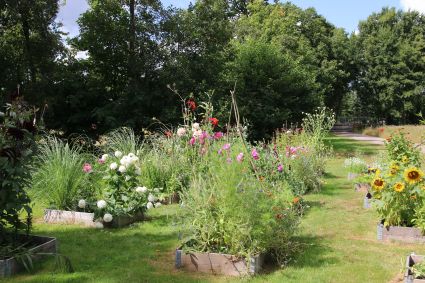
New
Sumar -
it Dreamlân holiday homes
it Dreamlân holiday homes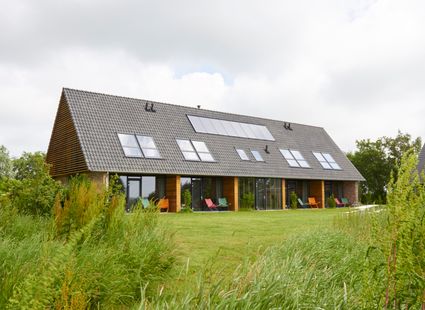
-
Wânswert (Wanswerd)
Wânswert (Wanswerd)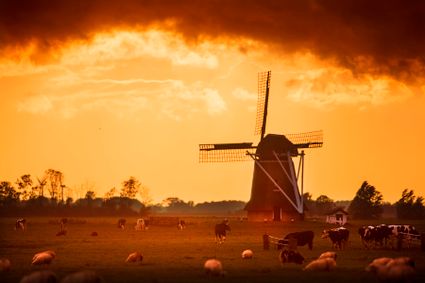
-
St. Nicholas Church Eastrum (Oostrum)
St. Nicholas Church Eastrum (Oostrum)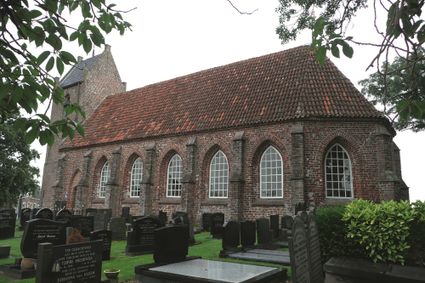
-
Tourist Information Kollum
Tourist Information Kollum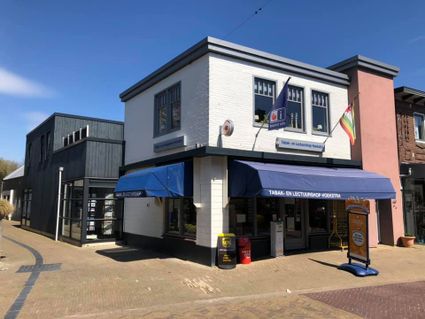
-
Former Infant School
Former Infant School
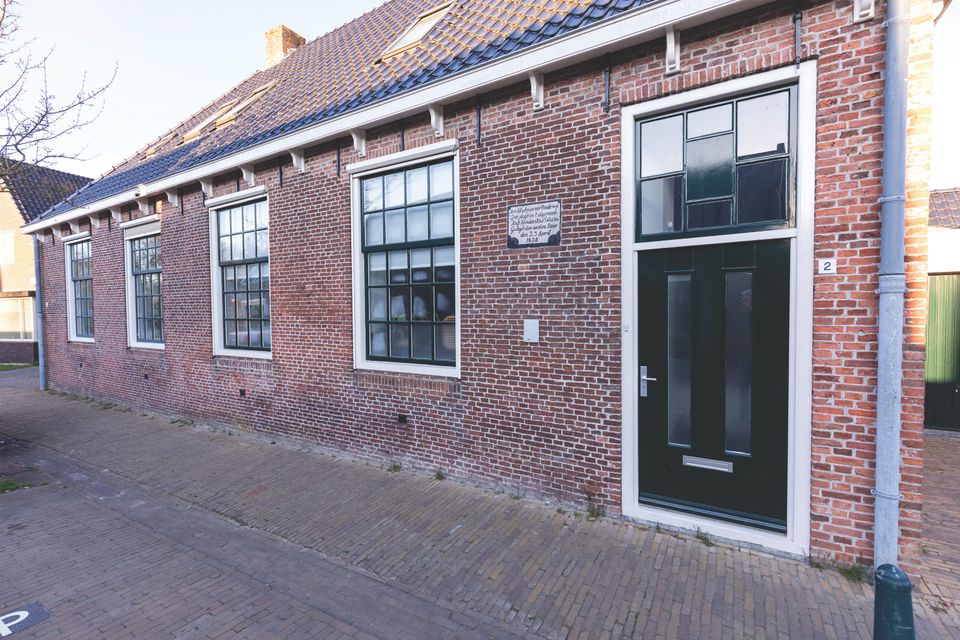
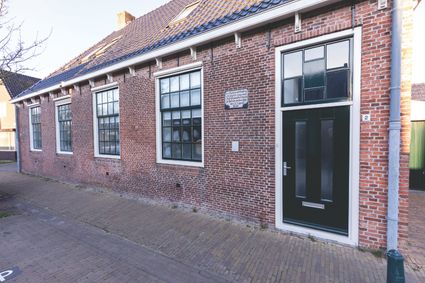
At the intersection of Voorstraat and Meester Andreaestraat stands the former bewaarschool, or infant school. A bewaarschool was a form of pre-school education in the Netherlands and Belgium during the 19th and early 20th centuries.
The infant school was intended for children between the ages of about three and six, before they entered primary school. The Dutch name literally means a place where children were “looked after” while their parents were at work. In practice, they received basic education, learning skills such as listening, counting, and playing together under supervision. The bewaarschool is regarded as the forerunner of today's daycare centres and preschool programmes.
The infant school in Kollum dates from 1828 and is located on the eastern side of the village. At that time, just as on the western side of Voorstraat, the area around the school was home to many small businesses and craftspeople. There was a farmer with a small slaughterhouse, carpenters lived and worked here, and there was a combined butcher's shop and livestock business, as well as a steam-powered grain mill with an animal feed business. The neighbourhood also included a small wholesale dealer in butter, cheese and buttermilk supplied by the factory at Dokkumer Nieuwezijlen, a liquor store, a blacksmith's workshop and a tailor's shop. On the opposite side of the street from the infant school stood a grocery store and a cigar shop.
-
-
Waddensea fishtours and Workshops 't Ailand
Waddensea fishtours and Workshops 't Ailand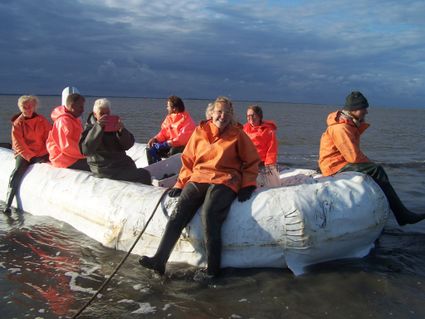

-
Greenjoy It Bûtefjild
Greenjoy It Bûtefjild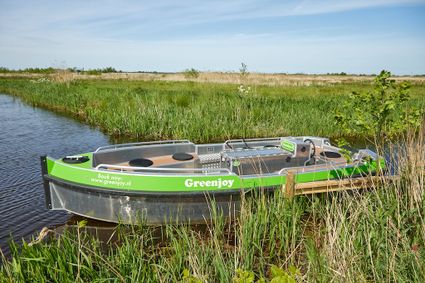
-
Bed en Breakfast Marrum
Bed en Breakfast Marrum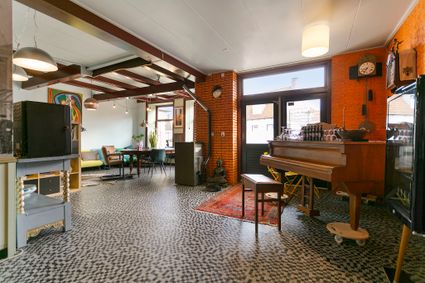
-
Gast op stal
Gast op stal
-
Eleven Cities Tour monument in Vrouwenparochie
Eleven Cities Tour monument in Vrouwenparochie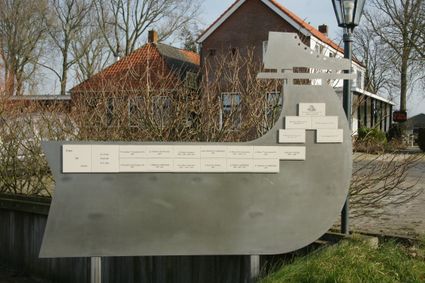
-
Grutte Pier Brewery
Grutte Pier Brewery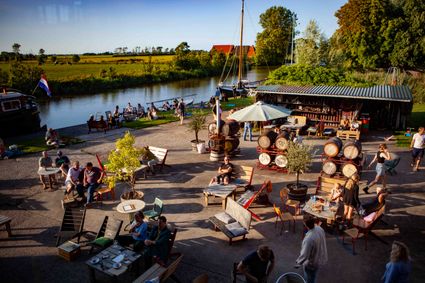
-
De Kruisweg
De Kruisweg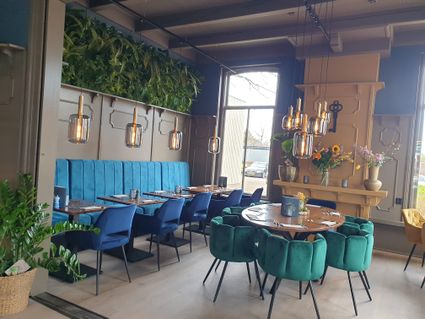
-
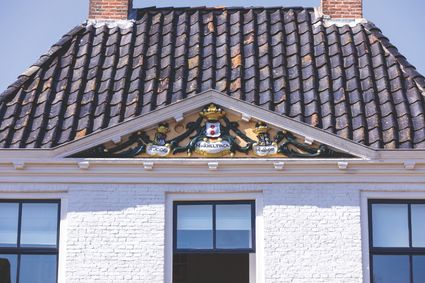
The Former Weigh House
The Former Weigh House
A look at old photographs reveals that the building looks even more attractive today than its predecessor. The people of Kollum have taken good care of this historic landmark. The weigh house was a public building where goods could be officially weighed. Its presence was particularly important for trade in butter and cheese.
A public weigh house in Kollum is first mentioned in the 16th century. That original building stood next to the Rechthuis (courthouse). In 1779, a new weigh house was built here on the Westerdiepswal, at the heart of the bustling waterfront. The wide entrance to the former weighing hall, where two weighing scales were once installed, can still be clearly recognised in the façade.
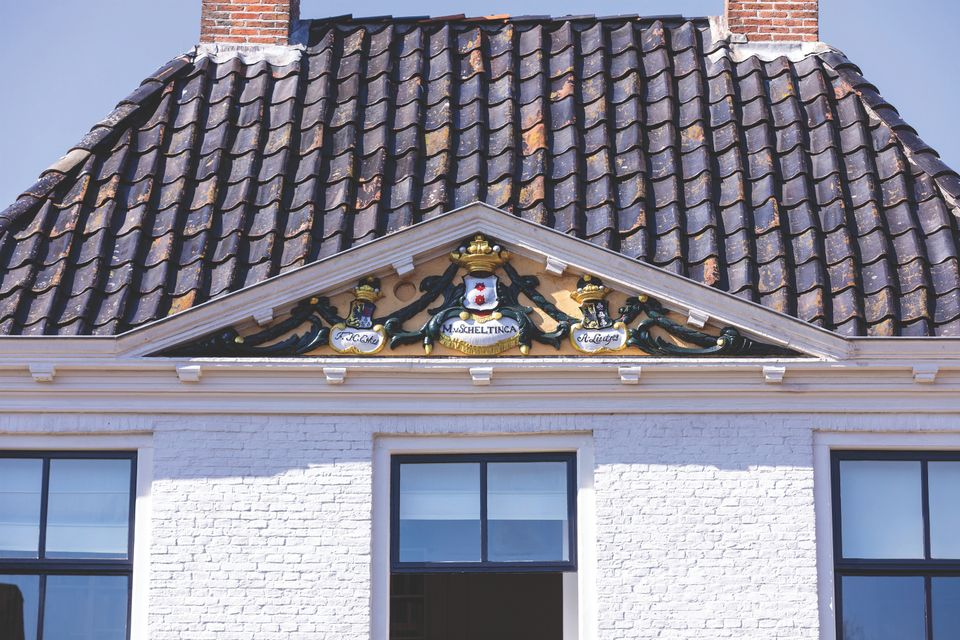
The pediment above the façade bears the coats of arms and names, added in 1779, of grietman (district magistrate) Martinus van Scheltinga, his deputy Focke Hijlckes Eskes, and Albert Luitjens, who served together with Eskes as church warden. The building was owned by the Dutch Reformed Church, which leased out the weigh house. In 1871 it was sold to a private owner, after which an official weighmaster appointed by the municipality supervised its operation. With the rise of the dairy industry in Friesland, the weigh house gradually lost its function. In 1895, the building was converted into a private residence.
-
-
Buitenpost (Bûtenpost)
Buitenpost (Bûtenpost)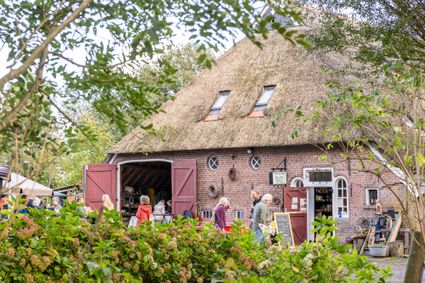
-
www.countrygarden.nl
www.countrygarden.nl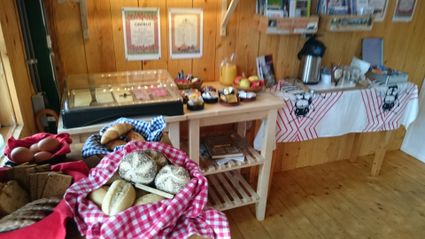
Temporarily closed
Ie -
Accommodatie Claercamp
Accommodatie Claercamp
-
(WEC) World Heritage Centre Wadden Sea
(WEC) World Heritage Centre Wadden Sea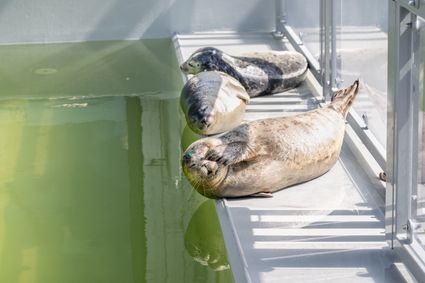
-
Michaëlkerk Anjum
Michaëlkerk Anjum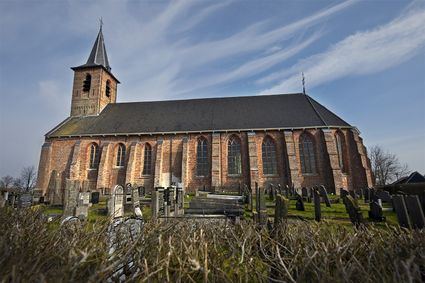
-
Reformed Church Wierum
Reformed Church Wierum
-
Opende Blotevoetenpad Barefoot Trail
Opende Blotevoetenpad Barefoot Trail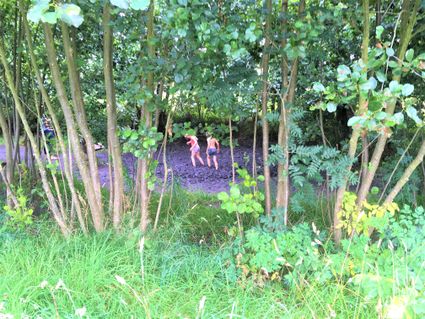
-
Pioneer of the Eleven Cities Tour, Pim Mulier
Pioneer of the Eleven Cities Tour, Pim Mulier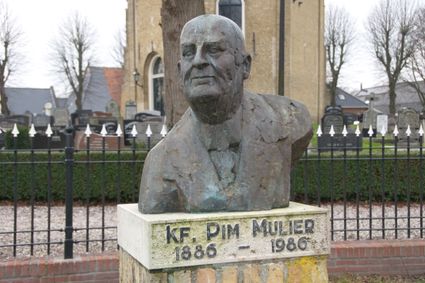
-
Hindeloopen (Hylpen)
Hindeloopen (Hylpen)