Location
33 to 64 of 397 results
-
Bike Rental De Schreiershoek Dokkum
Bike Rental De Schreiershoek Dokkum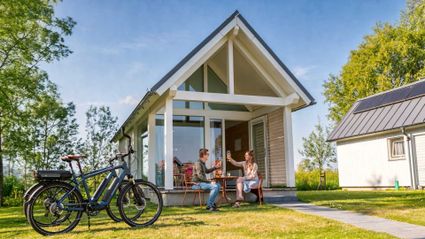
New
Dokkum / Oostrum -
Pitch & Putt Esonstad
Pitch & Putt Esonstad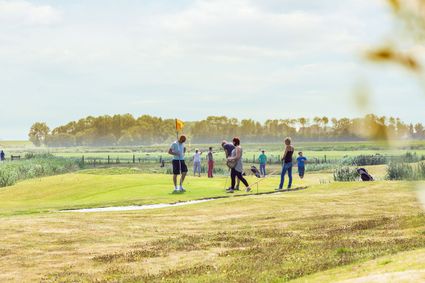
-
Hotel It Posthûs
Hotel It Posthûs
-
Camper site Dokkum
Camper site Dokkum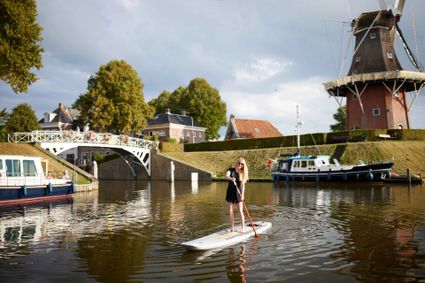
-
The Spitkeet
The Spitkeet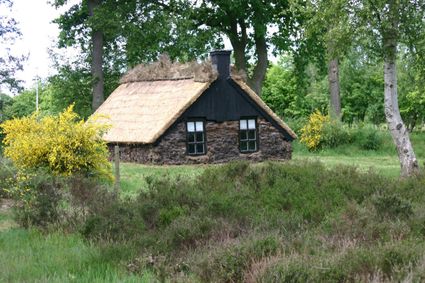
-
Tourist Information Kollum
Tourist Information Kollum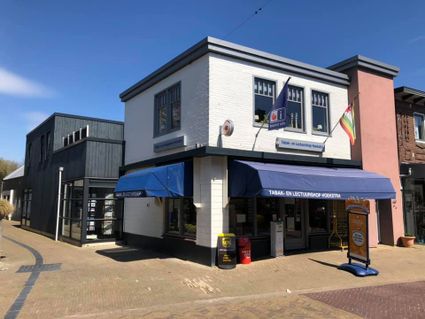
-
Ferwert (Ferwerd)
Ferwert (Ferwerd)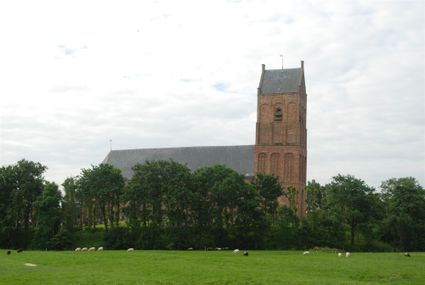
-
Schuilenburg Beach
Schuilenburg Beach
-
Boutique Hotel Dokkum
Boutique Hotel Dokkum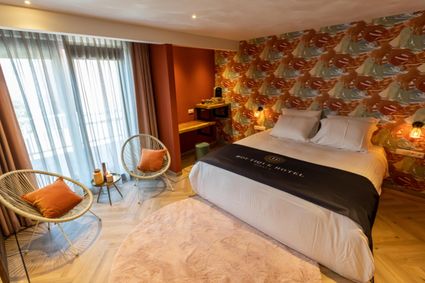
-
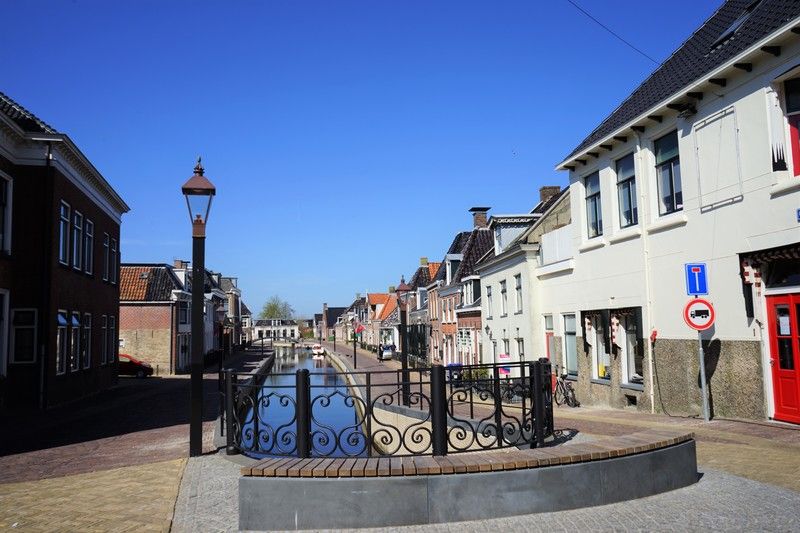
Oosterdiepswal and Westerdiepswal
Oosterdiepswal and Westerdiepswal
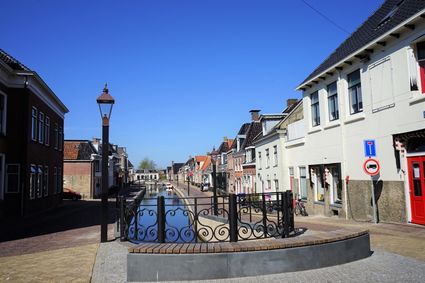
On both sides of the Sylster Ryd, in the oldest part of Kollum's historic centre, lie the Oosterdiepswal and Westerdiepswal.
These embankments, locally known simply as the Wallen, are already mentioned in the earliest historical records of Kollum. The Sylster Ryd connected here with the major waterways to the north and south of the village.
During the 16th and 17th centuries, Kollum was a thriving centre of trade and commerce. Its town centre played an important logistical role in regional trading activities. Development along the Wallen began after this waterway was excavated in the early 16th century. Businesses that depended on water transport for the delivery of raw materials and the shipment of goods established themselves here. Historical records mention pottery workshops, a brewery, a tannery and a shipyard. Several windmills also stood along the Wallen, although mills could be found elsewhere in the village as well. Today, the Wallen form part of Kollum's protected historic townscape.
-
-
it Dreamlân nature campsite
it Dreamlân nature campsite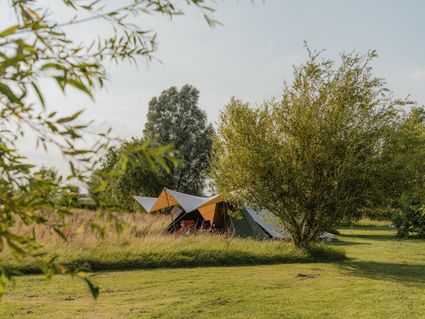
-
Klein Zwitserland Lakeside Beach
Klein Zwitserland Lakeside Beach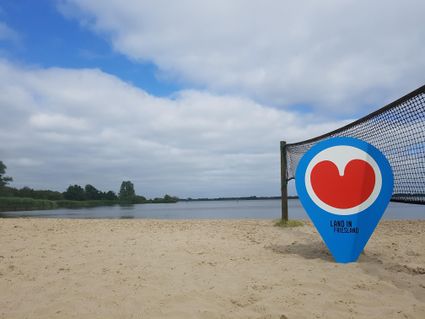
-
TOP Kollum
TOP Kollum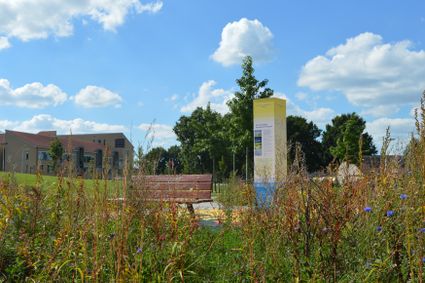
-
St. Catherine's Church Aalsum
St. Catherine's Church Aalsum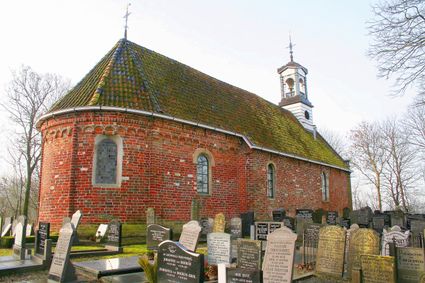
-
Anne-Famkes Pleats
Anne-Famkes Pleats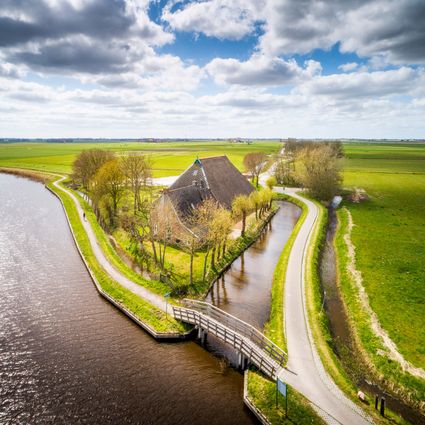
-
Public primary school
Public primary school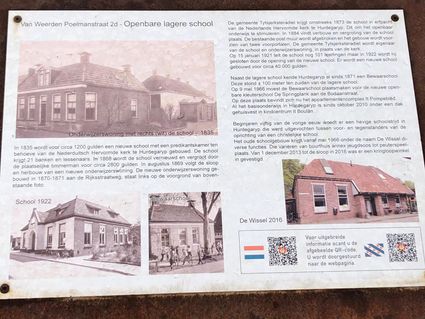
-
It Noarderleech - Noard Fryslan Butendyks
It Noarderleech - Noard Fryslan Butendyks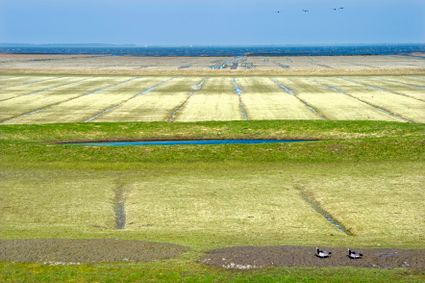
-
Veenwouden (Feanwâlden)
Veenwouden (Feanwâlden)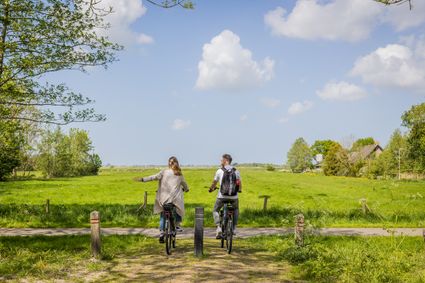
-
Beaches at Lauwersoog
Beaches at Lauwersoog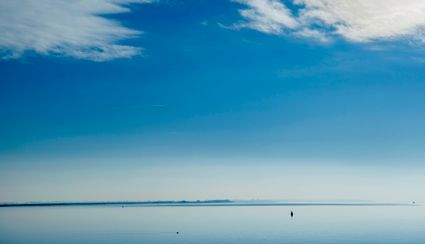
-
Restaurant Herberg De Pater
Restaurant Herberg De Pater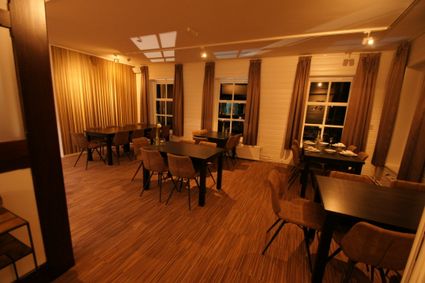
-
Oudebildtdijk Dike
Oudebildtdijk Dike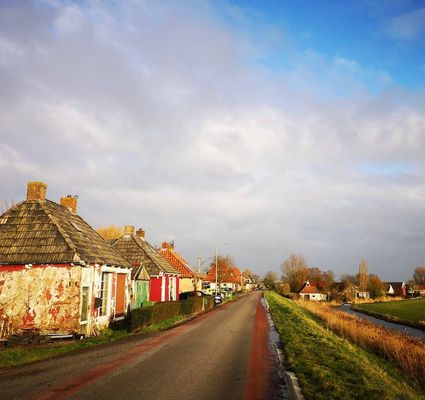
-
Farm Shop Wâldpleats
Farm Shop Wâldpleats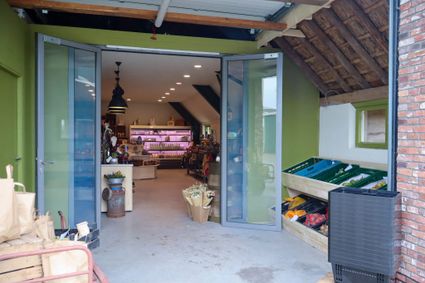
-
Shipwreck at Wierum (visible at low tide)
Shipwreck at Wierum (visible at low tide)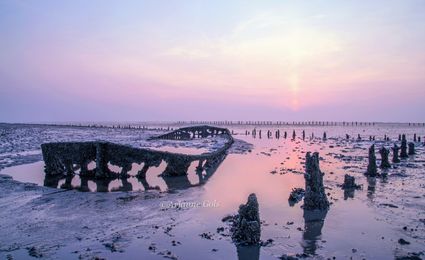
-
Bootverhuur Bonkevaart
Bootverhuur Bonkevaart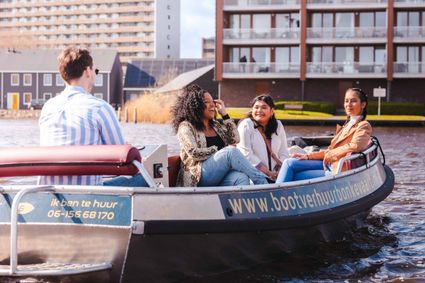
-
Regional Walkway Noardlike Fryske Wâlden
Regional Walkway Noardlike Fryske Wâlden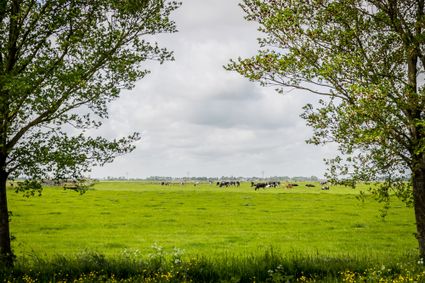
-
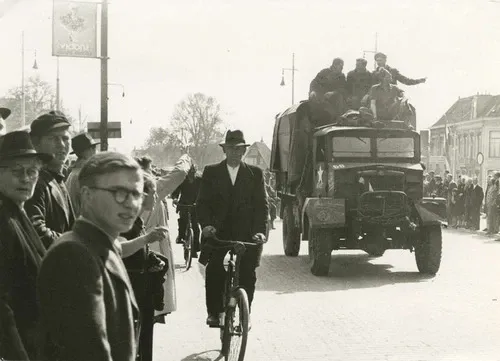
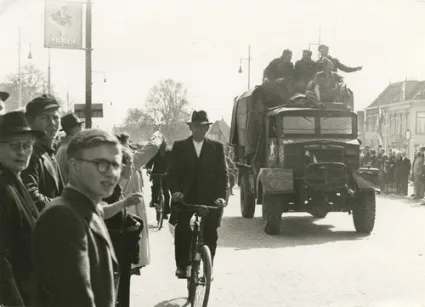
The liberation of Leeuwarden
The liberation of Leeuwarden
On 11 April 1945, it became clear that German resistance in the north of the Netherlands was limited. On 12 April, the Allies seized this opportunity to advance on Friesland as quickly as possible. One of the main goals was to liberate Leeuwarden. The 9th Canadian Infantry Brigade was designated for this purpose. But things would turn out differently.
On 12 April, the Royal Canadian Dragoons entered Friesland at Noordwolde. They were to conduct reconnaissance with their armoured vehicles and reach the Wadden Sea as quickly as possible. As a result, the German troops in Friesland and Groningen would be separated.
On the night of 14 to 15 April, three Squadrons of the Dragoons were at Suameer. Burgum could not be reached earlier that day, because the bridge at Burgummerdam had been blown up by the Germans.
Meanwhile, all sorts of things were happening in nearby Leeuwarden. On 12 April, the airfield had been blown up by the Germans. And they left the city on 14 April. Leeuwarden would not be defended. The Burgerweeshuis (Civil Orphanage) that had housed several German agencies was set on fire. An attempt to blow up the telephone exchange failed due to an ingenious intervention by the resistance. In the early morning of 15 April, the resistance also took to the streets en masse to occupy important points and to capture Germans who had remained behind.
The Dragoons in Suameer were in contact with the resistance in Leeuwarden. Due to various reports, it was unclear whether there was now heavy fighting in Leeuwarden or whether the Germans had left the city completely. Because the Germans had blown up important bridges on the route from Heerenveen to Leeuwarden, the infantry could not quickly provide assistance.
So, the Dragoons went to take a look for themselves. Initially, a patrol of four vehicles was sent via the Groningerstraatweg into the city around half past eleven. One of the Canadians in those vehicles recorded the following:
"As we entered the city, passing through the concrete barrier by the narrow passageway left for normal traffic, we were met by an almost hysterical patrol of Resistance men [...] In a few moments the news of our arrival had spread through the city, and we were given a fantastic welcome as we rolled slowly forward into the centre of town."A resident of Leeuwarden recalled:
"We lived close to the Groningerstraatweg, where our liberators passed. Many hundreds of us stood there, all happy spectators. All of a sudden, two ladies from the row flung themselves forward and threw their arms around the Canadians' necks, saying: "Oh darlings, you’re here at last!"After the patrol determined that the coast was clear, the entire C Squadron, a detachment of the Royal Canadian Engineers and Regimental Headquarters of Lieutenant-Colonel Landell followed. Leeuwarden had been liberated. After this, thousands took to the streets. One of the Canadians wrote:
"We halted, and were immediately surrounded by laughing, yelling mobs of people, bringing flowers to give to us, and cheering every move. The Resistance men were everywhere, doing their best to keep the people within bounds and off the cars, but their efforts were hardly necessary. I never saw a more satisfying gathering in my life."Leeuwarden had been liberated by the Dragoons through unexpected circumstances. On the night of 15 to 16 April, Canadian infantry moved into the city.
-
-
Cultural and Historical Centre De Schierstins
Cultural and Historical Centre De Schierstins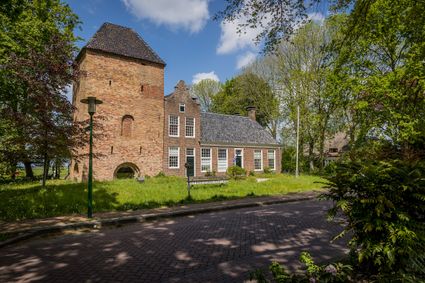
-
B&B Hippe Schuur
B&B Hippe Schuur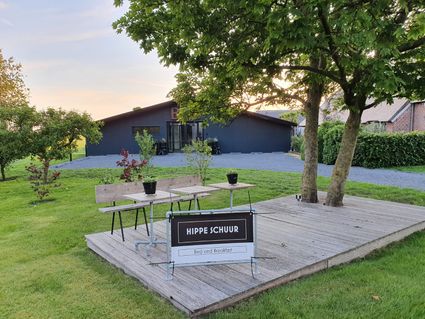
-
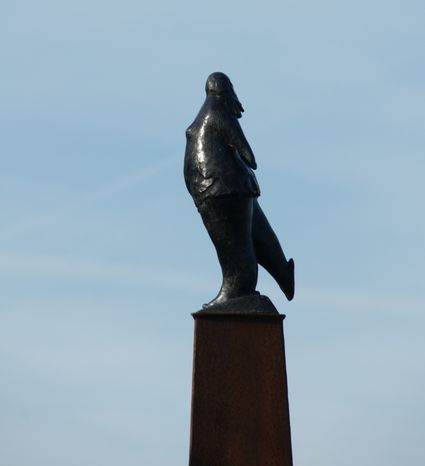
Eleven Cities Tour sculpture Aukje in Leeuwarden
Eleven Cities Tour sculpture Aukje in Leeuwarden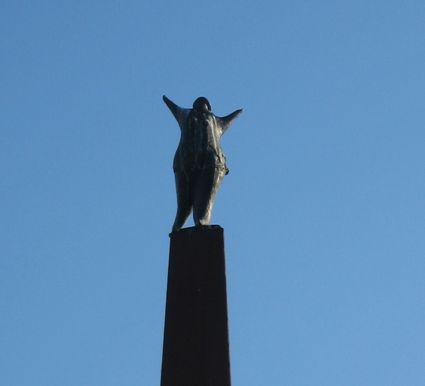
-
Camping de Veldboom
Camping de Veldboom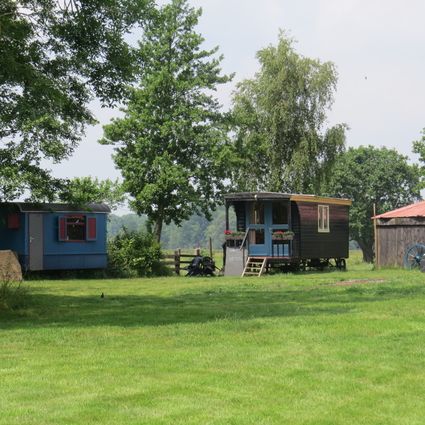
-
Terp fan de Takomst
Terp fan de Takomst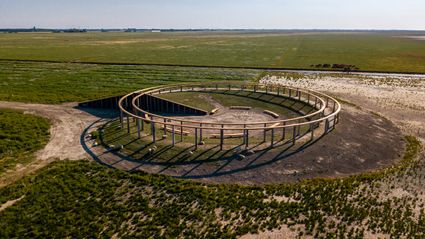
-
Eleven Cities Tour sculpture Aukje in Sneek
Eleven Cities Tour sculpture Aukje in Sneek