Location
33 to 64 of 387 results
-
Restaurant Ode
Restaurant Ode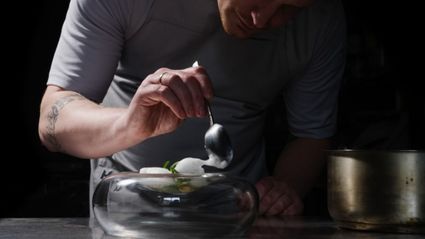
-
Bed and Breakfast Unia Zathe
Bed and Breakfast Unia Zathe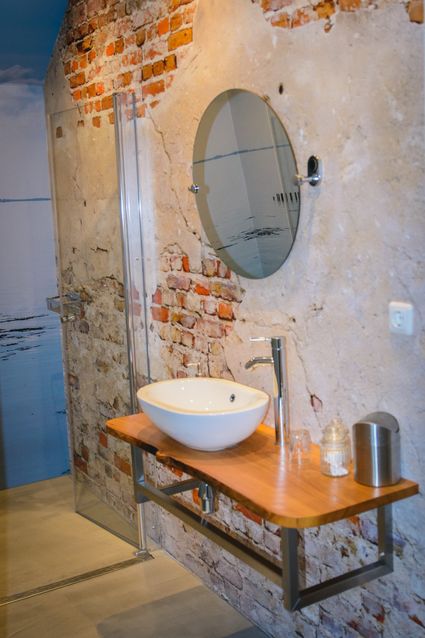
-
Elfstedentocht Turning Point - Dokkum
Elfstedentocht Turning Point - Dokkum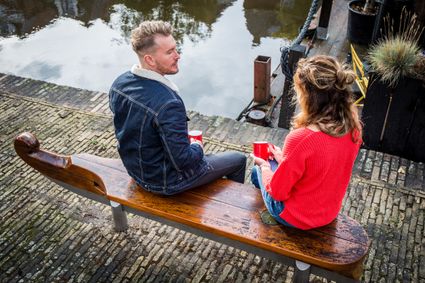
-
Eleven Cities Monument Tegeltjesbrug Gytsjerk
Eleven Cities Monument Tegeltjesbrug Gytsjerk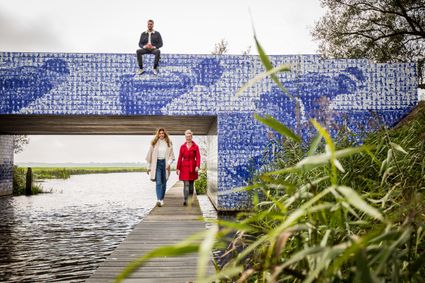
-
Farm next to the church
Farm next to the church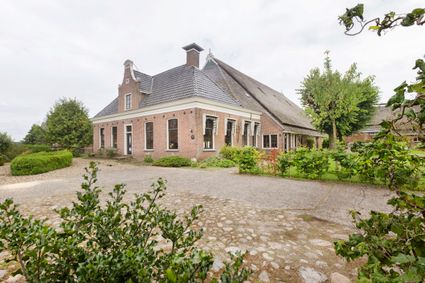
-
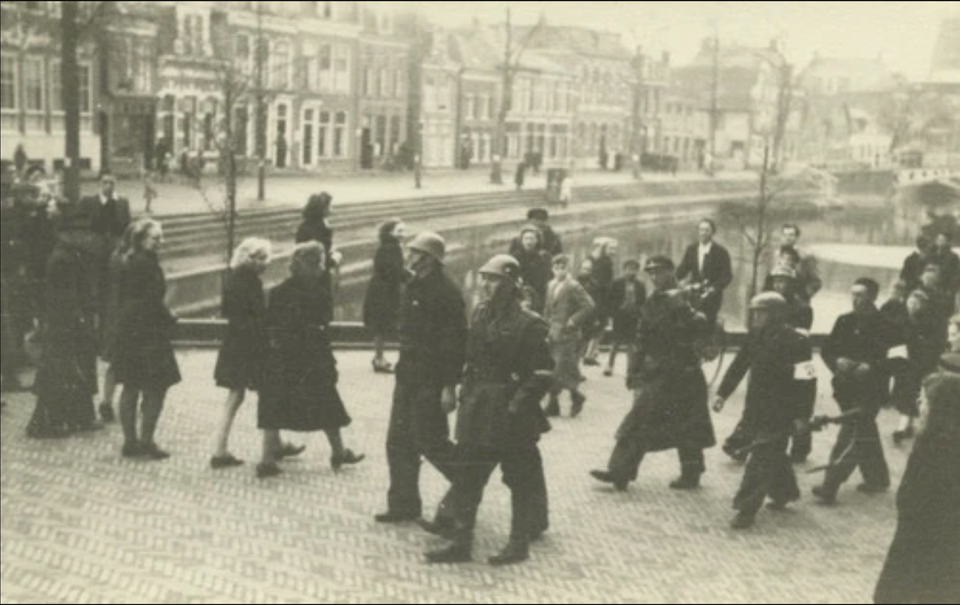
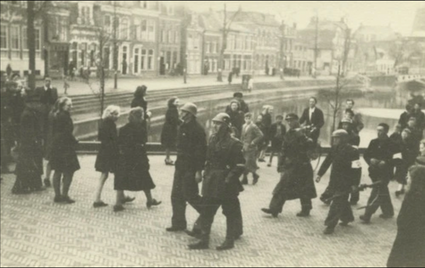
The liberation of Friesland 1
The liberation of Friesland 1
In early April, it became clear that the liberation of Friesland was imminent. Although the province had not suffered a real Hunger Winter like other parts of the Netherlands, there were severe shortages of just about everything. And the terror of the occupying forces was growing. This also led to increased resistance against the occupying forces. The battle between the two was tougher than ever in early 1945.
In Friesland, assault groups known as Knokploegen (KP) were responsible for most acts of resistance. But there were other groups too. On the orders of the Dutch government in London, all these groups were merged into the Dutch Domestic Armed Forces (NBS). In Friesland, this happened on 12 December 1944.
The NBS, popularly referred to as the BS, gave the armed resistance an organisation with a clear structure. The NBS was also supposed to play a role in the upcoming liberation. To this end, resistance groups were provided with weapons from autumn 1944. These were dropped from the air.
On 8 April, Radio Orange broadcast the message "The bottle is empty." This was the signal for the NBS to start carrying out sabotage operations 36 hours later. The aim was to make it as difficult as possible for the Germans to defend themselves against the approaching Allied forces.
The resistance did this by putting bridges and railways out of order, blocking waterways and blocking roads. The response of the occupying forces was ruthless. In retaliation, dozens more prisoners were shot at different times and places.Once the Canadians entered Friesland on 12 April, they were supported extremely effectively by the Frisian resistance. Because it was superbly organised, they were able to help the Canadians take control of important bridges, repair damaged bridges, and advise on the most favourable route.
By 18 April, the whole province was liberated except for the Wadden Islands (these were liberated in late May and in June). Compared to other provinces, there was little fighting in Friesland. Overall, the few thousand German troops who had been unable to flee Friesland were defeated by the Canadians relatively quickly.
The commander of the Royal Canadian Dragoons, Lieutenant Colonel Landell, praised the actions of the resistance by stating "Friesland liberated herself." While that may be a bit of an exaggeration, the actions of the Frisian resistance undoubtedly accelerated the liberation. And reduced the number of casualties on the Allied side.
In confrontations with German troops and their Dutch accomplices, at least 31 resistance fighters lost their lives. On the Allied side, at least eleven Canadians and one Frenchman were killed. The fighting and shelling also resulted in dozens of civilian casualties. The number of casualties on the German side is not known, but probably ran into the hundreds. With 320 houses destroyed and 4,000 damaged and 80 bridges destroyed, Friesland was materially the least damaged province in the Netherlands.
-
-
Ternaard village
Ternaard village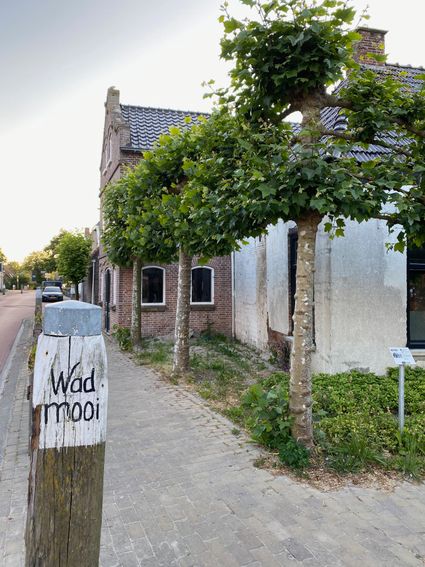
-
www.huyske.com
www.huyske.com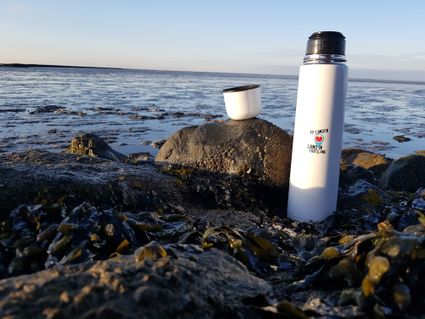
-
TOP Harkema
TOP Harkema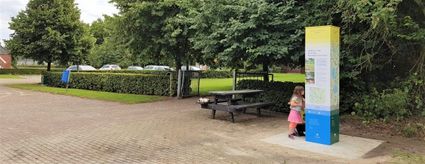
-
Schwarzenbergerbos Forest
Schwarzenbergerbos Forest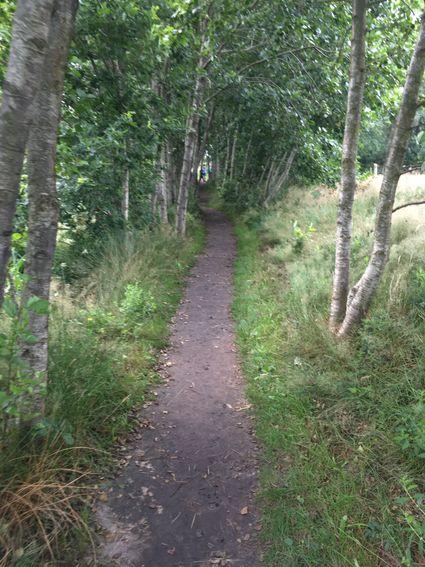
-
Harkema (De Harkema)
Harkema (De Harkema)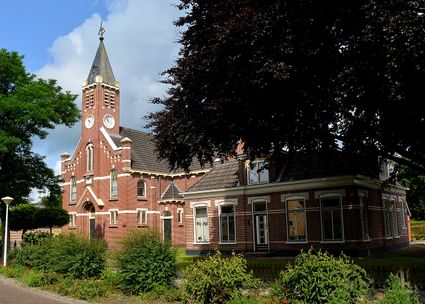
-
Restaurant It Posthûs
Restaurant It Posthûs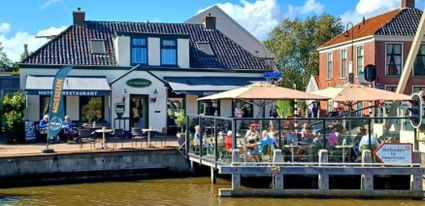
-
Oosterdiepswal and Westerdiepswal
Oosterdiepswal and Westerdiepswal
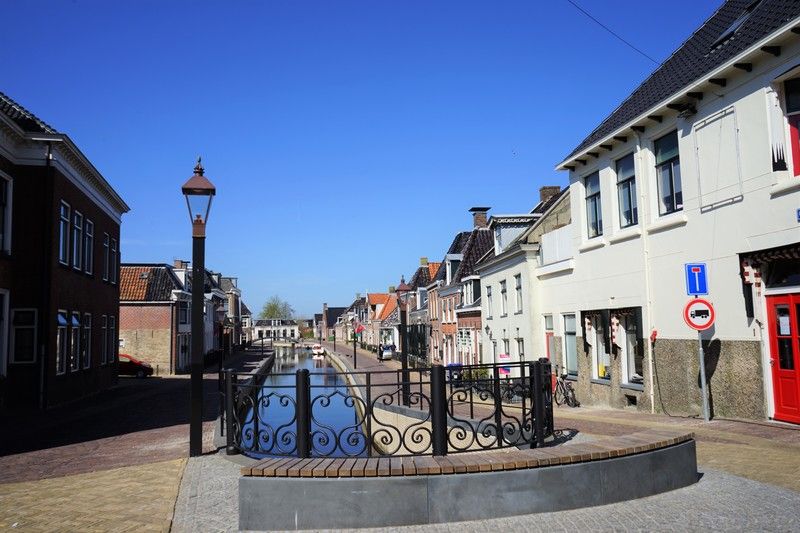
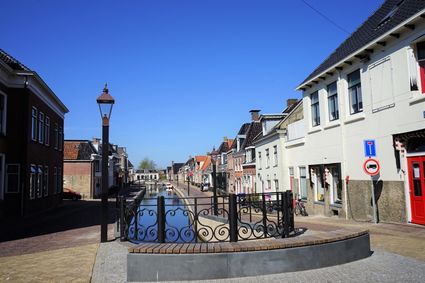
On both sides of the Sylster Ryd, in the oldest part of Kollum's historic centre, lie the Oosterdiepswal and Westerdiepswal.
These embankments, locally known simply as the Wallen, are already mentioned in the earliest historical records of Kollum. The Sylster Ryd connected here with the major waterways to the north and south of the village.
During the 16th and 17th centuries, Kollum was a thriving centre of trade and commerce. Its town centre played an important logistical role in regional trading activities. Development along the Wallen began after this waterway was excavated in the early 16th century. Businesses that depended on water transport for the delivery of raw materials and the shipment of goods established themselves here. Historical records mention pottery workshops, a brewery, a tannery and a shipyard. Several windmills also stood along the Wallen, although mills could be found elsewhere in the village as well. Today, the Wallen form part of Kollum's protected historic townscape.
-
-
BinnenInn 12-Person House
BinnenInn 12-Person House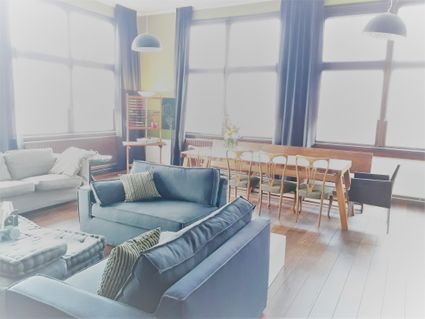
-
Burdaard (Birdaard)
Burdaard (Birdaard)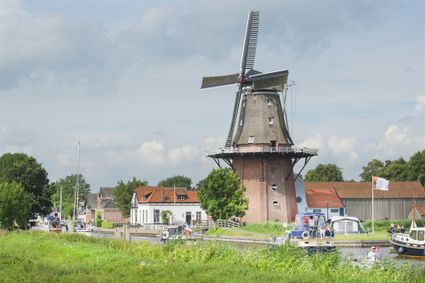
-
it Dreamlân ecolodge
it Dreamlân ecolodge

Direct boekbaar
-
Eleven Cities Tour monument in Vrouwenparochie
Eleven Cities Tour monument in Vrouwenparochie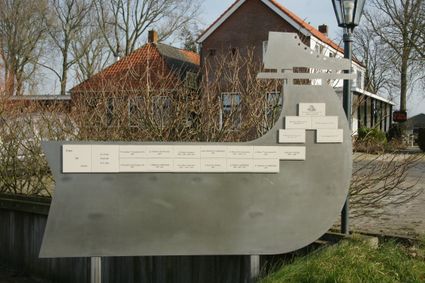
-
Dokkumer Nieuwe Zijlen Lock and Sea Defence
Dokkumer Nieuwe Zijlen Lock and Sea Defence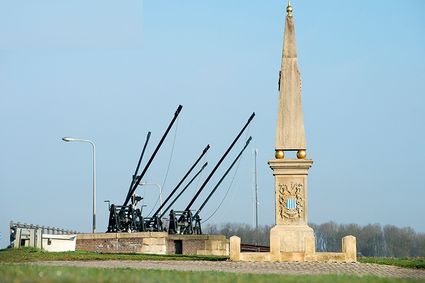
-
IJlst (Drylts)
IJlst (Drylts)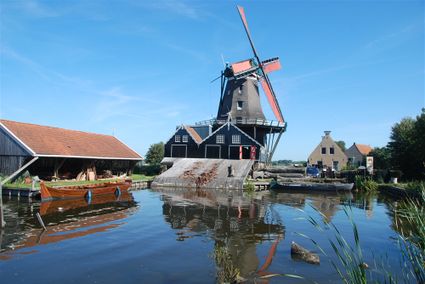
-
Hotel Café 't Dûke Lûk
Hotel Café 't Dûke Lûk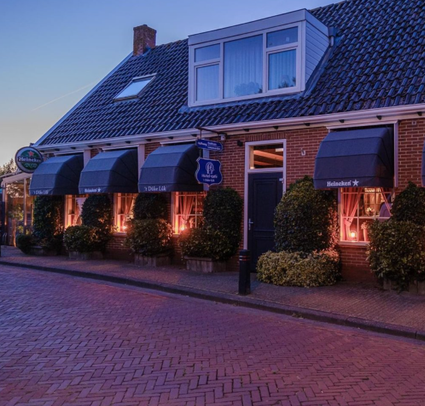
-
Twijzelermieden Nature Reserve
Twijzelermieden Nature Reserve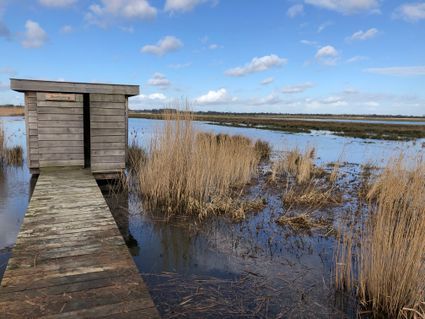
-
Seventy evacuees from Arnhem and Limburg
Seventy evacuees from Arnhem and Limburg
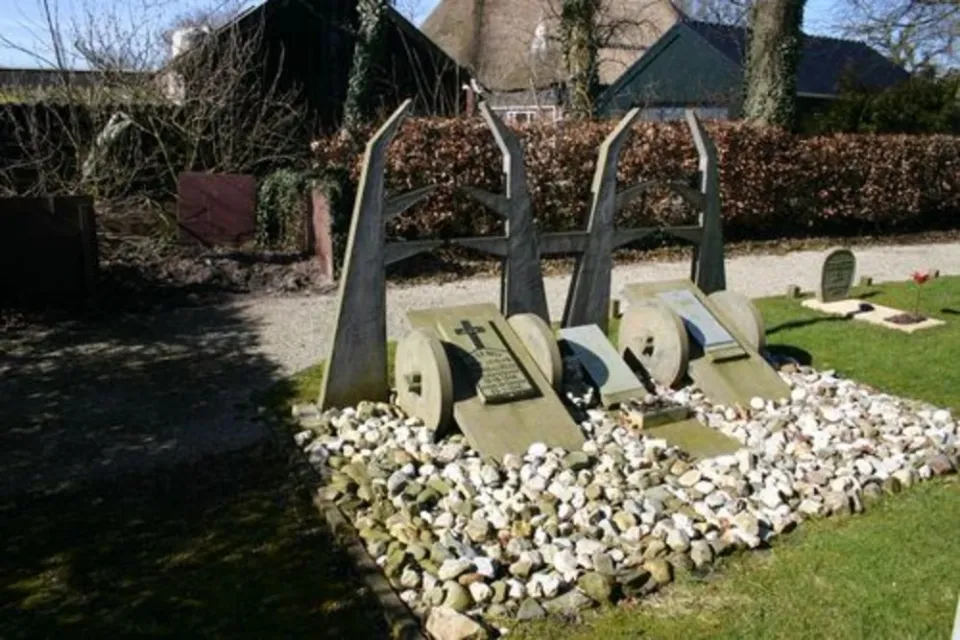
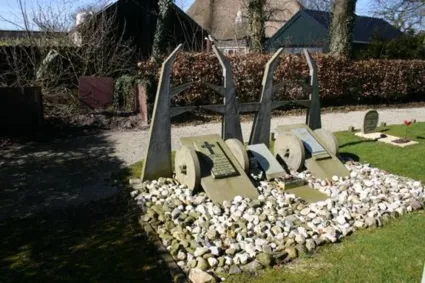
The grave monument in Gytsjerkwas erected in memory of Maria v/d Heuij. Maria was one of seventy evacuees from Arnhem and Limburg who arrived in Gytsjerk on 22 January 1945. Maria died a day later, just a few months old. The harsh conditions during the trip had proved fatal to her. Maria did not live to see the liberation. Fortunately, many of the other evacuees with whom she undertook the journey did.
Symbolism
The monument's spiritual father, artist Klaas Bokma, chose two carts because this was the means of transport often used by evacuees. The four withered trees symbolise death. The cross is not only a symbol of the Christian faith, but also a reminder of the sacrifice made by war victims for a life of freedom.
The oldest pupils of Ichtus and Thrimwalda primary schools take care of this monument.
-
-
Rinsma State Country House and Estate
Rinsma State Country House and Estate
-
Dijkstra wadlooptochten
Dijkstra wadlooptochten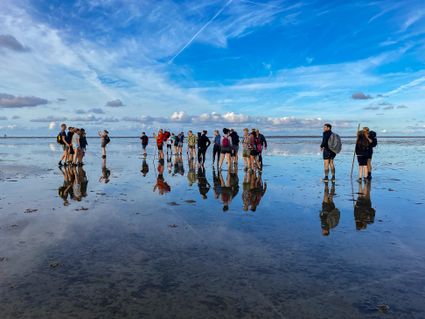
-
Surhuisterveen (Surhústerfean)
Surhuisterveen (Surhústerfean)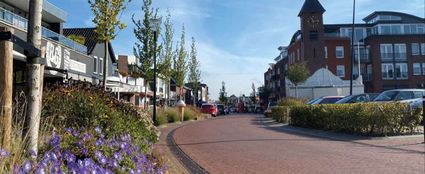
-
St Vitus church Wetsens
St Vitus church Wetsens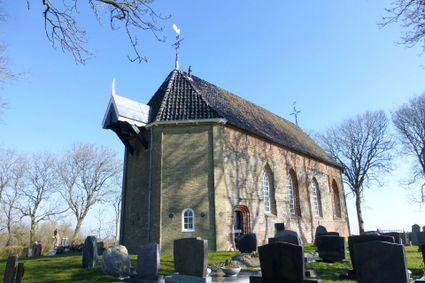
-
EAstay apartment 1
EAstay apartment 1
-
Boerderijwinkel Bezigh (Farm Shop)
Boerderijwinkel Bezigh (Farm Shop)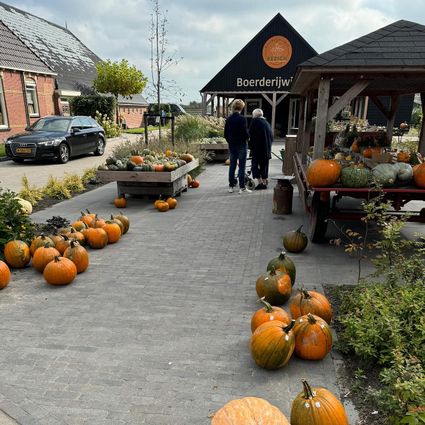
-
St. Mary's Church in Oentsjerk
St. Mary's Church in Oentsjerk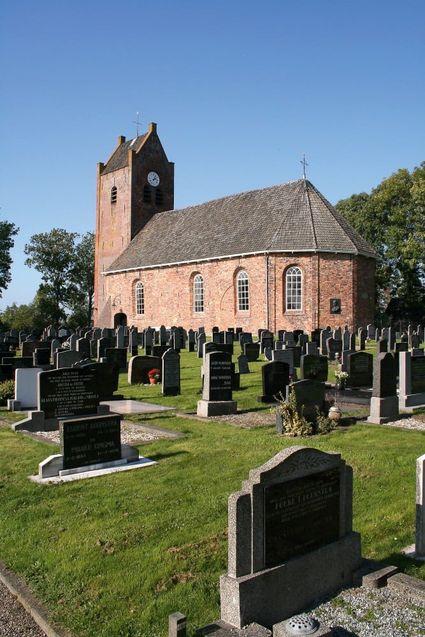
-
The Tea Factory
The Tea Factory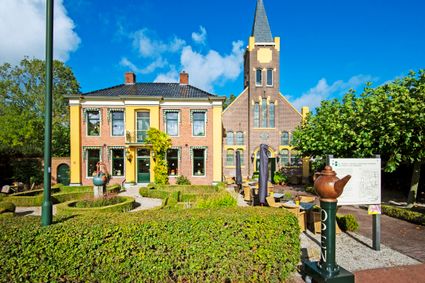
-
Swimming pool It Paradyske
Swimming pool It Paradyske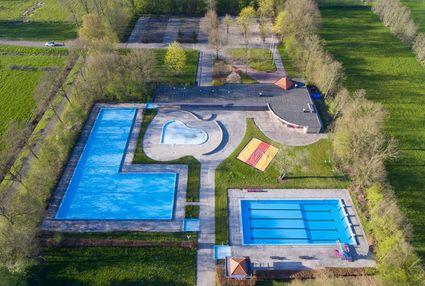
-
Holiday Park Bergumermeer
Holiday Park Bergumermeer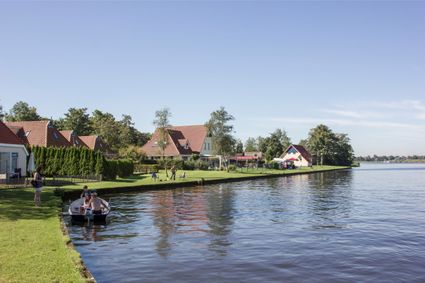
Direct boekbaar