Location
129 to 160 of 367 results
-
Seventy evacuees from Arnhem and Limburg
Seventy evacuees from Arnhem and Limburg
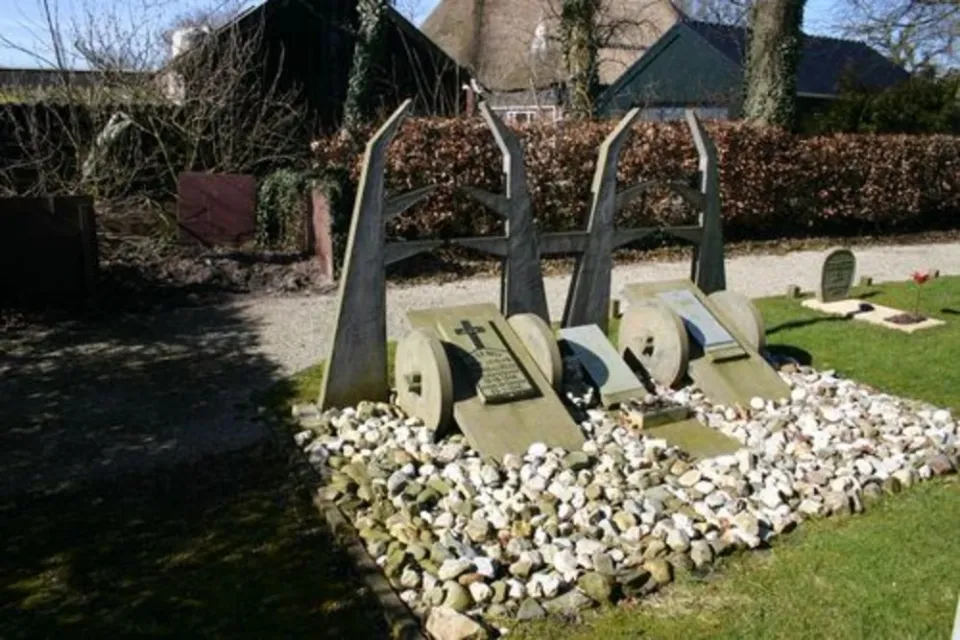
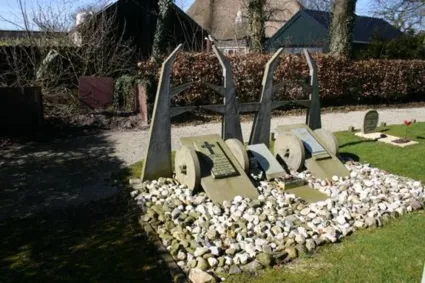
The grave monument in Gytsjerkwas erected in memory of Maria v/d Heuij. Maria was one of seventy evacuees from Arnhem and Limburg who arrived in Gytsjerk on 22 January 1945. Maria died a day later, just a few months old. The harsh conditions during the trip had proved fatal to her. Maria did not live to see the liberation. Fortunately, many of the other evacuees with whom she undertook the journey did.
Symbolism
The monument's spiritual father, artist Klaas Bokma, chose two carts because this was the means of transport often used by evacuees. The four withered trees symbolise death. The cross is not only a symbol of the Christian faith, but also a reminder of the sacrifice made by war victims for a life of freedom.
The oldest pupils of Ichtus and Thrimwalda primary schools take care of this monument.
-
-
Zeilschip Middelsee
Zeilschip Middelsee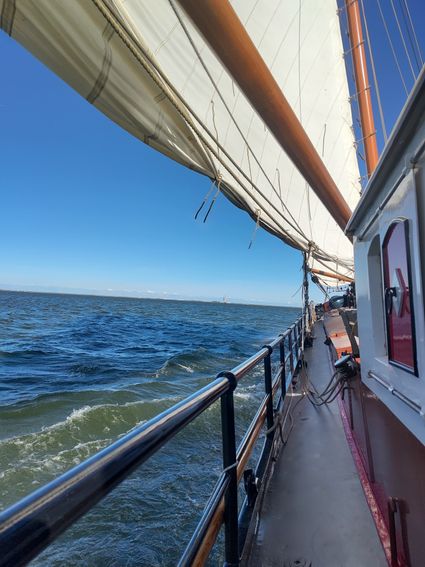
-
Skrins - Bird watching cabin
Skrins - Bird watching cabin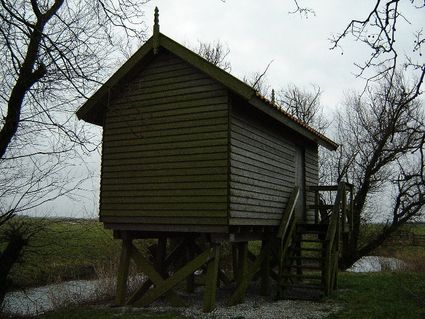
-
Boerderijwinkel Bezigh (Farm Shop)
Boerderijwinkel Bezigh (Farm Shop)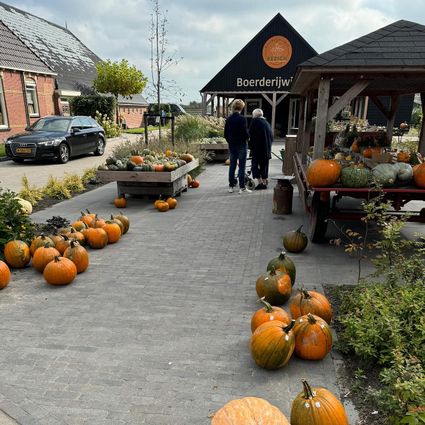
-
Campsite Tjaerda State
Campsite Tjaerda State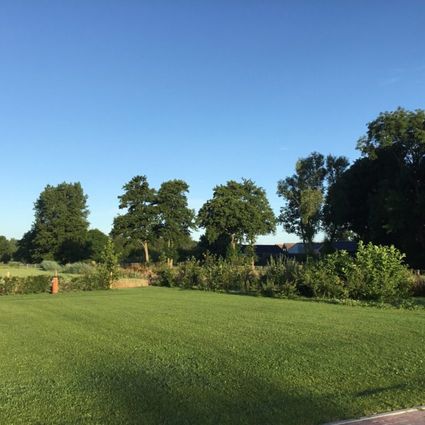
-
Galeslot
Galeslot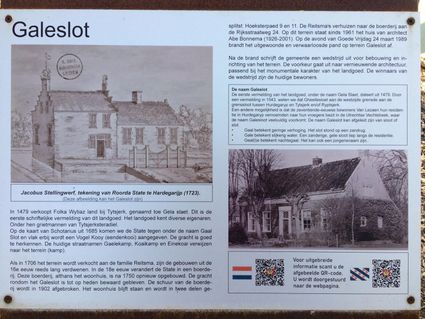
-
IJlst (Drylts)
IJlst (Drylts)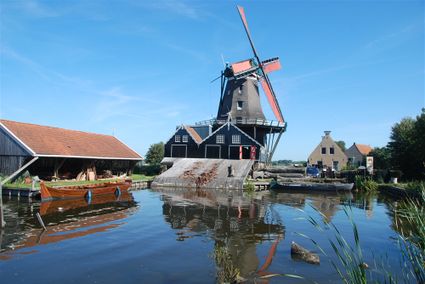
-
Thús yn Hantum
Thús yn Hantum
-
Viewpoint De Zoutkegel
Viewpoint De Zoutkegel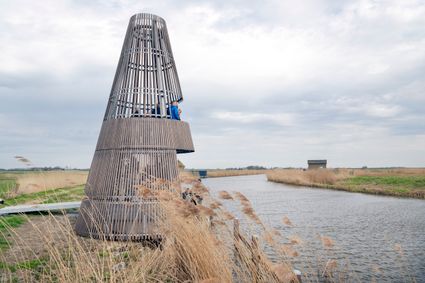
-
Reformed Church Gerkesklooster
Reformed Church Gerkesklooster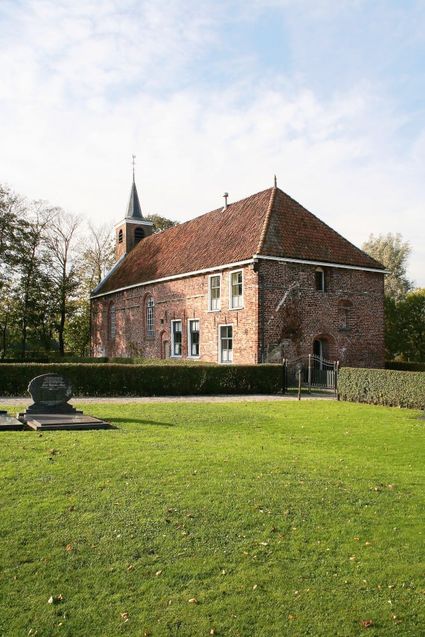
-
St. Godehardus' Church Marrum
St. Godehardus' Church Marrum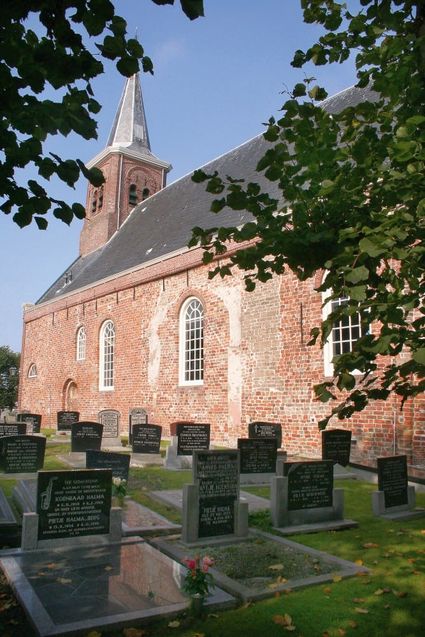
-
Us Eigen Honk
Us Eigen Honk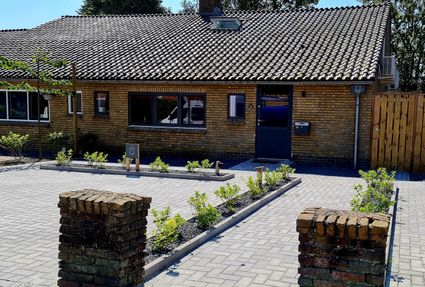
-
Church of Ryptsjerk
Church of Ryptsjerk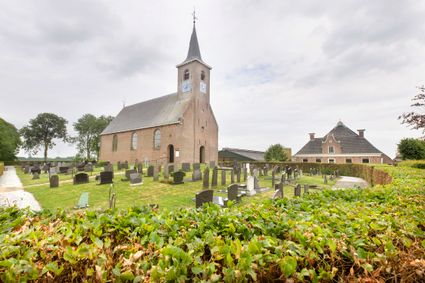
-
Grutte Tsjerke Ternaard
Grutte Tsjerke Ternaard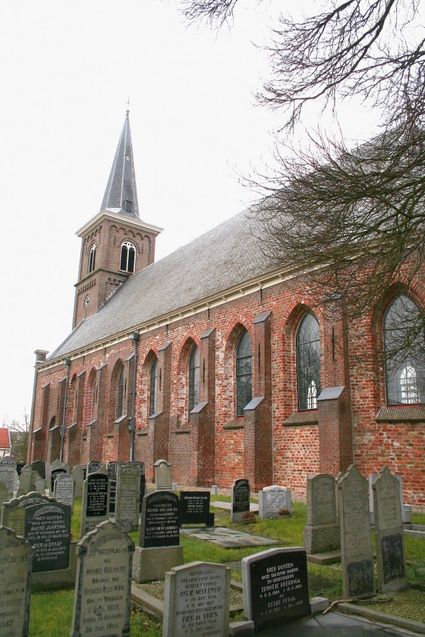
-
Statue skaters 'Marathonriders'
Statue skaters 'Marathonriders'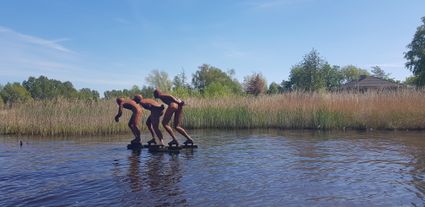
-
Wadloopcentrum Fryslân
Wadloopcentrum Fryslân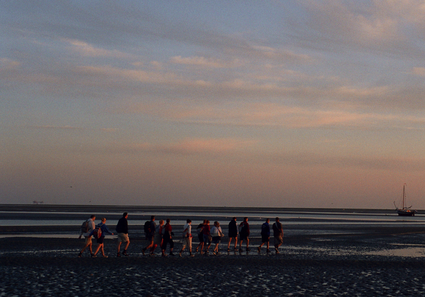

-
Village Garden Snakkerburen
Village Garden Snakkerburen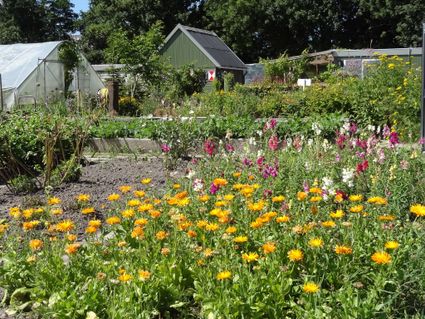
-
Holwerd
Holwerd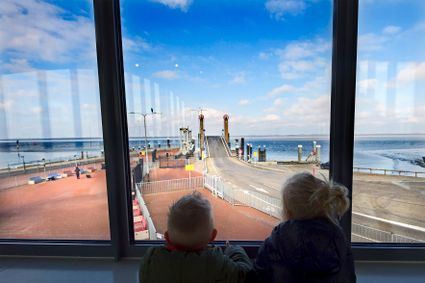
-
Former Courthouse
Former Courthouse
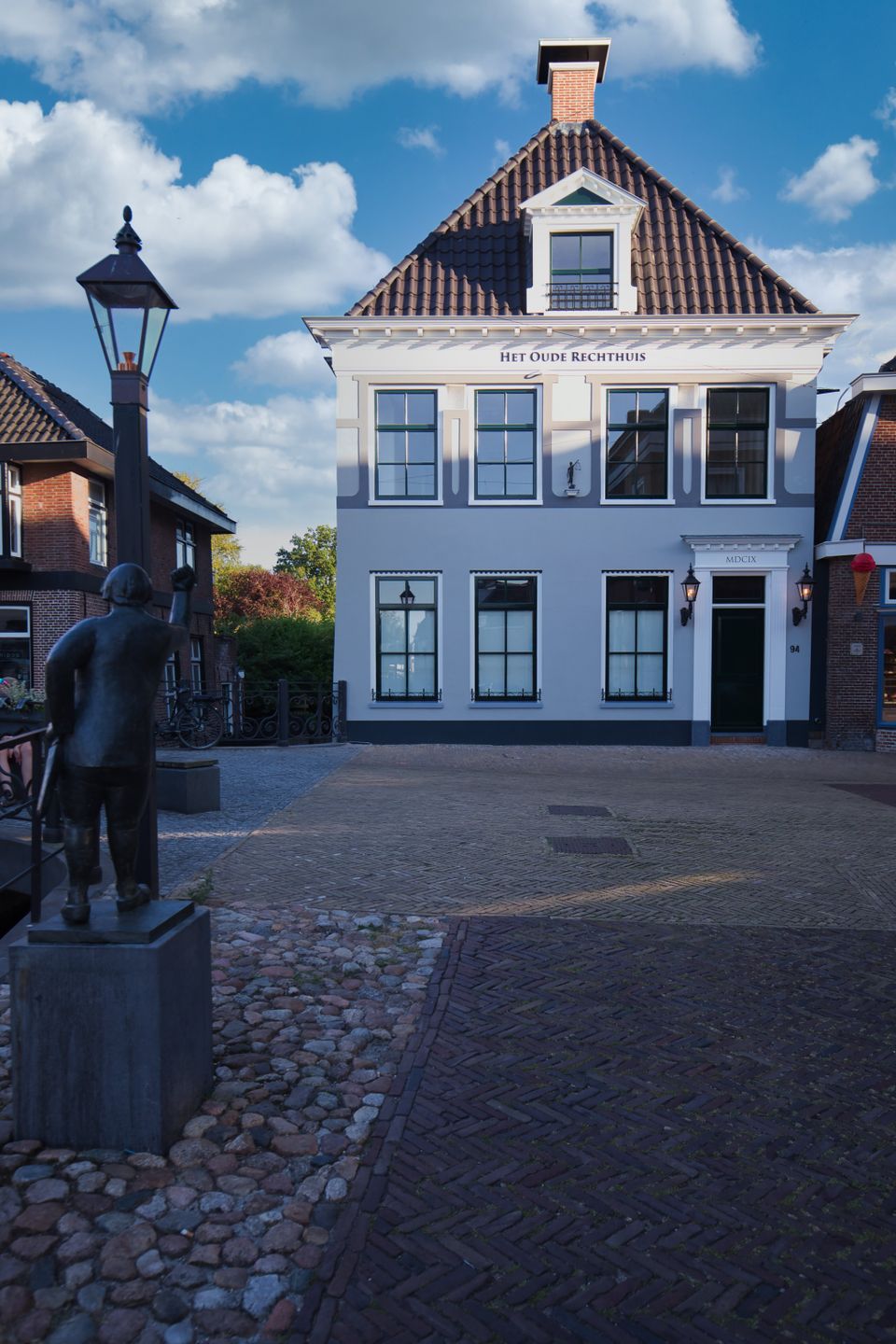
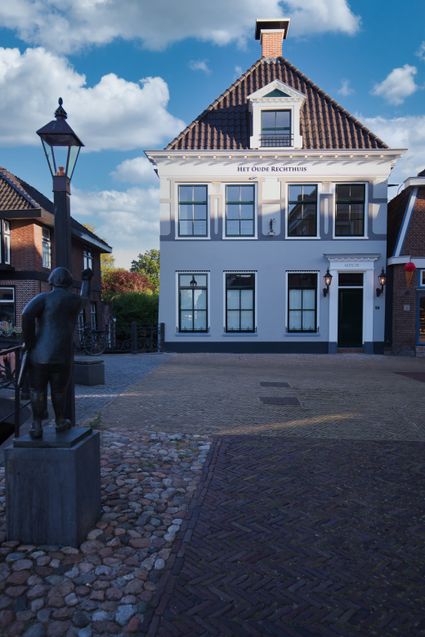
This building, now used as a shop, recalls the time when justice was administered in Kollum. It was purchased by the municipality in 1609 and has served a variety of purposes ever since. The Old Courthouse (Oude Rechthuis) played an important role during the Kollum Uprising of 1797.
The building was bought by the municipality of Kollumerland in 1609 and converted into a courthouse. It can be recognised by the statue of Lady Justice, which still watches over the street from the façade. The Rechthuis is the oldest stone building in Kollum.
Kollum was given its own courthouse because the distance between Groningen and Leeuwarden was too great to travel in a single day. The ground floor was used as an inn and even included stables for horses and cattle. To this day, the space has continued to serve a variety of purposes.
The Rechthuis played a significant role during the Kollum Uprising of 1797. In February of that year, the arrest of the Orangist supporter Abele Reitzes sparked an uprising in which a crowd stormed the courthouse in an attempt to free him. The revolt resulted in extensive damage and was harshly suppressed, with 168 people being arrested. You can learn more about these events at the statue of Jan Binnes further along this route. The prison cell in the building's basement has been preserved. From the bridge, you can still clearly see the small barred window of the former jail cell.
-
-
Steenbakkerij Oostrum
Steenbakkerij Oostrum
-
Voedselbos de Iest
Voedselbos de Iest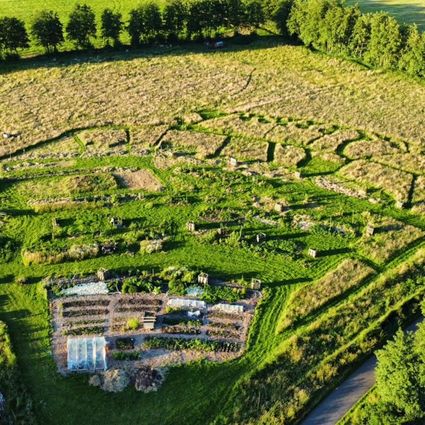
-
De Houtwiel Nature Reserve
De Houtwiel Nature Reserve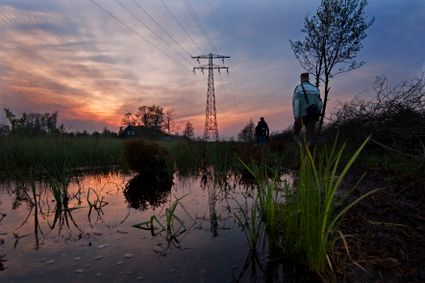
-
Swimming Pool De Sawn Doarpen
Swimming Pool De Sawn Doarpen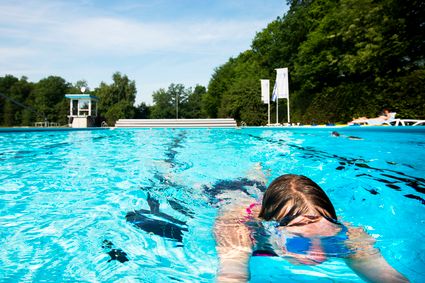
-
Waddenzee-Expedities
Waddenzee-Expedities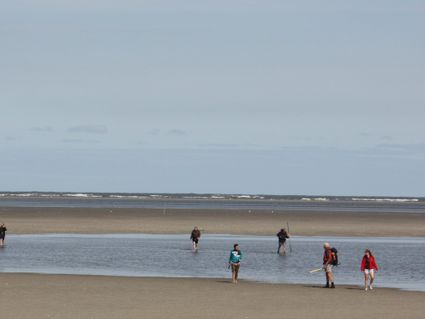
-
The Former Weigh House
The Former Weigh House
A look at old photographs reveals that the building looks even more attractive today than its predecessor. The people of Kollum have taken good care of this historic landmark. The weigh house was a public building where goods could be officially weighed. Its presence was particularly important for trade in butter and cheese.
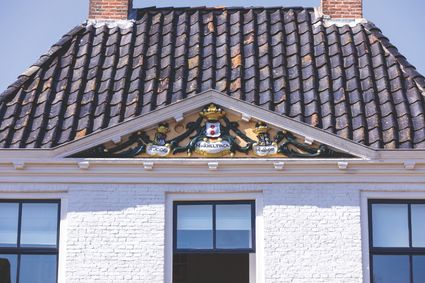
A public weigh house in Kollum is first mentioned in the 16th century. That original building stood next to the Rechthuis (courthouse). In 1779, a new weigh house was built here on the Westerdiepswal, at the heart of the bustling waterfront. The wide entrance to the former weighing hall, where two weighing scales were once installed, can still be clearly recognised in the façade.
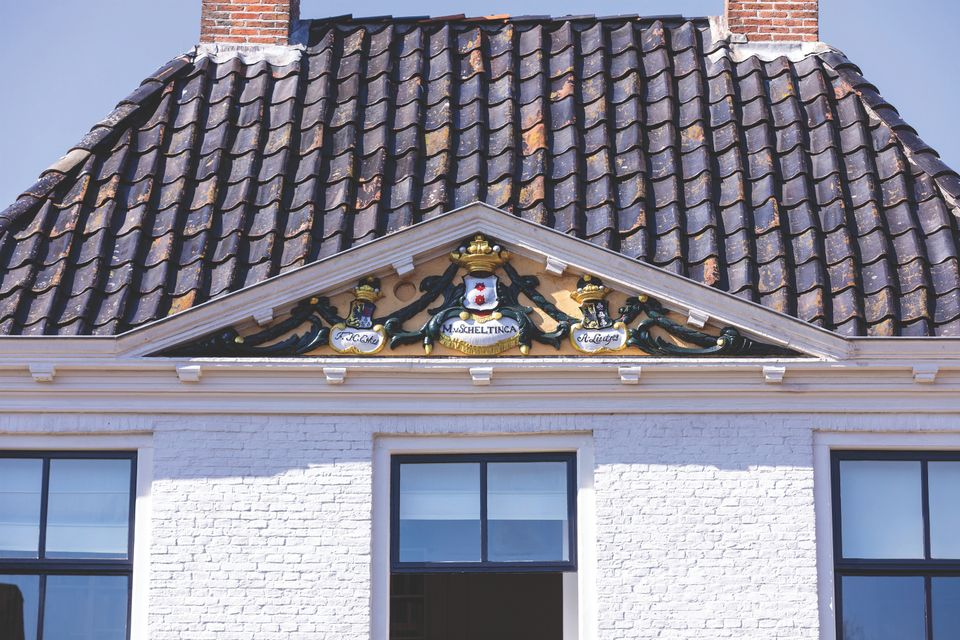
The pediment above the façade bears the coats of arms and names, added in 1779, of grietman (district magistrate) Martinus van Scheltinga, his deputy Focke Hijlckes Eskes, and Albert Luitjens, who served together with Eskes as church warden. The building was owned by the Dutch Reformed Church, which leased out the weigh house. In 1871 it was sold to a private owner, after which an official weighmaster appointed by the municipality supervised its operation. With the rise of the dairy industry in Friesland, the weigh house gradually lost its function. In 1895, the building was converted into a private residence.
-
-
Beleef Lauwersoog
Beleef Lauwersoog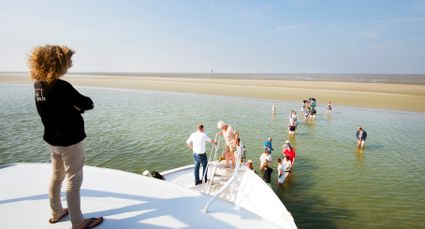
-
Wellness op e' Klaai
Wellness op e' Klaai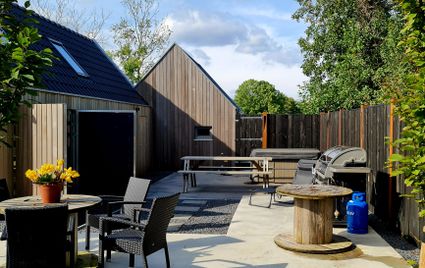
-
Hotel Café 't Dûke Lûk
Hotel Café 't Dûke Lûk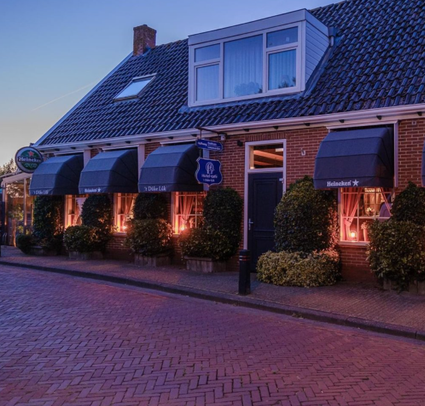
-
Earnewâld
Earnewâld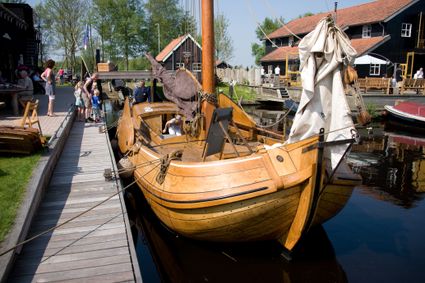
-
De Zomerschuur (The Summer Barn)
De Zomerschuur (The Summer Barn)
-
Church of Hiaure
Church of Hiaure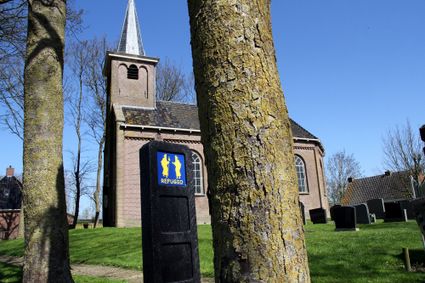
-
Accommodatie Claercamp
Accommodatie Claercamp