Location
129 to 160 of 392 results
-
Kafee It wapen fân Fryslân
Kafee It wapen fân Fryslân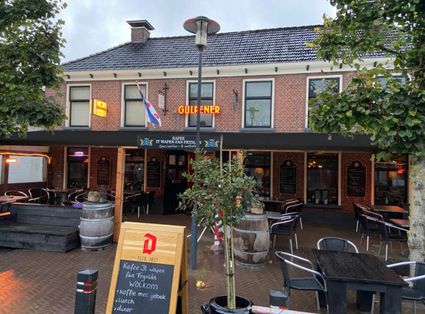
-
Terp fan de Takomst
Terp fan de Takomst
-
Grou
Grou
-
TOP Kollum
TOP Kollum
-
Teetún De Hollen
Teetún De Hollen
-
Alexander Church Rinsumageast
Alexander Church Rinsumageast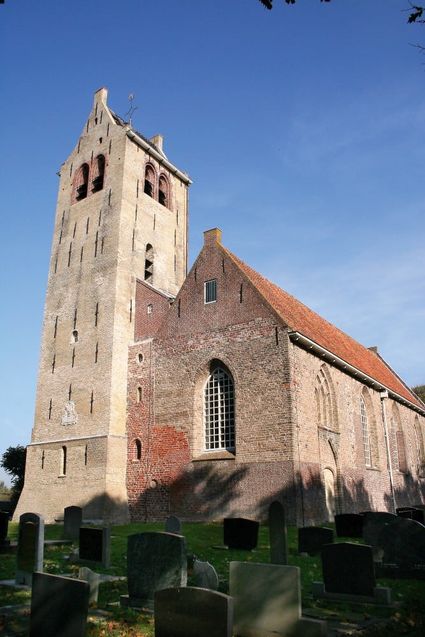
-
Tourist Information Earnewâld
Tourist Information Earnewâld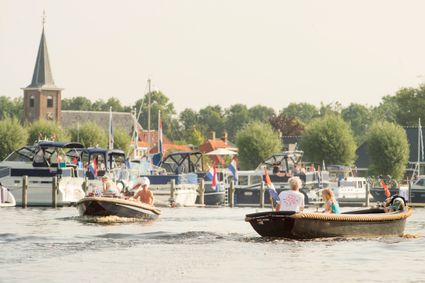
-
Former Mountain Monastery Burgum
Former Mountain Monastery Burgum
-
Wad'n Hûs
Wad'n Hûs
-
Eleven Cities Tour monument in Vrouwenparochie
Eleven Cities Tour monument in Vrouwenparochie
-
Kollumerwaard Hiking Trail
Kollumerwaard Hiking Trail
-
The Fisherman’s Wife Monument in Moddergat
The Fisherman’s Wife Monument in Moddergat
-
Makkum War Memorial
Makkum War Memorial
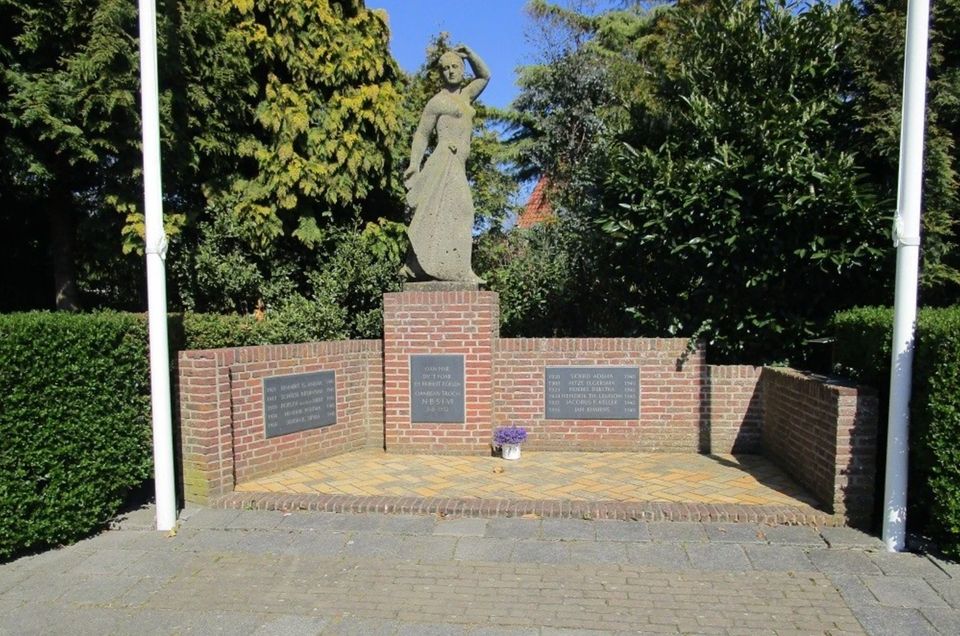
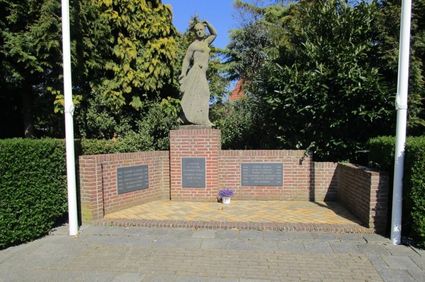
By 16 April, the major part of Friesland had been liberated. But some important targets of the Canadians had not yet been achieved. They wanted to win the Frisian ports and the Head of the Afsluitdijk from the Germans as quickly as possible. But they would be hard fought. Both the ports and the Afsluitdijk were used by German soldiers to escape to North Holland.
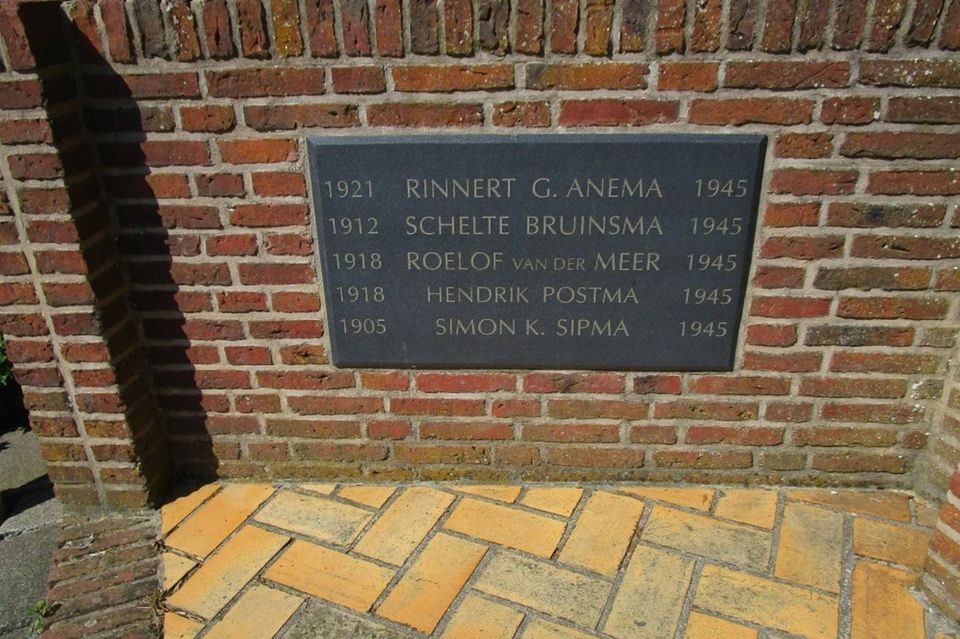
As elsewhere in Friesland, the Canadians were helped by resistance fighters from the Dutch Domestic Armed Forces (N.B.S.) They suffered several casualties near Makkum. On 16 April, Schelte Bruinsma and Simon Sipma were killed in an attack on a farm in which the Germans had entrenched themselves. The next day, another group tried to occupy a bridge under Makkum. However, the Germans caught sight of them and in the ensuing gunfight, Rinnert Anema, Roelof van der Meer and Hendrik Postma were killed. Makkum was liberated on 18 April, as one of the last villages in Friesland.
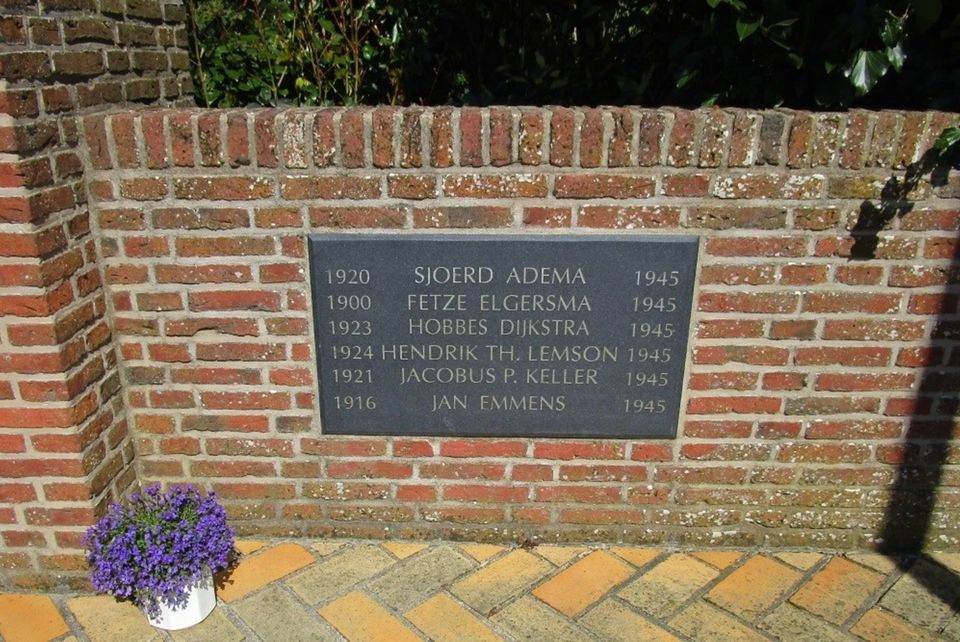
The monument at the Buren in Makkum was unveiled in 1952 in commemoration of the members of the Dutch Domestic Armed Forces who were killed around the village during the struggle for liberation.
-
-
Restaurant It Posthûs
Restaurant It Posthûs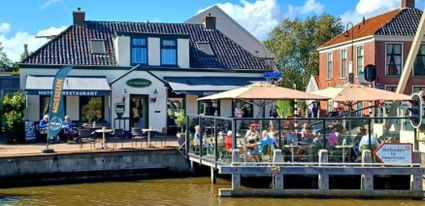
-
Dobben Hurdegarypsterwarren Nature Reserve
Dobben Hurdegarypsterwarren Nature Reserve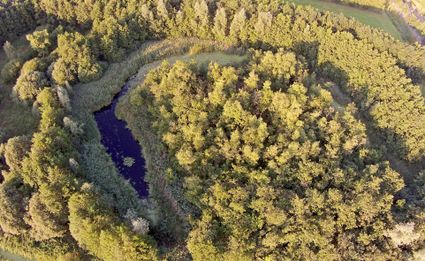
-
Suvelfabryk
Suvelfabryk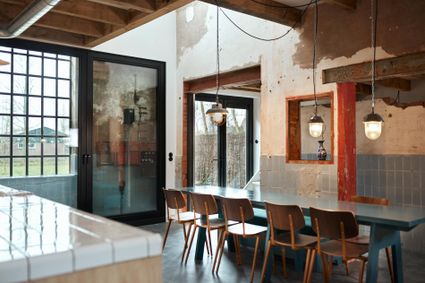
-
Eeltsjemar Lake Beach
Eeltsjemar Lake Beach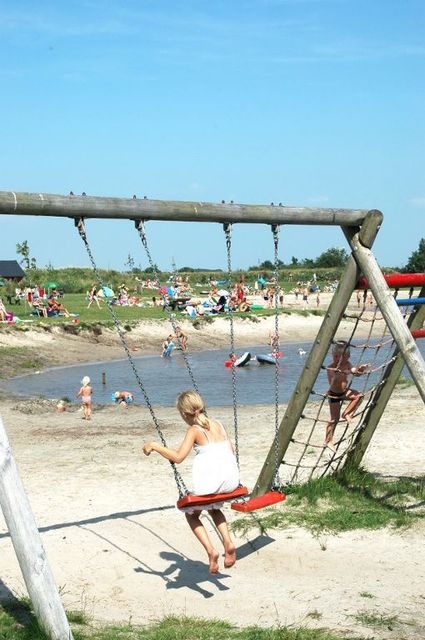
-
B&B Het Woudhuisje
B&B Het Woudhuisje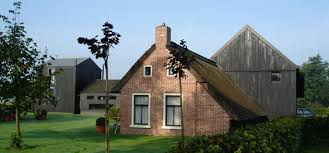
-
Skiedingsboskje Forest and Pingos next to the A7
Skiedingsboskje Forest and Pingos next to the A7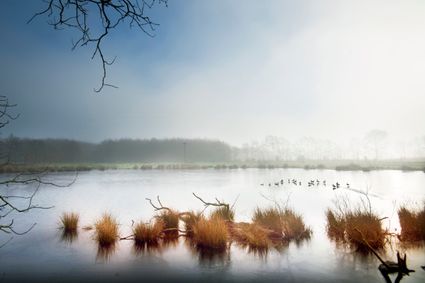
-
St. Cecilia's Church Oosternijkerk
St. Cecilia's Church Oosternijkerk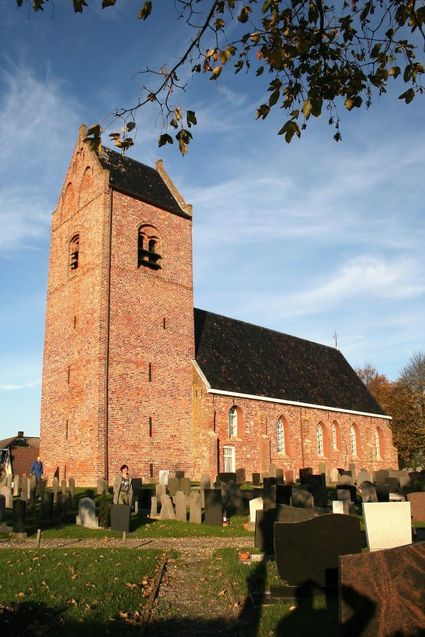
-
St. Godehardus' Church Marrum
St. Godehardus' Church Marrum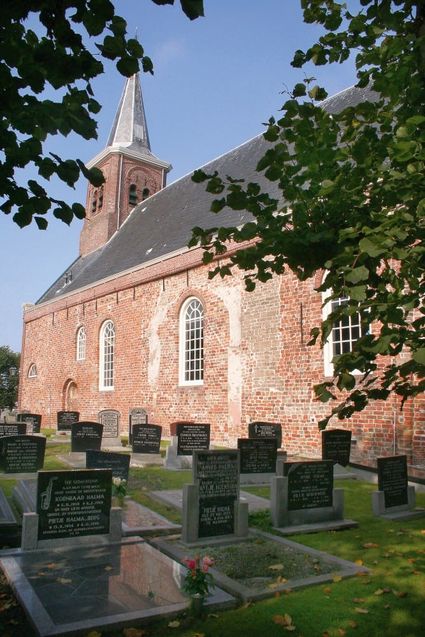
-
Holwerd
Holwerd
-
Veenkloosterbos Forest on Fogelsangh State Country Estate
Veenkloosterbos Forest on Fogelsangh State Country Estate
-
Timpelsteed
Timpelsteed
-
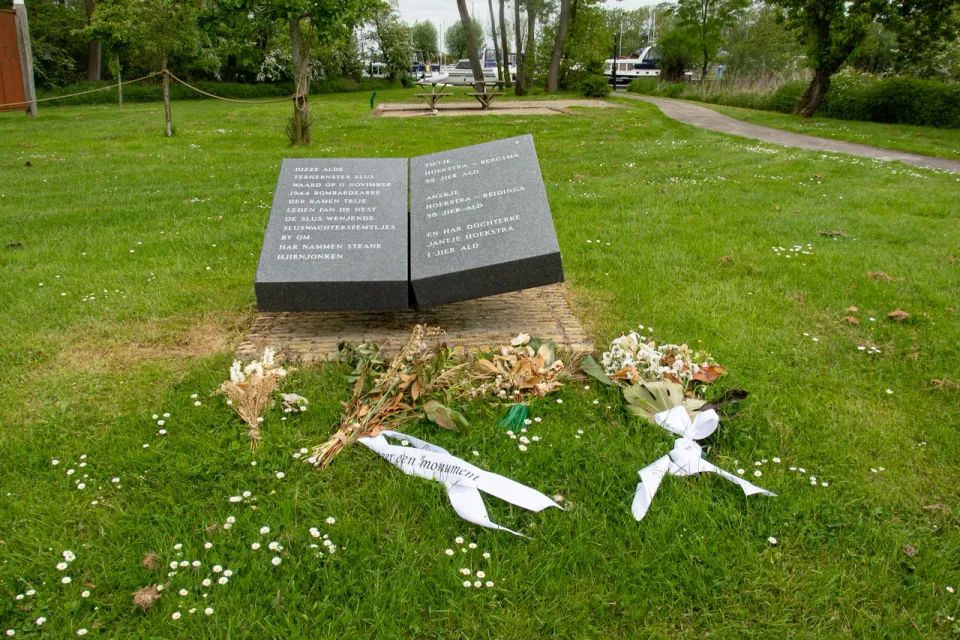
The bombing of Terherne lock
The bombing of Terherne lock
On 11 November 1944, pilots of the Royal Canadian Air Force, based at Welschap airfield near Eindhoven, were ordered to bomb the lock at Terherne in two groups. The reason for the bombardment of Terherne lock was to restrict (German) transport movements. The lock complex was situated on the main shipping route from Germany via Groningen to the Randstad, along which the Germans transported goods and military equipment.
After the railway strike in September had already disrupted rail transport considerably, actions against shipping traffic followed in the months thereafter. The southern part of the country may have been liberated, but fierce battles were still to be fought in the other parts.
Such was the case on that 11th November just after nine o'clock in the morning when the two groups of Hawker Typhoon fighter-bombers took off shortly after each other from Eindhoven for their mission. Around 10:00, the lock at Terherne was bombed from the north for the first time and then again around 10:30.
The consequences were huge for the people living on the lock. The wives of both lock keepers, a one-year-old baby and a German soldier were killed. Also, pilot John Gordon Fraser's aircraft was damaged to such extent that he had to make an emergency landing at St. Johannesga. Although the bombing resulted in the northern passageway being deactivated and no longer usable, the southern passageway remained open and could still be used.
Today, a boathouse for the State yacht of the province of Friesland has been built over the southern passage. A new building, that serves as a guest house for the province, was put up on the site of the lock keeper's house on the south side.
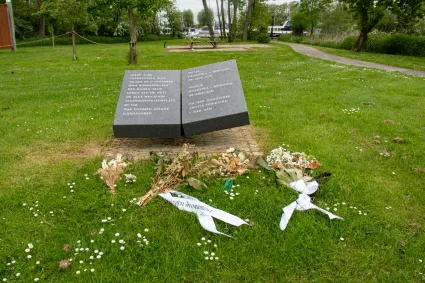
A monument has been erected on the northern pier in memory of those who perished at the lock. This monument was unveiled on 10 November 1985 by Hattum Hoekstra, son of 1st lock keeper Wiemer and Tietje Hoekstra. Since then, the commemoration of the dead in Terherne has always taken place at the old lock, and the children of primary school 'It Kampke' have adopted the monument.
-
-
Children's Farm Doniastate
Children's Farm Doniastate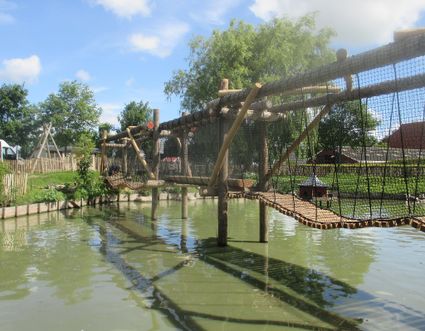
-
Burgum
Burgum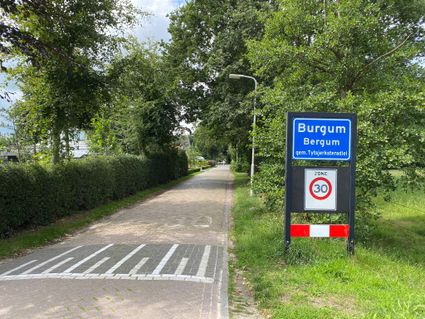
-
Holiday Park Bergumermeer
Holiday Park Bergumermeer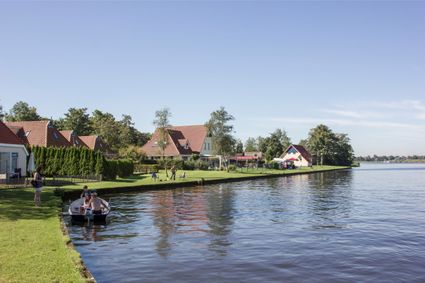
Direct boekbaar
-
Italian restaurant Porto Casa
Italian restaurant Porto Casa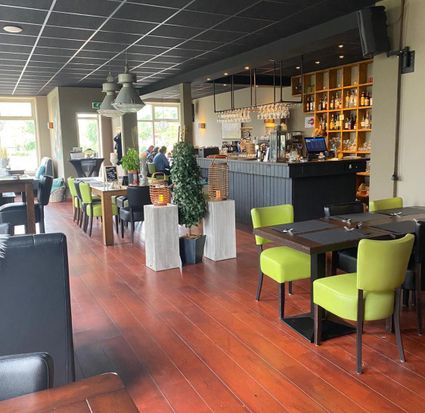
-
Restaurant De Pleats
Restaurant De Pleats
-
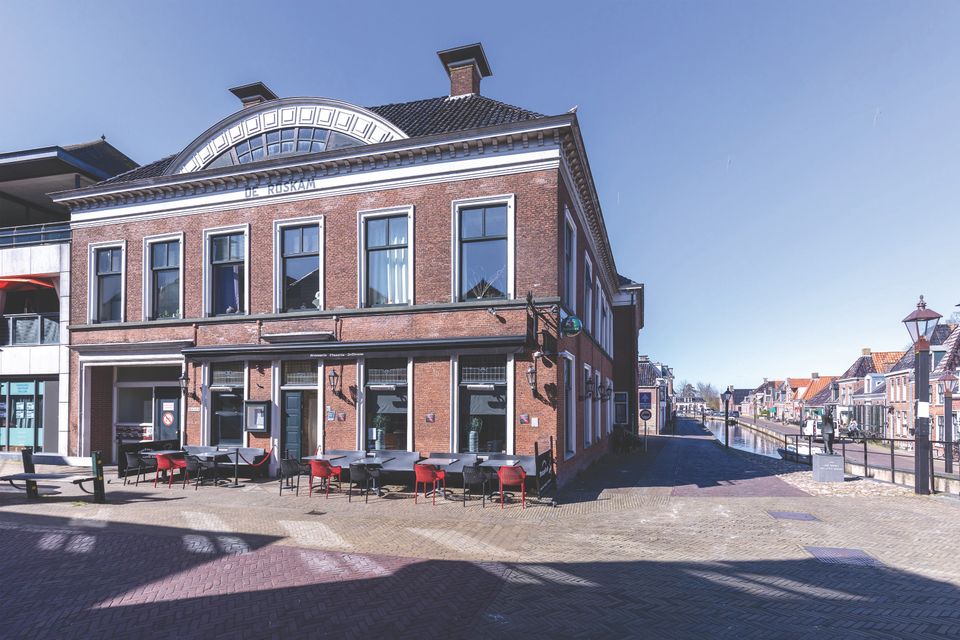
De Roskam
De Roskam
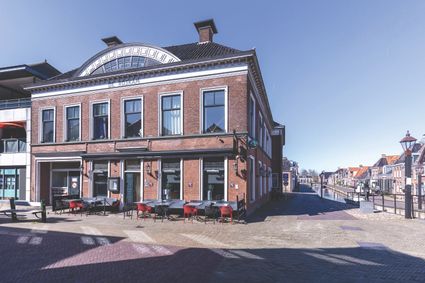
There was a time when Kollum boasted no fewer than sixteen establishments, ranging from pubs and cafés to inns and lodging houses. De Roskam has always been one of them.
Those who remember Kollum in the last century may still picture the signboard of landlord Bonne Hof: a stout little man in swimming trunks with bright red cheeks. According to local tradition, Bonne Hof gathered the sweet flag plants used in his own homemade Kalmus Berenburg from the nearby Alde Swimmer. During the 1950s, Kollum Berenburg was a popular local drink. Another story concerns his father, Sietse Jan, whose croquettes were said to be so delicious that people travelled all the way from Groningen and Leeuwarden to taste them.
Many more colourful stories surround De Roskam. During a German raid in the Second World War, the notary Wassenberg is said to have hidden in the attic, only to crash through the ceiling while still sitting on his chair. Another tale dates from 1952, when the chauffeur of the King's Commissioner, Linthorst Homan, misplaced his cap after spending the night at De Roskam. At first, it was considered a major scandal, and the cap was thought to have been stolen. The commissioner left Kollum in great anger. In the end, however, the cap was simply found and carefully returned by courier by the people of Kollum.
-
-
Rondvaartbedrijf Lauwersmeer (Boat Tours)
Rondvaartbedrijf Lauwersmeer (Boat Tours)