Location
225 to 256 of 387 results
-
Wadlopen Friese Wad - mudflat hiking
Wadlopen Friese Wad - mudflat hiking
-
Lanterfanter
Lanterfanter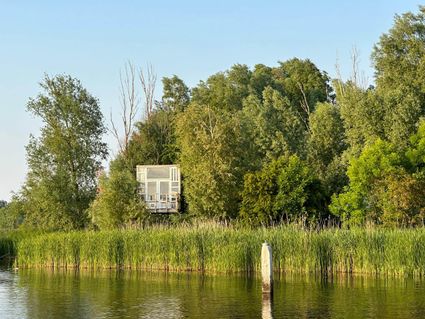
-
Sanjes Safari
Sanjes Safari
Tip
-
Craft cotton printing factory, Kleine Lijn
Craft cotton printing factory, Kleine Lijn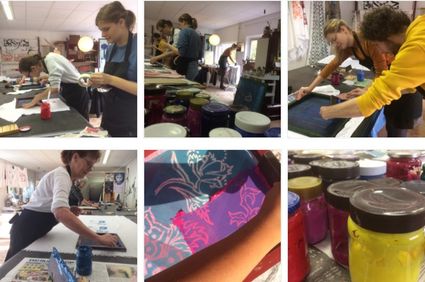

-
Fierljeppolder
Fierljeppolder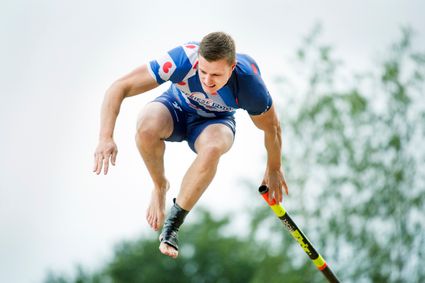
-
Bonkevaart - Elfstedentocht Finish Line
Bonkevaart - Elfstedentocht Finish Line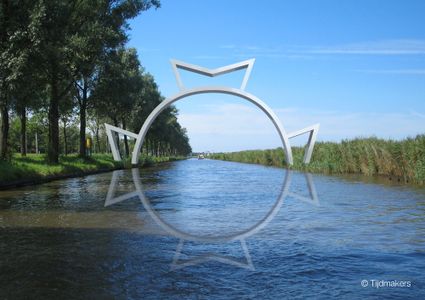
-
The Waterpoort and the Eleven Cities Tour
The Waterpoort and the Eleven Cities Tour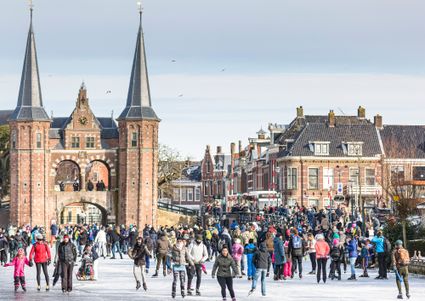
-
St Vitus church Wetsens
St Vitus church Wetsens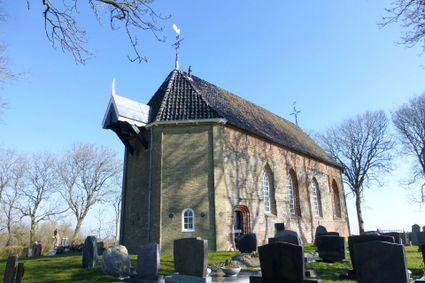
-
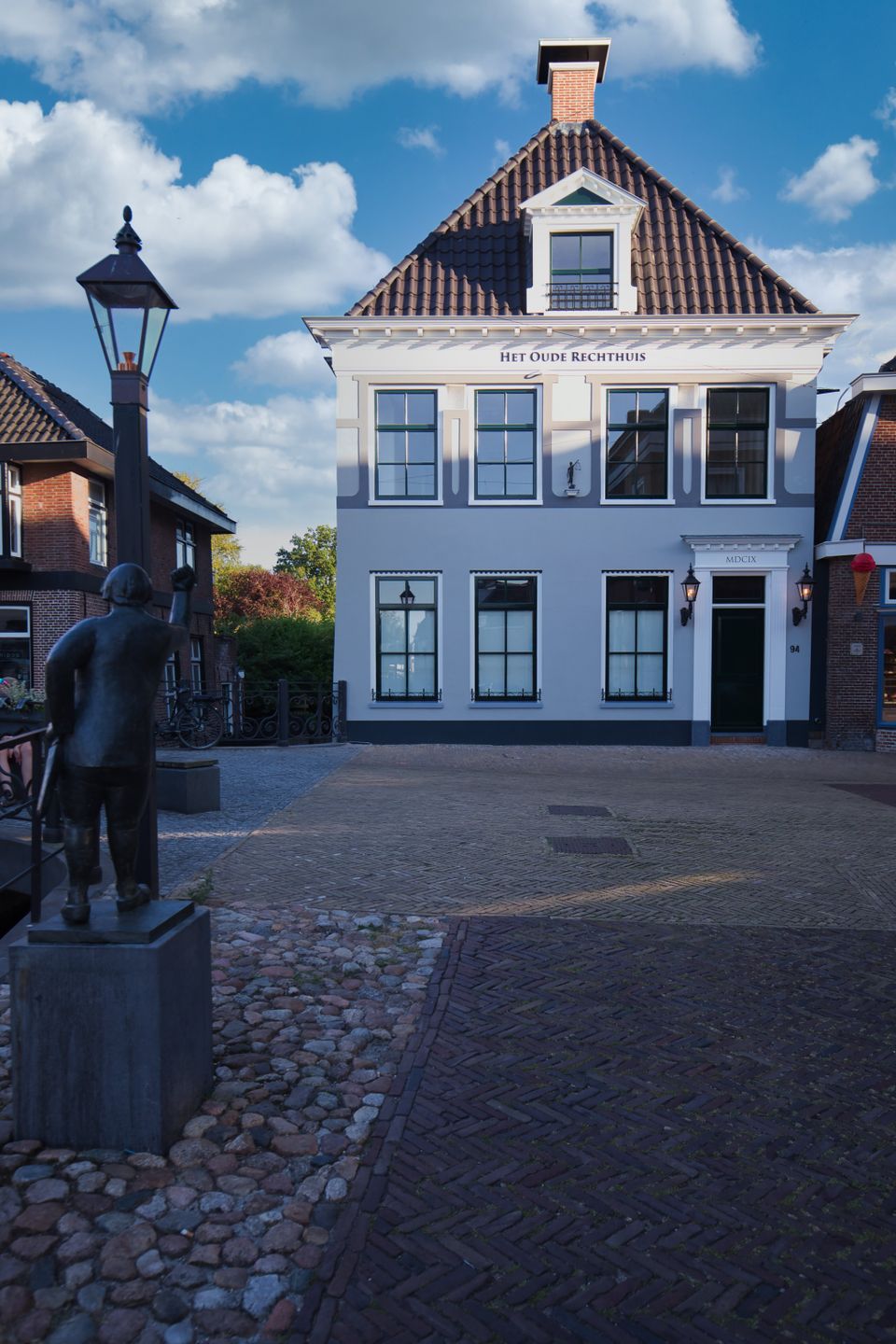
Former Courthouse
Former Courthouse
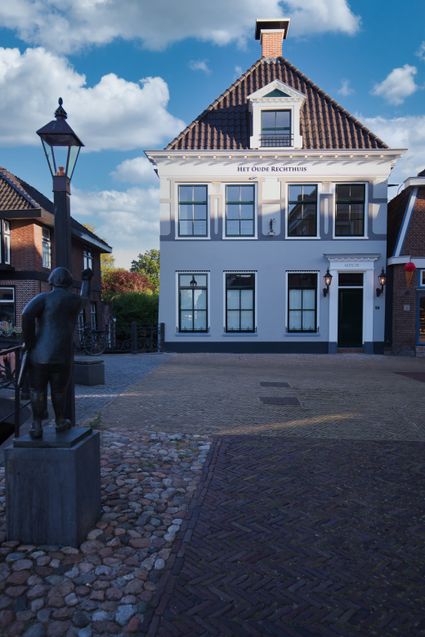
This building, now used as a shop, recalls the time when justice was administered in Kollum. It was purchased by the municipality in 1609 and has served a variety of purposes ever since. The Old Courthouse (Oude Rechthuis) played an important role during the Kollum Uprising of 1797.
The building was bought by the municipality of Kollumerland in 1609 and converted into a courthouse. It can be recognised by the statue of Lady Justice, which still watches over the street from the façade. The Rechthuis is the oldest stone building in Kollum.
Kollum was given its own courthouse because the distance between Groningen and Leeuwarden was too great to travel in a single day. The ground floor was used as an inn and even included stables for horses and cattle. To this day, the space has continued to serve a variety of purposes.
The Rechthuis played a significant role during the Kollum Uprising of 1797. In February of that year, the arrest of the Orangist supporter Abele Reitzes sparked an uprising in which a crowd stormed the courthouse in an attempt to free him. The revolt resulted in extensive damage and was harshly suppressed, with 168 people being arrested. You can learn more about these events at the statue of Jan Binnes further along this route. The prison cell in the building's basement has been preserved. From the bridge, you can still clearly see the small barred window of the former jail cell.
-
-
Rondvaartbedrijf Lauwersmeer (Boat Tours)
Rondvaartbedrijf Lauwersmeer (Boat Tours)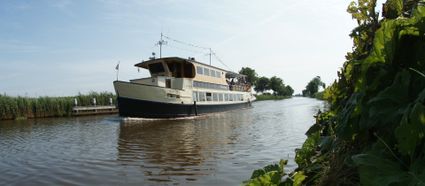
-
Zwagermieden Nature Reserve
Zwagermieden Nature Reserve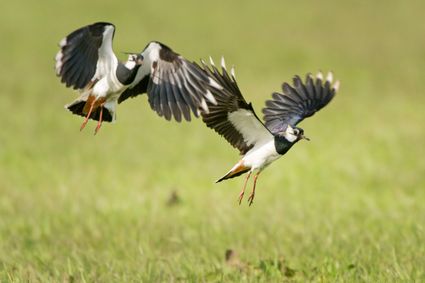
-
Pancake train
Pancake train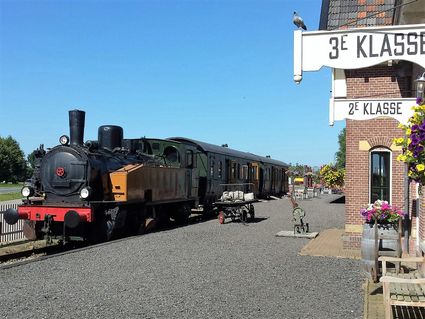
-
The Former Weigh House
The Former Weigh House
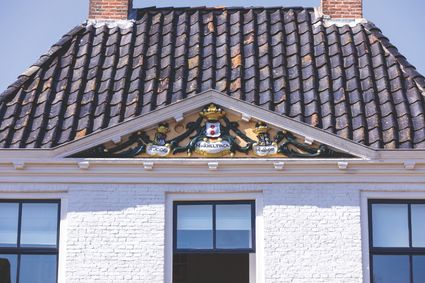
A look at old photographs reveals that the building looks even more attractive today than its predecessor. The people of Kollum have taken good care of this historic landmark. The weigh house was a public building where goods could be officially weighed. Its presence was particularly important for trade in butter and cheese.
A public weigh house in Kollum is first mentioned in the 16th century. That original building stood next to the Rechthuis (courthouse). In 1779, a new weigh house was built here on the Westerdiepswal, at the heart of the bustling waterfront. The wide entrance to the former weighing hall, where two weighing scales were once installed, can still be clearly recognised in the façade.
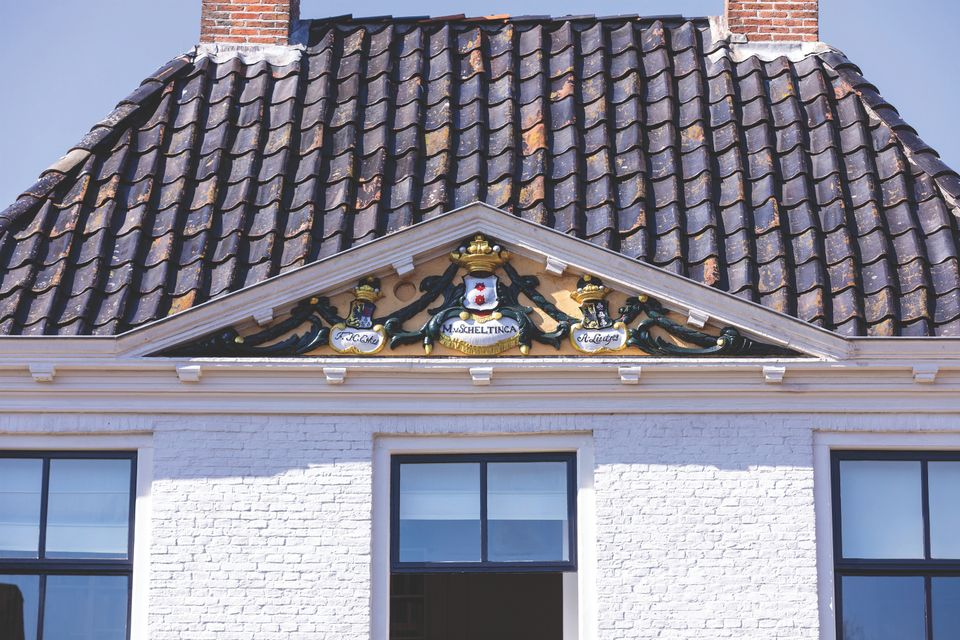
The pediment above the façade bears the coats of arms and names, added in 1779, of grietman (district magistrate) Martinus van Scheltinga, his deputy Focke Hijlckes Eskes, and Albert Luitjens, who served together with Eskes as church warden. The building was owned by the Dutch Reformed Church, which leased out the weigh house. In 1871 it was sold to a private owner, after which an official weighmaster appointed by the municipality supervised its operation. With the rise of the dairy industry in Friesland, the weigh house gradually lost its function. In 1895, the building was converted into a private residence.
-
-
Former director’s house of the Mûnein Flax Factory
Former director’s house of the Mûnein Flax Factory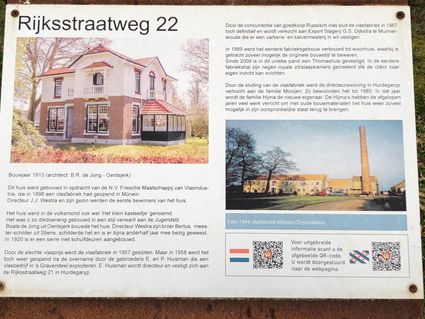
-
Eleven Cities Tour monument in Vrouwenparochie
Eleven Cities Tour monument in Vrouwenparochie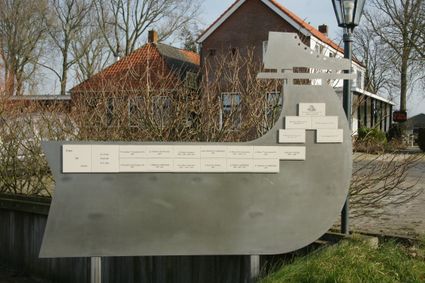
-
The liberation of Friesland 1
The liberation of Friesland 1
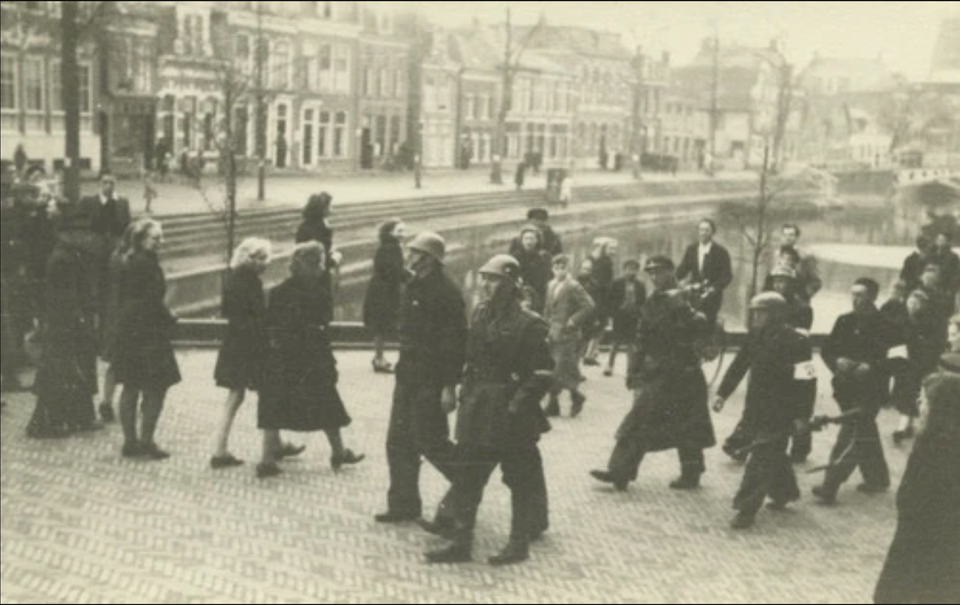
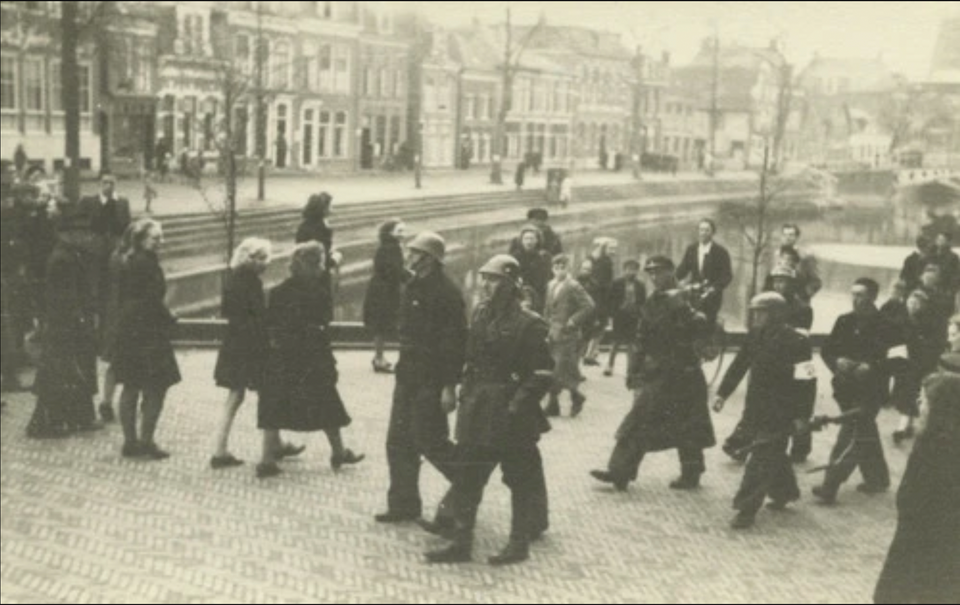
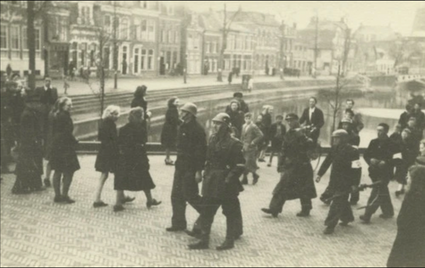
In early April, it became clear that the liberation of Friesland was imminent. Although the province had not suffered a real Hunger Winter like other parts of the Netherlands, there were severe shortages of just about everything. And the terror of the occupying forces was growing. This also led to increased resistance against the occupying forces. The battle between the two was tougher than ever in early 1945.
In Friesland, assault groups known as Knokploegen (KP) were responsible for most acts of resistance. But there were other groups too. On the orders of the Dutch government in London, all these groups were merged into the Dutch Domestic Armed Forces (NBS). In Friesland, this happened on 12 December 1944.
The NBS, popularly referred to as the BS, gave the armed resistance an organisation with a clear structure. The NBS was also supposed to play a role in the upcoming liberation. To this end, resistance groups were provided with weapons from autumn 1944. These were dropped from the air.
On 8 April, Radio Orange broadcast the message "The bottle is empty." This was the signal for the NBS to start carrying out sabotage operations 36 hours later. The aim was to make it as difficult as possible for the Germans to defend themselves against the approaching Allied forces.
The resistance did this by putting bridges and railways out of order, blocking waterways and blocking roads. The response of the occupying forces was ruthless. In retaliation, dozens more prisoners were shot at different times and places.Once the Canadians entered Friesland on 12 April, they were supported extremely effectively by the Frisian resistance. Because it was superbly organised, they were able to help the Canadians take control of important bridges, repair damaged bridges, and advise on the most favourable route.
By 18 April, the whole province was liberated except for the Wadden Islands (these were liberated in late May and in June). Compared to other provinces, there was little fighting in Friesland. Overall, the few thousand German troops who had been unable to flee Friesland were defeated by the Canadians relatively quickly.
The commander of the Royal Canadian Dragoons, Lieutenant Colonel Landell, praised the actions of the resistance by stating "Friesland liberated herself." While that may be a bit of an exaggeration, the actions of the Frisian resistance undoubtedly accelerated the liberation. And reduced the number of casualties on the Allied side.
In confrontations with German troops and their Dutch accomplices, at least 31 resistance fighters lost their lives. On the Allied side, at least eleven Canadians and one Frenchman were killed. The fighting and shelling also resulted in dozens of civilian casualties. The number of casualties on the German side is not known, but probably ran into the hundreds. With 320 houses destroyed and 4,000 damaged and 80 bridges destroyed, Friesland was materially the least damaged province in the Netherlands.
-
-
Happynes.nl
Happynes.nl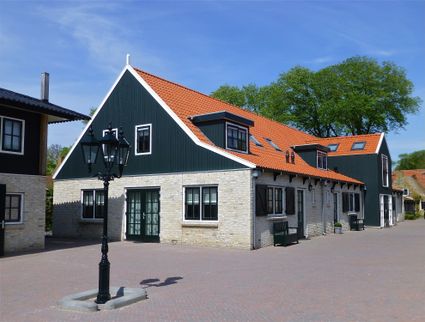
-
it Dreamlân groupaccommodation
it Dreamlân groupaccommodation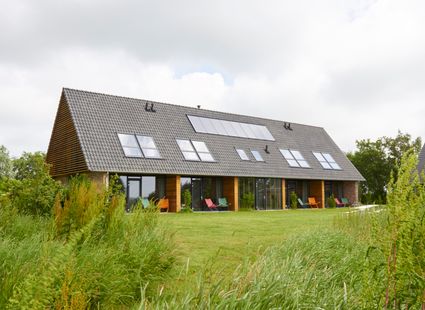
Direct boekbaar
-
Timpelsteed
Timpelsteed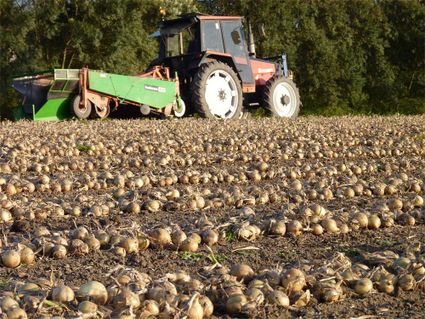
-
The liberation of Friesland
The liberation of Friesland
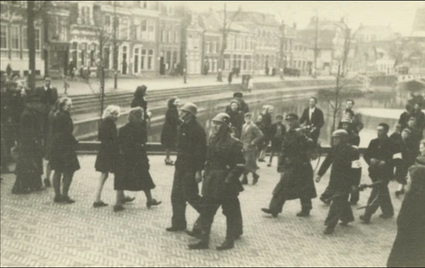
By 18 April, the whole province of Friesland had been liberated, except for the Wadden Islands. Compared to other provinces, there was little fighting in Friesland. Overall, the few thousand German troops who had been unable to escape from Friesland were defeated by the Canadians relatively quickly.
The commander of the Royal Canadian Dragoons, Lieutenant Colonel Landell, praised the actions of the resistance by stating that "Friesland liberated herself". While that may be a bit of an exaggeration, the actions of the Frisian resistance undoubtedly accelerated the liberation. And reduced the number of casualties on the Allied side.
At least 31 resistance fighters lost their lives in confrontations with German troops and their Dutch accomplices. At least eleven Canadians and one Frenchman were killed on the Allied side. Dozens of civilian victims were also killed in the fighting and shelling. The number of casualties on the German side is not known, but it is believed that the number ran into hundreds. With 320 destroyed and 4000 damaged homes and 80 destroyed bridges, Friesland was materially the least damaged province of the Netherlands.
Many German soldiers fled towards the western part of the country. The retreating German troops gathered mostly in Harlingen, Makkum and Lemmer. From there, they tried to get away by boat across the IJsselmeer or via the Afsluitdijk to North Holland. The Wadden Islands also became a refuge for collaborators and German soldiers. Here, liberation was longer in coming.
On the island of Terschelling, the last German troops were disarmed by a British artillery regiment on 29 May. Two days later, the British crossed from Terschelling to Vlieland, and the liberation of that island was also a fact. Ameland was liberated on 3 June.
Personnel from the infamous Scholtenhuis, the SD headquarters in Groningen, had entrenched themselves on Schiermonnikoog. After their departure on 31 May, there was a celebration on the island, in spite of the six hundred members of the occupying troops who still were there. Only on 11 June did the last German soldiers leave Schiermonnikoog, and then the whole province of Friesland was free.
Most Canadian units that had liberated Friesland continued the battle in Groningen and North Germany after 18 April. Their war ended on 8 May 1945, when the surrender of all German armed forces became effective.
-
-
Gast op stal
Gast op stal
-
B&B The Wee White Hoose
B&B The Wee White Hoose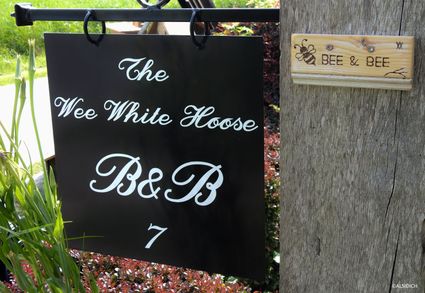
-
Sloop rental Burdaard
Sloop rental Burdaard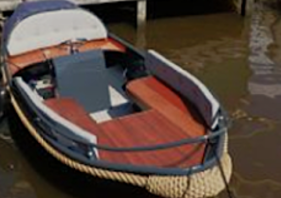
-
Marina Gytsjerk
Marina Gytsjerk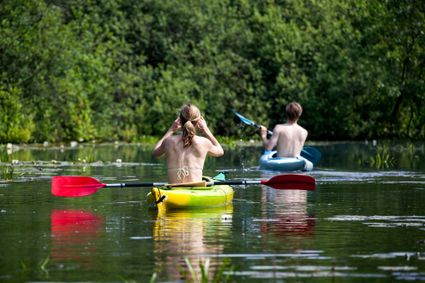
-
Reformed Church (Hofkerk)
Reformed Church (Hofkerk)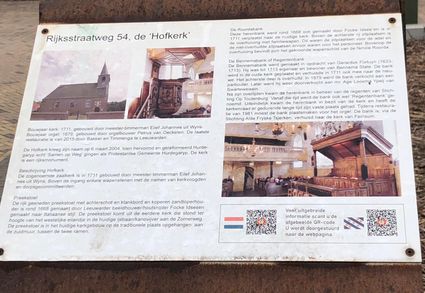
-
Oosterkerk
Oosterkerk
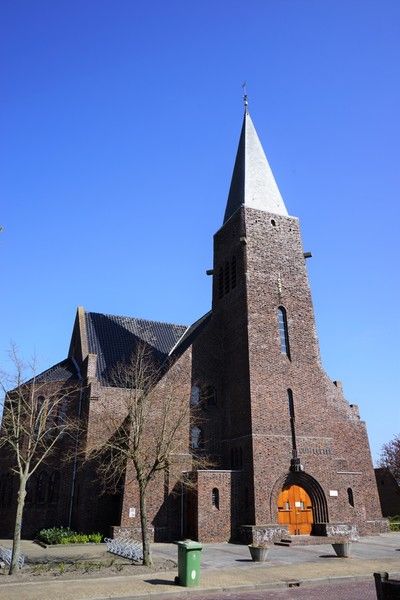
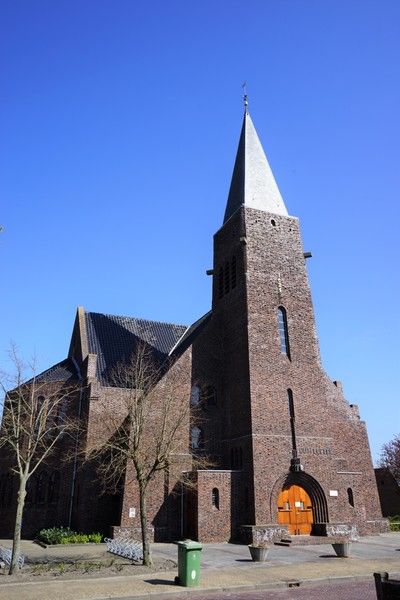
A church built in the Amsterdam School style, designed by the architect Egbert Reitsma.
Stepping inside the Oosterkerk in Kollum is a remarkable experience. Your attention is immediately drawn to the spectacular painted wooden ceiling, decorated with abstract, flowing and geometric patterns. The artwork was created by George Martens (1894–1979), a Dutch painter and graphic artist best known as a member of the Groningen artists' collective De Ploeg.
The ceiling's rich reds, ochres, blues and green accents seem almost to be in motion, creating a flowing, wave-like effect. Set against the brick walls and the church's restrained furnishings, the artwork becomes even more striking. Daylight streaming through the tall windows highlights the texture of the wood and makes the colours appear even more vibrant.
The church's architecture, designed by Egbert Reitsma—who was also a member of De Ploeg—enhances this unique experience. Its parabolic arch construction creates exceptional acoustics and a remarkable sense of space. Even the light fitting designed by Reitsma is considered a museum piece in its own right. Local tradition has it that not everyone in Kollum appreciated the lavish decoration when the church was first built. To some, it resembled a theatre or even a cinema more than a church. Today, however, the amphitheatre-shaped interior is precisely what makes a visit to the Oosterkerk so memorable.
-
-
Statue of Tryntsje and her seven sons
Statue of Tryntsje and her seven sons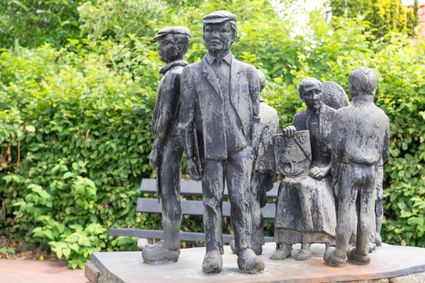
-
Gasthuis Dokkum
Gasthuis Dokkum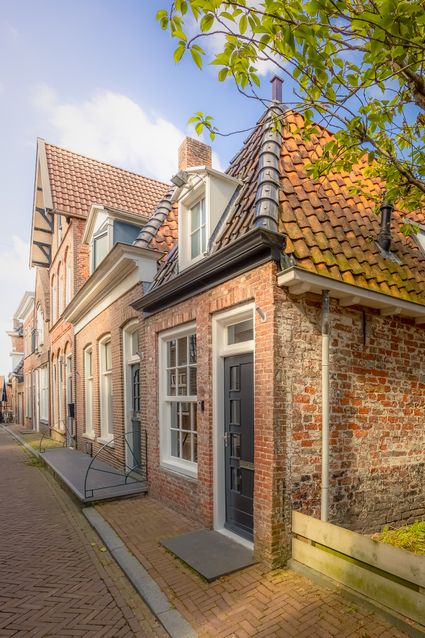
-
Dokkum Ballooning
Dokkum Ballooning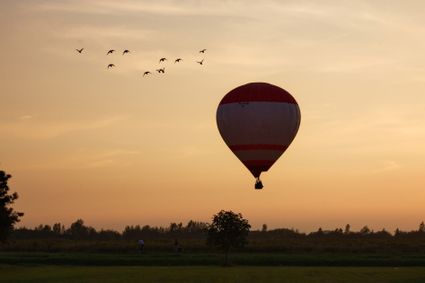
-
Paviljoen De Leyen
Paviljoen De Leyen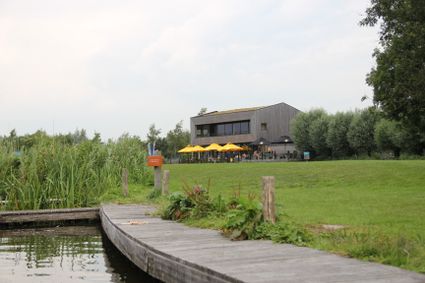
-
De Kruidhof
De Kruidhof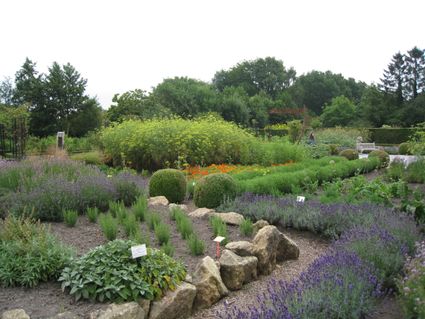
-
Restaurant de Zwarte Haan
Restaurant de Zwarte Haan