Location
161 to 192 of 367 results
-
Tour de Wadden
Tour de Wadden
-
Ka & Ko
Ka & Ko
-
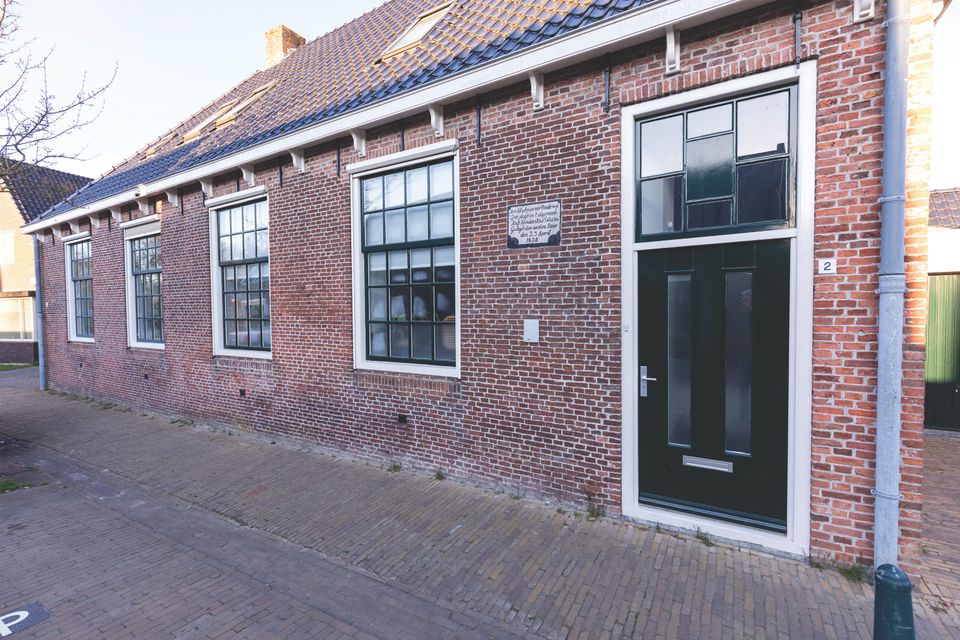
Former Infant School
Former Infant School
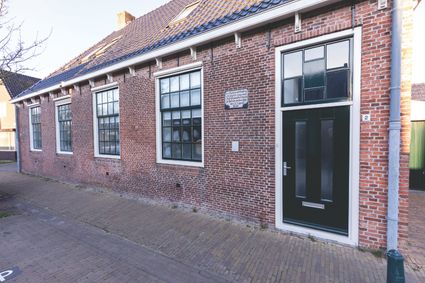
At the intersection of Voorstraat and Meester Andreaestraat stands the former bewaarschool, or infant school. A bewaarschool was a form of pre-school education in the Netherlands and Belgium during the 19th and early 20th centuries.
The infant school was intended for children between the ages of about three and six, before they entered primary school. The Dutch name literally means a place where children were “looked after” while their parents were at work. In practice, they received basic education, learning skills such as listening, counting, and playing together under supervision. The bewaarschool is regarded as the forerunner of today's daycare centres and preschool programmes.
The infant school in Kollum dates from 1828 and is located on the eastern side of the village. At that time, just as on the western side of Voorstraat, the area around the school was home to many small businesses and craftspeople. There was a farmer with a small slaughterhouse, carpenters lived and worked here, and there was a combined butcher's shop and livestock business, as well as a steam-powered grain mill with an animal feed business. The neighbourhood also included a small wholesale dealer in butter, cheese and buttermilk supplied by the factory at Dokkumer Nieuwezijlen, a liquor store, a blacksmith's workshop and a tailor's shop. On the opposite side of the street from the infant school stood a grocery store and a cigar shop.
-
-
Dokkum Ballooning
Dokkum Ballooning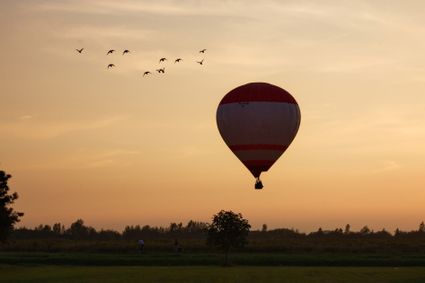
-
11Fountains Dokkum
11Fountains Dokkum
-
Wadloopcentrum Fryslân
Wadloopcentrum Fryslân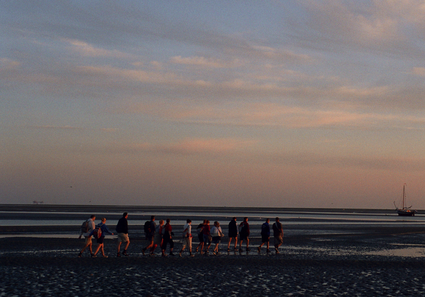

-
Restaurant de Zwarte Haan
Restaurant de Zwarte Haan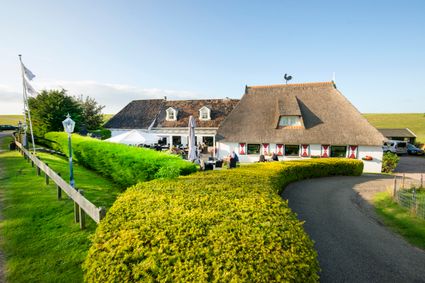
-
Oostmahorn Beach and Play Area
Oostmahorn Beach and Play Area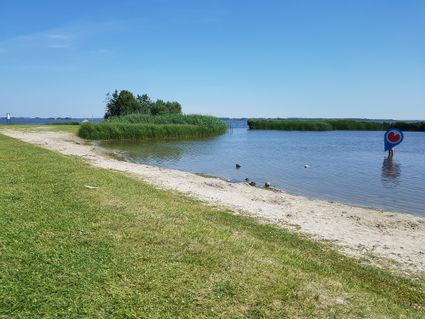
-
Stadscafé Artisante (City Café)
Stadscafé Artisante (City Café)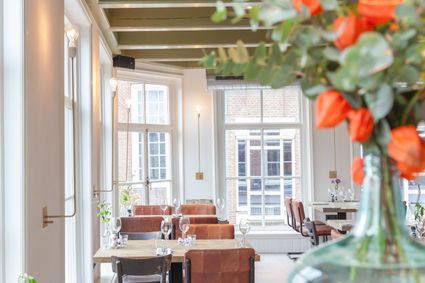
-
Boutique Hotel Dokkum
Boutique Hotel Dokkum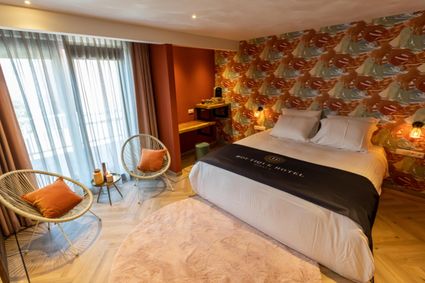
-
Zeilschip Middelsee
Zeilschip Middelsee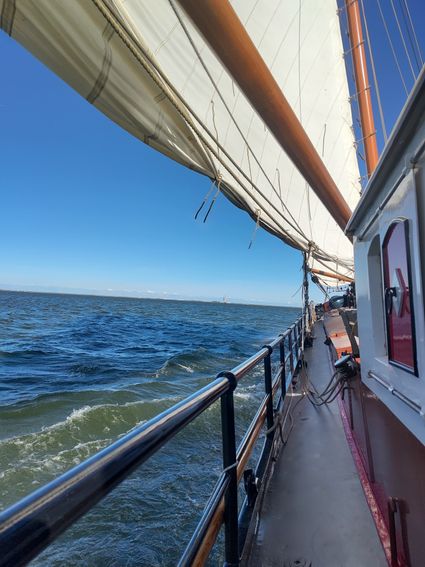
-
Hindeloopen (Hylpen)
Hindeloopen (Hylpen)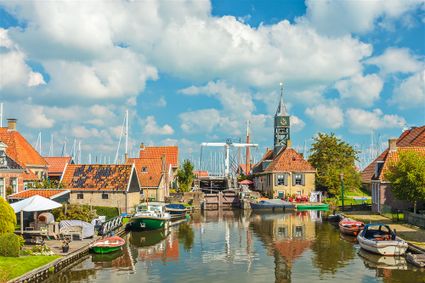
-
It Wikelslân Nature Reserve at De Alde Feanen National Park
It Wikelslân Nature Reserve at De Alde Feanen National Park
-
Church Sint-Thomaskerk in Waaxens
Church Sint-Thomaskerk in Waaxens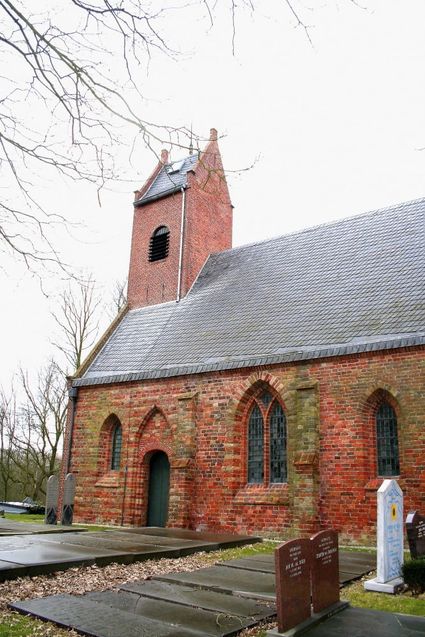
-
De Zomerschuur (The Summer Barn)
De Zomerschuur (The Summer Barn)
-
Tourist Information Earnewâld
Tourist Information Earnewâld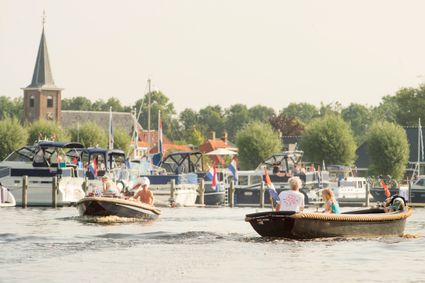
-
Skrins - Bird watching cabin
Skrins - Bird watching cabin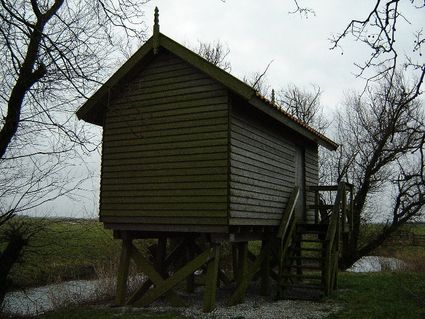
-
Landal Waterpark De Alde Feanen
Landal Waterpark De Alde Feanen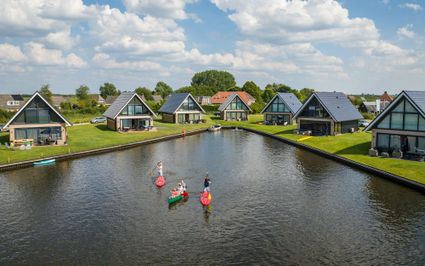
-
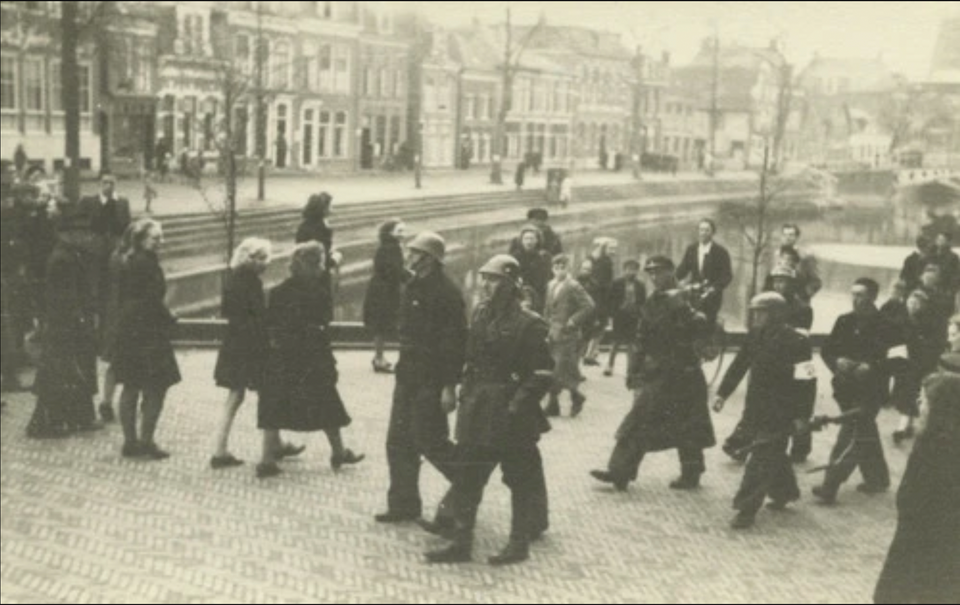
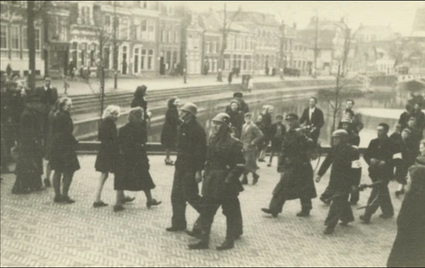
The liberation of Friesland
The liberation of Friesland
By 18 April, the whole province of Friesland had been liberated, except for the Wadden Islands. Compared to other provinces, there was little fighting in Friesland. Overall, the few thousand German troops who had been unable to escape from Friesland were defeated by the Canadians relatively quickly.
The commander of the Royal Canadian Dragoons, Lieutenant Colonel Landell, praised the actions of the resistance by stating that "Friesland liberated herself". While that may be a bit of an exaggeration, the actions of the Frisian resistance undoubtedly accelerated the liberation. And reduced the number of casualties on the Allied side.
At least 31 resistance fighters lost their lives in confrontations with German troops and their Dutch accomplices. At least eleven Canadians and one Frenchman were killed on the Allied side. Dozens of civilian victims were also killed in the fighting and shelling. The number of casualties on the German side is not known, but it is believed that the number ran into hundreds. With 320 destroyed and 4000 damaged homes and 80 destroyed bridges, Friesland was materially the least damaged province of the Netherlands.
Many German soldiers fled towards the western part of the country. The retreating German troops gathered mostly in Harlingen, Makkum and Lemmer. From there, they tried to get away by boat across the IJsselmeer or via the Afsluitdijk to North Holland. The Wadden Islands also became a refuge for collaborators and German soldiers. Here, liberation was longer in coming.
On the island of Terschelling, the last German troops were disarmed by a British artillery regiment on 29 May. Two days later, the British crossed from Terschelling to Vlieland, and the liberation of that island was also a fact. Ameland was liberated on 3 June.
Personnel from the infamous Scholtenhuis, the SD headquarters in Groningen, had entrenched themselves on Schiermonnikoog. After their departure on 31 May, there was a celebration on the island, in spite of the six hundred members of the occupying troops who still were there. Only on 11 June did the last German soldiers leave Schiermonnikoog, and then the whole province of Friesland was free.
Most Canadian units that had liberated Friesland continued the battle in Groningen and North Germany after 18 April. Their war ended on 8 May 1945, when the surrender of all German armed forces became effective.
-
-
it Dreamlân family house
it Dreamlân family house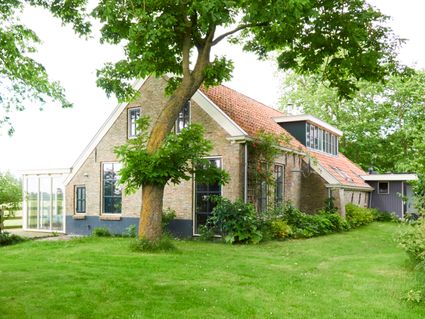
Direct boekbaar
-
it Dreamlân groupaccommodation
it Dreamlân groupaccommodation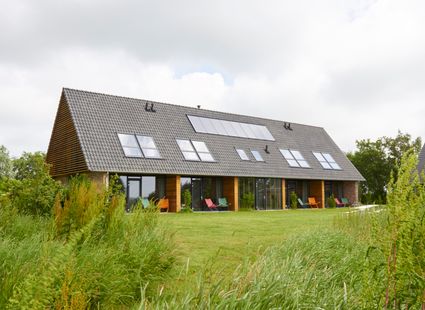
Direct boekbaar
-
Kollumerwaard Hiking Trail
Kollumerwaard Hiking Trail
-
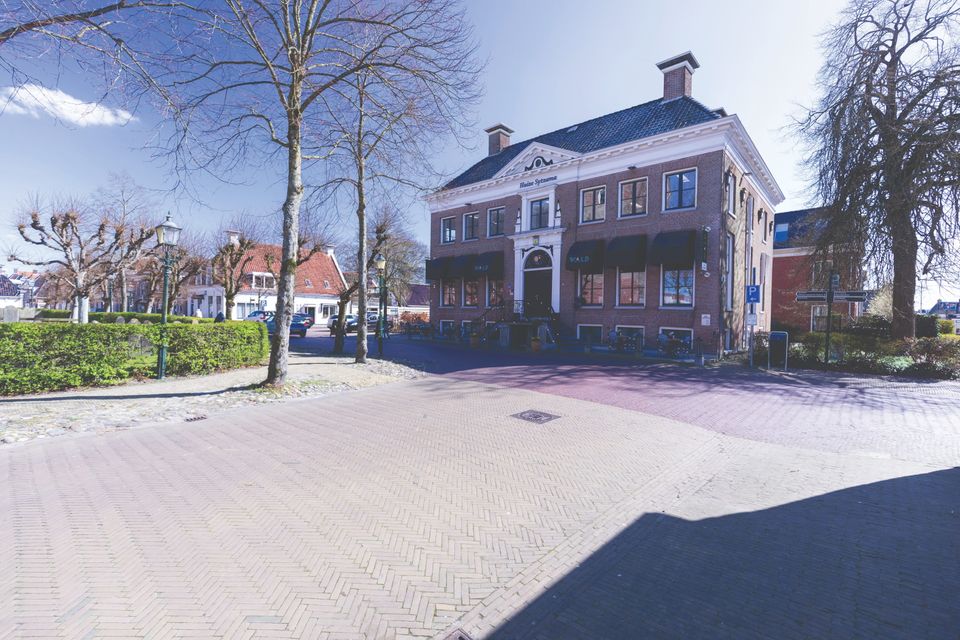
Sytzama House
Sytzama House
What is now a grand café has a history closely connected with local government, the Second World War, and Baron Willem van Sytzama, the building's first owner, after whom it is named.
In Van Sytzama's time, there were very few buildings nearby. Instead, a large landscaped garden with extensive ponds stretched out behind the house. Baron Willem van Sytzama believed he was happily married to Cecilia van Heemskerk, but she left him for another man. Although the baron took legal action in an attempt to prevent the separation, he was unsuccessful. She never returned, and he never remarried. In later years, however, the building served as Kollum's town hall, where hundreds of marriages were celebrated.
During the Second World War, Mayor Gerben Feitsma was sworn into office in this building. The ceremony took place with prominent displays of flags and the Nazi salute. For that reason, Feitsma is often described as an NSB (Dutch National Socialist Movement) mayor. At the same time, there is evidence that he occasionally helped prevent residents of Kollum from being sent to Germany for forced labour by employing them on his farm. Because of his wartime record, his name is not always included in historical accounts.
His brother, Jan Feitsma, became notorious for a different reason. As Prosecutor General, he ordered signs reading "Jews Forbidden" to be displayed throughout the occupied Netherlands. The policy caused considerable controversy in Kollum during the war. The local tennis club preferred to close its courts rather than display such a sign. In early 1945, Jan Feitsma was shot dead by members of the Dutch Resistance. His funeral in Kollum was attended by numerous members of the SS.
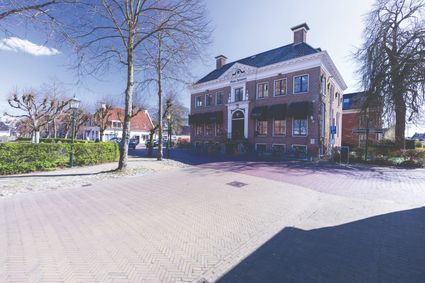
-
-
National Park 'De Alde Feanen'
National Park 'De Alde Feanen'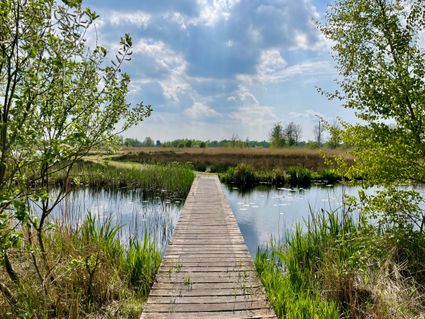
-
Sint-Gangulfuskerk Church in Ee
Sint-Gangulfuskerk Church in Ee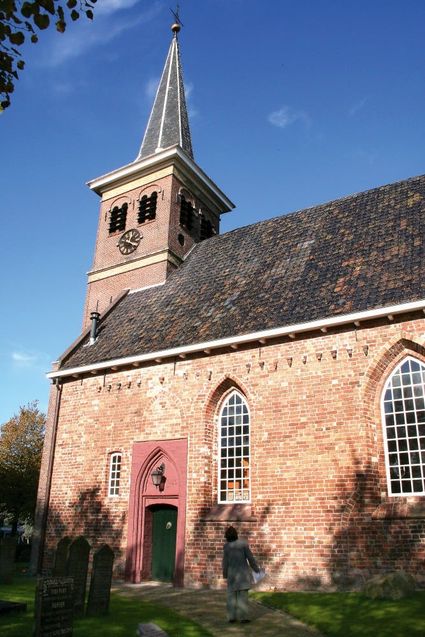
-
Sparkberry
Sparkberry
-
Beaches at Lauwersoog
Beaches at Lauwersoog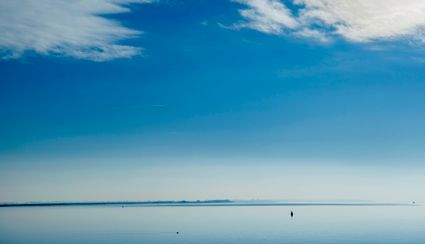
-
Holwerterpolder at Noard Fryslân Butendyks Nature Reserve
Holwerterpolder at Noard Fryslân Butendyks Nature Reserve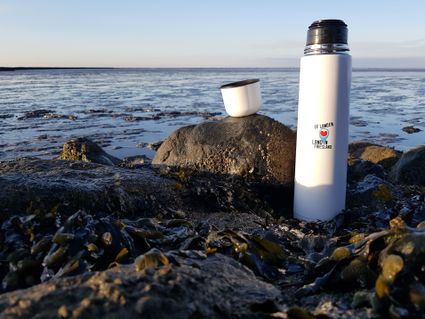
-
Glamping Mearkas
Glamping Mearkas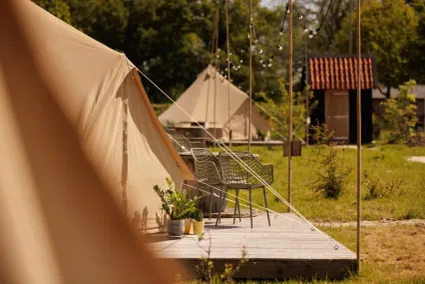
-
De Naturij
De Naturij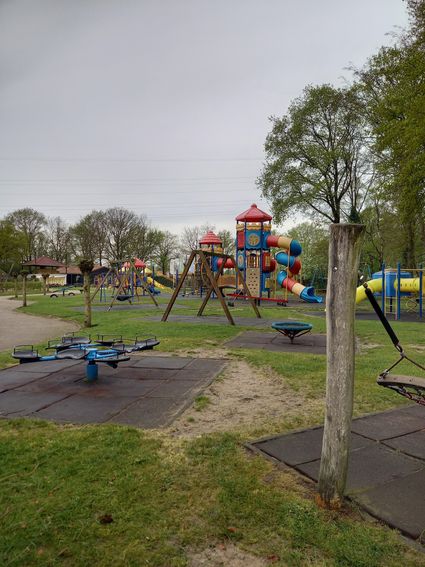
-
Age Veldboom Sailing Activities
Age Veldboom Sailing Activities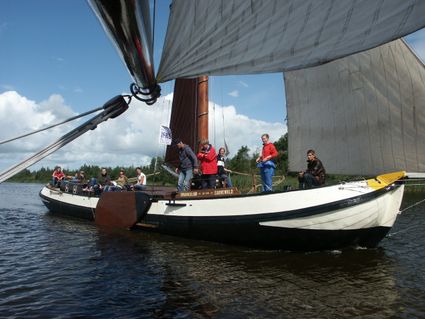
-
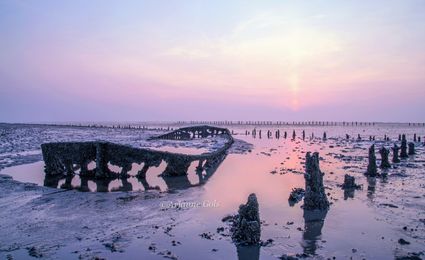
Shipwreck at Wierum (visible at low tide)
Shipwreck at Wierum (visible at low tide)