Location
1 to 32 of 415 results
-
Brasserie Om de dobben
Brasserie Om de dobben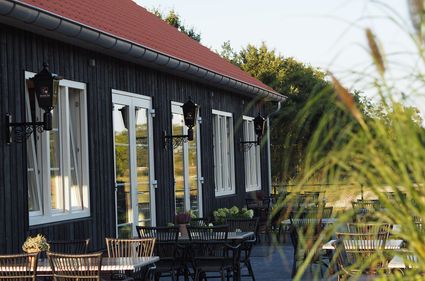
-
Sint-Gangulfuskerk Church in Ee
Sint-Gangulfuskerk Church in Ee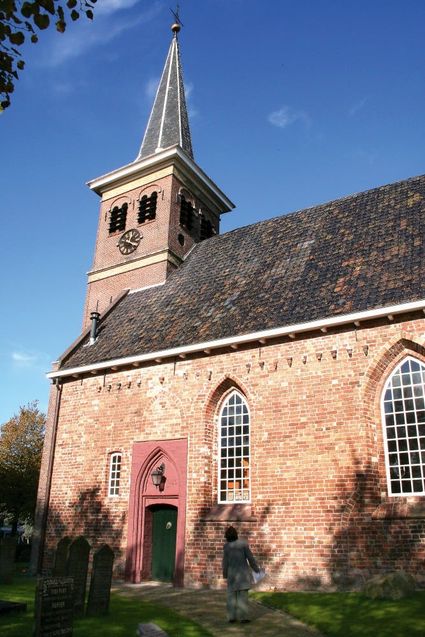
-
Boerenthuis de Prikkebosk
Boerenthuis de Prikkebosk
-
AquaZoo Leeuwarden
AquaZoo Leeuwarden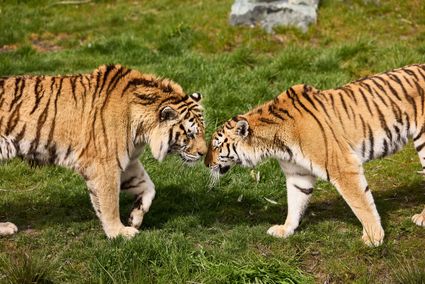
Book now
-
Workum Tourist Information - Eleven Cities Stamp Point
Workum Tourist Information - Eleven Cities Stamp Point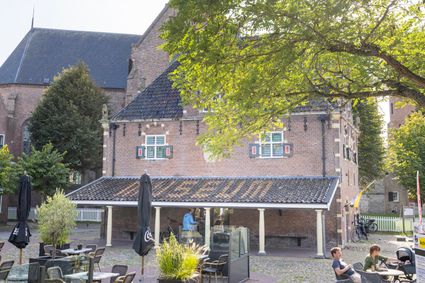
-
Observeum | Museum & Observatory
Observeum | Museum & Observatory
-
De Jersey Molkerij
De Jersey Molkerij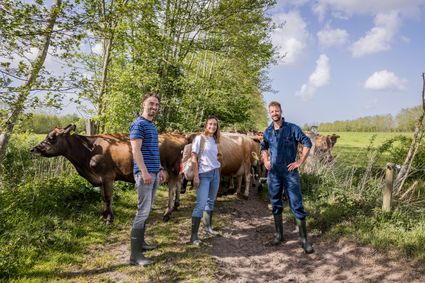
-
Teetún De Hollen
Teetún De Hollen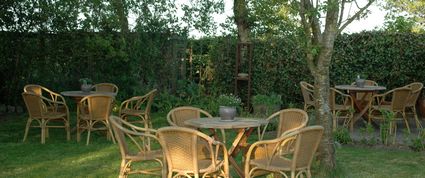
-
Eleven Cities Monument Tegeltjesbrug Gytsjerk
Eleven Cities Monument Tegeltjesbrug Gytsjerk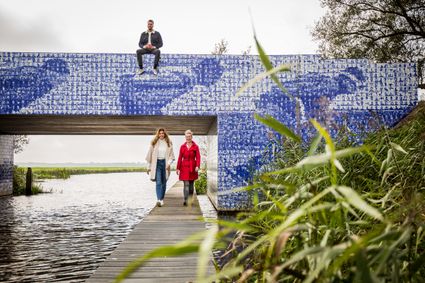
-
In De Wij
In De Wij
-
Anne-Famkes Pleats Room
Anne-Famkes Pleats Room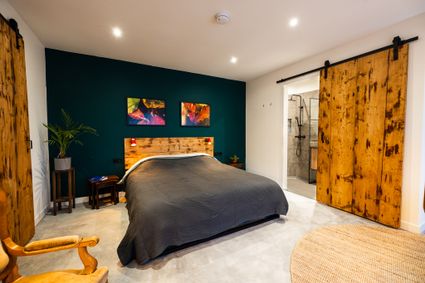
-
De Kruidhof
De Kruidhof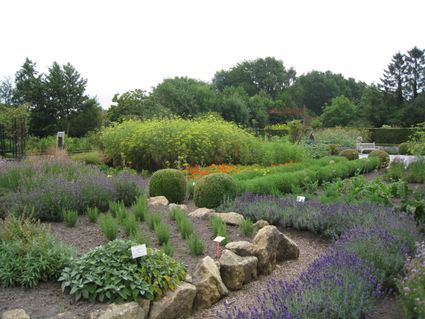
-
it Dreamlân holiday homes
it Dreamlân holiday homes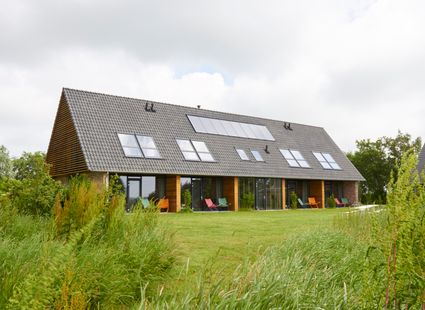
-
St. Martin's Church Hallum
St. Martin's Church Hallum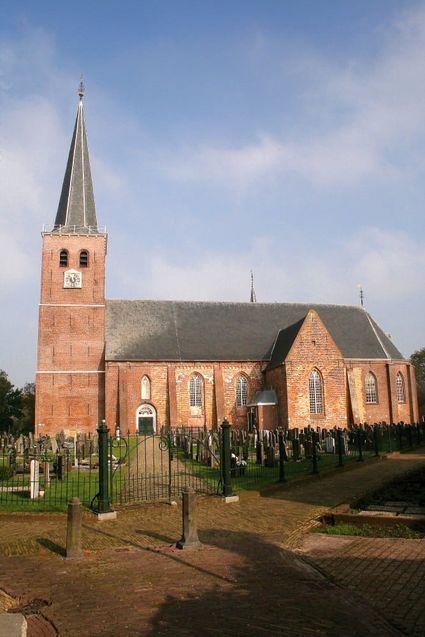
-
www.huyske.com
www.huyske.com
-
it Dreamlân holiday home
it Dreamlân holiday home
Book now
-
Camping Hammerslag
Camping Hammerslag
-
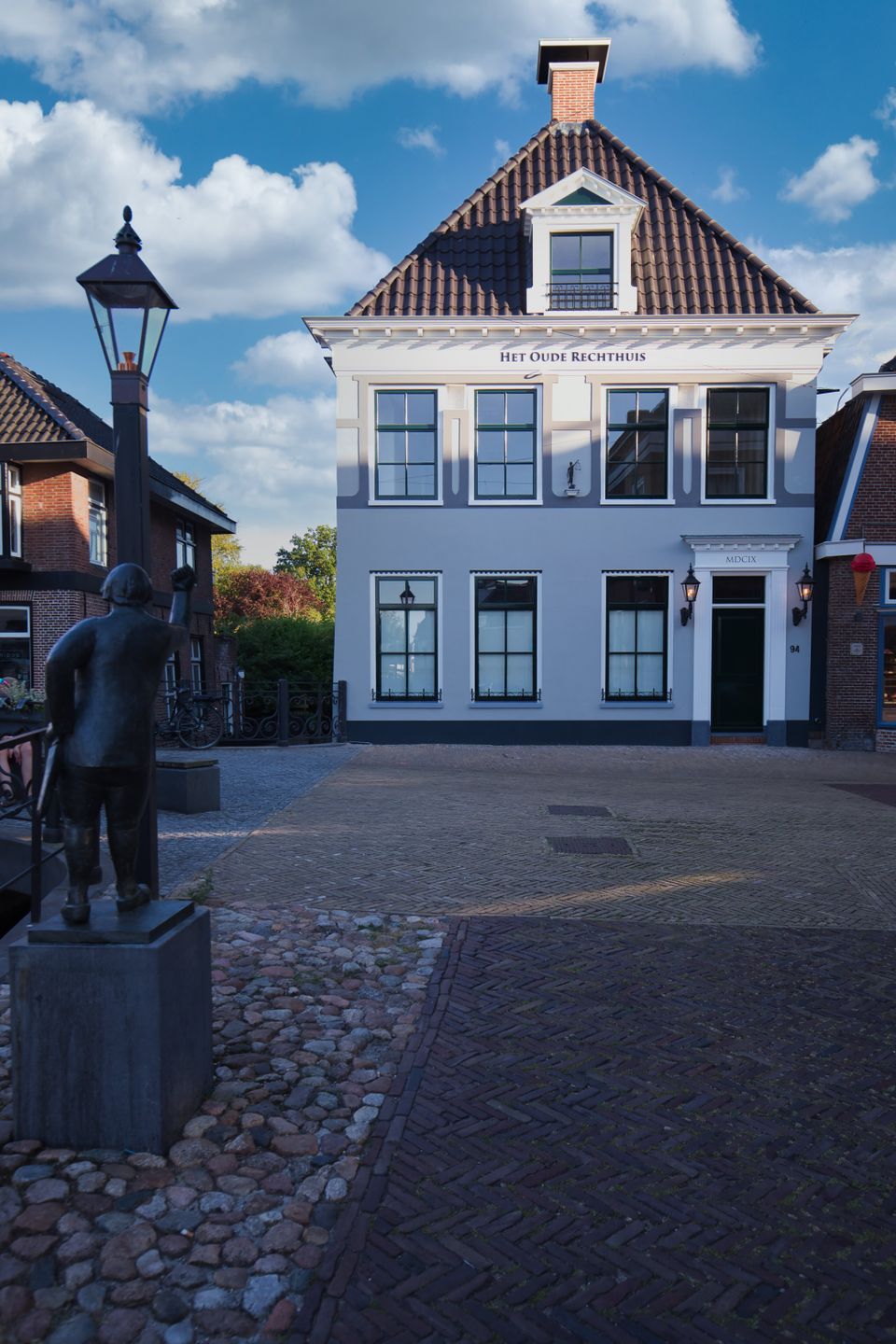
Former Courthouse
Former Courthouse
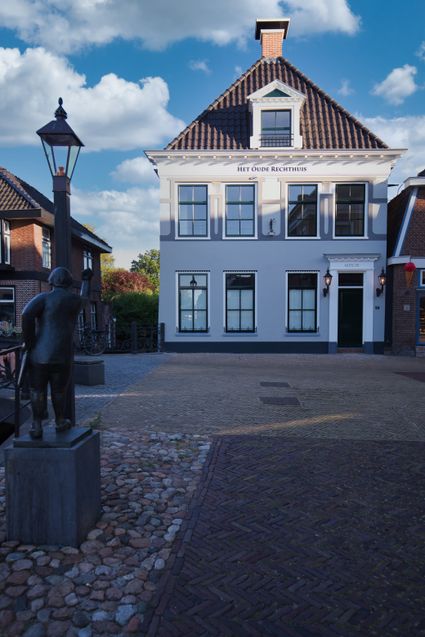
This building, now used as a shop, recalls the time when justice was administered in Kollum. It was purchased by the municipality in 1609 and has served a variety of purposes ever since. The Old Courthouse (Oude Rechthuis) played an important role during the Kollum Uprising of 1797.
The building was bought by the municipality of Kollumerland in 1609 and converted into a courthouse. It can be recognised by the statue of Lady Justice, which still watches over the street from the façade. The Rechthuis is the oldest stone building in Kollum.
Kollum was given its own courthouse because the distance between Groningen and Leeuwarden was too great to travel in a single day. The ground floor was used as an inn and even included stables for horses and cattle. To this day, the space has continued to serve a variety of purposes.
The Rechthuis played a significant role during the Kollum Uprising of 1797. In February of that year, the arrest of the Orangist supporter Abele Reitzes sparked an uprising in which a crowd stormed the courthouse in an attempt to free him. The revolt resulted in extensive damage and was harshly suppressed, with 168 people being arrested. You can learn more about these events at the statue of Jan Binnes further along this route. The prison cell in the building's basement has been preserved. From the bridge, you can still clearly see the small barred window of the former jail cell.
-
-
Bonkevaart - Elfstedentocht Finish Line
Bonkevaart - Elfstedentocht Finish Line
-
De Dikke Draai
De Dikke Draai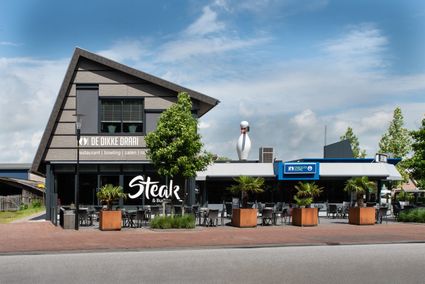
-
Church of Ryptsjerk
Church of Ryptsjerk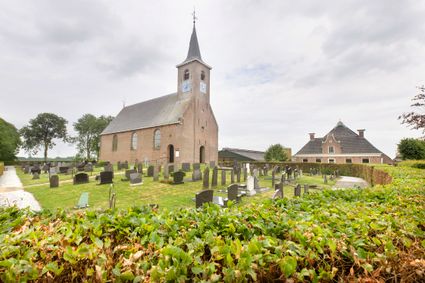
-
Copini Buitensport
Copini Buitensport
-
Mill de Swarte Prinsch
Mill de Swarte Prinsch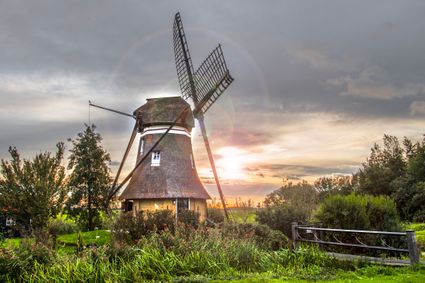
-
St. Nicholas Church Eastrum (Oostrum)
St. Nicholas Church Eastrum (Oostrum)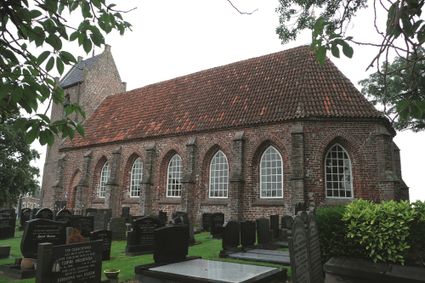
-
Dijk van een Wijf
Dijk van een Wijf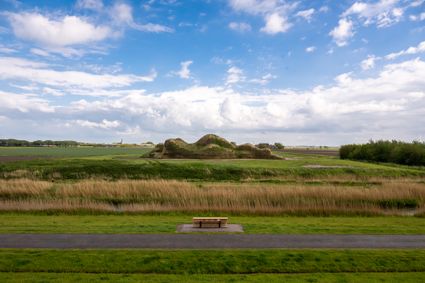
-
National Park 'Lauwersmeer'
National Park 'Lauwersmeer'
-
The Former Dairy Factory in Trynwâlden
The Former Dairy Factory in Trynwâlden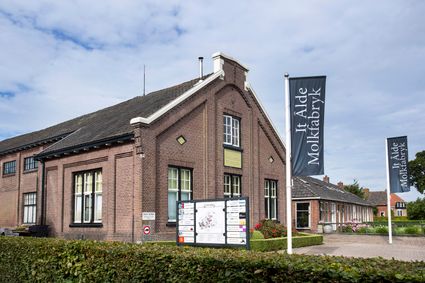
-
Wellness op e' Klaai
Wellness op e' Klaai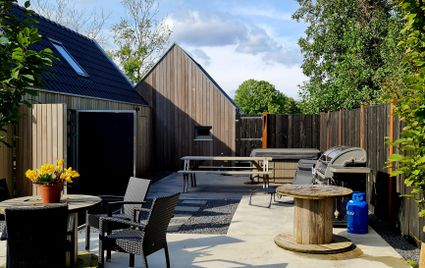
-
The lock at Iezumasyl
The lock at Iezumasyl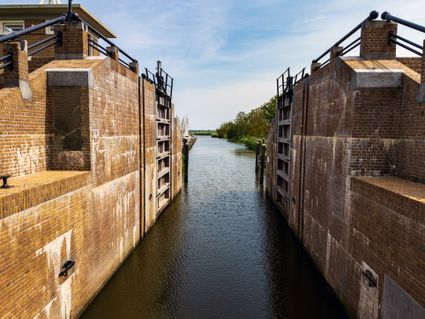
-
Bartlehiem Bridge - Elfstedentocht
Bartlehiem Bridge - Elfstedentocht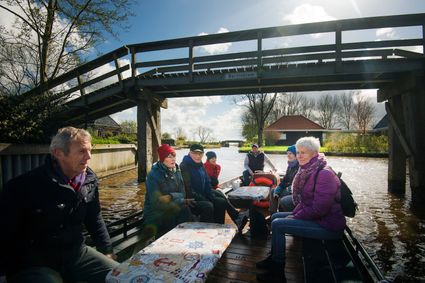
-
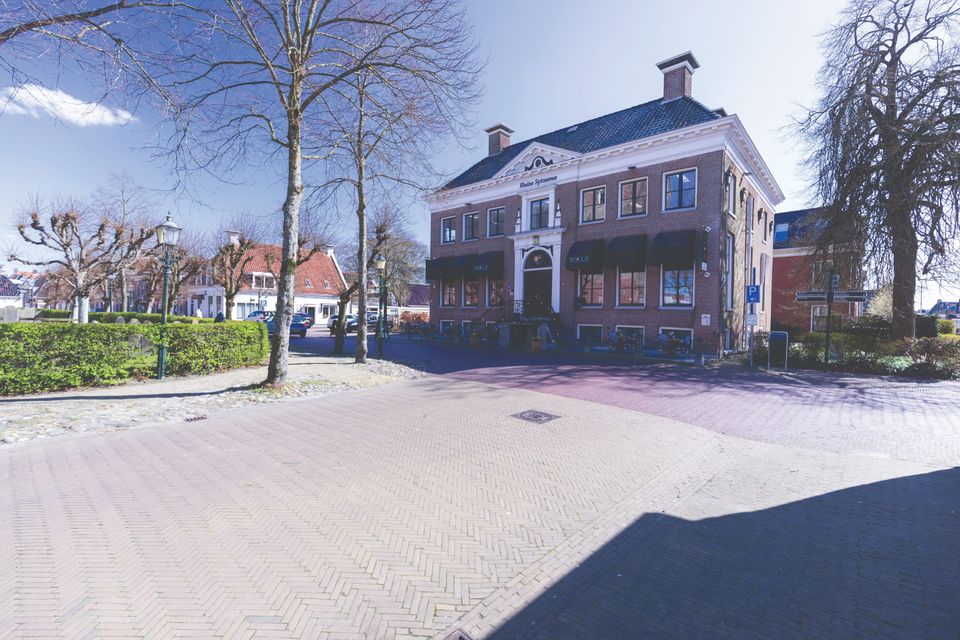
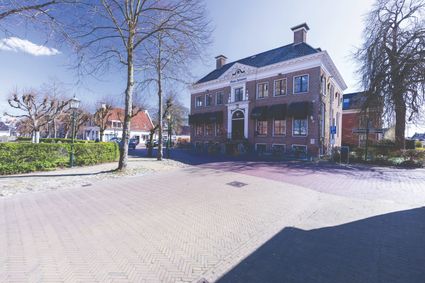
Sytzama House
Sytzama House
What is now a grand café has a history closely connected with local government, the Second World War, and Baron Willem van Sytzama, the building's first owner, after whom it is named.
In Van Sytzama's time, there were very few buildings nearby. Instead, a large landscaped garden with extensive ponds stretched out behind the house. Baron Willem van Sytzama believed he was happily married to Cecilia van Heemskerk, but she left him for another man. Although the baron took legal action in an attempt to prevent the separation, he was unsuccessful. She never returned, and he never remarried. In later years, however, the building served as Kollum's town hall, where hundreds of marriages were celebrated.
During the Second World War, Mayor Gerben Feitsma was sworn into office in this building. The ceremony took place with prominent displays of flags and the Nazi salute. For that reason, Feitsma is often described as an NSB (Dutch National Socialist Movement) mayor. At the same time, there is evidence that he occasionally helped prevent residents of Kollum from being sent to Germany for forced labour by employing them on his farm. Because of his wartime record, his name is not always included in historical accounts.
His brother, Jan Feitsma, became notorious for a different reason. As Prosecutor General, he ordered signs reading "Jews Forbidden" to be displayed throughout the occupied Netherlands. The policy caused considerable controversy in Kollum during the war. The local tennis club preferred to close its courts rather than display such a sign. In early 1945, Jan Feitsma was shot dead by members of the Dutch Resistance. His funeral in Kollum was attended by numerous members of the SS.
-
-
National Park 'De Alde Feanen'
National Park 'De Alde Feanen'