Location
257 to 288 of 359 results
-
it Dreamlân family house
it Dreamlân family house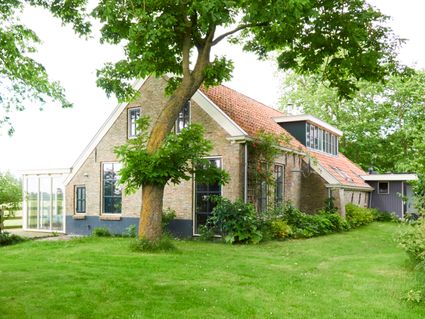
Direct boekbaar
-
Burdaard (Birdaard)
Burdaard (Birdaard)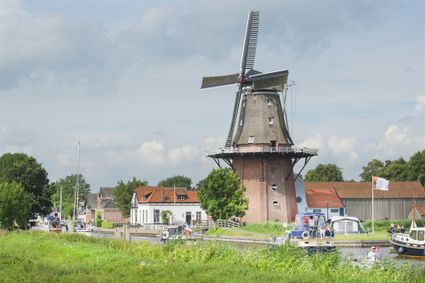
-
Former Mountain Monastery Burgum
Former Mountain Monastery Burgum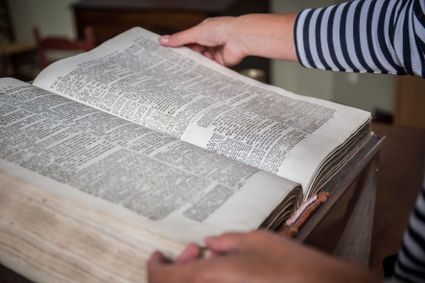
-
Ee (Ie)
Ee (Ie)
-
Buitenpost (Bûtenpost)
Buitenpost (Bûtenpost)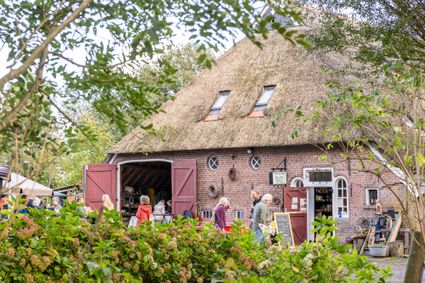
-
Grutte Tsjerke Ternaard
Grutte Tsjerke Ternaard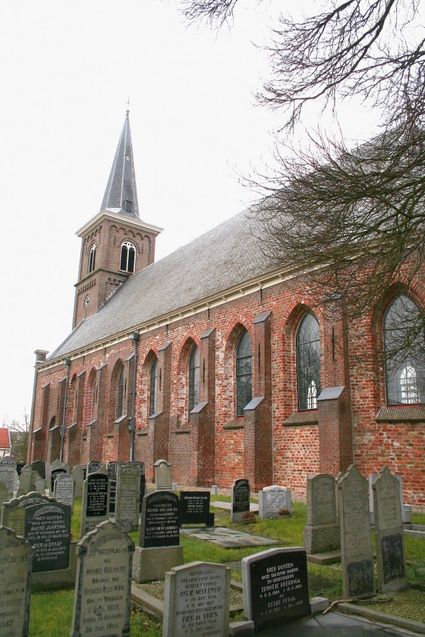
-
Sint-Gangulfuskerk Church in Ee
Sint-Gangulfuskerk Church in Ee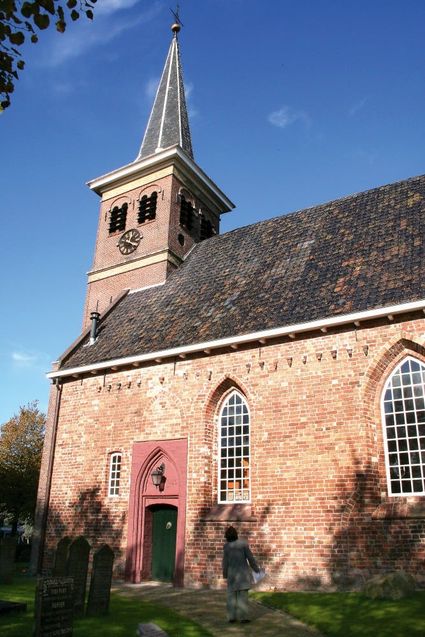
-
Statue of Tryntsje and her seven sons
Statue of Tryntsje and her seven sons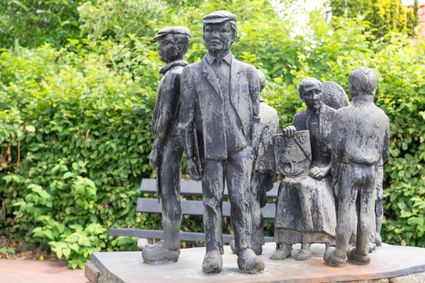
-
B&B The Wee White Hoose
B&B The Wee White Hoose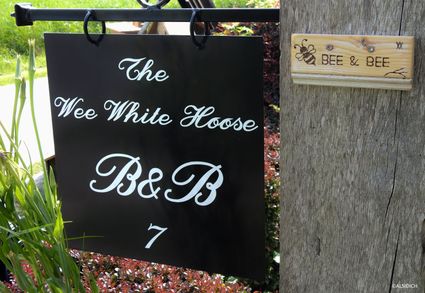
-
To B or not to B
To B or not to B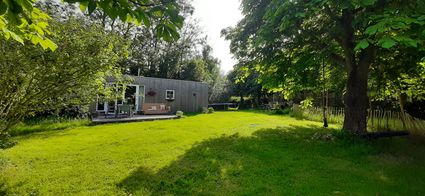
-
Timpelsteed
Timpelsteed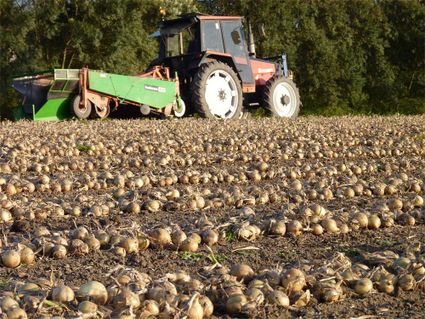
-
Oosterdiepswal and Westerdiepswal
Oosterdiepswal and Westerdiepswal
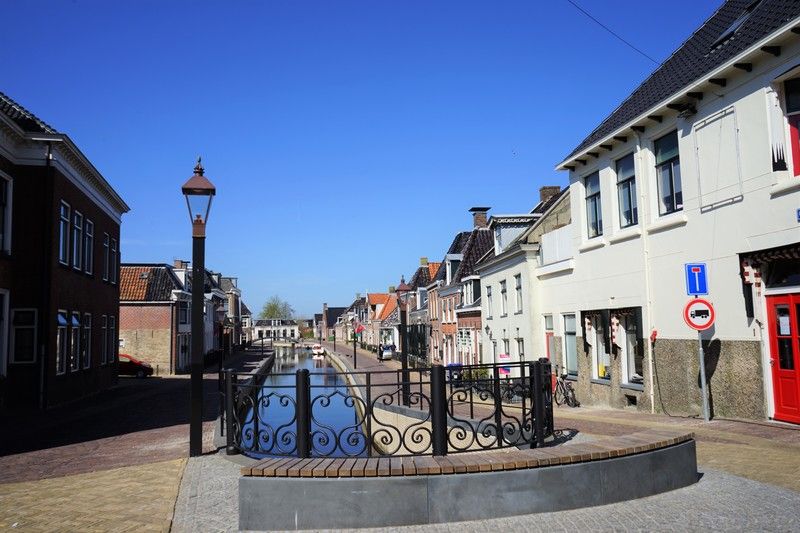
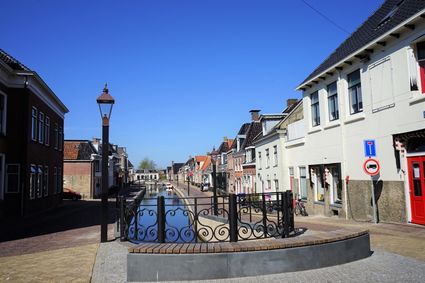
On both sides of the Sylster Ryd, in the oldest part of Kollum's historic centre, lie the Oosterdiepswal and Westerdiepswal.
These embankments, locally known simply as the Wallen, are already mentioned in the earliest historical records of Kollum. The Sylster Ryd connected here with the major waterways to the north and south of the village.
During the 16th and 17th centuries, Kollum was a thriving centre of trade and commerce. Its town centre played an important logistical role in regional trading activities. Development along the Wallen began after this waterway was excavated in the early 16th century. Businesses that depended on water transport for the delivery of raw materials and the shipment of goods established themselves here. Historical records mention pottery workshops, a brewery, a tannery and a shipyard. Several windmills also stood along the Wallen, although mills could be found elsewhere in the village as well. Today, the Wallen form part of Kollum's protected historic townscape.
-
-
Ka & Ko
Ka & Ko
-
Tollboot "It Driezumer Tolhús" near Dokkum
Tollboot "It Driezumer Tolhús" near Dokkum
-
De Bolstienpleats
De Bolstienpleats
-
Bij De Pastorie Boutique Hotel
Bij De Pastorie Boutique Hotel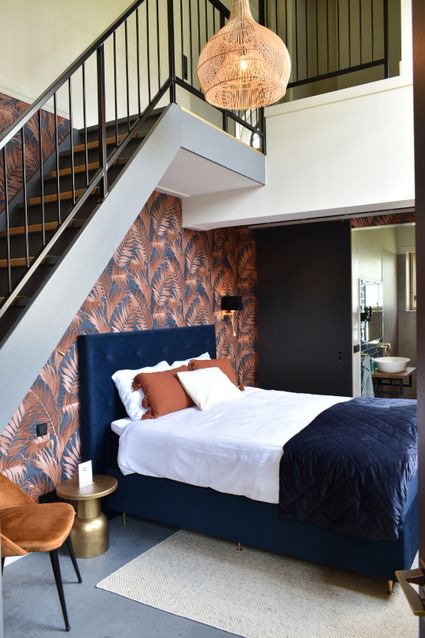
-
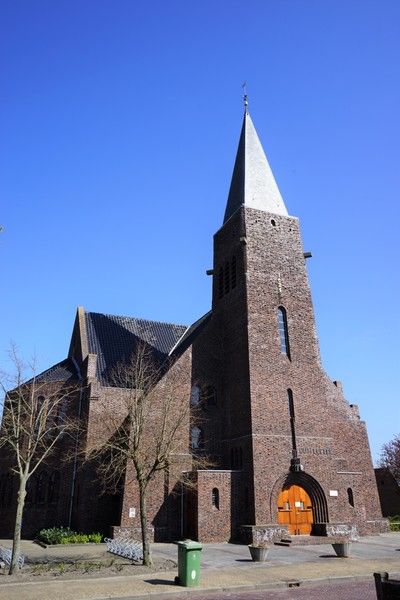
Oosterkerk
Oosterkerk
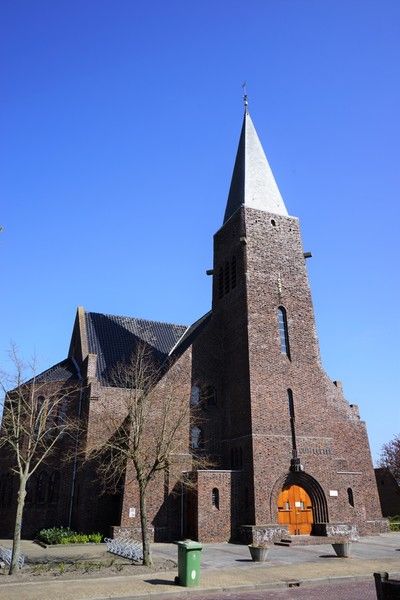
A church built in the Amsterdam School style, designed by the architect Egbert Reitsma.
Stepping inside the Oosterkerk in Kollum is a remarkable experience. Your attention is immediately drawn to the spectacular painted wooden ceiling, decorated with abstract, flowing and geometric patterns. The artwork was created by George Martens (1894–1979), a Dutch painter and graphic artist best known as a member of the Groningen artists' collective De Ploeg.
The ceiling's rich reds, ochres, blues and green accents seem almost to be in motion, creating a flowing, wave-like effect. Set against the brick walls and the church's restrained furnishings, the artwork becomes even more striking. Daylight streaming through the tall windows highlights the texture of the wood and makes the colours appear even more vibrant.
The church's architecture, designed by Egbert Reitsma—who was also a member of De Ploeg—enhances this unique experience. Its parabolic arch construction creates exceptional acoustics and a remarkable sense of space. Even the light fitting designed by Reitsma is considered a museum piece in its own right. Local tradition has it that not everyone in Kollum appreciated the lavish decoration when the church was first built. To some, it resembled a theatre or even a cinema more than a church. Today, however, the amphitheatre-shaped interior is precisely what makes a visit to the Oosterkerk so memorable.
-
-
Bolsward (Boalsert)
Bolsward (Boalsert)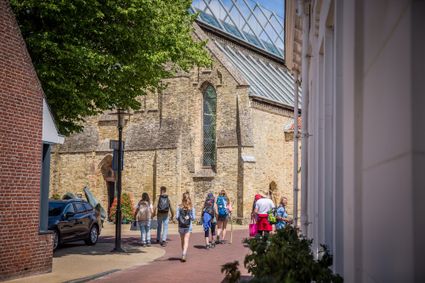
-
B&B De Hoffstee
B&B De Hoffstee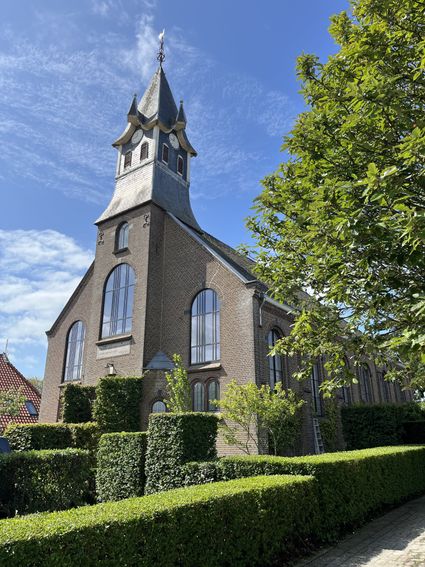
-
De Zomerschuur (The Summer Barn)
De Zomerschuur (The Summer Barn)
-
St. Anthony's Church Paesens
St. Anthony's Church Paesens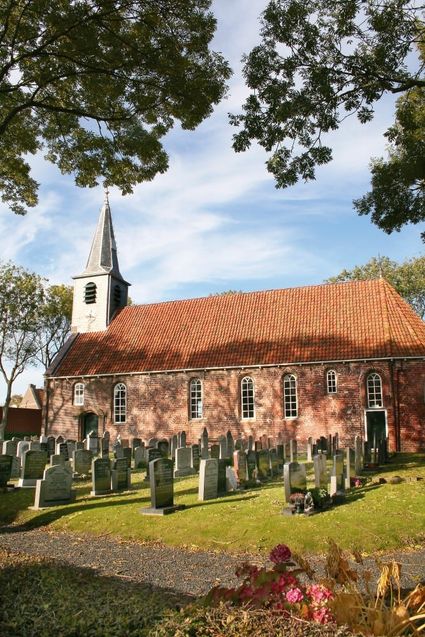
-
Natuurlijk Kollumeroord Groepsaccommodatie De Vlinderbalg
Natuurlijk Kollumeroord Groepsaccommodatie De Vlinderbalg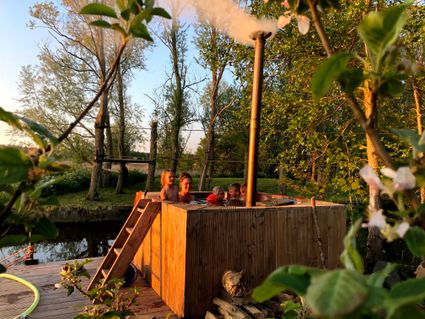
-
Het Lage Noorden
Het Lage Noorden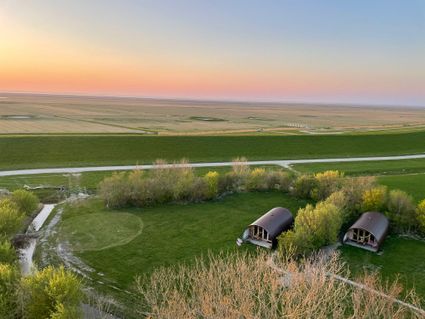

-
Boerenthuis de Prikkebosk
Boerenthuis de Prikkebosk
-
Marina Gytsjerk
Marina Gytsjerk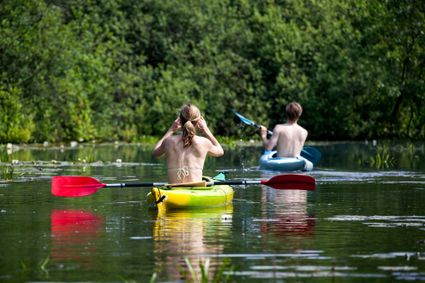
-
De Jersey Molkerij
De Jersey Molkerij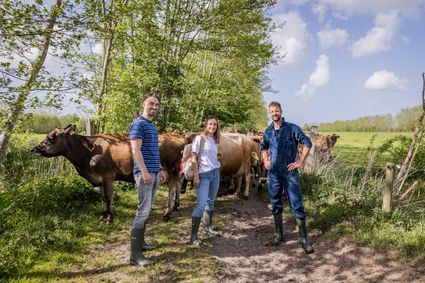
-
Church of Brantgum
Church of Brantgum
-
Swimming pool It Paradyske
Swimming pool It Paradyske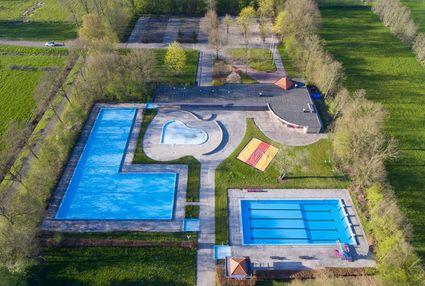
-
Wierum (Wierum)
Wierum (Wierum)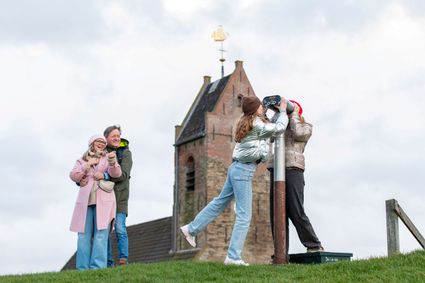
-
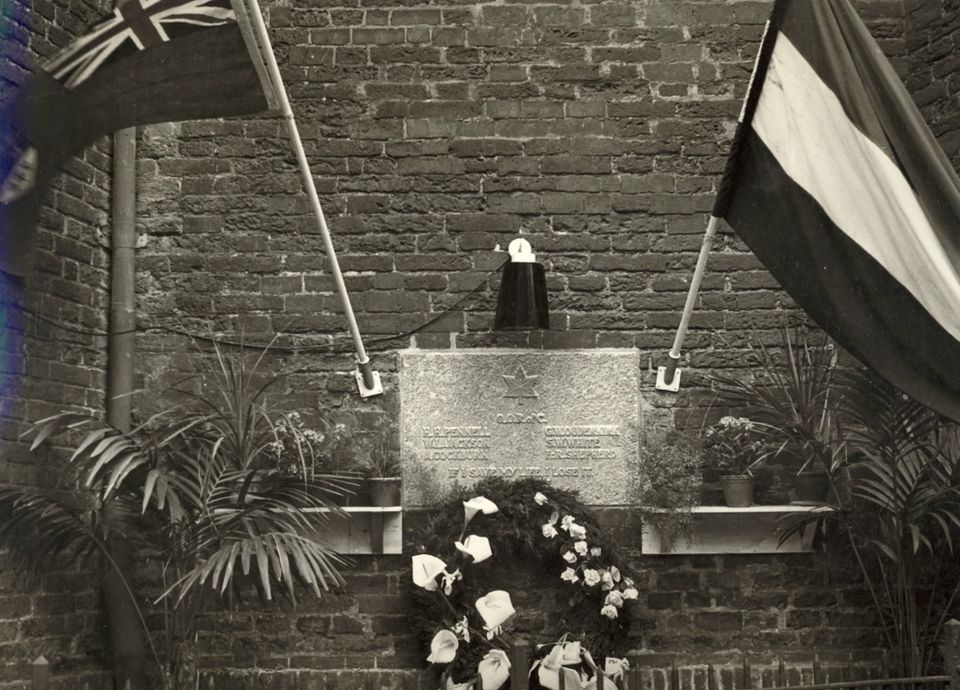
Memorial stone for Fallen Canadians
Memorial stone for Fallen Canadians
Sunday 15 April 1945, Friesland's official liberation day, was also the day Sneek welcomed the Canadian liberation forces. It had been an exciting day, and the Dutch Domestic Armed Forces (NBS) had fought quite a battle with the occupiers.
A day earlier, German troops had begun to withdraw from Sneek and the NBS had tried to hinder their retreat along the Leeuwarderweg as much as possible. Until a column of German parachute troops had entered the fray and forced the NBS to retreat.
The Waag building in the middle of the city centre was used as a weapons cache by the occupying forces during the war. To prevent it from falling into Allied hands, the fleeing troops set it on fire at around three o'clock on Sunday. Loud explosions and bangs resounded throughout the city for half an hour.
Once the enemy had left the city, the NBS operatives gathered at the HBS school for instructions and the distribution of weapons and armbands. They went into the city to round up traitors. Then, rumour had it that hundreds of German soldiers were on their way to Sneek from Lemmer. Immediately, fortifications were built at the Water gate.
Canadian units were alerted. They were now in possession of the latest defence plans for Sneek thanks to NBS intelligence and were advancing from Joure towards the town.
In the evening around half past seven, the first patrol of the Canadian infantry battalion Le régiment De La Chaudière rode into town with flame-throwers and machine guns. The German troops stayed away, and the full Canadian battalion followed.
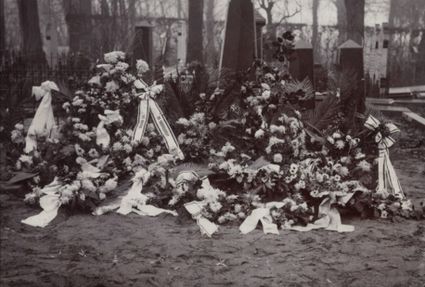
Sneek was liberated, but freedom was not yet guaranteed as German troops tried to escape via the Afsluitdijk towards Friesland. The Canadian Regiment of the Queens Own Rifles moved through Sneek to the Afsluitdijk and fiercely fought at Wons. Six Canadian soldiers were killed. They were temporarily buried at Sneek General Cemetery. In 1946, they were reburied at the Canadian Field of Honour in Holten.
Canadian guests
While waiting to return to their homeland, hundreds of Canadian soldiers were lodged with families in Sneek for about five months. On 1 June, the Perth Regiment arrived in the town, which they temporarily renamed Stratford. They were involved in the liberation of Groningen. A committee was set up to entertain the soldiers with various activities. From dances to sailing competitions and special church services.Cordial ties developed between the liberators and the people of Sneek. And sometimes more than that. For Gordon C. Compton and Atty Bouma, one could even speak of "love at first sight". When the last soldiers return home at the end of November, Gordon decided to stay in the Netherlands. On 9 May 1946, he married Atty in Sneek. Not long after, Gordon and his "war bride" left for Canada.
Several monuments in the city recall the special bond with the Canadian military, which remains very close to this day.
-
-
Village church Mitselwier
Village church Mitselwier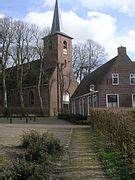
-
Bed and Breakfast Unia Zathe
Bed and Breakfast Unia Zathe