Location
65 to 96 of 415 results
-
Accommodatie Claercamp
Accommodatie Claercamp
-
Stania State Country House and Estate
Stania State Country House and Estate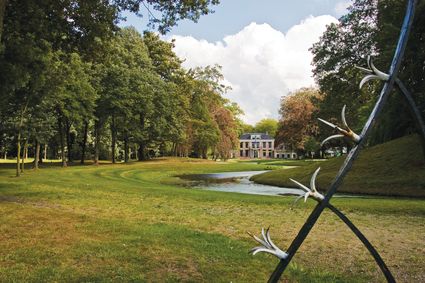
-
Hotel It Posthûs
Hotel It Posthûs
-
www.huyske.com
www.huyske.com
-
Inn Hantum
Inn Hantum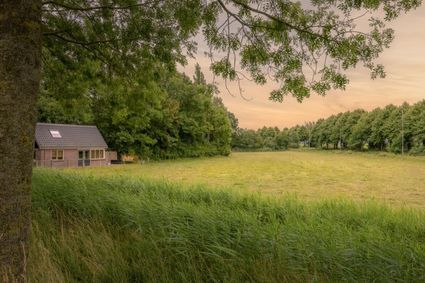
-
Holiday Park Bergumermeer
Holiday Park Bergumermeer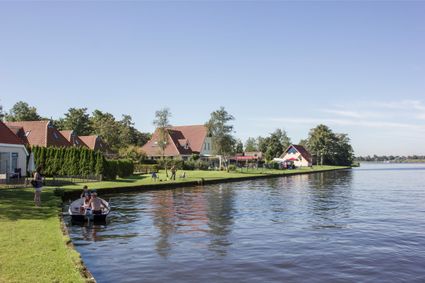
Book now
-
Camperpark It Tún-Hûs
Camperpark It Tún-Hûs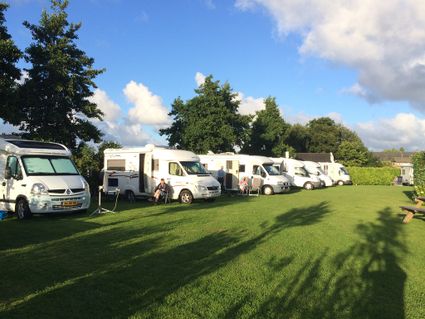
-
Greenjoy It Bûtefjild
Greenjoy It Bûtefjild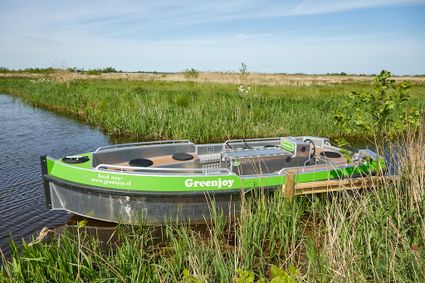
-
Pioneer of the Eleven Cities Tour, Pim Mulier
Pioneer of the Eleven Cities Tour, Pim Mulier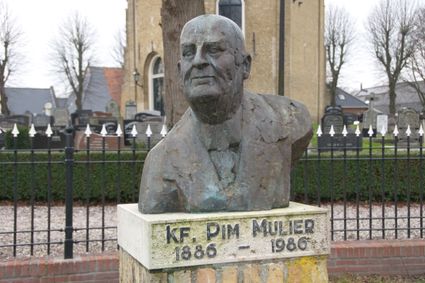
-
Koffiebar Knus
Koffiebar Knus
-
Dijk van een Wijf
Dijk van een Wijf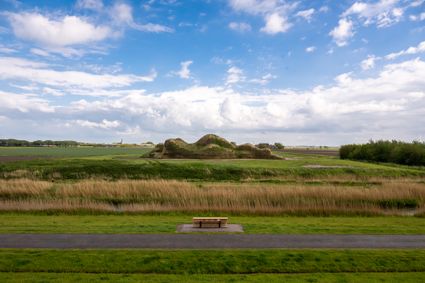
-
Museum 't Fiskershuske
Museum 't Fiskershuske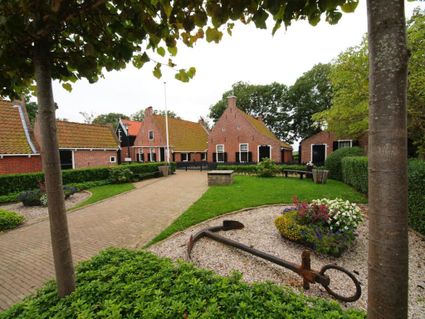
-
Thús yn Hantum
Thús yn Hantum
-
Camperplaats Lekkum
Camperplaats Lekkum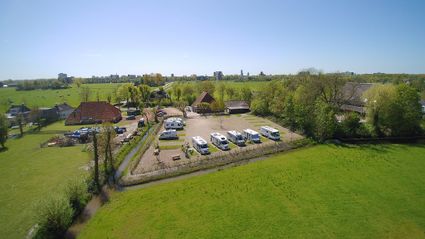
-
Opende Blotevoetenpad Barefoot Trail
Opende Blotevoetenpad Barefoot Trail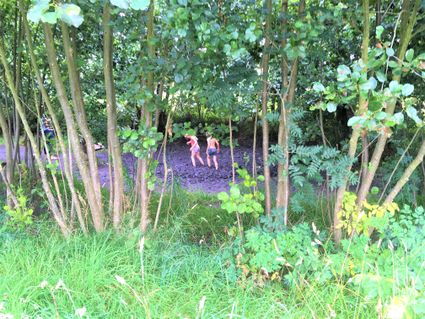
-
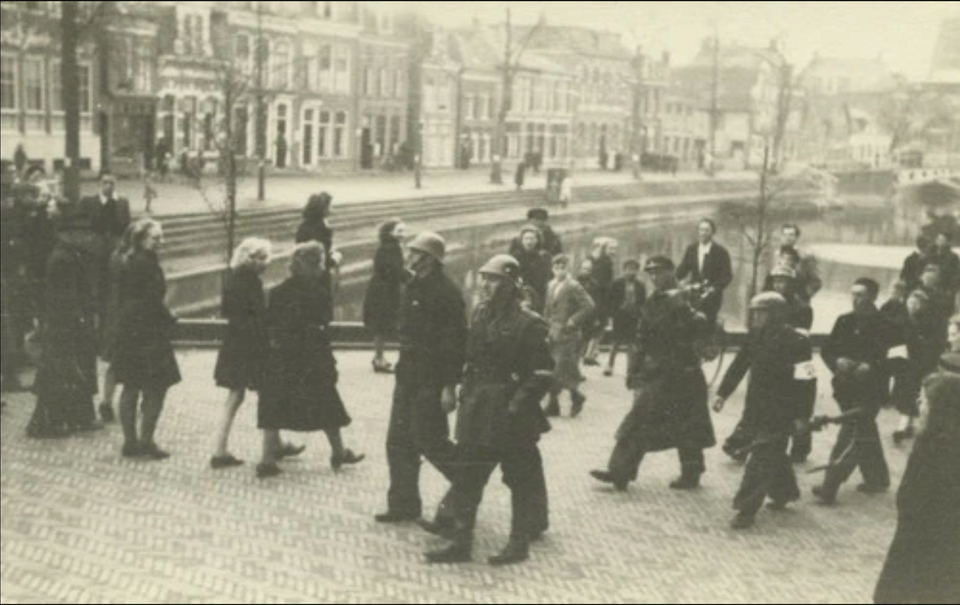
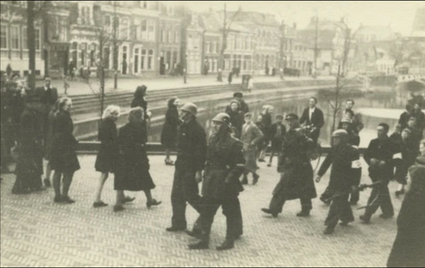
The liberation of Friesland
The liberation of Friesland
By 18 April, the whole province of Friesland had been liberated, except for the Wadden Islands. Compared to other provinces, there was little fighting in Friesland. Overall, the few thousand German troops who had been unable to escape from Friesland were defeated by the Canadians relatively quickly.
The commander of the Royal Canadian Dragoons, Lieutenant Colonel Landell, praised the actions of the resistance by stating that "Friesland liberated herself". While that may be a bit of an exaggeration, the actions of the Frisian resistance undoubtedly accelerated the liberation. And reduced the number of casualties on the Allied side.
At least 31 resistance fighters lost their lives in confrontations with German troops and their Dutch accomplices. At least eleven Canadians and one Frenchman were killed on the Allied side. Dozens of civilian victims were also killed in the fighting and shelling. The number of casualties on the German side is not known, but it is believed that the number ran into hundreds. With 320 destroyed and 4000 damaged homes and 80 destroyed bridges, Friesland was materially the least damaged province of the Netherlands.
Many German soldiers fled towards the western part of the country. The retreating German troops gathered mostly in Harlingen, Makkum and Lemmer. From there, they tried to get away by boat across the IJsselmeer or via the Afsluitdijk to North Holland. The Wadden Islands also became a refuge for collaborators and German soldiers. Here, liberation was longer in coming.
On the island of Terschelling, the last German troops were disarmed by a British artillery regiment on 29 May. Two days later, the British crossed from Terschelling to Vlieland, and the liberation of that island was also a fact. Ameland was liberated on 3 June.
Personnel from the infamous Scholtenhuis, the SD headquarters in Groningen, had entrenched themselves on Schiermonnikoog. After their departure on 31 May, there was a celebration on the island, in spite of the six hundred members of the occupying troops who still were there. Only on 11 June did the last German soldiers leave Schiermonnikoog, and then the whole province of Friesland was free.
Most Canadian units that had liberated Friesland continued the battle in Groningen and North Germany after 18 April. Their war ended on 8 May 1945, when the surrender of all German armed forces became effective.
-
-
De Babbelaar Café in Burgum
De Babbelaar Café in Burgum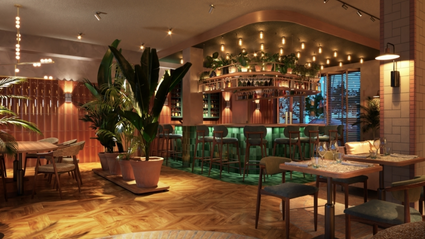
-
Dobbepaarden photo artwork
Dobbepaarden photo artwork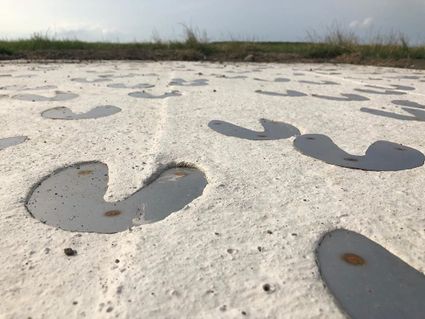
-
Het Lage Noorden
Het Lage Noorden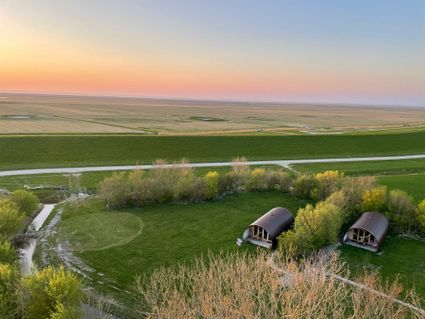
Sustainability info
-
it Dreamlân holiday homes
it Dreamlân holiday homes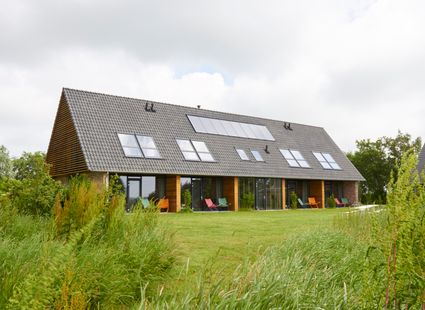
-
Eleven Cities Tour sculpture De Reedrydster
Eleven Cities Tour sculpture De Reedrydster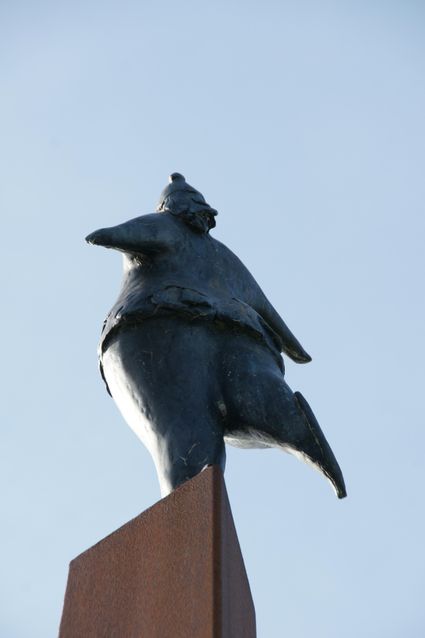
-
Boerderij de Omleiding
Boerderij de Omleiding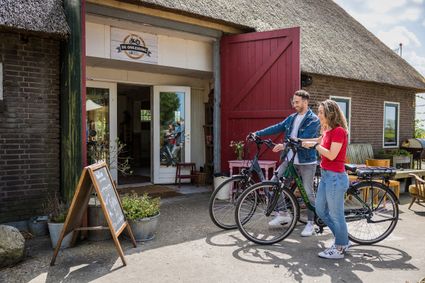
-
Holwerd
Holwerd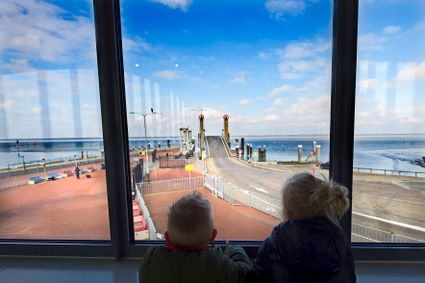
-
Galeslot
Galeslot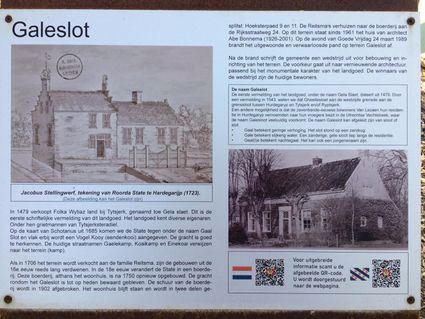
-
Kollumerwaard Hiking Trail
Kollumerwaard Hiking Trail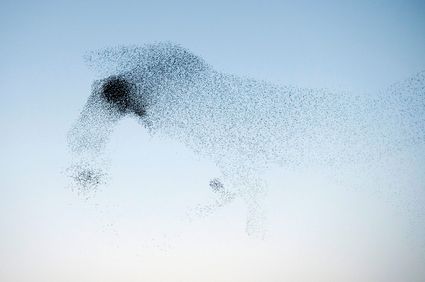
-
Church of Hiaure
Church of Hiaure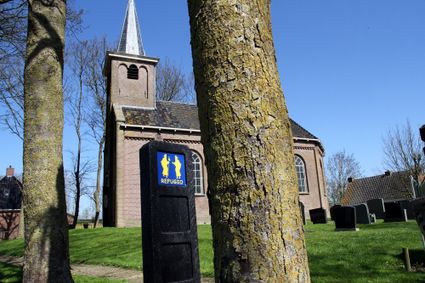
-
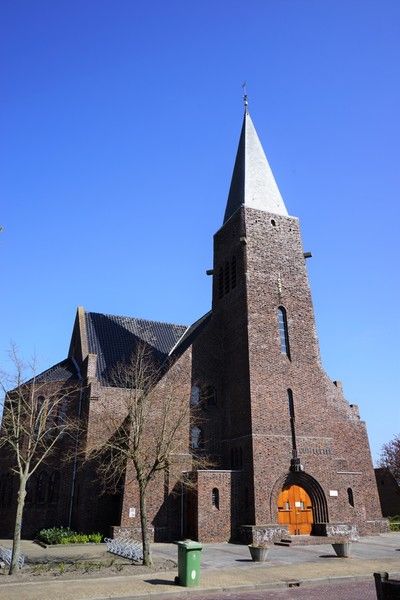
Oosterkerk
Oosterkerk
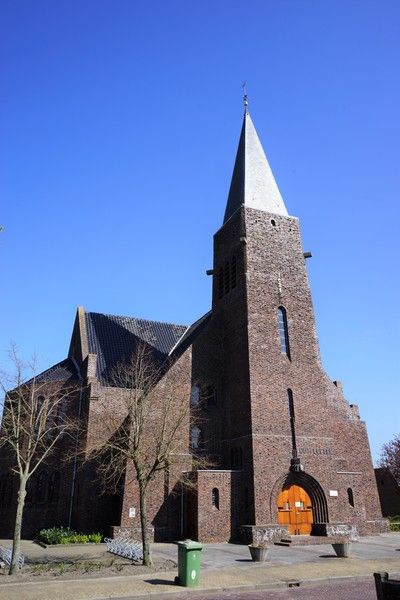
A church built in the Amsterdam School style, designed by the architect Egbert Reitsma.
Stepping inside the Oosterkerk in Kollum is a remarkable experience. Your attention is immediately drawn to the spectacular painted wooden ceiling, decorated with abstract, flowing and geometric patterns. The artwork was created by George Martens (1894–1979), a Dutch painter and graphic artist best known as a member of the Groningen artists' collective De Ploeg.
The ceiling's rich reds, ochres, blues and green accents seem almost to be in motion, creating a flowing, wave-like effect. Set against the brick walls and the church's restrained furnishings, the artwork becomes even more striking. Daylight streaming through the tall windows highlights the texture of the wood and makes the colours appear even more vibrant.
The church's architecture, designed by Egbert Reitsma—who was also a member of De Ploeg—enhances this unique experience. Its parabolic arch construction creates exceptional acoustics and a remarkable sense of space. Even the light fitting designed by Reitsma is considered a museum piece in its own right. Local tradition has it that not everyone in Kollum appreciated the lavish decoration when the church was first built. To some, it resembled a theatre or even a cinema more than a church. Today, however, the amphitheatre-shaped interior is precisely what makes a visit to the Oosterkerk so memorable.
-
-
Dokkum Ballooning
Dokkum Ballooning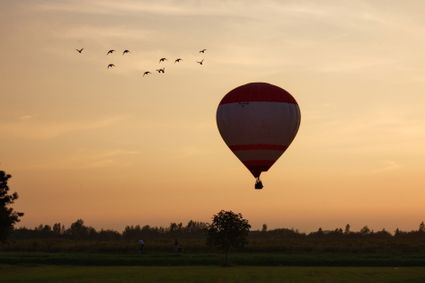
-
St Boniface Chapel
St Boniface Chapel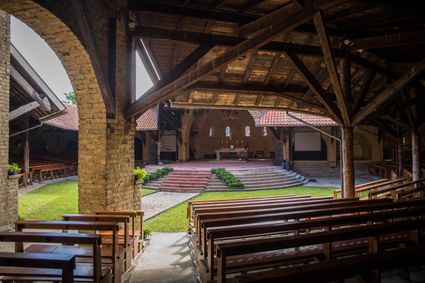
-
VVV Stavoren - Eleven Cities Stamp Point
VVV Stavoren - Eleven Cities Stamp Point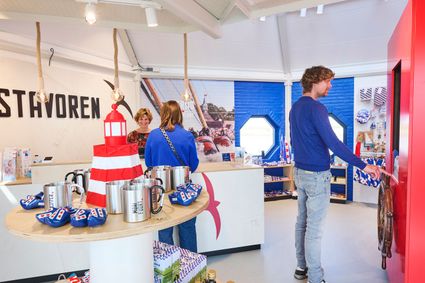
-
It Wiid Bathing Site and Water Playground
It Wiid Bathing Site and Water Playground
-
Theetuin Alie
Theetuin Alie