Location
33 to 64 of 392 results
-
De Winze Eatery & Café
De Winze Eatery & Café
-
Bed and Breakfast Unia Zathe
Bed and Breakfast Unia Zathe
-
B&B Oan't Wetter
B&B Oan't Wetter
-
Inn Hantum
Inn Hantum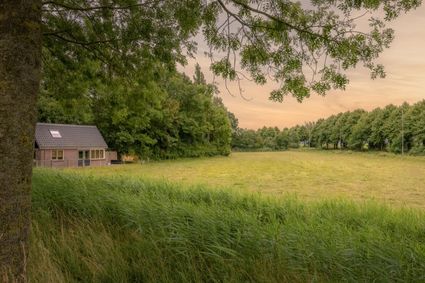
-
Greenjoy Earnewâld
Greenjoy Earnewâld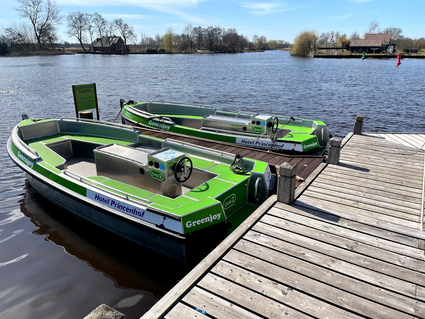
-
Eleven Cities Tour winner Karst Leemburg
Eleven Cities Tour winner Karst Leemburg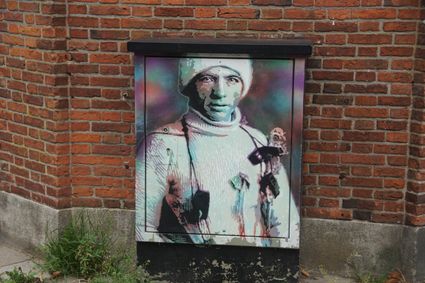
-
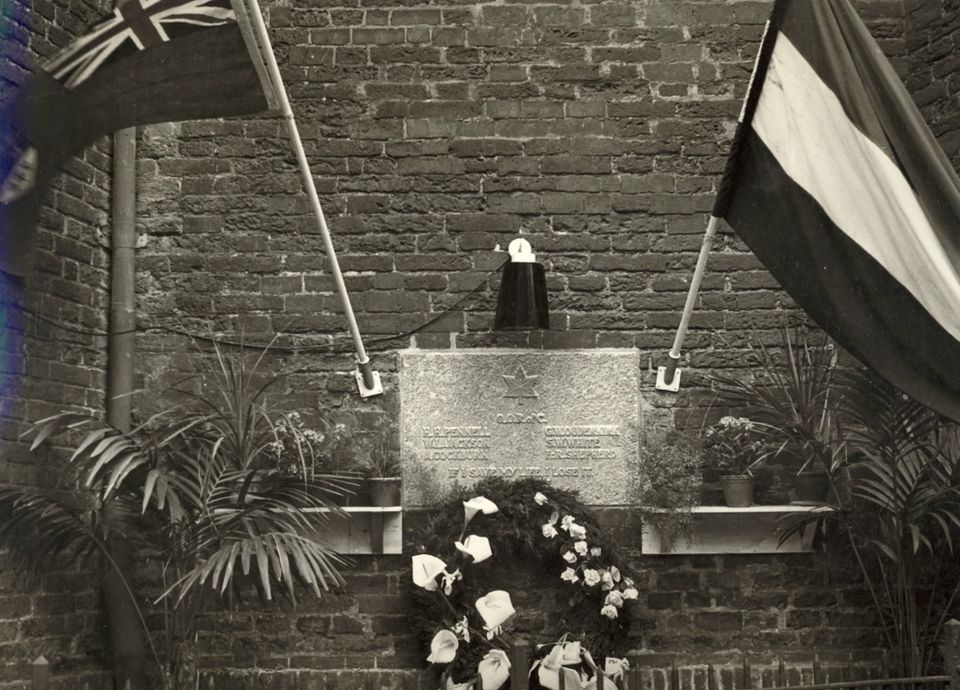
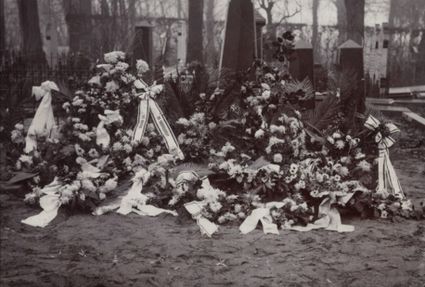
Memorial stone for Fallen Canadians
Memorial stone for Fallen Canadians
Sunday 15 April 1945, Friesland's official liberation day, was also the day Sneek welcomed the Canadian liberation forces. It had been an exciting day, and the Dutch Domestic Armed Forces (NBS) had fought quite a battle with the occupiers.
A day earlier, German troops had begun to withdraw from Sneek and the NBS had tried to hinder their retreat along the Leeuwarderweg as much as possible. Until a column of German parachute troops had entered the fray and forced the NBS to retreat.
The Waag building in the middle of the city centre was used as a weapons cache by the occupying forces during the war. To prevent it from falling into Allied hands, the fleeing troops set it on fire at around three o'clock on Sunday. Loud explosions and bangs resounded throughout the city for half an hour.
Once the enemy had left the city, the NBS operatives gathered at the HBS school for instructions and the distribution of weapons and armbands. They went into the city to round up traitors. Then, rumour had it that hundreds of German soldiers were on their way to Sneek from Lemmer. Immediately, fortifications were built at the Water gate.
Canadian units were alerted. They were now in possession of the latest defence plans for Sneek thanks to NBS intelligence and were advancing from Joure towards the town.
In the evening around half past seven, the first patrol of the Canadian infantry battalion Le régiment De La Chaudière rode into town with flame-throwers and machine guns. The German troops stayed away, and the full Canadian battalion followed.
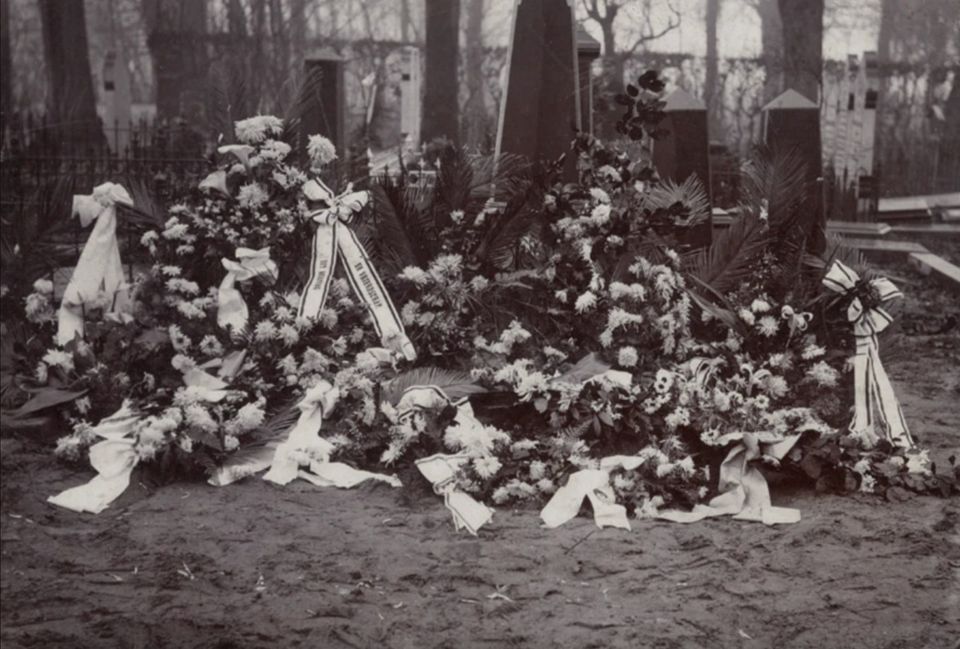
Sneek was liberated, but freedom was not yet guaranteed as German troops tried to escape via the Afsluitdijk towards Friesland. The Canadian Regiment of the Queens Own Rifles moved through Sneek to the Afsluitdijk and fiercely fought at Wons. Six Canadian soldiers were killed. They were temporarily buried at Sneek General Cemetery. In 1946, they were reburied at the Canadian Field of Honour in Holten.
Canadian guests
While waiting to return to their homeland, hundreds of Canadian soldiers were lodged with families in Sneek for about five months. On 1 June, the Perth Regiment arrived in the town, which they temporarily renamed Stratford. They were involved in the liberation of Groningen. A committee was set up to entertain the soldiers with various activities. From dances to sailing competitions and special church services.Cordial ties developed between the liberators and the people of Sneek. And sometimes more than that. For Gordon C. Compton and Atty Bouma, one could even speak of "love at first sight". When the last soldiers return home at the end of November, Gordon decided to stay in the Netherlands. On 9 May 1946, he married Atty in Sneek. Not long after, Gordon and his "war bride" left for Canada.
Several monuments in the city recall the special bond with the Canadian military, which remains very close to this day.
-
-
Former home-work house ir. Abe Bonnema
Former home-work house ir. Abe Bonnema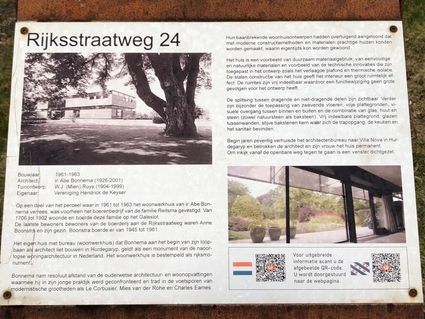
-
Schreiershoek recreation and vacation park
Schreiershoek recreation and vacation park
-
Church of Ryptsjerk
Church of Ryptsjerk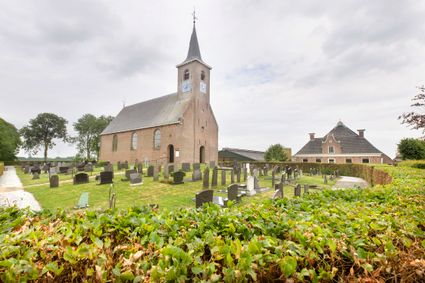
-
Farm next to the church
Farm next to the church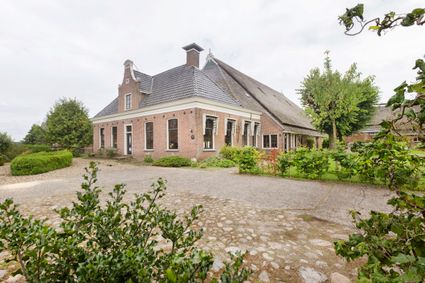
-
Sneek (Snits)
Sneek (Snits)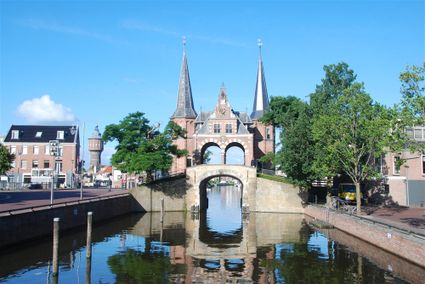
-
Brasserie Om de dobben
Brasserie Om de dobben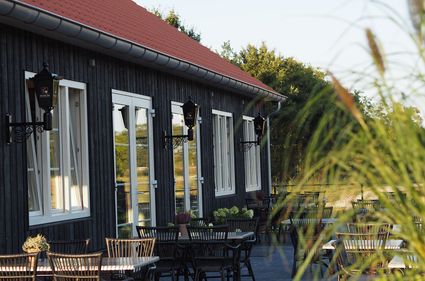
-
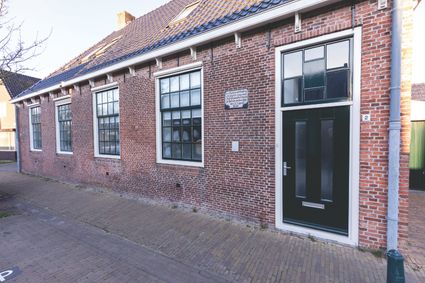
Former Infant School
Former Infant School
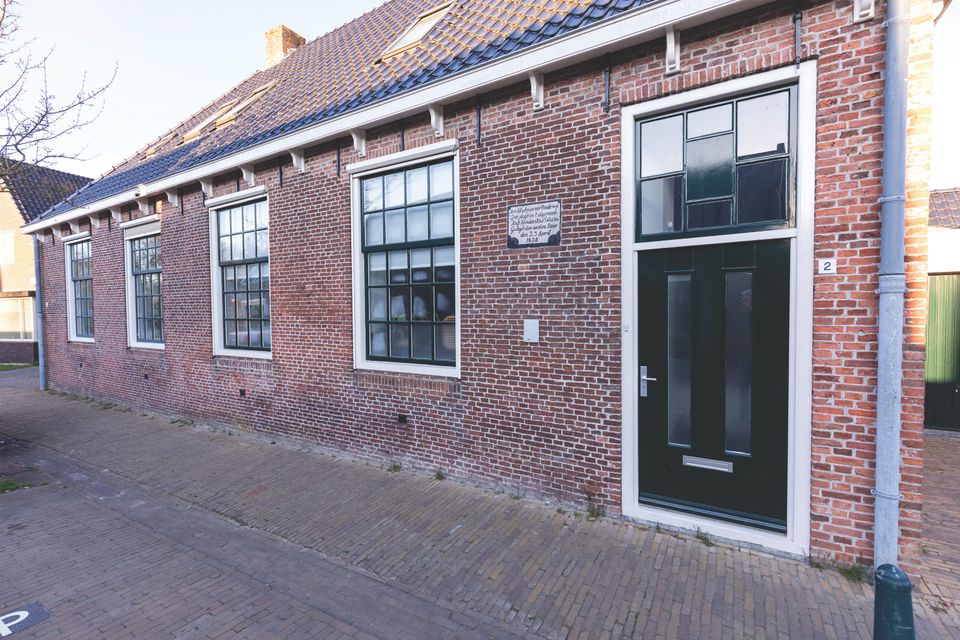
At the intersection of Voorstraat and Meester Andreaestraat stands the former bewaarschool, or infant school. A bewaarschool was a form of pre-school education in the Netherlands and Belgium during the 19th and early 20th centuries.
The infant school was intended for children between the ages of about three and six, before they entered primary school. The Dutch name literally means a place where children were “looked after” while their parents were at work. In practice, they received basic education, learning skills such as listening, counting, and playing together under supervision. The bewaarschool is regarded as the forerunner of today's daycare centres and preschool programmes.
The infant school in Kollum dates from 1828 and is located on the eastern side of the village. At that time, just as on the western side of Voorstraat, the area around the school was home to many small businesses and craftspeople. There was a farmer with a small slaughterhouse, carpenters lived and worked here, and there was a combined butcher's shop and livestock business, as well as a steam-powered grain mill with an animal feed business. The neighbourhood also included a small wholesale dealer in butter, cheese and buttermilk supplied by the factory at Dokkumer Nieuwezijlen, a liquor store, a blacksmith's workshop and a tailor's shop. On the opposite side of the street from the infant school stood a grocery store and a cigar shop.
-
-
Hindeloopen (Hylpen)
Hindeloopen (Hylpen)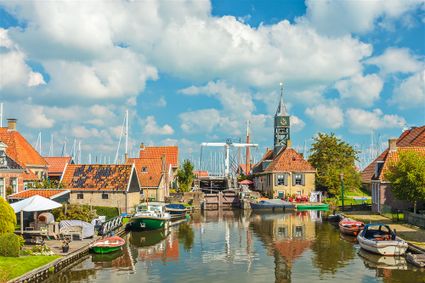
-
The lock at Iezumasyl
The lock at Iezumasyl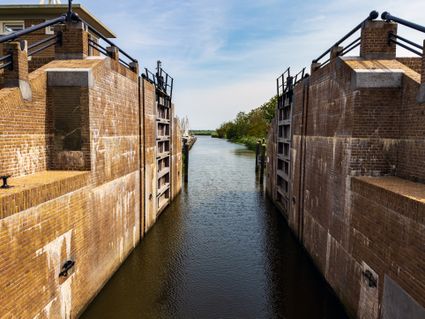
-
TOP Earnewâld
TOP Earnewâld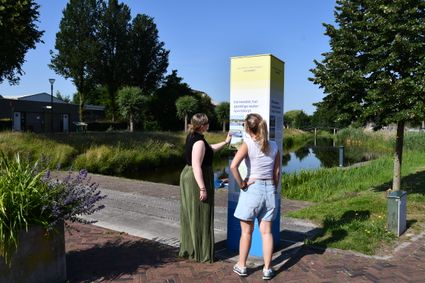
-
BinnenInn 12-Person House
BinnenInn 12-Person House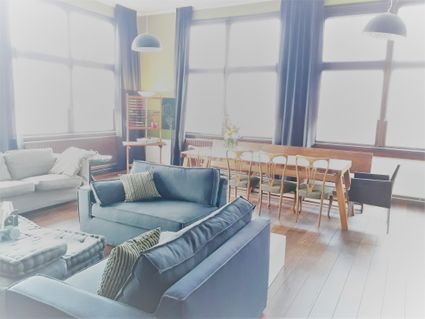
-
Camper site Dokkum
Camper site Dokkum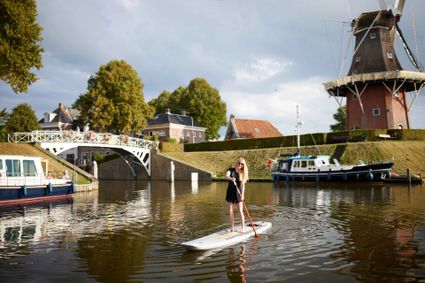
-
To B or not to B
To B or not to B
-
Nicholas Church Hantum
Nicholas Church Hantum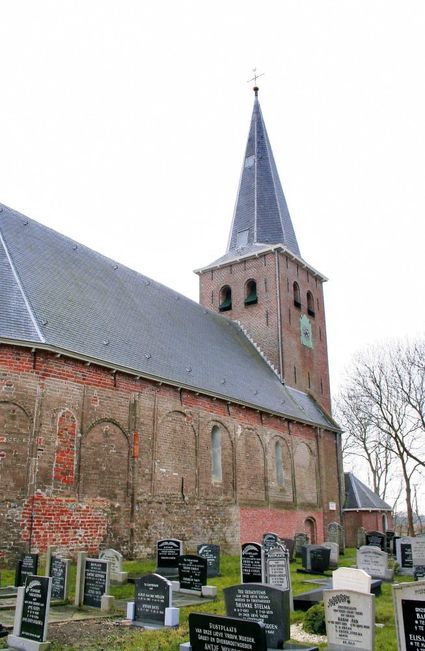
-
Stania State Country House and Estate
Stania State Country House and Estate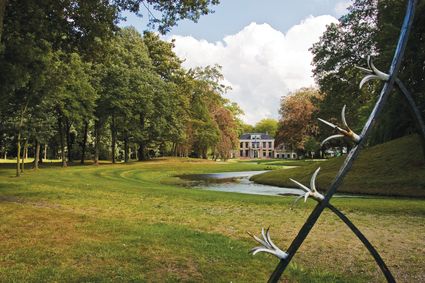
-
St. Anthony's Church Paesens
St. Anthony's Church Paesens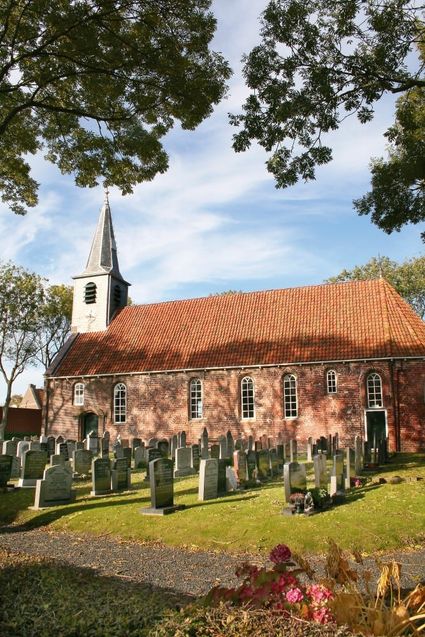
-
St Boniface Chapel
St Boniface Chapel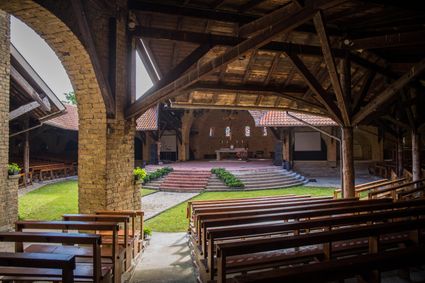
-
Hotel Restaurant Princenhof
Hotel Restaurant Princenhof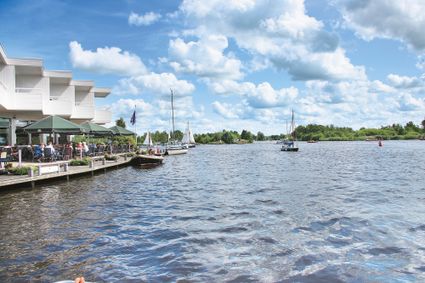
-
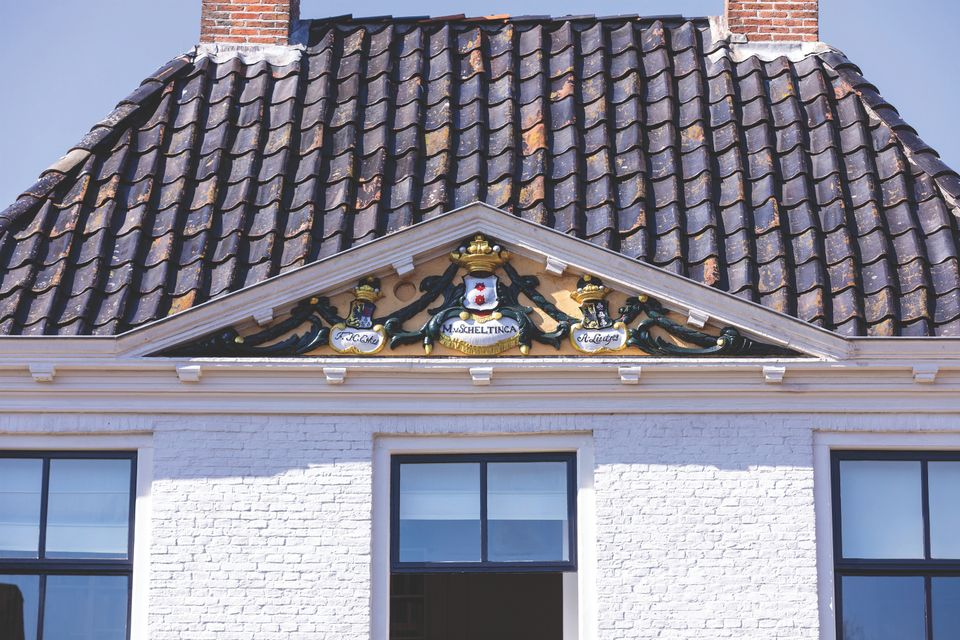
The Former Weigh House
The Former Weigh House
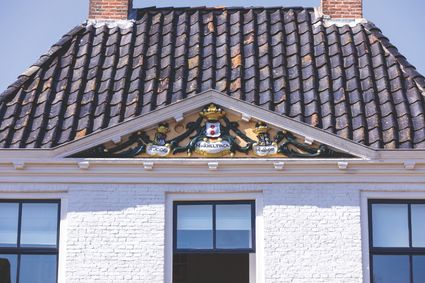
A look at old photographs reveals that the building looks even more attractive today than its predecessor. The people of Kollum have taken good care of this historic landmark. The weigh house was a public building where goods could be officially weighed. Its presence was particularly important for trade in butter and cheese.
A public weigh house in Kollum is first mentioned in the 16th century. That original building stood next to the Rechthuis (courthouse). In 1779, a new weigh house was built here on the Westerdiepswal, at the heart of the bustling waterfront. The wide entrance to the former weighing hall, where two weighing scales were once installed, can still be clearly recognised in the façade.
The pediment above the façade bears the coats of arms and names, added in 1779, of grietman (district magistrate) Martinus van Scheltinga, his deputy Focke Hijlckes Eskes, and Albert Luitjens, who served together with Eskes as church warden. The building was owned by the Dutch Reformed Church, which leased out the weigh house. In 1871 it was sold to a private owner, after which an official weighmaster appointed by the municipality supervised its operation. With the rise of the dairy industry in Friesland, the weigh house gradually lost its function. In 1895, the building was converted into a private residence.
-
-
Mill de Swarte Prinsch
Mill de Swarte Prinsch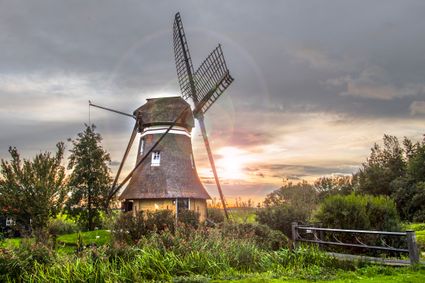
-
Firdgum (Furdgum)
Firdgum (Furdgum)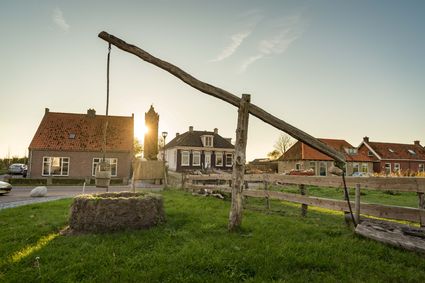
-
KB Food & Drinks
KB Food & Drinks
-
The Eleven Cities skater and Wall of Fame
The Eleven Cities skater and Wall of Fame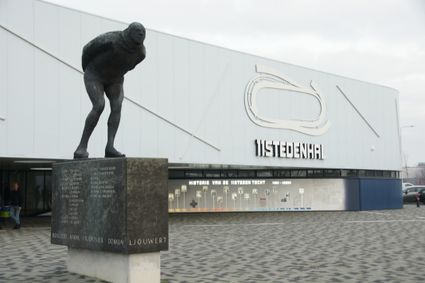
-
St. Boniface's Church Damwâld
St. Boniface's Church Damwâld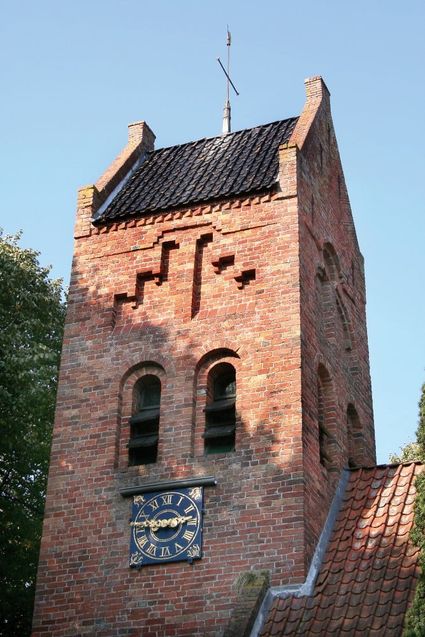
-
Hotel Café 't Dûke Lûk
Hotel Café 't Dûke Lûk