Location
257 to 288 of 391 results
-
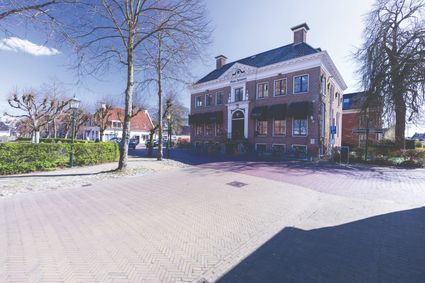
Sytzama House
Sytzama House
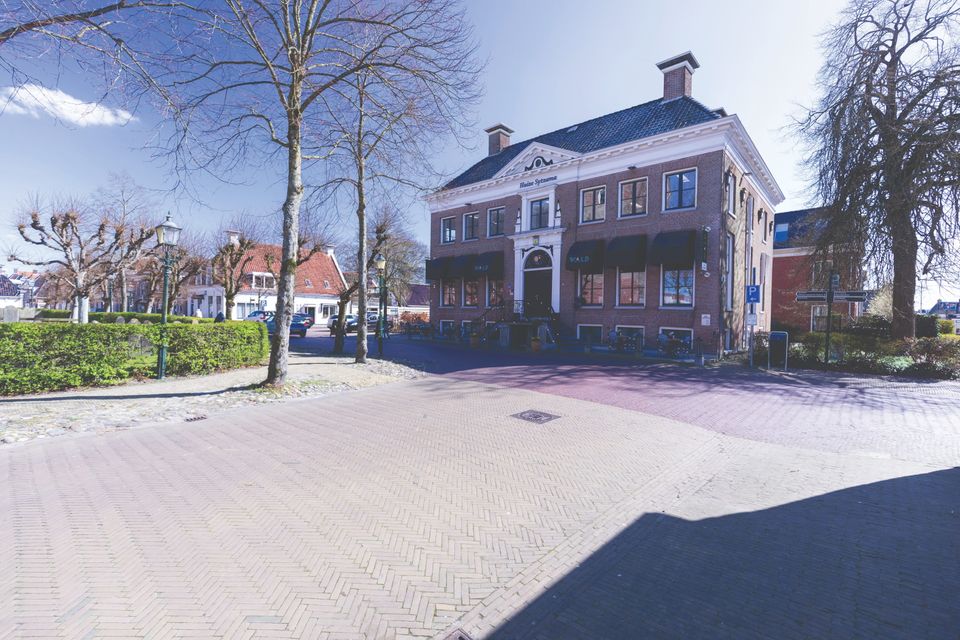
What is now a grand café has a history closely connected with local government, the Second World War, and Baron Willem van Sytzama, the building's first owner, after whom it is named.
In Van Sytzama's time, there were very few buildings nearby. Instead, a large landscaped garden with extensive ponds stretched out behind the house. Baron Willem van Sytzama believed he was happily married to Cecilia van Heemskerk, but she left him for another man. Although the baron took legal action in an attempt to prevent the separation, he was unsuccessful. She never returned, and he never remarried. In later years, however, the building served as Kollum's town hall, where hundreds of marriages were celebrated.
During the Second World War, Mayor Gerben Feitsma was sworn into office in this building. The ceremony took place with prominent displays of flags and the Nazi salute. For that reason, Feitsma is often described as an NSB (Dutch National Socialist Movement) mayor. At the same time, there is evidence that he occasionally helped prevent residents of Kollum from being sent to Germany for forced labour by employing them on his farm. Because of his wartime record, his name is not always included in historical accounts.
His brother, Jan Feitsma, became notorious for a different reason. As Prosecutor General, he ordered signs reading "Jews Forbidden" to be displayed throughout the occupied Netherlands. The policy caused considerable controversy in Kollum during the war. The local tennis club preferred to close its courts rather than display such a sign. In early 1945, Jan Feitsma was shot dead by members of the Dutch Resistance. His funeral in Kollum was attended by numerous members of the SS.
-
-
Dobben Hurdegarypsterwarren Nature Reserve
Dobben Hurdegarypsterwarren Nature Reserve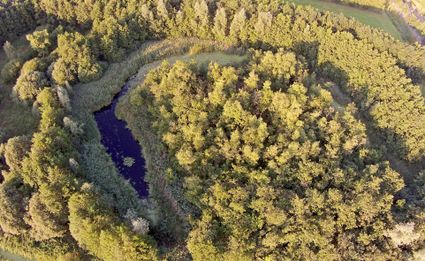
-
Old Town Hall in Dokkum
Old Town Hall in Dokkum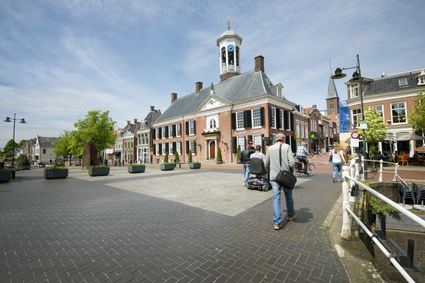
-
Artwork Maarten van der Weijden
Artwork Maarten van der Weijden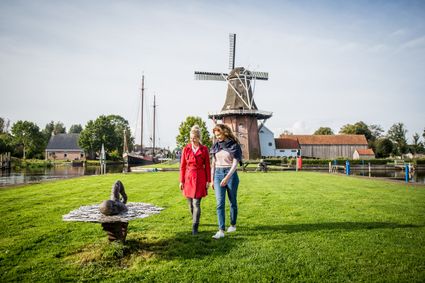
-
SurfSpot Lauwersmeer - Oostmahorn
SurfSpot Lauwersmeer - Oostmahorn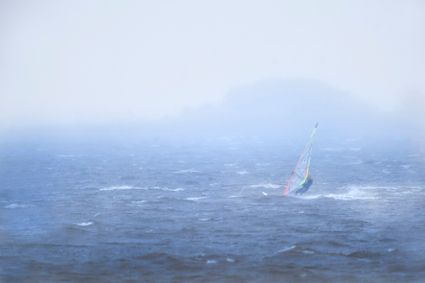
-
Former Post Office Kollum
Former Post Office Kollum
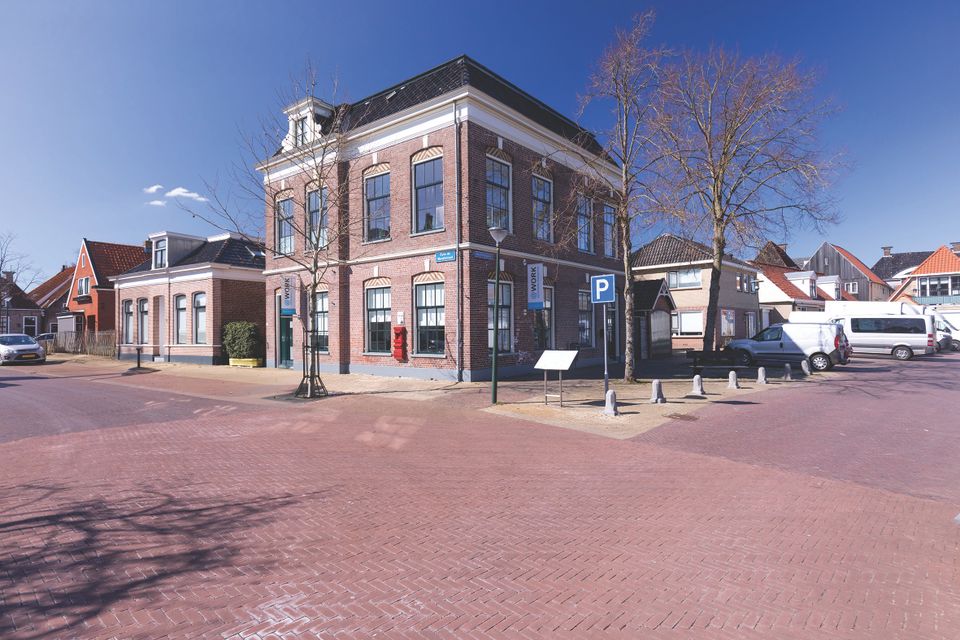
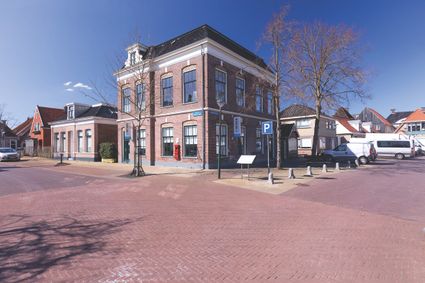
Although this building is now home to a business, it is well worth taking a look inside this former post office.
Those who look closely can still spot the remains of the old post office within the current premises. The original wooden service counters have been preserved, while the bright red PTT letterbox outside is a reminder of days gone by.
Today it is hard to imagine, but for centuries the postal service was one of the most important means of communication. This main post office was built in 1888 for that purpose. It is one of the few post offices constructed after 1883 that was not designed by the Government Architect for the Northern Netherlands, C. H. Peters, but most likely by the municipal architect H. A. Zondag. The municipality leased the building to the national government. The post office occupied the ground floor, while the postmaster lived upstairs. Following a renovation in 1908, the telegraph and telephone services were also housed here. The post office remained in use until the end of 1972.
-
-
De Houtwiel Nature Reserve
De Houtwiel Nature Reserve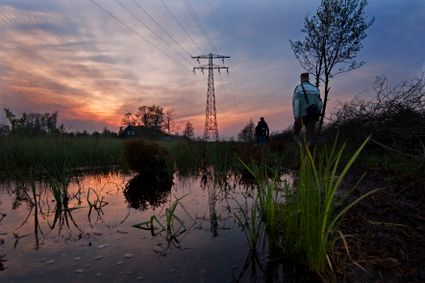
-
Zwagermieden Nature Reserve
Zwagermieden Nature Reserve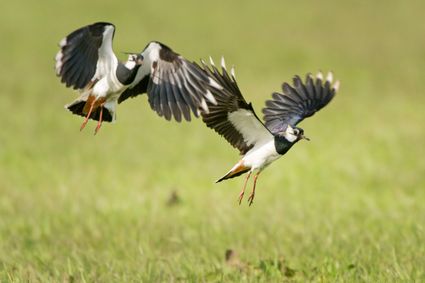
-
Viewpoint De Zoutkegel
Viewpoint De Zoutkegel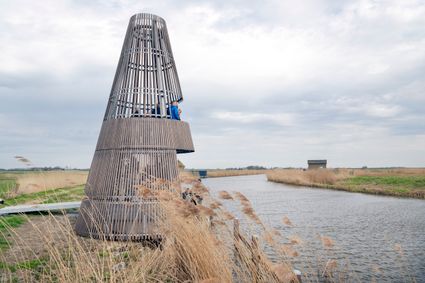
-
It Wikelslân Nature Reserve at De Alde Feanen National Park
It Wikelslân Nature Reserve at De Alde Feanen National Park
-
Boutique Hotel Dokkum
Boutique Hotel Dokkum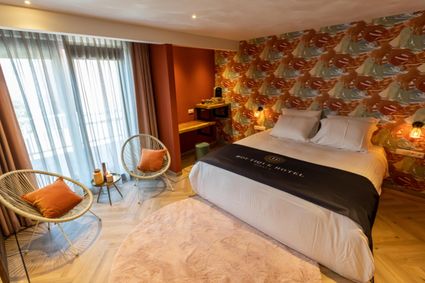
-
De Bolstienpleats
De Bolstienpleats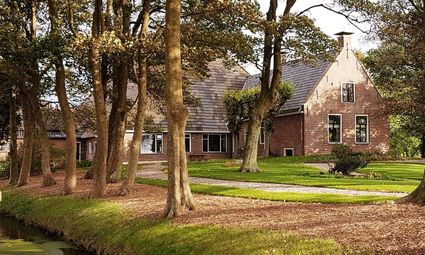
-
Fyftjin en Fierder
Fyftjin en Fierder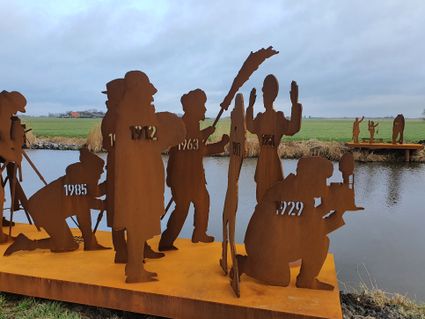
-
Stavoren (Starum)
Stavoren (Starum)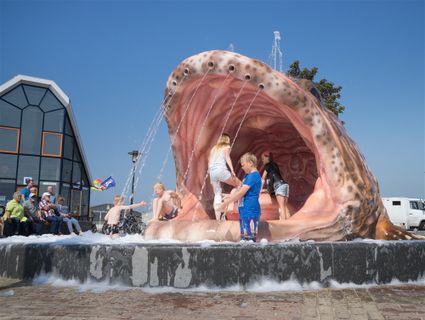
-
Buitenpost (Bûtenpost)
Buitenpost (Bûtenpost)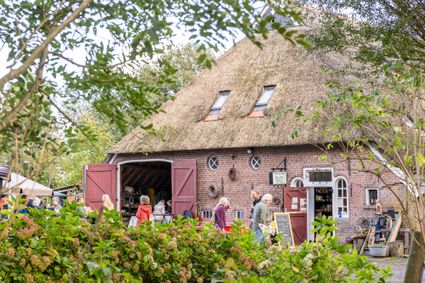
-
Village church Mitselwier
Village church Mitselwier
-
Eleven Cities Tour sculpture De Reedrydster
Eleven Cities Tour sculpture De Reedrydster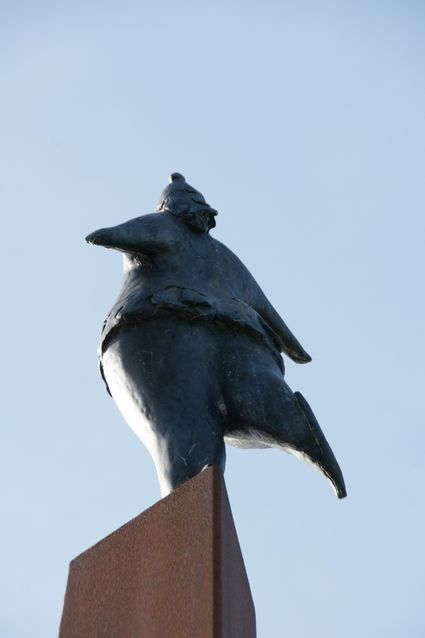
-
AquaZoo Leeuwarden
AquaZoo Leeuwarden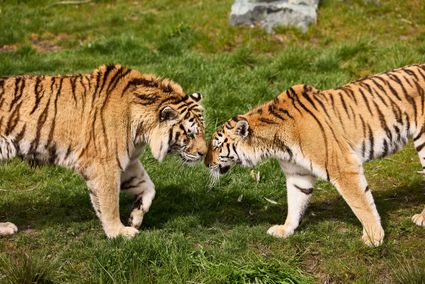
Direct boekbaar
-
Village Garden Snakkerburen
Village Garden Snakkerburen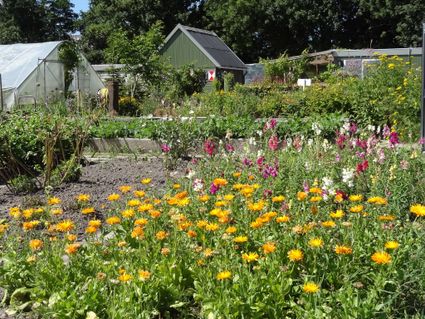
-
The Former Dairy Factory in Trynwâlden
The Former Dairy Factory in Trynwâlden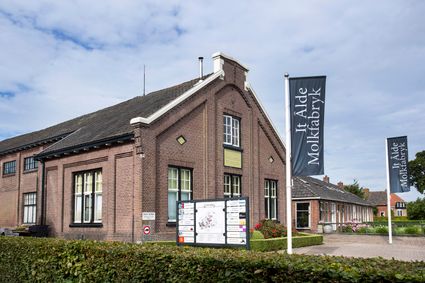
-
Lanterfanter
Lanterfanter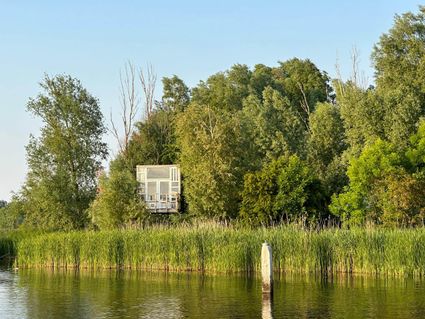
-
Museum 't Fiskershuske
Museum 't Fiskershuske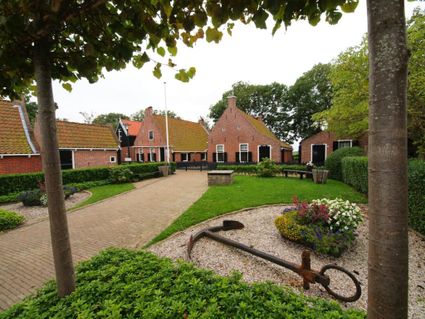
-
Opende Blotevoetenpad Barefoot Trail
Opende Blotevoetenpad Barefoot Trail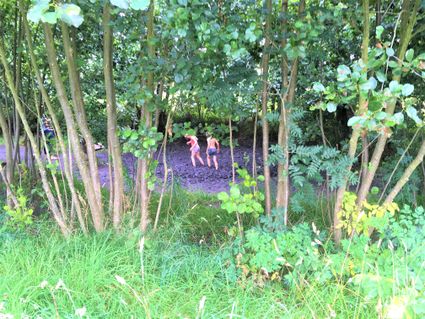
-
It Lytse Slot Manor
It Lytse Slot Manor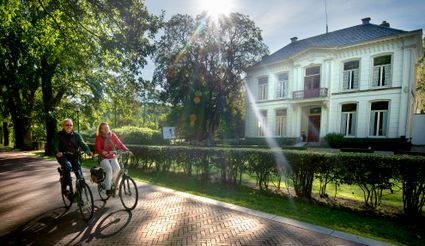
-
Strandheem Lake and Leisure Park
Strandheem Lake and Leisure Park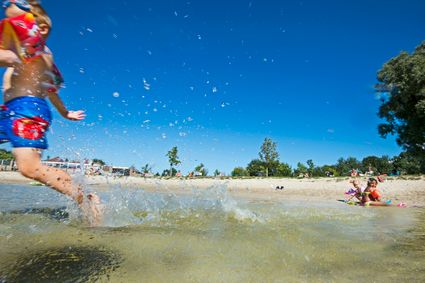
-
Café-Restaurant ’t Raedhûs
Café-Restaurant ’t Raedhûs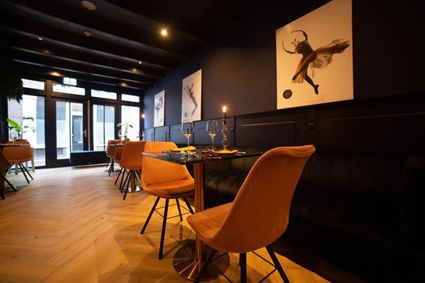
-
Camper site Dokkum
Camper site Dokkum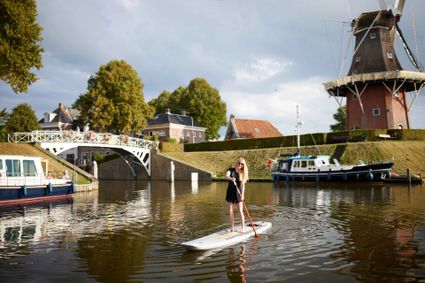
-
Waddensea fishtours and Workshops 't Ailand
Waddensea fishtours and Workshops 't Ailand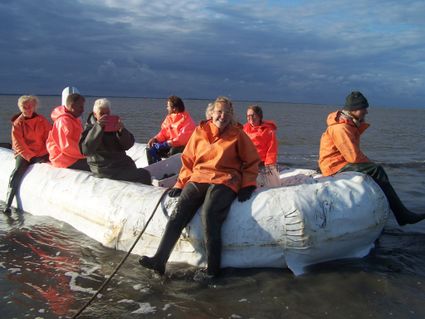

-
Beaches Nieuwe Robbengat
Beaches Nieuwe Robbengat
-
Elfstedentocht Turning Point - Dokkum
Elfstedentocht Turning Point - Dokkum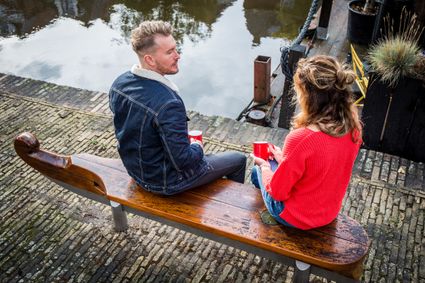
-
B&B De Hoffstee
B&B De Hoffstee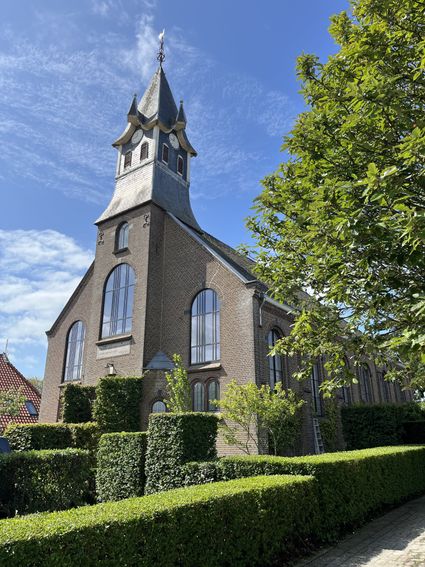
-
Kerk Hegebeintum
Kerk Hegebeintum