Location
65 to 96 of 391 results
-
Koopmansbosje
Koopmansbosje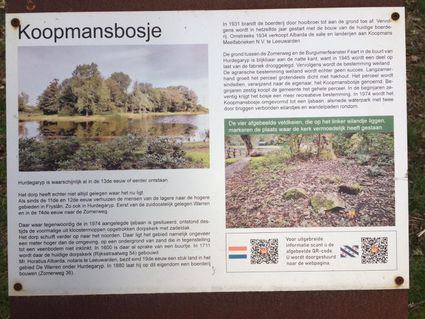
-
Camping de Veldboom
Camping de Veldboom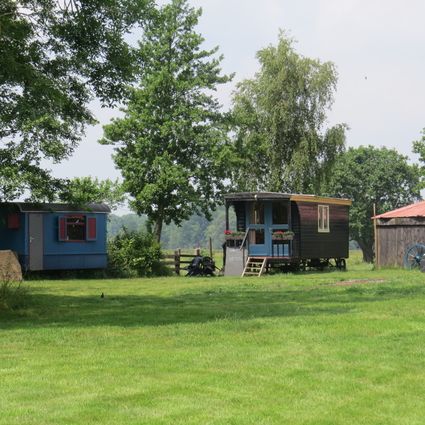
-
Veenwouden (Feanwâlden)
Veenwouden (Feanwâlden)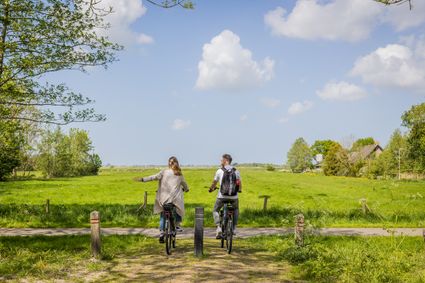
-
Viewpoint De Zoutkegel
Viewpoint De Zoutkegel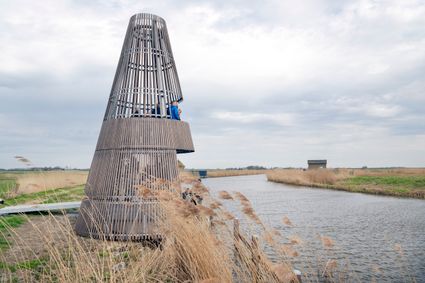
-
Oan 'e Dyk
Oan 'e Dyk
-
Happynes.nl
Happynes.nl
-
The WasWadpad
The WasWadpad
-
Marina Gytsjerk
Marina Gytsjerk
-
Natuurlijk Kollumeroord Groepsaccommodatie De Vlinderbalg
Natuurlijk Kollumeroord Groepsaccommodatie De Vlinderbalg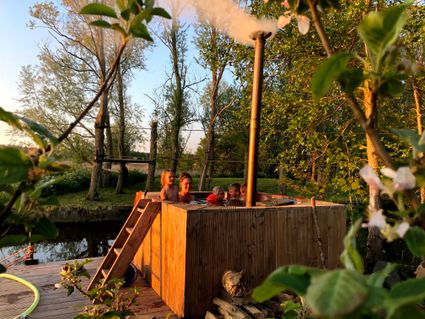
-
Hotel Restaurant Princenhof
Hotel Restaurant Princenhof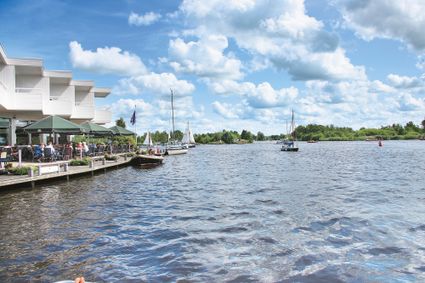
-
In De Wij
In De Wij
-
St. Vitus Church Wyns
St. Vitus Church Wyns
-
Cultural and Historical Centre De Schierstins
Cultural and Historical Centre De Schierstins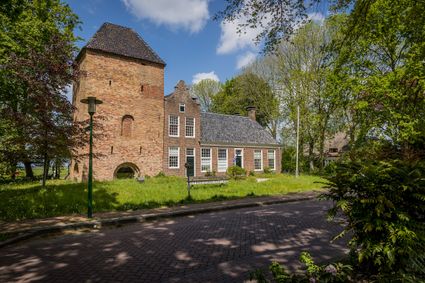
-
De Groote Wielen
De Groote Wielen
-
Saint Martin's Church Gytsjerk
Saint Martin's Church Gytsjerk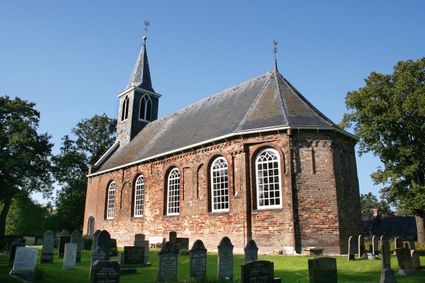
-
Leeuwarden (Ljouwert)
Leeuwarden (Ljouwert)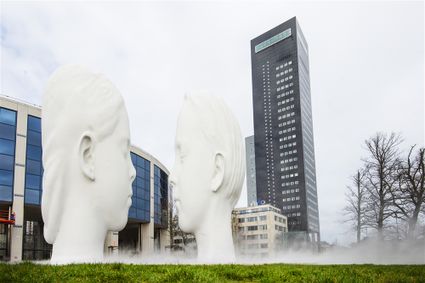
-
Copini Buitensport
Copini Buitensport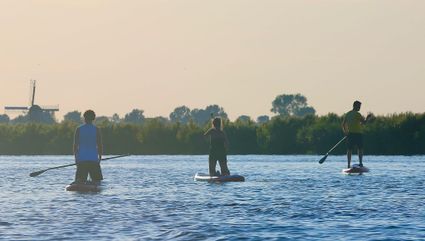
-
Hindeloopen (Hylpen)
Hindeloopen (Hylpen)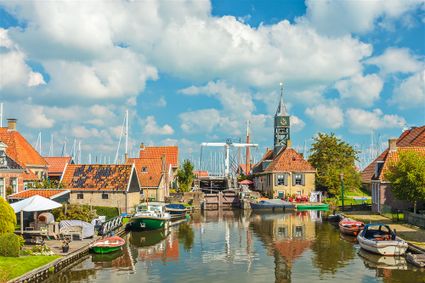
-
Holiday Cottage It Koaiûs
Holiday Cottage It Koaiûs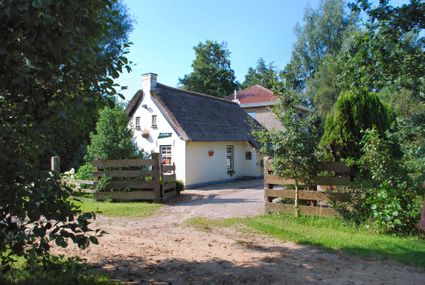
-
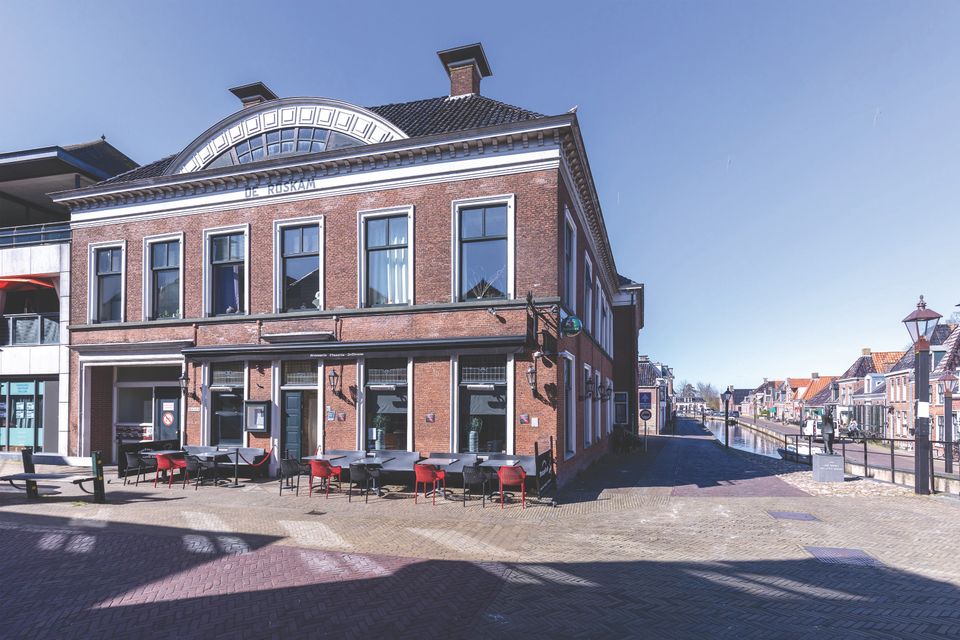
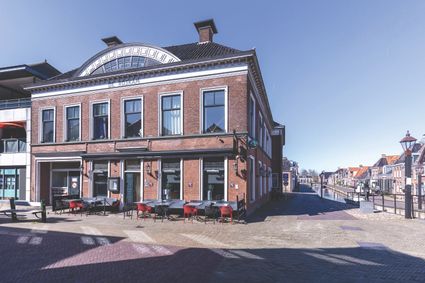
De Roskam
De Roskam
There was a time when Kollum boasted no fewer than sixteen establishments, ranging from pubs and cafés to inns and lodging houses. De Roskam has always been one of them.
Those who remember Kollum in the last century may still picture the signboard of landlord Bonne Hof: a stout little man in swimming trunks with bright red cheeks. According to local tradition, Bonne Hof gathered the sweet flag plants used in his own homemade Kalmus Berenburg from the nearby Alde Swimmer. During the 1950s, Kollum Berenburg was a popular local drink. Another story concerns his father, Sietse Jan, whose croquettes were said to be so delicious that people travelled all the way from Groningen and Leeuwarden to taste them.
Many more colourful stories surround De Roskam. During a German raid in the Second World War, the notary Wassenberg is said to have hidden in the attic, only to crash through the ceiling while still sitting on his chair. Another tale dates from 1952, when the chauffeur of the King's Commissioner, Linthorst Homan, misplaced his cap after spending the night at De Roskam. At first, it was considered a major scandal, and the cap was thought to have been stolen. The commissioner left Kollum in great anger. In the end, however, the cap was simply found and carefully returned by courier by the people of Kollum.
-
-
Campground Achterom
Campground Achterom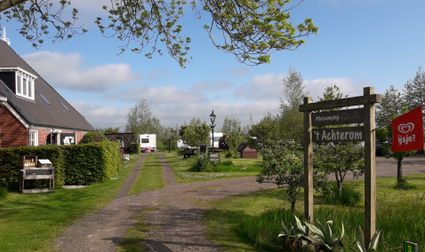
-
Veenkloosterbos Forest on Fogelsangh State Country Estate
Veenkloosterbos Forest on Fogelsangh State Country Estate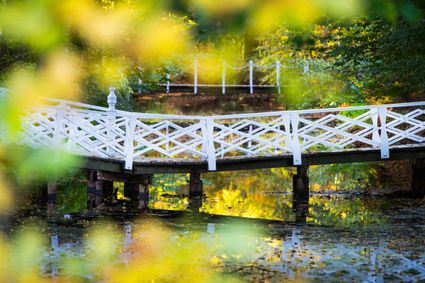
-
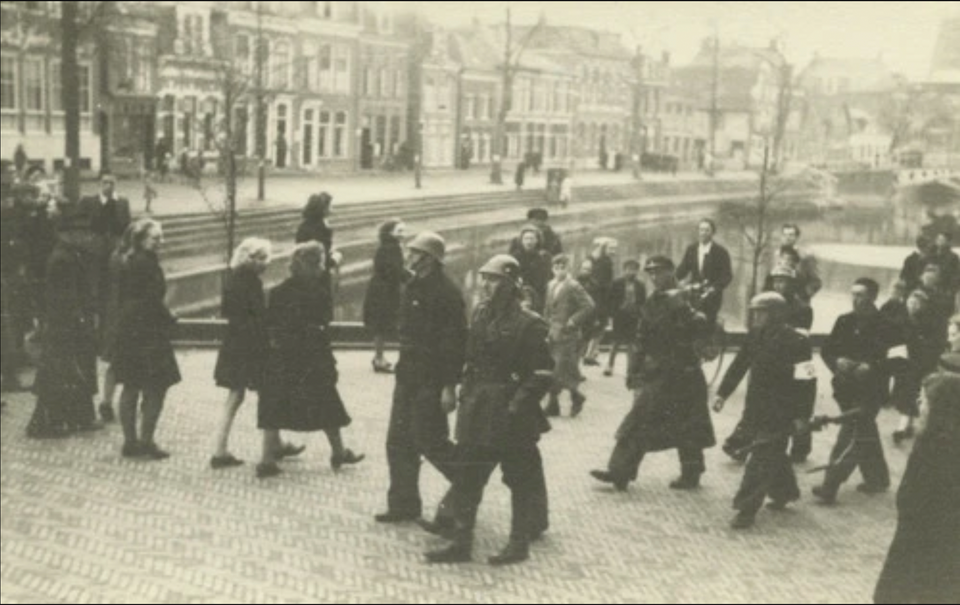
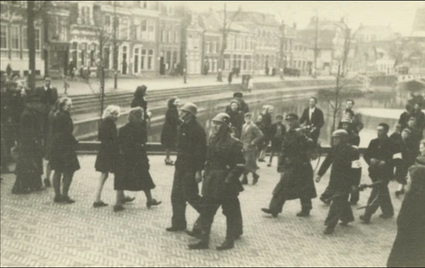
The liberation of Friesland
The liberation of Friesland
By 18 April, the whole province of Friesland had been liberated, except for the Wadden Islands. Compared to other provinces, there was little fighting in Friesland. Overall, the few thousand German troops who had been unable to escape from Friesland were defeated by the Canadians relatively quickly.
The commander of the Royal Canadian Dragoons, Lieutenant Colonel Landell, praised the actions of the resistance by stating that "Friesland liberated herself". While that may be a bit of an exaggeration, the actions of the Frisian resistance undoubtedly accelerated the liberation. And reduced the number of casualties on the Allied side.
At least 31 resistance fighters lost their lives in confrontations with German troops and their Dutch accomplices. At least eleven Canadians and one Frenchman were killed on the Allied side. Dozens of civilian victims were also killed in the fighting and shelling. The number of casualties on the German side is not known, but it is believed that the number ran into hundreds. With 320 destroyed and 4000 damaged homes and 80 destroyed bridges, Friesland was materially the least damaged province of the Netherlands.
Many German soldiers fled towards the western part of the country. The retreating German troops gathered mostly in Harlingen, Makkum and Lemmer. From there, they tried to get away by boat across the IJsselmeer or via the Afsluitdijk to North Holland. The Wadden Islands also became a refuge for collaborators and German soldiers. Here, liberation was longer in coming.
On the island of Terschelling, the last German troops were disarmed by a British artillery regiment on 29 May. Two days later, the British crossed from Terschelling to Vlieland, and the liberation of that island was also a fact. Ameland was liberated on 3 June.
Personnel from the infamous Scholtenhuis, the SD headquarters in Groningen, had entrenched themselves on Schiermonnikoog. After their departure on 31 May, there was a celebration on the island, in spite of the six hundred members of the occupying troops who still were there. Only on 11 June did the last German soldiers leave Schiermonnikoog, and then the whole province of Friesland was free.
Most Canadian units that had liberated Friesland continued the battle in Groningen and North Germany after 18 April. Their war ended on 8 May 1945, when the surrender of all German armed forces became effective.
-
-
Mill de Swarte Prinsch
Mill de Swarte Prinsch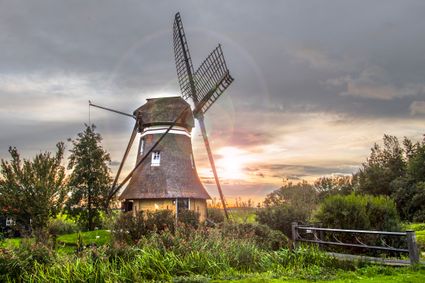
-
De Leijen Nature Reserve
De Leijen Nature Reserve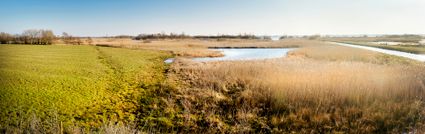
-
Clog museum
Clog museum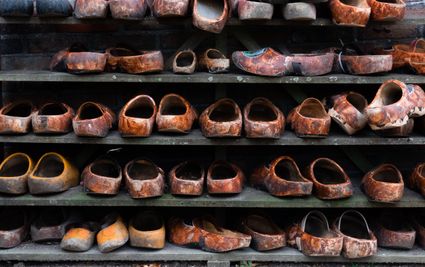
-
De Ferbining
De Ferbining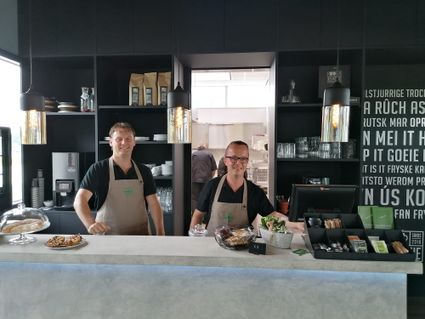
-
Eleven Cities Tour sculpture Aukje in Stavoren
Eleven Cities Tour sculpture Aukje in Stavoren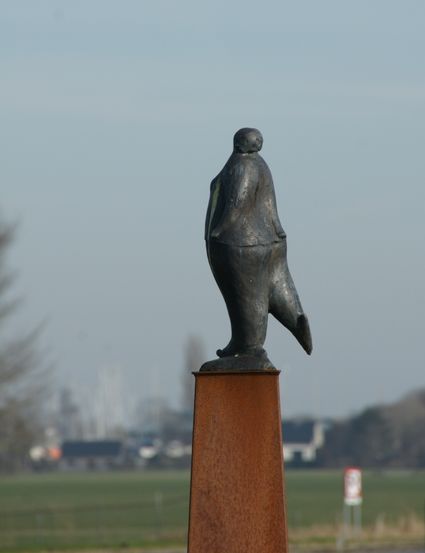
-
Regional Walkway Noardlike Fryske Wâlden
Regional Walkway Noardlike Fryske Wâlden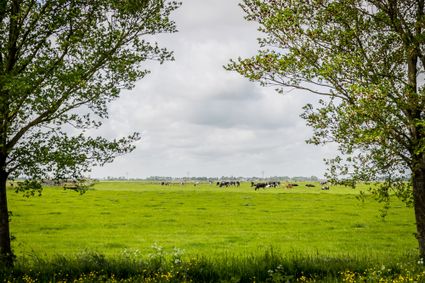
-
National Park 'De Alde Feanen'
National Park 'De Alde Feanen'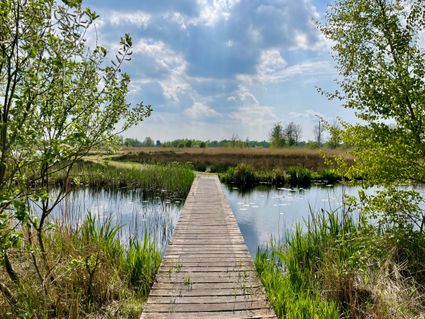
-
Eleven Cities Tour sculpture Aukje in Harlingen
Eleven Cities Tour sculpture Aukje in Harlingen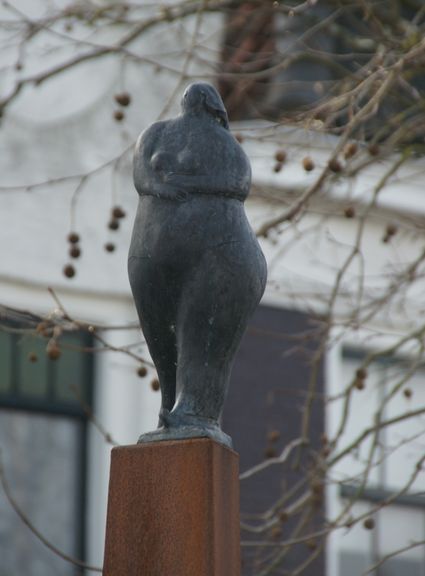
-
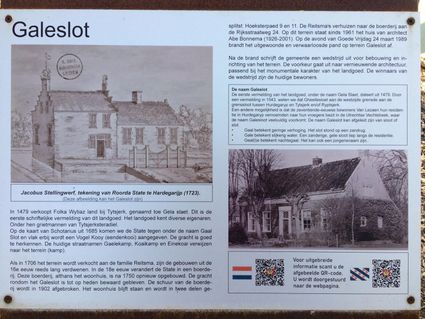
Galeslot
Galeslot